Certification guide ·
Accent and Lounge Chairs: Canadian Compliance and Import Rules for Upholstered Seating
Fabric accent chairs, leather lounge chairs and powered recliners all look alike in a photo, but Canada treats them very differently. This guide sorts the rules by chair type.
One line, three compliance pictures
Our accent and lounge chairs line covers a wide range. Some products are fabric-only stationary seats on swivel bases or wood legs. Some use leather. At least two have a motor: a power recliner and a lift chair. Each group meets a different slice of Canadian rule, so treating the line as one "furniture" category is how orders go wrong. For the chairs named below our files hold no certification mark; each written quote reports certification status and documents before you order.
Group one: fabric stationary chairs
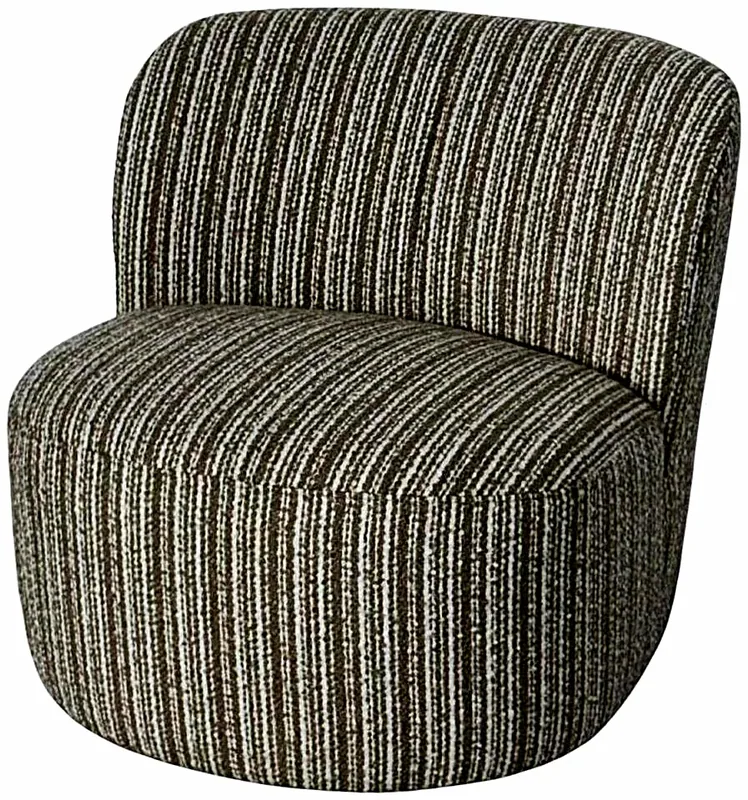
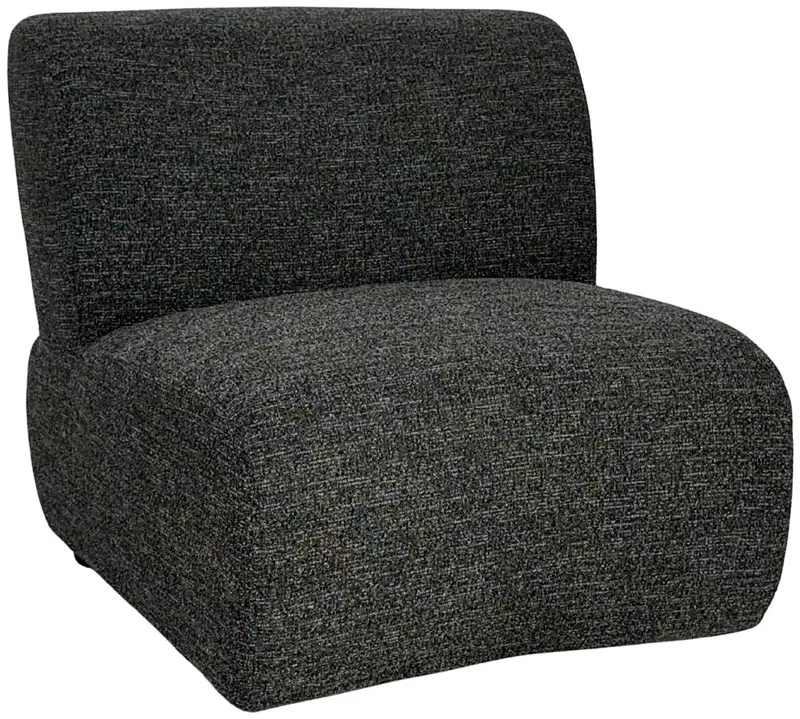
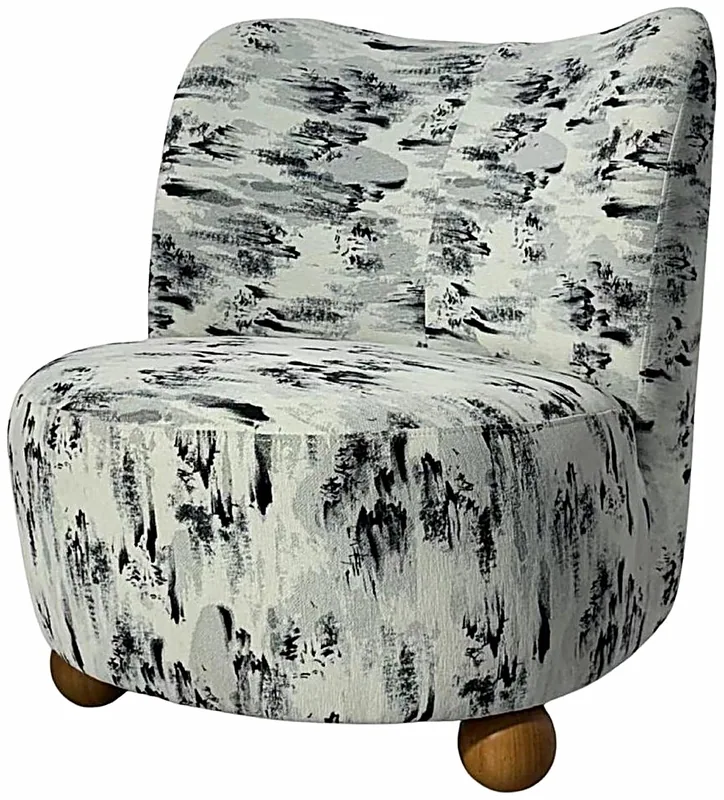
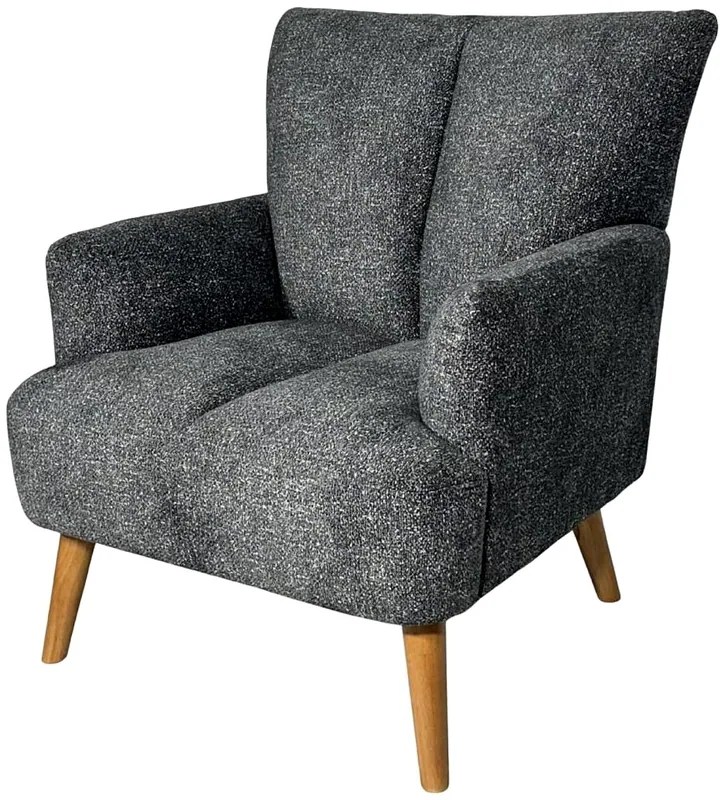
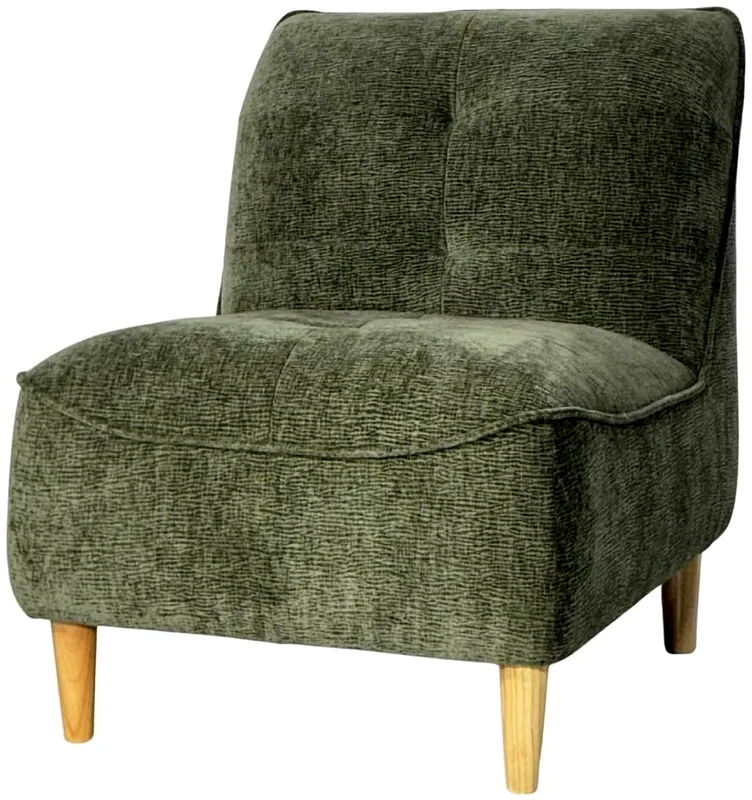
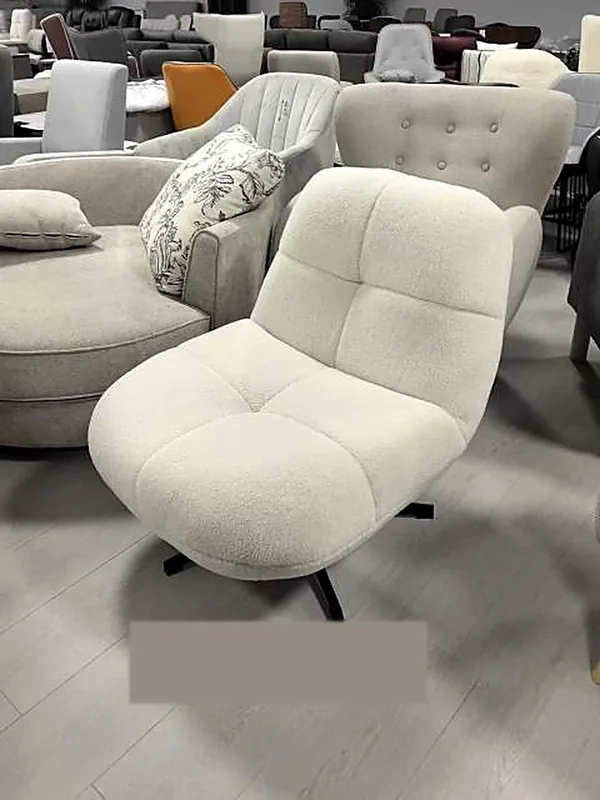
This is the largest group. Examples include the Swivel Armchair – Striped Fabric (TVD-6212), the Armless Lounge Chair – Dark Grey Boucle (TVD-6213), the Armless Accent Chair – Patterned Fabric (TVD-6215), the Wing Armchair – Grey Fabric (TVD-6216), the Armless Slipper Chair – Green Chenille (TVD-6219) and the Boucle Swivel Accent Chair – White (TVD-6220). Our files say fabric-only stationary seating is outside the anti-dumping measures that catch leather and reclining seating. A swivel base is a moving part, so the broker reviews each swivel model before a delivered cost is quoted.
What remains is about upholstery and finishes. Quebec repealed its stuffing permit and label law on 9 December 2021, so upholstered articles follow the federal Textile Labelling Act in every province; confirm current rules with the authority where you deliver. Contract buyers often ask for flammability test reports for upholstery, such as California TB117-2013 or the standard written in a tender. That is a buyer specification, not federal law.
Group two: ottoman sets and tall-back chairs with metal frames
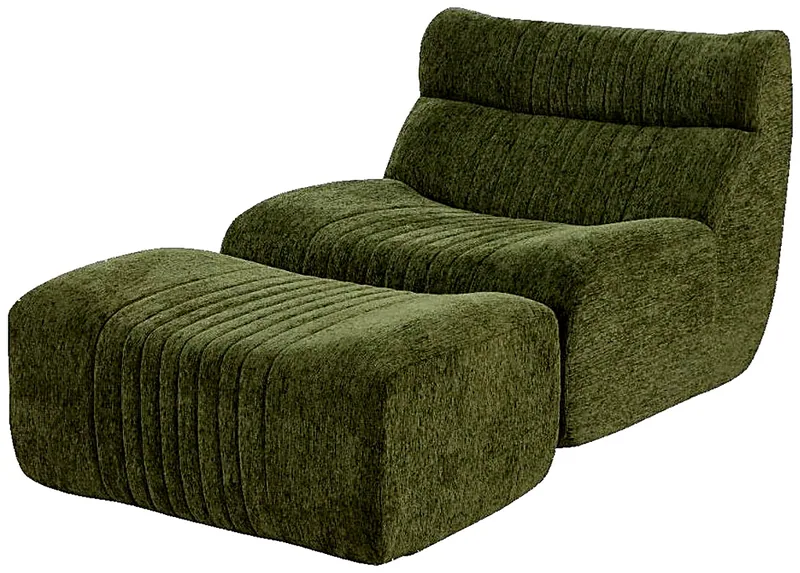
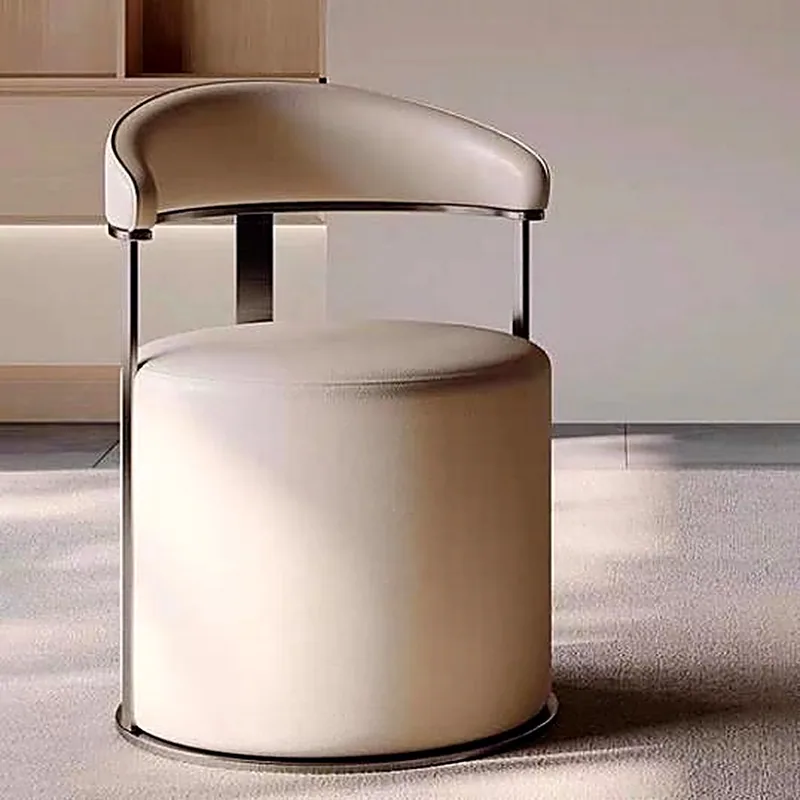
The Chenille Lounge Chair & Ottoman – Green (TVD-6238) is a low-slung curved chair with a matching ottoman. The metal-frame "tea chair" designs, such as the Round Cream Upholstered Accent Chair (TVD-9514), the Tall-Back Upholstered Armchair – Taupe (TVD-9515) and the Tall Curved-Back Armchair – Bronze Frame (TVD-9516), share one description on file: upholstered seat with metal frame, several designs shown. Ask which design the quote covers, because "several designs shown" means the photos and the shipped item must be matched in writing. Metal frames carry paint or powder coating, and coatings on furniture fall under the Surface Coating Materials Regulations, which limit lead and mercury.
Group three: leather and motion seating
Leather chairs and anything with a recline or lift mechanism sit in a different place. Leather chairs and anything that reclines or lifts can be caught by anti-dumping and countervailing duty; our files describe that duty on Chinese-origin goods as very high, often above the value of the goods. The broker's review comes first, and a different origin may be offered. In this line, look at the Power Recliner Lounge Chair (TVD-6203), the Lift Chair – Fabric Recliner (TVD-6218), the Swivel Recliner with Phone Holder (TVD-9259), the Orange Leather Accent Chair – Black Frame (TVD-9513) and the Lounge Chair & Ottoman – Black Leather (TVD-6201). Lift chairs and power recliners add an electrical layer: an accredited Canadian mark (CSA, cUL or cETL) or a field evaluation label. Read more in CSA, cUL and cETL marks explained.
Document checklist for the whole line
| Document | Chairs it matters for | Who issues it |
|---|---|---|
| Textile Labelling Act label detail for chairs | Every upholstered chair sold in Canada | Factory label, dealer identity per the quote |
| Flammability test report named by the tender | Hotel, office and institutional orders | Test laboratory |
| Canadian electrical mark or field label | Power recliner, lift chair and any motorised model | Accredited certification body |
| Origin, tariff classification and trade-remedy check | Leather and reclining or lifting seating, swivel models | Our customs broker |
| Coating or paint declaration | Metal-frame and walnut-shell chairs | Factory |
| Textile fibre-content label for fabric and cushions | Chairs with loose or scatter cushions | Factory, label checked on the quote |
| Label, manual and warranty in French | Quebec deliveries | Factory, status confirmed in writing |
CE and US marks
The European CE mark does not stand in for Canadian approval on electrical or consumer goods. On powered chairs a UL or ETL label without the small c covers the US only. For plain fabric chairs the question is rarely a mark; it is test reports and labels.
Consequences of a gap
A hotel that specified a flammability report may reject a delivery without it. A Quebec retailer will be asked for French labelling and documents, and every retailer will want the fibre-content label. An electrician or inspector can refuse a recliner without an accepted mark, and customs can assess duty after arrival. Our approach is to ask early, because each of those outcomes costs more time than a few questions on the quote. A buyer who finds the gap at the dock has few options: send the goods back, relabel them or wait for a field evaluation.
How we handle it
Mention any tender wording on flammability so we can ask for the matching report. List the codes you want in a quote request, tell us the province and whether the buyer is a hotel, retailer or office, and we reply with certification status, documents on hand, origin options and delivered cost. For a single product, read its own post such as the TVD-6212 buying guide or the TVD-6213 buying guide. Ordering mechanics are on the how ordering works page and tax by province in the sales tax guide. Standards and tariffs are revised from time to time, so confirm with the authority, your inspector or your customs broker. This guide is not legal advice.