Certification guide ·
MDF and Board-Top Dining Tables in Canada: Formaldehyde Rules, Certificates and Labels
Table tops made from MDF, multi-layer board and similar panels fall under Canada's composite wood emission rules. Here is what to ask for on nine dining table listings.
Why a table top is a regulated panel
A dining table with an MDF, particleboard or multi-layer board top is made of composite wood, even when the surface looks like oak, stone or glossy paint. In Canada, the Formaldehyde Emissions from Composite Wood Products Regulations, in force since 2023, require hardwood plywood, particleboard, MDF and laminated products to meet emission limits, to be certified by an approved third-party certifier and to be labelled. The rules also matter for furniture made from these panels. Buyers can ask for the TSCA Title VI or Canadian compliance certificate, as the two are aligned. Rules change, so confirm with the authority, your inspector or your customs broker. This is not legal advice.
The nine listings this guide covers
No certification mark is on file for any of these tables. We do not describe them as certified, and we confirm certification status and supply the documents with the quote before you order.
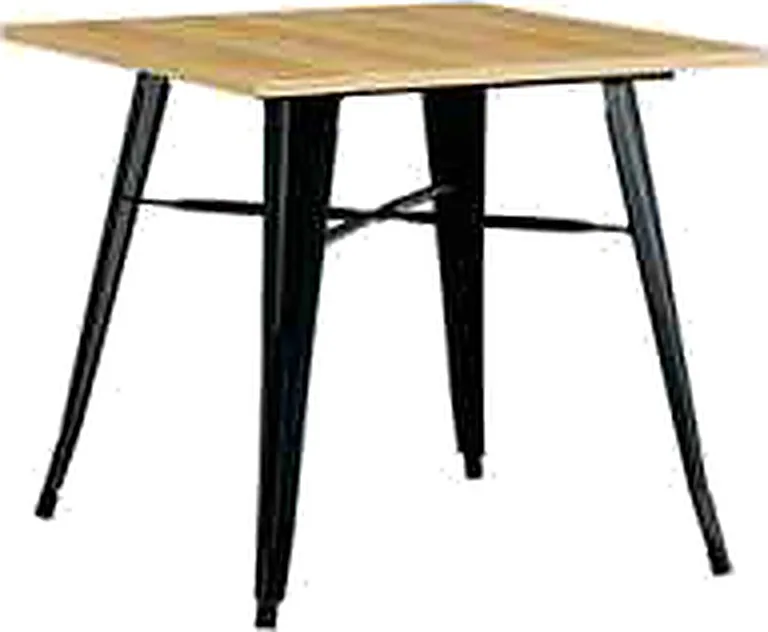
- Dining & Café Tables (TVD-755): MDF, glass and sintered-stone tops on metal or wood legs; read the buying guide for this family.
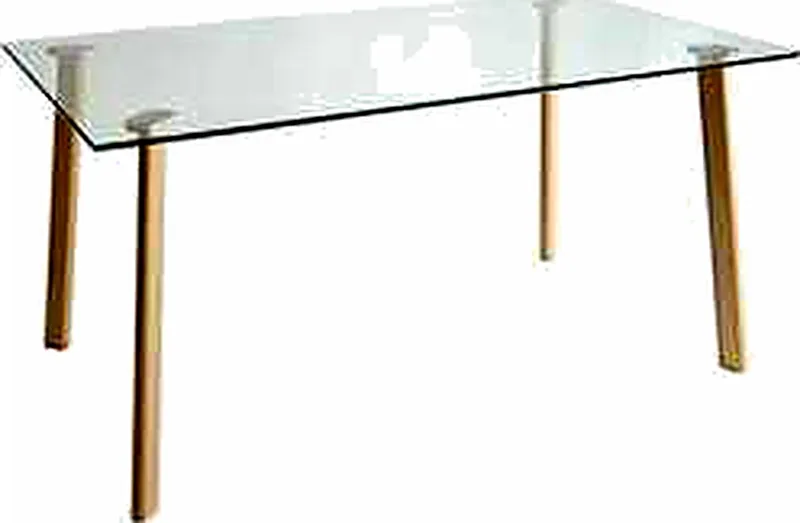
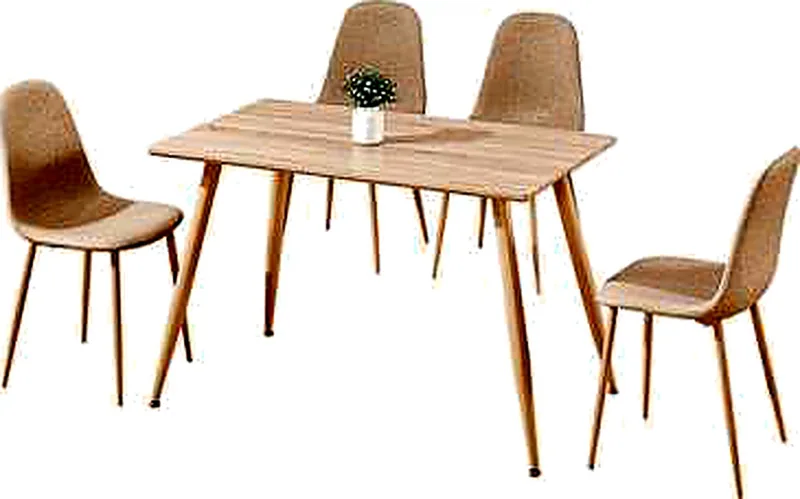
- TVD-4496 to TVD-4501: six Dining & Coffee Tables with glass, MDF and wood tops, wood and steel legs and matching chair sets shown.
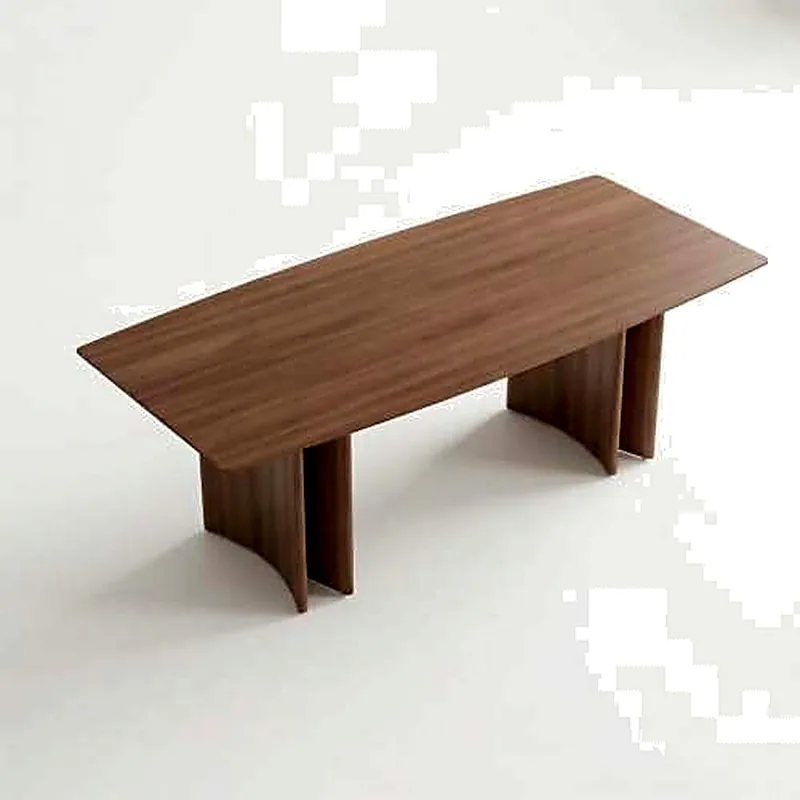
- Designer Wood Dining Tables (TVD-4516): solid wood and multi-layer board tops on sculpted wood, metal or acrylic legs, in rectangular, oval and special shapes; see the TVD-4516 guide.
- Extendable Rectangular Dining Tables (TVD-4524): a slide-out extension top, carbon steel legs and a rock-board top in slate, stone and wood-look finishes; see the TVD-4524 guide.
Where composite wood hides in these tables
Different tops raise different questions, so ask by listing rather than by the line as a whole.
- MDF tops (TVD-755 and TVD-4496 to TVD-4501): MDF is named in the listing, so it is the first item to ask a certificate for. The glass and wood alternatives in the same listings may have no panel at all; ask which top the quote covers.
- Multi-layer board (TVD-4516): multi-layer board and plywood are layered products; ask for the certifier's name and the certificate number covering the board. Where the top is solid wood, the rules for panels do not apply to it, but a panel substrate under a veneer does.
- Rock-board top (TVD-4524): the listing names a rock-board top and a slide-out extension. Ask what the board core is, because a stone-look face on a wood-based core still brings the question of the core. The extension leaf and its slides are separate components to specify.
- Sintered stone and glass: these are not wood products. If a top is one of those over a composite wood subframe, the subframe is the item to check.
Other rules that touch the same tables
Coatings. Paint and lacquer on furniture are limited to 90 mg/kg of lead, with a mercury limit, under the Surface Coating Materials Regulations. Ask for a coating test report for any painted or lacquered top or leg, and note that the lead rules for children's products apply if tables go into a daycare or school.
Upholstered chair sets. Matching chairs shown with TVD-4496 to TVD-4501 may have padded seats. Quebec no longer requires a stuffing permit number or law label, but Textile Labelling Act labelling applies to upholstered articles and tenders may ask for flammability test reports.
Language and labels. In Quebec, labels, manuals and warranty documents must be available in French. Prepackaged consumer products need bilingual product identity and net quantity with the dealer's name and place of business.
Duty and tax. Duty depends on the tariff classification and origin; our customs broker confirms it before we quote a delivered cost. Provincial sales taxes are in the sales tax guide.
Document checklist
| Document | Why | Who issues it |
|---|---|---|
| Composite wood certificate (TSCA Title VI or Canadian equivalent) | Proof the panel meets formaldehyde emission limits | Approved third-party certifier |
| Panel labelling details | Label required on regulated composite wood products | Panel or table maker |
| Bill of materials by top | Shows which tables contain regulated panels | Factory, on the written quote |
| Coating test report | Lead and mercury limits on furniture coatings | Test laboratory |
| Glass description for glass tops | Type, thickness and edge finish | Factory |
| Fibre-content label details for padded chairs | Upholstered articles sold in Canada | Dealer or supplier; confirmed on quote |
| French labels and instructions | Charter of the French language | Prepared on request |
What happens if the certificate is missing
A panel without proof of certification cannot be treated as compliant by the buyer, and the cost lands on whoever imports or sells it: a retailer can refuse the goods, a project can be held up, and a regulator can act on a non-compliant product. A factory test report that does not name an approved certifier is not enough on its own. A CE mark, which some factories print on cartons, does not replace Canadian requirements.
Questions to put to the factory before you pay a deposit
- Which tables on my quote contain MDF, particleboard, plywood or multi-layer board, and which are solid wood, glass or stone only?
- Which approved third-party certifier covers the panels, and can you send the certificate before shipment?
- Is the required label printed on the panel or the carton, and is it legible once the table is assembled?
- Do the legs, extension leaves and slides contain any composite panel?
Answers in writing protect a reseller far better than assurances by message, and they give a retailer or an inspector something to read.
How we handle it
List your tables by code on the quote request. We state, per code, the top material, the status of the panel certificate and the other documents above, and we flag gaps before you pay a deposit. Payment is 30% deposit and 70% before release, with samples on most items; see how ordering works. Alberta buyers can read the bar stools and tables guide for Alberta. For comparison with other tables, see TVD-4201, and for the wider line, the line page.