Product guide ·
High-Back Mesh Chair Grey Blue (TVD-10662) and Six Matching Mesh Chairs: Choosing Guide
Seven mesh office chairs share one listed specification: breathable mesh backs, adjustable arms and height, for offices and call centres. They differ in colour, headrest, arm style and lumbar detail.
What the seven chairs have in common
Our product listing gives all seven chairs the same three features: breathable mesh backs, adjustable arms and height, and use in offices and call centres. It does not separate them on frame, base, load rating or foam, and we will not invent differences. Seat height range, rated weight, frame material, castor type and colour options are all confirmed on your written quote. What does separate them is the name: colour, headrest, arm style and lumbar support.
The shared features are the ones a facilities buyer asks about first. A mesh back lets air through, which matters in a warm office or on a long call-centre shift. Adjustable height and arms let one chair fit many people, which matters when desks are shared between shifts.
The seven chairs
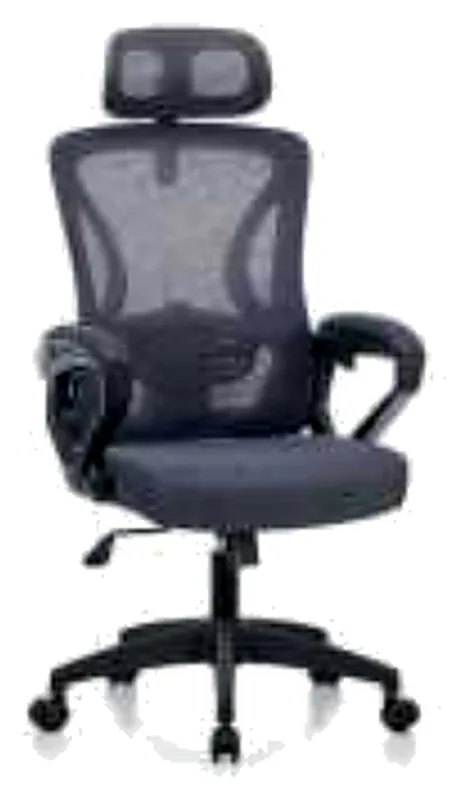
- High-Back Mesh Chair Grey Blue (TVD-10662): the grey and blue colourway of the high-back mesh style. The natural first sample for an office that wants a two-tone look.
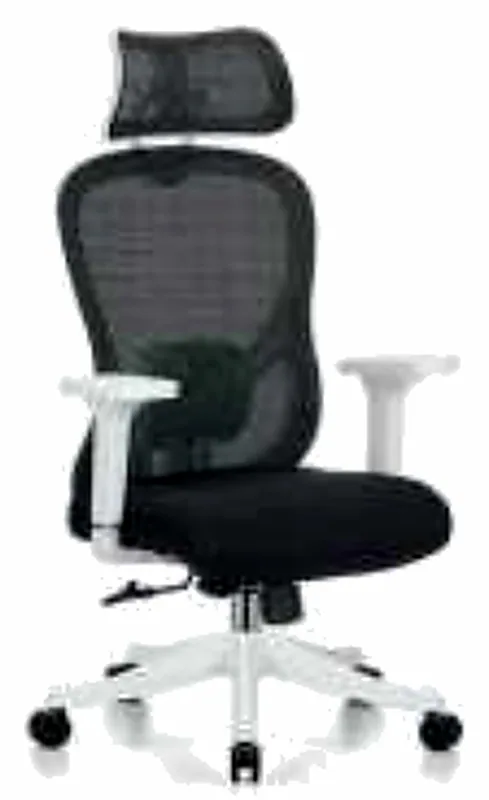
- Mesh Chair with Headrest White Arms (TVD-10663): a headrest, with white arms. The white arm colour is the visual signature, so check how it ages in a shared space.
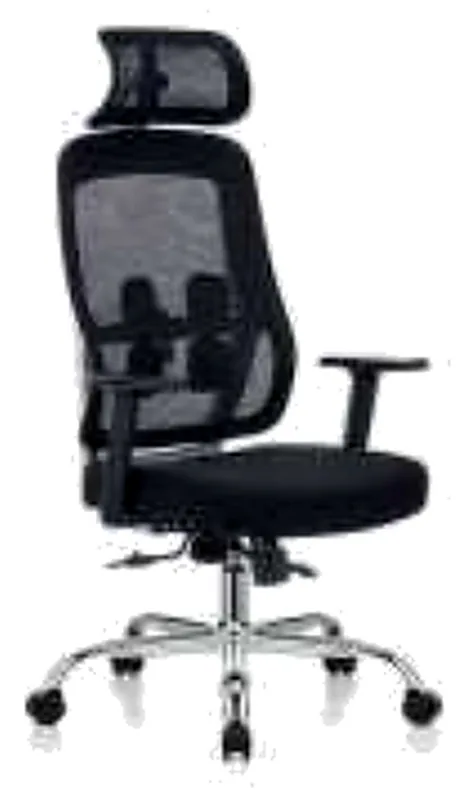
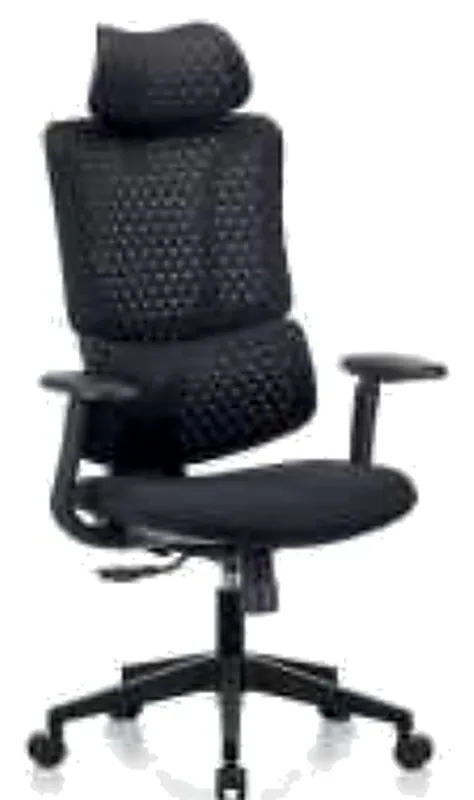
- Ergonomic Chair with Lumbar Support (TVD-10664): named for lumbar support. Ask how the lumbar support is built and how far it adjusts.
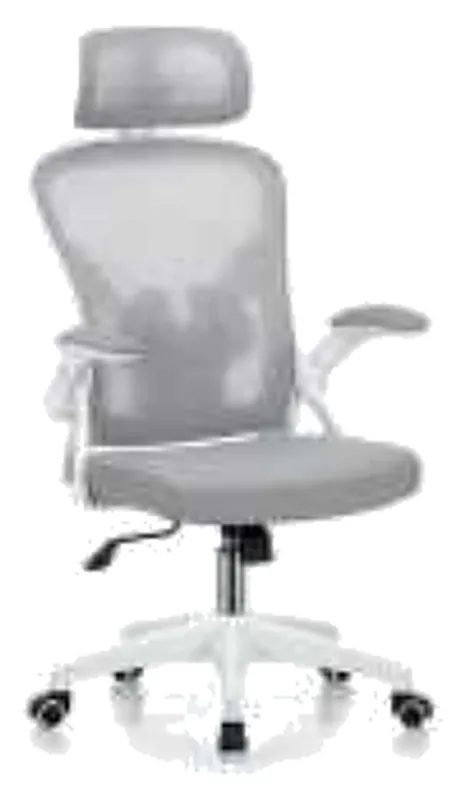
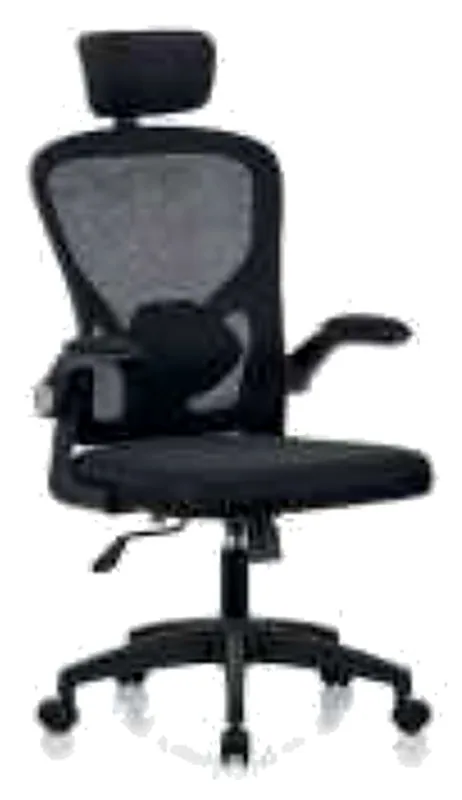
- Flip-Arm Mesh Chair with Headrest Grey (TVD-10665): flip-arm design with a headrest, in grey. Flip-up arms let the chair slide under a desk or a table.
- Flip-Arm Mesh Chair Black (TVD-10666): the flip-arm style in black, without the headrest named. The plain choice for reception and training rooms.
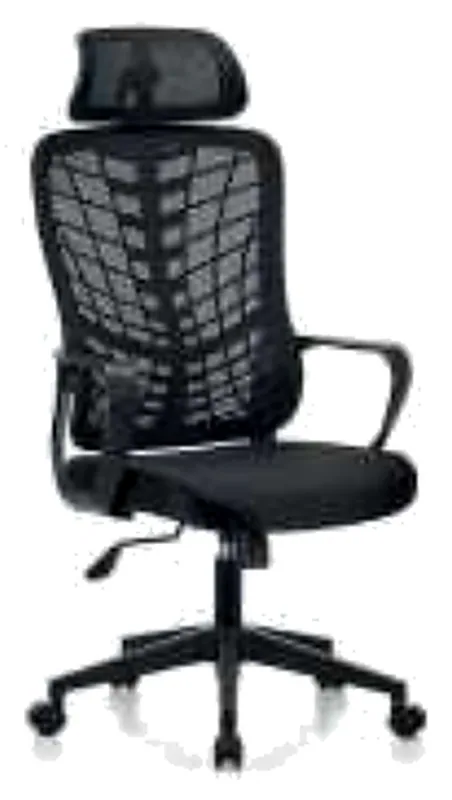
- Mesh Chair with Net Back and Headrest (TVD-10667): a net back with a headrest, so the back is a mesh weave and a head support is included.
- Ergonomic Mesh Chair Adjustable Arms (TVD-10669): an ergonomic mesh chair with adjustable arms, named for its arm adjustment.
How to choose between them
| If you need | Look at |
|---|---|
| A two-tone look for an open-plan office | TVD-10662 |
| Head support for long seated work | TVD-10663, TVD-10665 or TVD-10667 |
| Chairs that tuck under a desk or table | TVD-10665 or TVD-10666 (flip arms) |
| Lower-back support for call-centre shifts | TVD-10664 |
| A neutral black chair for a mixed room | TVD-10666 |
| Arm adjustment as the headline feature | TVD-10669 |
Because the specification is shared, the decision is about people and rooms, not grade. A call centre with shift sharing leans toward lumbar and adjustable arms. A boardroom or training room leans toward flip arms that tuck away. A small business buying one chair per desk may pick one colour and stay with it.
Mixing them in one order
All seven sit in the same line and can be quoted together. A sensible trial is one or two units of three or four styles, so staff can sit in them before you commit to volume. Samples are available on most items, with the sample cost usually credited to your first order. Packing, carton size and units per container are confirmed on the quote, and a mixed container can carry chairs and desks from different factories. If the same office needs desks, the Office & Gaming Seating line includes them.
What to ask before you order a mesh chair
- Rated weight capacity and the test report behind it. Office tenders commonly ask for ANSI/BIFMA test reports on office seating (for example BIFMA X5.1 for office chairs). That is a buyer specification, not federal law, so check what your tender names.
- Gas lift class, base material, castor type and whether castors suit carpet or hard floors.
- Tilt mechanism and whether it locks.
- Mesh type, seat padding and foam density, plus available colours.
- Assembly level and hardware.
Canadian use notes
- Winter freight. Chairs travel flat or boxed through cold weather. Plastics can be brittle after a cold transit, so unpack and let them reach room temperature before assembly.
- Flooring. Hard castors can mark hard floors. Many Canadian offices have carpet tile in open areas and hard flooring in meeting rooms; confirm castor type for each.
- Quebec. Labels, instructions and warranty must be available in French. If the seat is padded, the Textile Labelling Act covers any fabric, and Quebec no longer requires a stuffing permit or label.
- Tax and delivery. GST, HST, PST or QST follows the delivery province; see the sales tax guide. Use the landed cost calculator to plan.
Rules and documents
None of these chairs has a certification on file with us. Our listing describes mesh backs and adjustable parts, not a leather or reclining mechanism. Upholstered seating with leather or a motion mechanism can attract very high anti-dumping duty depending on origin; fabric-only stationary seating is treated differently, and our customs broker confirms classification before we quote a delivered cost. Contract buyers may also ask for a flammability report on upholstery, such as the California TB117-2013 report or the standard named in their tender. Our guide to compliance and import rules for upholstered office seating covers this in more detail. Rules change; confirm with the authority, your inspector or customs broker. We confirm certification status and supply documents with the quote before you order.
How ordering works
Send your codes and quantities through the quote request form. The written quote states the price for the quantity, specifications, certification status and documents, packing, lead time and delivered cost. Payment is 30% deposit and 70% before release. The how ordering works page sets out each step.