Certification guide ·
Home Storage and Organisers in Canada: Compliance and Import Rules by Product Family
Baskets, bamboo shelves, wire carts and cabinets follow different Canadian rules. This guide sorts the line by material and shows which documents to ask for.
Home storage is a broad line. The same buying guide covers a woven basket, a bamboo shelf, a wire rolling cart, a glass-door wine cabinet and a stack of plastic cabinets, and the Canadian rules that matter change with the material. This guide sorts the line by material and use so that a retailer, property manager or contractor can see which questions to ask before ordering. No certification mark or test report is on file for any product named here. We confirm certification status and supply the documents with the quote before you order.
Not electrical, but not rule-free
Almost nothing in this line is powered, so the CSA, cUL and cETL marks that apply to plug-in goods are not the main topic; our explainer on those marks is worth reading only if you add lit or powered items to the same order. What applies instead is consumer product safety law, labelling, coatings and, for board furniture, formaldehyde rules. Note too that Canada does not recognise the European CE mark as proof of compliance for consumer products, so any paperwork from a factory that cites CE still has to be matched to the Canadian requirements below.
Rules by product family
| Product family | Examples | Questions to settle before ordering |
|---|---|---|
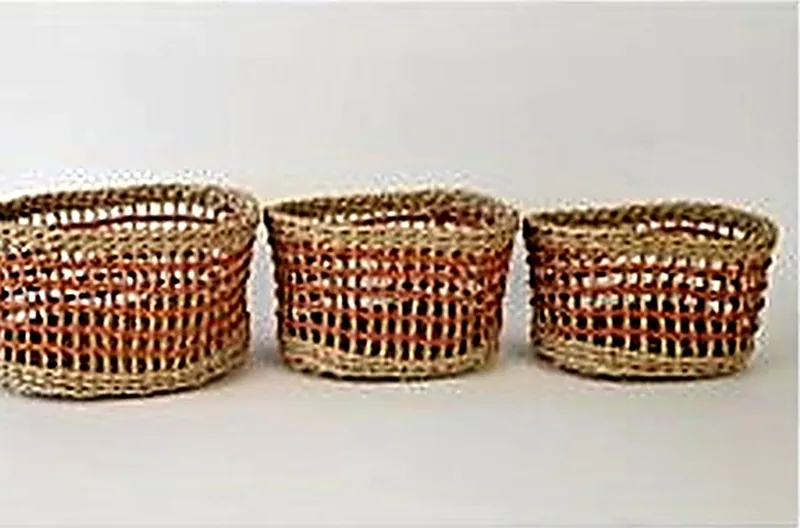
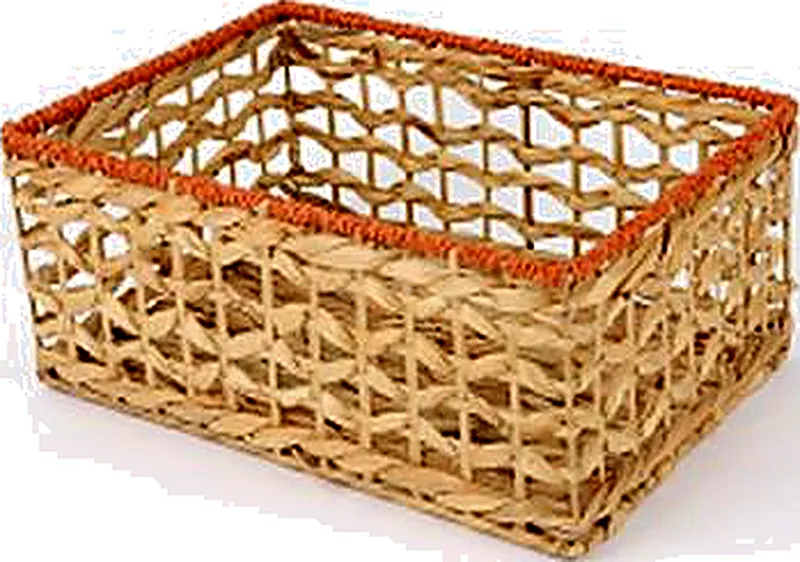
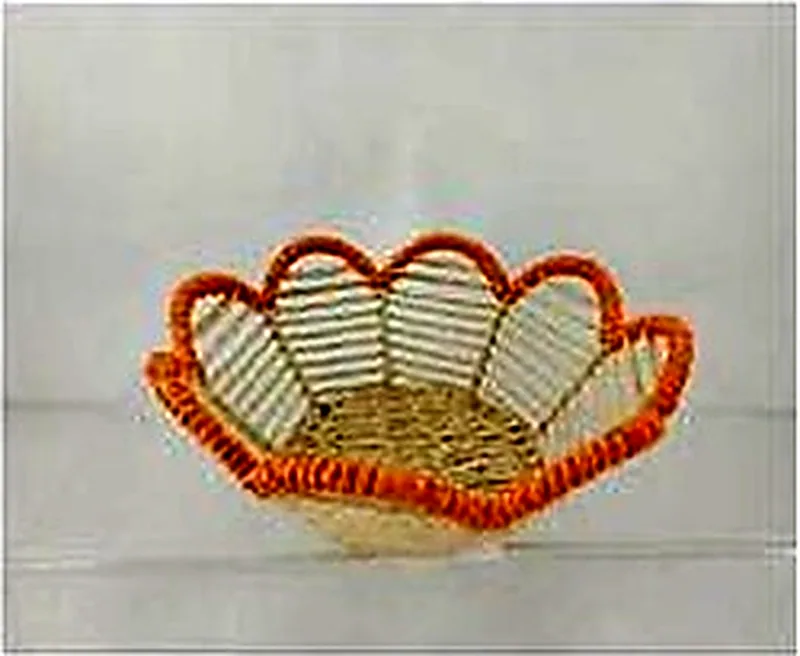
| Woven and natural-fibre baskets | TVD-2859 nested woven set, TVD-2860 seagrass baskets, TVD-2861 scalloped woven baskets | Dyes and finishes on the weave, food-contact use, retail packaging labels in English and French, drying and mould control |
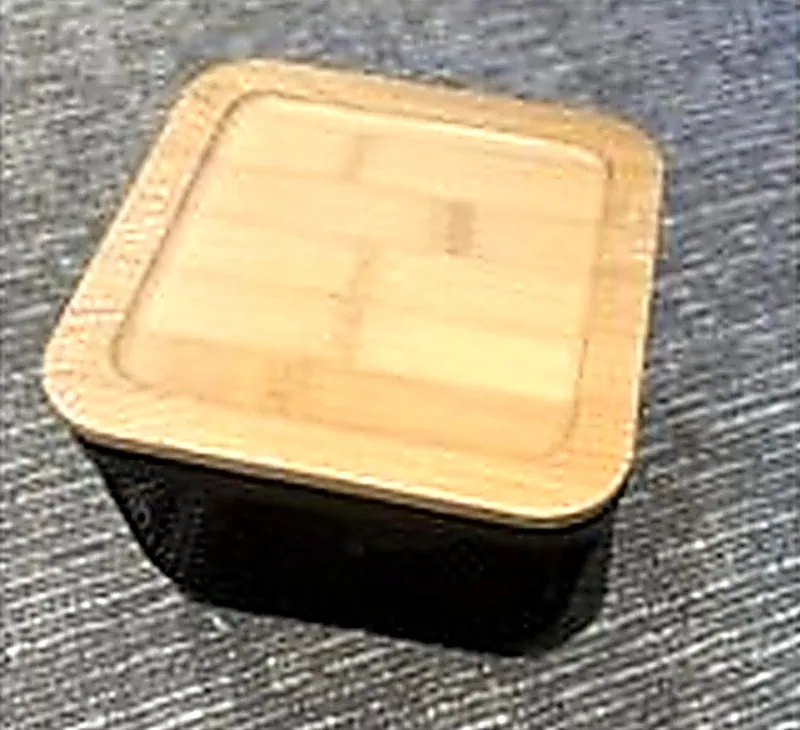
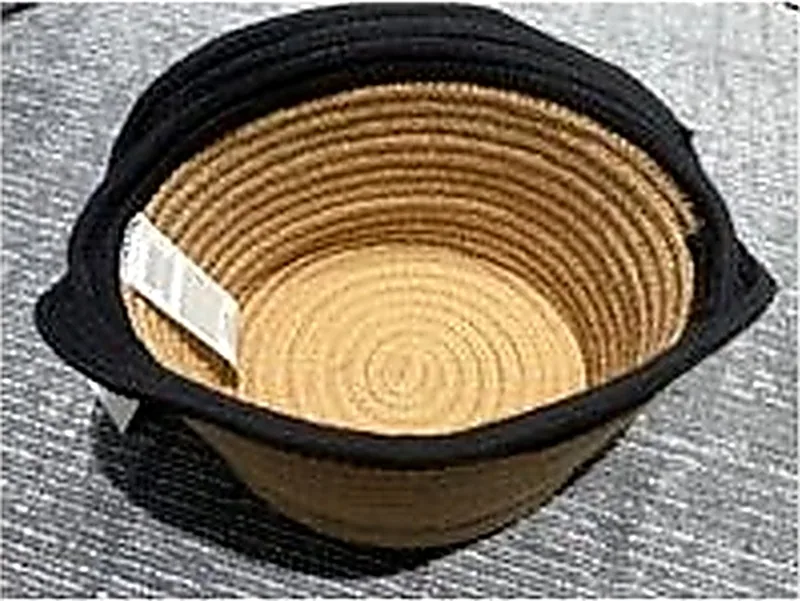
| Lined and lidded boxes | TVD-2892 house-shaped box, TVD-2896 bamboo-lid box, TVD-2897 cotton rope baskets | Liner fibre content, lid finish, whether children's storage is intended |
| Metal and wire racks and carts | TVD-6289 mesh rolling cart, TVD-2901 mesh handle baskets | Powder-coat or paint coating limits, castor load rating, assembly instructions in French |
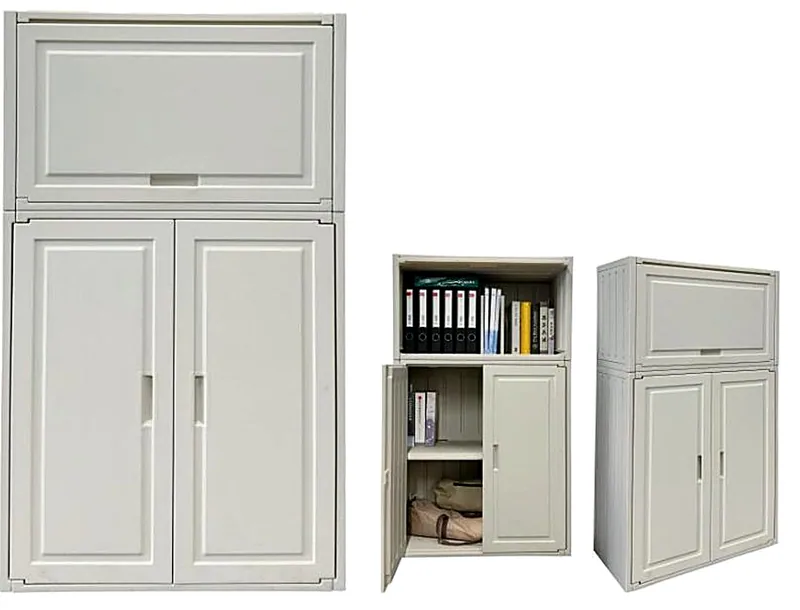
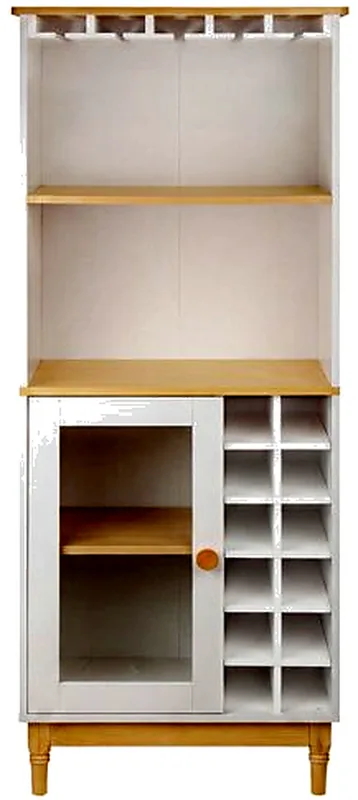
| Cabinets and shelves in wood-based panels | TVD-5565 two-door cabinet, TVD-5561 glass-door wine cabinet | Formaldehyde certification for any plywood, particleboard or MDF, coating limits, glass type, wall anchoring |
| Bamboo furniture | TVD-5645 bamboo curved shelf, TVD-5657 bamboo trolley | Finish and lacquer, glue content if laminated, food use if kitchen trolleys |
| Plastic storage | TVD-4569 stackable plastic cabinets | Material test data if the cabinets will hold food or children's items |
The rules in plain words
- Consumer product safety. The Canada Consumer Product Safety Act prohibits consumer products that are a danger to human health or safety, requires incident reporting and allows recalls. Health Canada enforces it.
- Surface coatings. The Surface Coating Materials Regulations set limits for lead (90 mg/kg) and mercury in paints and coatings on furniture and on children's products. White, black and coloured finishes on shelves, carts and cabinets all fall under this when a coating is applied, so ask for a coating test report.
- Composite wood. Hardwood plywood, particleboard, MDF and laminated products must meet formaldehyde emission limits, be certified by an approved third-party certifier and be labelled. This matters for cabinets and shelf units made from these panels. Ask for the TSCA Title VI or Canadian compliance certificate.
- Labelling. Prepackaged consumer products need bilingual product identity and net quantity and the dealer's name and place of business under the Consumer Packaging and Labelling Act. In Quebec, the Charter of the French language requires labels, instructions and warranty documents to be available in French.
- Textile and padded parts. Fabric liners, pockets or cushions may fall under the Textile Labelling Act, and Quebec buyers expect French on labels. Quebec no longer requires a stuffing permit or label.
- Children's items. Lead rules for children's products and the coating limits apply if a basket, shelf or cabinet is sold for a nursery or child's room.
- Food use. The Food and Drugs Act prohibits selling food in or with materials that may make it harmful. Health Canada does not pre-approve kitchenware, so buyers ask for food-contact test reports, and bamboo or wood products need tests on finishes and glues.
Differences between products in the same line
Two products can look alike on a shelf and need different paperwork. A natural-fibre basket such as TVD-2860 woven seagrass baskets has no coating and no board, so labelling and mould control dominate. A cabinet such as TVD-5565 may have a veneer or board body, so the formaldehyde certificate becomes the key document. A glass-door cabinet such as TVD-5561 raises the question of what kind of glass is used and how the edges are finished, which we confirm on the quote. A rolling cart with fabric pockets adds textile questions, and a stackable plastic cabinet raises the question of material test data. Bamboo racks, such as the shelf in TVD-5645, depend on the finish. Ask which version of each product you are receiving, because several styles are offered under most listings.
Provincial notes
Quebec adds French on labels, instructions and warranty documents. The old stuffing permit and label law was repealed in Quebec in 2021 and in Ontario in 2019. Gas and electrical regulators are not involved for unpowered storage, but contract buyers such as hotels and property managers may call for flammability or test reports in the tender, which are buyer specifications rather than federal law.
What happens when something is missing
A retailer can refuse to list a cabinet without a formaldehyde certificate, a Quebec buyer can refuse goods without French instructions, and a product that turns out to be a danger can be recalled under the Canada Consumer Product Safety Act. Relabelling after landing costs far more than asking at the quote stage.
How we handle it
When you request a quote on the quote page, name the products and the provinces you sell in. We confirm certification status, request the documents from the factory and supply them with the quote before you order. Duty depends on the tariff classification and origin, and our customs broker confirms it before we quote a delivered cost; the sales tax guide covers GST, HST, PST and QST. Browse the full home storage and organisers line, read about how ordering works, or see the range delivered across Canada. Rules change, so confirm with the authority, your inspector or your customs broker. This is not legal advice.