Buyer guide ·
Importing furniture into Canada: the compliance checklist for business buyers
Furniture is not covered by one rule. What applies depends on what the piece is made of and who will sit, sleep or eat on it. Use this checklist before you place a container order.
Hotels, schools, offices, restaurants and retailers all buy furniture the same way: they see a good design, ask for a quote and assume the paperwork follows. It does not always. A fabric dining chair, a reclining loveseat, a foam mattress and a bunk bed each trigger different Canadian rules, and a few of them can change the cost of the order more than the unit price does. This guide walks through the checks in the order that saves the most trouble. Our factory-direct range is linked throughout, and every item is quoted in writing with its certification status and documents.
Step 1: sort the order by product type
Start by listing what is in the order, not by supplier. The table shows which rules can apply to each type, and what to ask for.
| Product type | Rules that can apply | Ask for |
|---|---|---|
| Upholstered seating, sofas, armchairs | Anti-dumping and countervailing duty on certain seating from China; fibre-content labels under the Textile Labelling Act; contract flammability specification | Origin, tariff classification, flammability report, fibre-content label details |
| Mattresses and toppers | Mattresses Regulations smoulder test; anti-dumping and countervailing duty from China; Textile Labelling Act fibre-content label where it applies | Smoulder resistance report, origin, label details |
| Tables, beds and case goods made of panel materials | Formaldehyde emissions rules; surface coating limits | Third-party formaldehyde certificate, coating test results |
| Bunk beds | Their own Canadian regulations under the Canada Consumer Product Safety Act | Guardrail and opening design confirmation, warning labels |
| Children's furniture | Coating and lead limits, phthalate limits for soft vinyl in childcare articles | Coating, lead and phthalate test reports |
| Office chairs and desks | Buyer or tender specifications, often ANSI/BIFMA | BIFMA test reports such as X5.1 for office chairs |
| Auditorium and theatre seating | Provincial building and fire codes | Layout, aisle widths and anchoring confirmed by the authority |
Step 2: check duties before you fall in love with a design
Import duty depends on the tariff classification (HS code) and origin. On top of that, the Canada Border Services Agency applies anti-dumping and countervailing duties under SIMA to some goods. Per our files at the time of writing, these include certain upholstered domestic seating from China, where leather or motion and reclining mechanisms are the trigger and fabric-only stationary seating is excluded, and mattresses from China, including toppers above a certain thickness. For those goods the duty is very high, often more than the value of the goods, so the origin can decide whether an order makes sense at all.
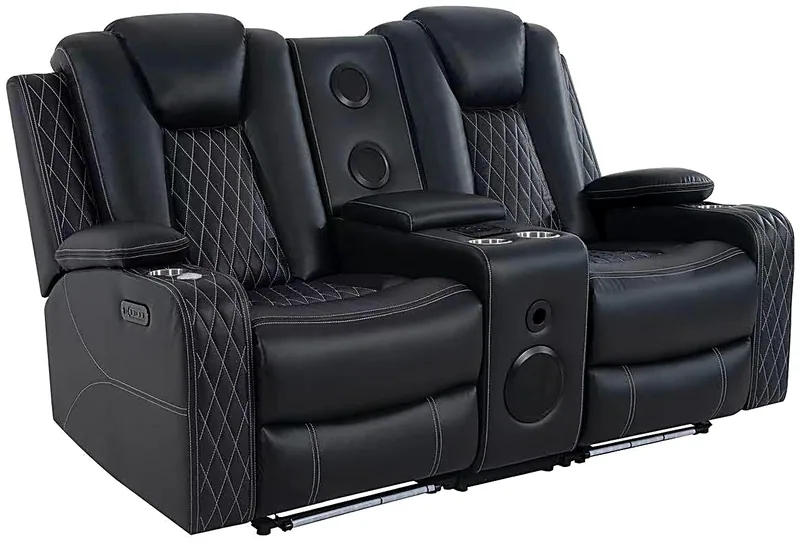
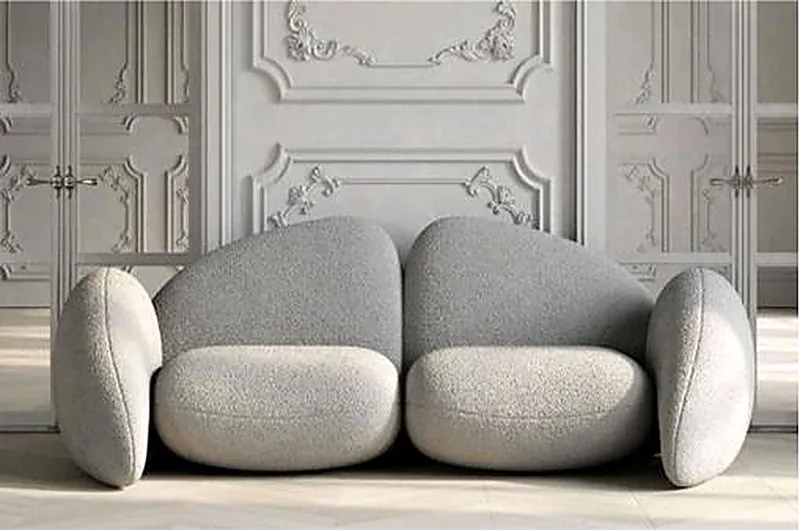
We do not guess. Our customs broker confirms classification before we quote a delivered cost, and where the answer is unfavourable we may source from another origin. This matters for items such as the power reclining loveseat with console (TVD-6221), the grey bouclé sofa (TVD-9583) and the foam mattress (TVD-6242). Rules change, so confirm the current position with your customs broker. Taxes follow the province of delivery; see the sales tax by province guide and the landed cost calculator.
Step 3: composite wood and the formaldehyde rule
Canada's Formaldehyde Emissions from Composite Wood Products Regulations have been in force since 2023. Hardwood plywood, particleboard, MDF and laminated products must meet emission limits, be certified by an approved third-party certifier and be labelled. The rule matters for furniture built from those panels, which means many tables, desks, bed frames and cabinets. Ask for the TSCA Title VI or Canadian compliance certificate; the two are aligned.
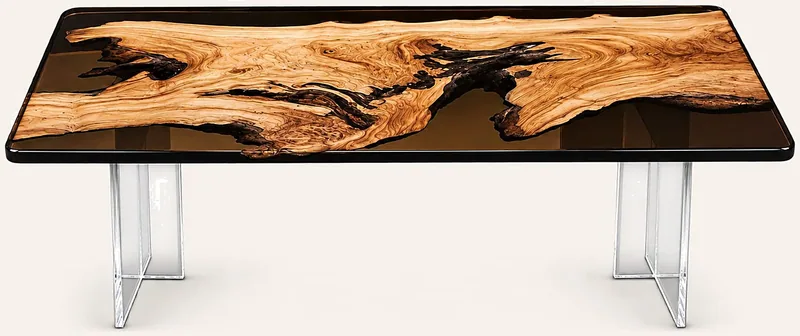
Ask what each piece is made of before you assume a rule applies. A veneered table with a particleboard core is a formaldehyde question, while a solid-wood slab or a resin-and-wood top, such as the live-edge resin table in olive wood (TVD-4372), raises different questions about coatings and finishes. We confirm construction on the quote.
Step 4: coatings, lead and the children's question
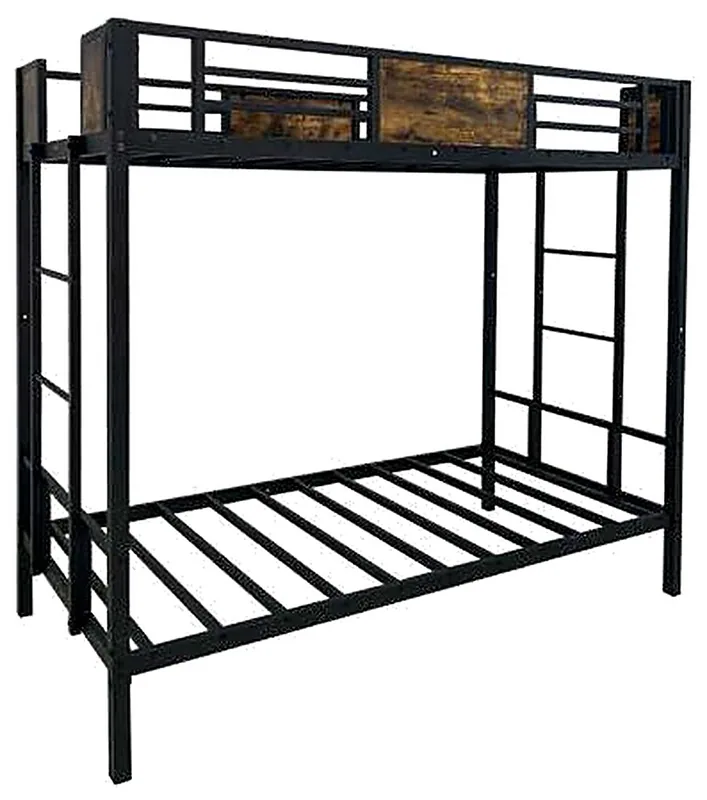
The Surface Coating Materials Regulations under the Canada Consumer Product Safety Act limit lead (90 mg/kg) and mercury in paints and coatings on furniture and on children's products. For children's furniture, such as school, daycare and kids' chairs, lead rules for children's products also apply, and phthalate limits apply to soft vinyl in childcare articles and toys. Canada has no bunk-bed-specific regulation, so the general prohibition in the CCPSA applies and Health Canada advises beds that meet the voluntary ASTM F1427 standard for guardrails, openings and warning labels; see the steel bunk bed, twin over twin (TVD-4407) for an example of how we present the line. Cribs, cradles and bassinets are tightly regulated and we do not supply them through this site.
Step 5: mattresses, upholstery and textile labels
Under the Mattresses Regulations, mattresses sold in Canada must pass a cigarette smouldering resistance test, so request that report. Consumer textile articles such as bedding, pillows, cushions and throws also need fibre-content and dealer identity labelling under the Textile Labelling Act.
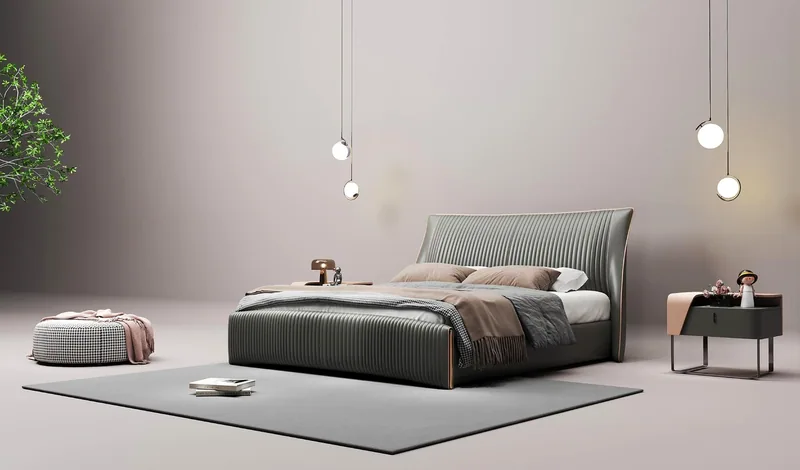
Upholstered and stuffed goods no longer need a provincial permit: Ontario repealed its stuffing rule in 2019 and Quebec repealed its own on 9 December 2021. What remains is federal. The Textile Labelling Act asks for fibre-content and dealer-identity labelling on consumer textile articles such as pillows, cushions and bedding, and the CCPSA general prohibition covers the rest. The upholstered bed with curved headboard (TVD-9890) is the sort of product that raises the question.
Step 6: contract and institutional specifications
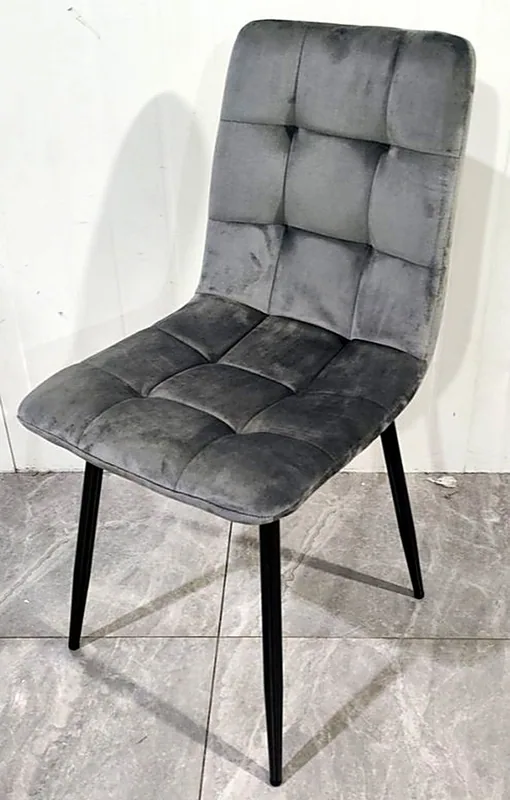
Hotels, schools, theatres and offices often write requirements that go beyond federal law. They may ask for flammability test reports for upholstery, for example California TB117-2013 or the standard named in the tender, and ANSI/BIFMA reports for office chairs and desks. These are buyer specifications, not federal law, so read the tender and confirm what is required. For hospitality seating, such as the velvet and fabric dining chairs (TVD-749) or the swivel bar stools (TVD-754), ask what the project documents call for before you finalize quantities. Fixed seating in auditoriums and theatres follows the provincial building and fire codes, and the designer or fire official confirms layout, aisle widths and anchoring.
Step 7: labels and language
Prepackaged consumer products need bilingual (English and French) product identity and net quantity, plus the dealer's name and place of business, under the Consumer Packaging and Labelling Act. In Quebec, the Charter of the French language requires labels, instructions, manuals and warranty documents to be available in French, with French at least as prominent. Quebec retailers will ask.
The CE mark is not proof of Canadian compliance for consumer products. Factory data sheets that show CE or foreign test classes are useful background but do not replace the Canadian documents above.
The checklist
- List every product by type and construction (upholstered, panel, solid wood, metal, children's).
- Confirm origin and tariff classification with a customs broker, especially for seating and mattresses.
- Request the third-party formaldehyde certificate for any composite wood.
- Request coating and lead test results for furniture and anything for children.
- For mattresses, request the smoulder resistance report; for pillows, cushions and bedding, request the fibre-content label details.
- For bunk beds, ask whether the design meets the voluntary ASTM F1427 standard that Health Canada recommends, and request warning labels.
- Read the tender or specification for flammability and BIFMA requirements.
- Arrange bilingual labels, and French documents for Quebec.
- Obtain the written quote with certification status, documents, packing, lead time and delivered cost.
- Keep the documents in a project file for inspectors, insurers and retailers.
Where furniture projects usually go wrong
- Comparing quotes before classification. Two prices from different origins are not comparable until duty is known. A seating or mattress quote that ignores anti-dumping exposure can look attractive and then change completely.
- Treating a foreign test as a Canadian one. A US or European report can be useful background, but a designer or authority may still want the Canadian test or a Canadian certificate.
- Ignoring the tender. Hotel, school and office documents often name flammability or BIFMA reports. Those are buyer specifications, and missing them can cost you the job even though no federal law was broken.
- Treating children's items as ordinary furniture. Coating limits and lead rules are stricter, and bunk beds should meet the voluntary ASTM F1427 standard, so these items need their own paperwork.
- Shipping to Quebec without French documents. French-language labels and manuals are expected by Quebec retailers under the Charte de la langue française.
Documents to keep on file
Keep a project folder for every order. Inspectors, insurers, retailers and tender evaluators ask for different pieces, and finding them later is slower than collecting them now.
| Document | Keep it because |
|---|---|
| Written quote with certification status | Records exactly what was promised for each item |
| Customs classification and origin confirmation | Supports the duty and tax you paid, and answers any later question |
| Formaldehyde certificate and coating test results | Evidence for panel-based furniture and children's items |
| Smoulder, flammability or BIFMA reports | Tender evaluators and insurers may ask |
| Textile Labelling Act fibre-content label, French documents | Fibre-content labels apply to consumer textile articles; French labels and manuals are expected in Quebec |
Province notes
Federal rules apply everywhere, but the local layer differs. Quebec asks for French labels and documents under the Charte de la langue française. Neither Quebec nor Ontario has a stuffing permit any more (Quebec repealed its rule in 2021, Ontario in 2019), though a project can still carry tender requirements. Elsewhere, check building and fire code questions with the provincial authority. Fixed seating in assembly spaces is reviewed under each province's building and fire code, so involve the designer or fire official before ordering a layout.
How we handle it
Every order is quoted in writing. The quote states the price for your quantity, specification, certification status and the documents we can supply, packing, lead time and delivered cost to your address. Samples are available on most items and the cost is usually credited to the first order. Products from several factories can share one consolidated container, with low trial minimums on many lines. Payment is a 30% deposit and 70% before release. Read how ordering works and send a quote request, or see where we deliver on the Canada delivery hub. This is general information, not legal advice.