Certification guide ·
Kitchen Island Table Certification in Canada: Composite Wood, Coatings, Chairs and Power
No certification is on file for the island tables in our range. This guide sets out which Canadian rules to check, which documents to request and how we handle each quote.
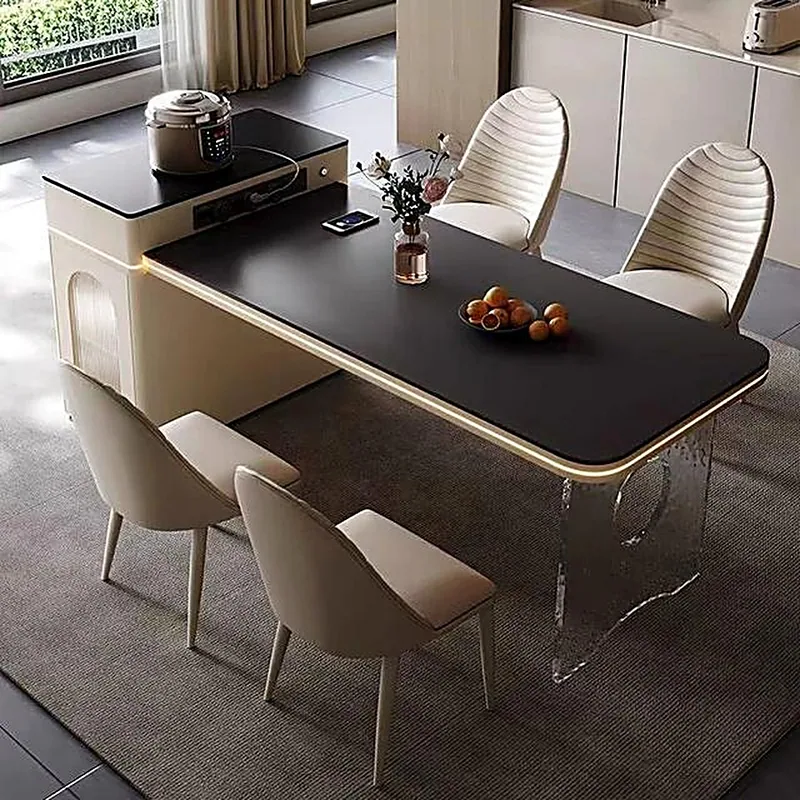
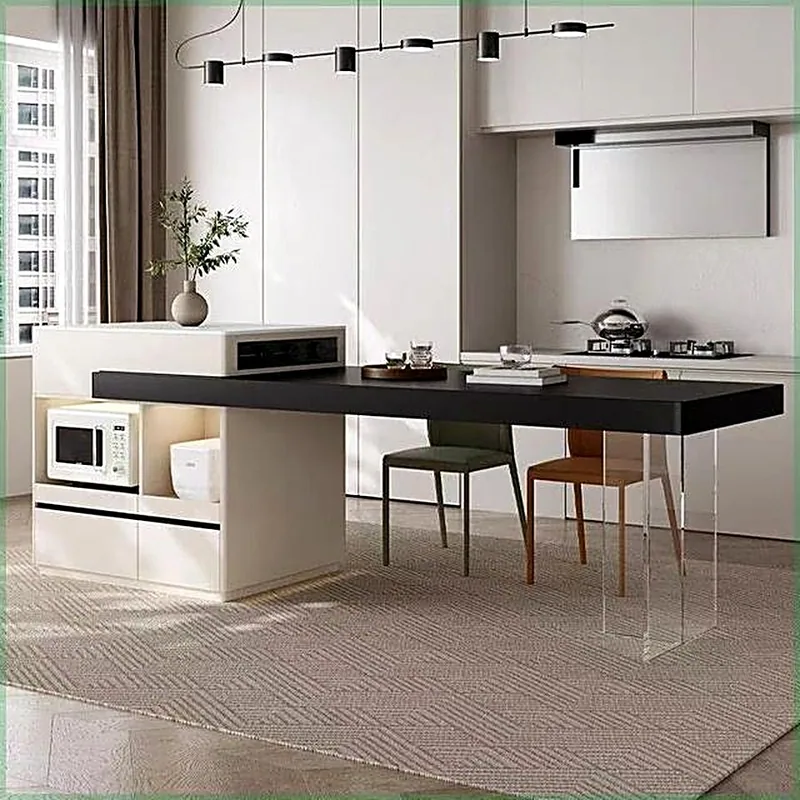
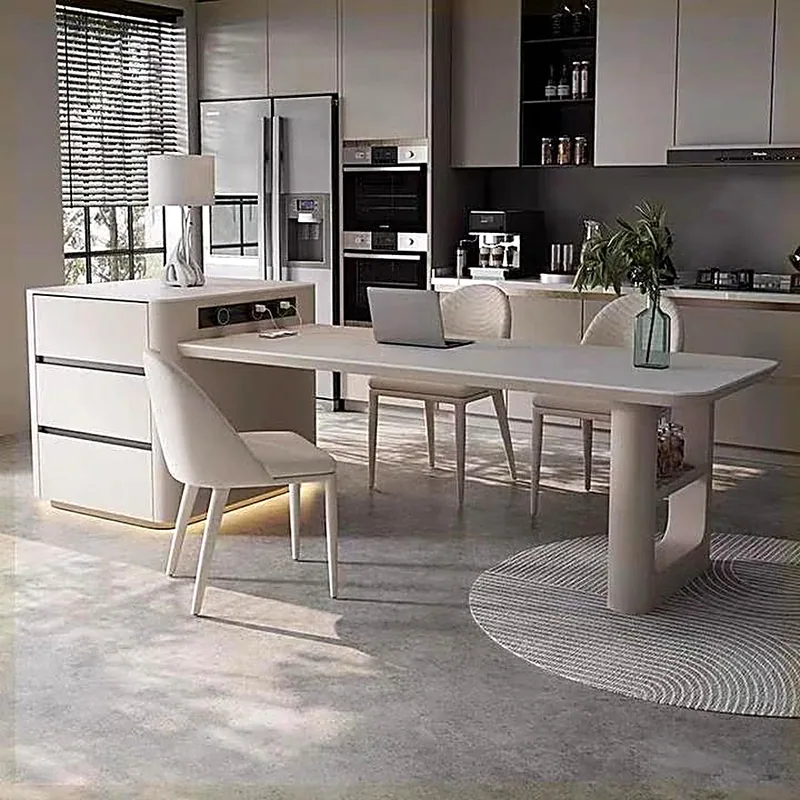
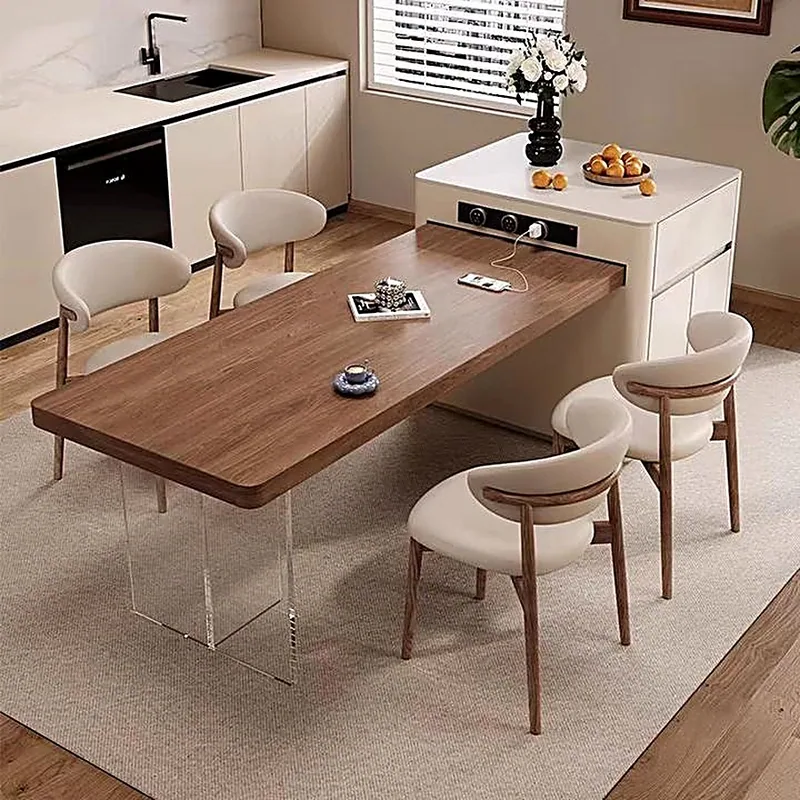
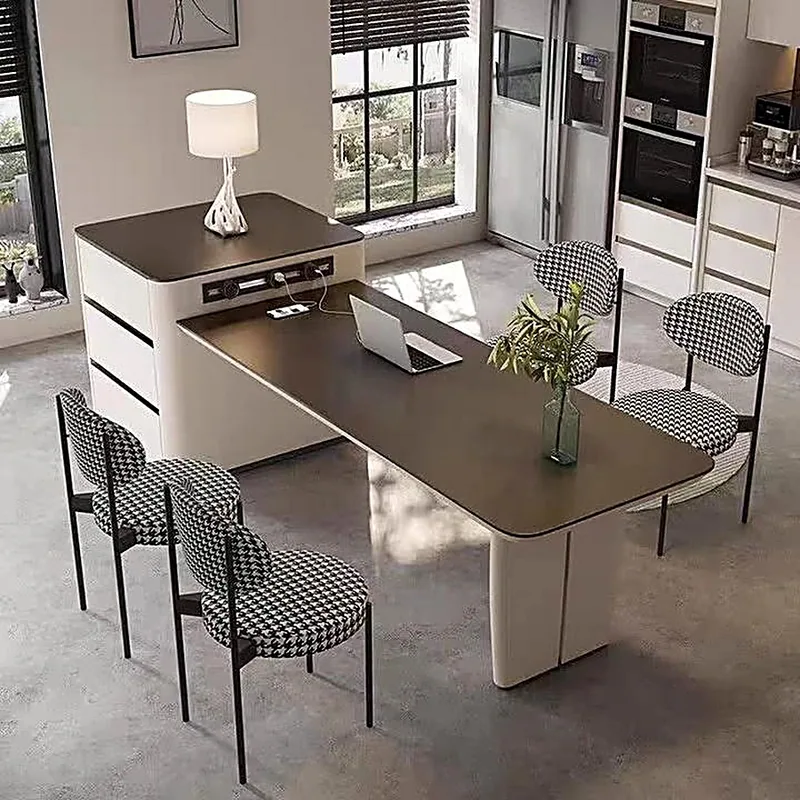
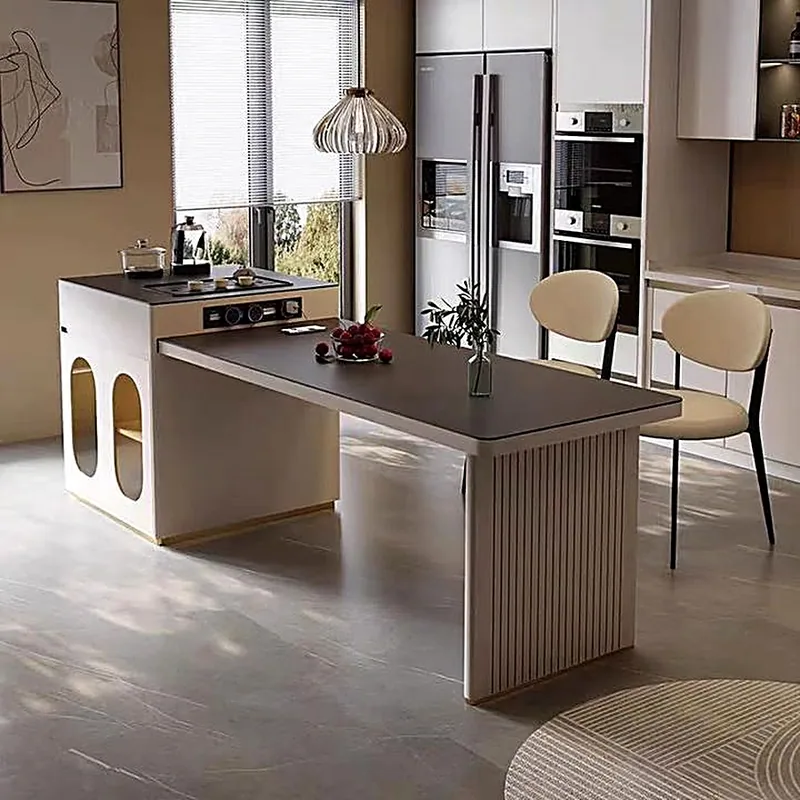
Kitchen island tables look simple: a top, a base, some storage and often a dining extension. For a Canadian importer, though, the compliance questions are specific. Our island and extending table range, listed in Island & Extending Tables, includes the Kitchen Island Table, White Top, Tan Chairs (TVD-9442), the Island Dining Table, Black, Acrylic Leg (TVD-9443), the Island Dining Table, Black Top, Microwave (TVD-9444), the Island Dining Table, Walnut Top (TVD-9446), the Island Dining Table, Fluted Base, Dark Top (TVD-9449) and the Island Dining Table, Oval Top, Fluted Base (TVD-9453). This guide explains which Canadian rules a buyer should check on these tables, which documents to ask for, and how to avoid a refused shipment.
Status first: no certification is on file for any island table in this range. We never imply otherwise. For each quote we confirm certification status and supply the documents we have before you order.
What these tables have in common
Every table in the range is listed as an island unit with a slide-out dining top, storage drawers or a cabinet in the base, and a modern stone or wood-look top. Those three features drive the compliance picture. A stone-look or wood-look top on a kitchen furniture piece is very often a laminated or veneered panel on a board core, though the listing does not say what the core is; and a base with drawers or cabinets is likely built from panels too. That is why composite wood is the first rule area to check. Coatings and paint on the base are the second. The third is whatever is added to a given model: chairs, a microwave space, lighting or a power outlet.
Rule 1: formaldehyde emissions from composite wood
If the top, drawer boxes or cabinet panels are hardwood plywood, particleboard, MDF or laminated products, Canada's Formaldehyde Emissions from Composite Wood Products Regulations (in force since 2023) apply. The panels must meet emission limits, be certified by an approved third-party certifier and be labelled. This also matters for furniture made from these panels. Ask the factory for the TSCA Title VI or Canadian compliance certificate; the two are aligned. If the top is solid timber or stone, tell us and we confirm which rules apply to each part. We do not claim any of these tables meets the rule until the documents arrive.
Rule 2: surface coatings
The Surface Coating Materials Regulations, under the Canada Consumer Product Safety Act, limit lead (90 mg/kg) and mercury in paints and coatings on furniture and on children's products. Black, white and walnut finishes on the tops and bases are likely to involve paint or coatings, so ask for a coating test report. If a household might use the table as a children's homework surface, the lead rules for children's products also come into the conversation.
Rule 3: upholstered chairs and Quebec
The TVD-9442 name includes tan chairs. If the chairs you order have padded seats or backs, they are upholstered articles. Quebec repealed its regulation on stuffing and upholstered articles in 2021, and Ontario repealed its similar rule in 2019, so no stuffing permit or law label is needed for padded chairs; the Textile Labelling Act still covers fibre content. Contract and institutional buyers such as hotels and restaurants may specify flammability test reports for upholstery (for example California TB117-2013 or whatever standard their tender names); that is a buyer specification, not federal law. If the chairs are leather or have a reclining mechanism, upholstered domestic seating from China can attract very high anti-dumping and countervailing duty, often more than the value of the goods. Fabric-only stationary seating is excluded. Our customs broker confirms before we quote and we may source from another origin. If the chairs are not padded, none of this applies; tell us the exact version.
Rule 4: anything electrical
The name of TVD-9444 mentions a microwave. If a version you order includes a powered appliance, a built-in outlet, a light or a charging point, it is an electrical product and must carry a certification mark from an accredited body, such as CSA, cUL or cETL, or a field evaluation label. A US-only UL or ETL mark without the small "c" is not enough. Canadian supply is 120 V / 240 V single-phase at 60 Hz, so equipment rated 220 V / 50 Hz must be confirmed before ordering. Our guide to CSA, cUL and cETL marks sets out the differences. If the table supplies only space for a customer's own microwave, the table itself has no powered part, but check ventilation and weight capacity on the quote.
The document checklist
| Document | Why you need it | Who issues it |
|---|---|---|
| Composite wood formaldehyde certificate (TSCA Title VI or Canadian equivalent) | Proves panel emissions meet Canadian limits and supports labelling | Approved third-party certifier, via the panel maker |
| Coating test report for lead and mercury | Shows paint and finishes meet furniture coating limits | Testing laboratory |
| Fibre-content label (if chairs are padded) | Textile Labelling Act: fibre content and dealer identity | Dealer named on the label |
| Flammability test report | Often requested by hotel, restaurant and public-building tenders | Testing laboratory |
| Electrical certification mark or field evaluation label (if powered) | Inspectors can refuse uncertified equipment | Certification body accredited by the Standards Council of Canada |
| French labels and manual (Quebec) | Charter of the French language; retailers will ask | Supplier or importer |
CE marks do not replace Canadian ones
Canada does not recognise the European CE mark as proof of compliance for electrical or consumer products. A CE-marked table, appliance or chair still needs the Canadian requirements above. The same applies to US paperwork: a US composite wood certificate is useful because the schemes are aligned, but a US-only electrical mark is not accepted in Canada.
Provincial differences
Quebec adds two layers: French labelling and manuals under the Charter of the French language, with the old stuffing permit and label repealed in 2021. Electrical safety authorities such as the Electrical Safety Authority in Ontario enforce electrical rules in their provinces. Building owners and landlords may also ask about the finish of work surfaces. If your table is going into a commercial kitchen or café, the local health unit may ask whether surfaces are durable and easy to clean.
What happens if a document is missing
A retailer may refuse to list the table; a customer's insurer may question an uncertified powered part; an inspector can refuse non-compliant equipment; and goods can be held up when the paperwork does not match the product. Composite wood without a certificate or label is exactly the kind of gap a retailer's compliance team will catch. If a product is the subject of a recall under the Canada Consumer Product Safety Act, the importer is the one who answers for it.
How we handle it
For each quote we confirm certification status and list the documents we have for each table: composite wood certificate, coating report and, where relevant, upholstery and electrical documentation. Where a mark is missing, we say so and discuss options such as a field evaluation by an accredited body for powered items. Rules change, so confirm with your inspector, the authority or your customs broker; this is not legal advice. Duties and taxes depend on classification and origin, and our customs broker confirms classification before we quote delivered cost; the sales tax by province guide explains provincial taxes.
To go deeper on specific tables, read the post on the Kitchen Island Table, White Top, Tan Chairs or the collection guide to the white pull-out drawer island dining table group. Ready to order? See how ordering works or send a quote request. Delivery information is on our delivery across Canada page and the Canadian wholesale page for this chapter.