Certification guide ·
Upholstered Storage Ottomans and Benches in Canada: Compliance and Import Rules by Model
Eight padded ottomans, benches and stools raise different Canadian questions: French-language labels, fabric labelling, wood-look panels and contract flammability reports.
Upholstered benches, ottomans and stools look harmless, yet they sit in one of the busiest compliance corners of furniture buying: padded seats, fabric covers, stuffing and sometimes wood-look panels. This guide covers eight products in the ottomans and benches line that have a padded or upholstered part, and explains where their rule differences lie. Our listing records no certification mark for any of them, so none is described as certified. We confirm status and supply the documents with each written quote before you order. General information only; rules change, so confirm with the authority, your inspector or your customs broker.
The eight products and what sets them apart
| Product | Listed features that matter for compliance | Main checks |
|---|---|---|
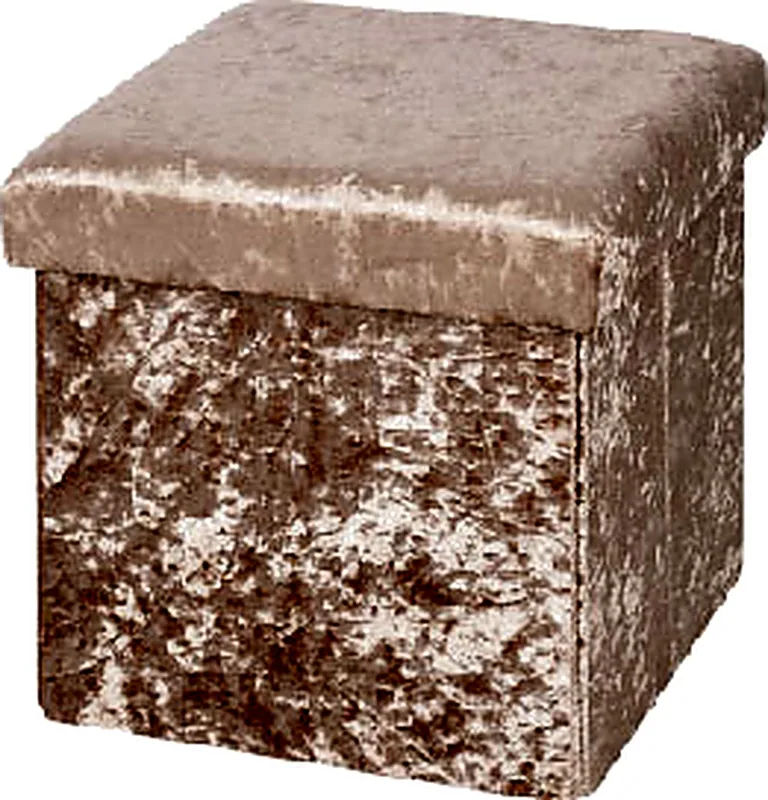
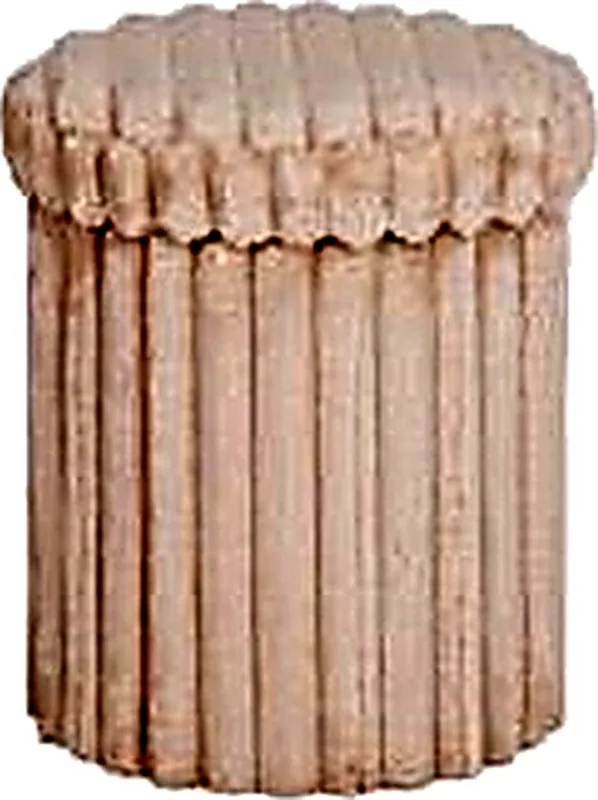
| Folding Storage Ottomans – Velvet & Cord (TVD-2963) | Velvet, chenille, corduroy, sherpa covers; folds flat; lid lifts | Fabric labelling, textile label details, hinge |
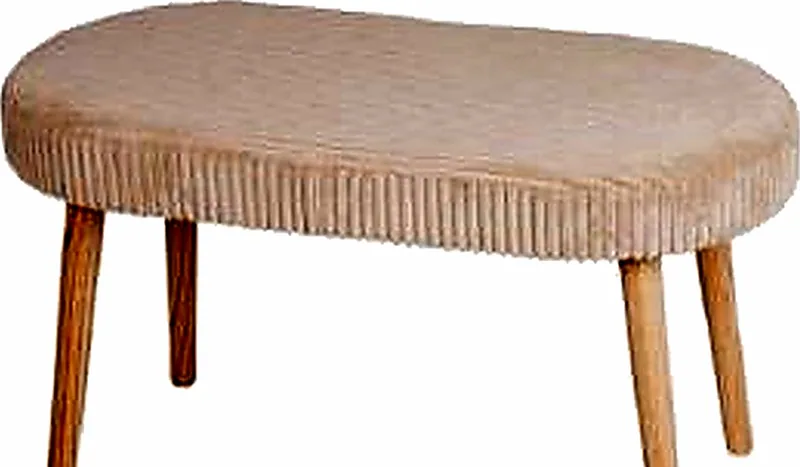
| Fur Bench Ottomans with Wood Legs (TVD-2964) | Striped fur or corduroy top; wooden legs; 120 kg max load | Fibre content of the top, coating on the legs |
| Teddy & Fur Folding Ottoman Cubes (TVD-2965) | Eight styles; check, stripe, fur and velvet covers | Fibre content per style, Quebec label |
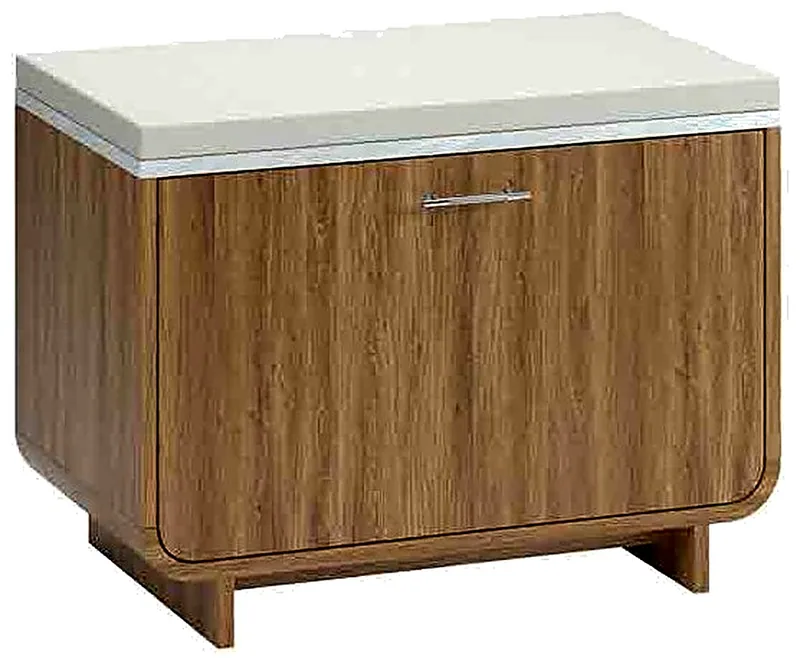
| Storage Bench with Lift Door (TVD-5586) | Padded cream top; walnut-look front panel | French-language label, composite wood on the panel |
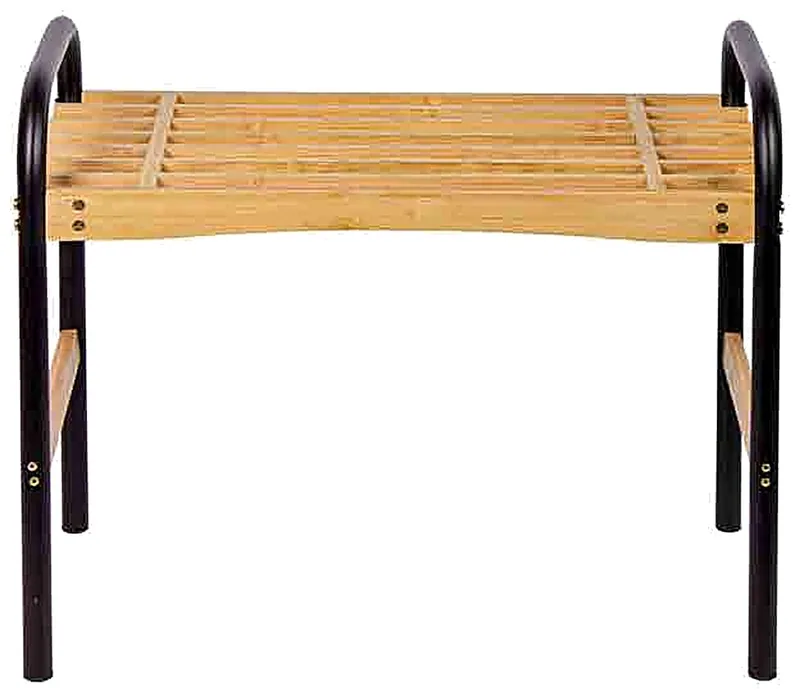
| Bamboo Shoe Bench (TVD-5629) | Bamboo slat seat; black metal legs | Coating and bamboo finish; padding only if added |
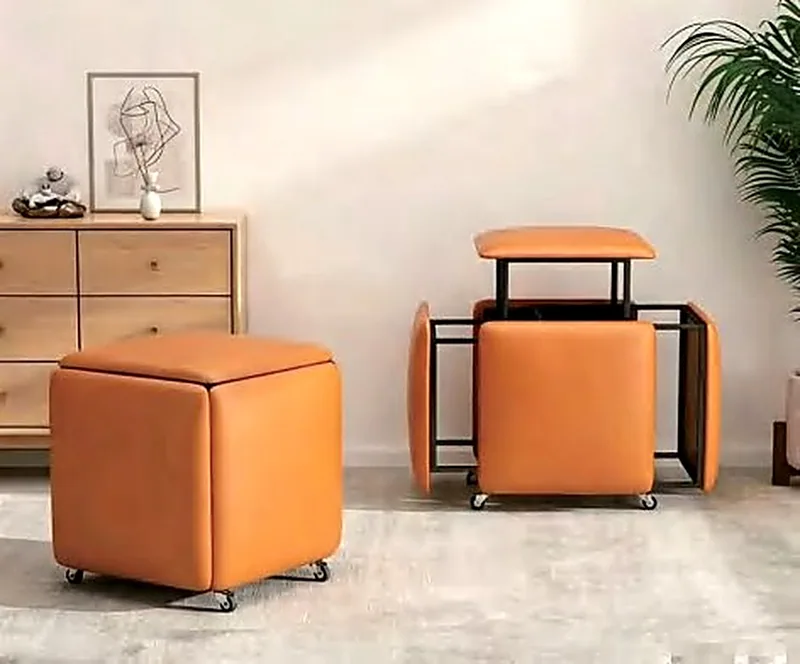
| Five-in-One Cube Stool Set (TVD-6367) | Five upholstered stools nest into one cube | French label per stool, fabric labelling |
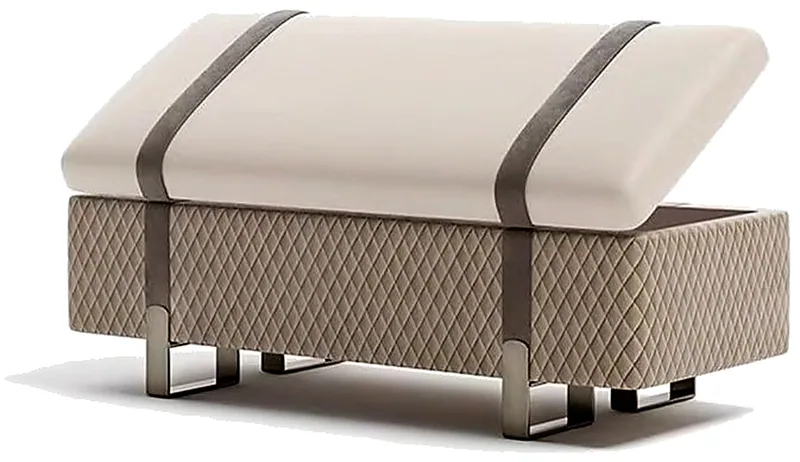
| Lift-Lid Storage Bed-End Bench – Taupe (TVD-10168) | Upholstered top; metal legs | Fibre-content label, flammability report |
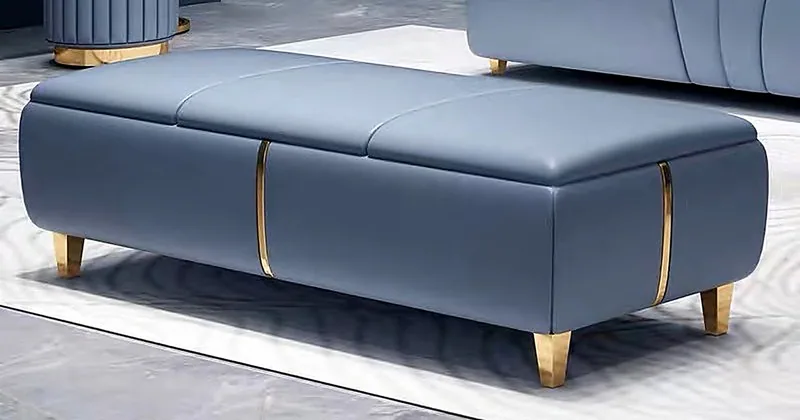
| Gold-Leg Upholstered Bed-End Bench – Blue (TVD-10169) | Upholstered top; metal legs | As above, plus the leg finish |
Quebec: French-language labelling
The strongest dividing line in this line is Quebec. Quebec repealed its regulation on stuffing and upholstered and stuffed articles in December 2021, so articles such as sofas, upholstered chairs and beds, mattresses, pillows and cushions no longer need a permit number and label there. A padded bench top, an upholstered stool or a stuffed fabric cube sits close to those examples. Ontario repealed its similar rule in 2019; check current rules elsewhere. If you resell in Quebec, tell us on the quote request and we confirm the French and fibre-content labelling for the models you choose. Products without any padding, such as a bamboo slat seat, are a different case, but a loose cushion added to them is not.
Fabric and covers: Textile Labelling Act
Cushions and other consumer textile articles need fibre-content and dealer identity labelling under the Textile Labelling Act. The ottomans with velvet, chenille, corduroy, sherpa or fur covers are the clear candidates because the cover is the product. When the same model comes in several fabrics, the label can differ by fabric, so ask for fibre content per cover, not per model. The eight-style cube is the case where a single order can contain several labels.
Contract buyers: flammability reports
Hotels, schools, theatres and offices frequently write a flammability test report into the tender for upholstered pieces; California TB117-2013 is a common example. That is a buyer specification, not federal law, so read what your tender says and quote the exact wording to us. The bed-end benches and the five-stool set are the models most likely to land in a contract specification.
Wood-look parts and legs
Several models use wood-look or wooden parts, such as the walnut-look front panel and the wooden legs. If any panel is plywood, MDF, particleboard or another laminated board, Canada's formaldehyde emission rules apply: the panel must meet the limits, be certified by an approved third-party certifier and be labelled. Ask for the TSCA Title VI or Canadian compliance certificate. Painted or lacquered legs and panels fall under the Surface Coating Materials Regulations, which limit lead (90 mg/kg) and mercury.
Leather, reclining and anti-dumping duty
Certain upholstered domestic seating from China, specifically leather or motion and reclining types, can attract very high anti-dumping and countervailing duty, often more than the value of the goods. Fabric-only stationary seating is excluded. The line also contains stools described as leather, such as the Hourglass Leather Stool – Beige (TVD-9517) and the Round Leather Stool – Orange and White (TVD-9518). Whether a given stool is caught depends on the exact product and origin, so our customs broker confirms classification before we quote a delivered cost, and we may source from another origin.
Documents to request
| Document | Why | Who issues it |
|---|---|---|
| Textile Labelling Act label confirmation | Required on upholstered and padded articles sold in Canada | Manufacturer or labeller, confirmed by us |
| Fibre-content statement per cover | Textile Labelling Act labelling | Factory |
| Flammability test report | Contract tenders often name one | Accredited test laboratory |
| Composite wood certificate | Panels and wood-look parts | Approved third-party certifier |
| Coating test report | Lead and mercury limits | Accredited laboratory |
| Load test report | Support for the stated load, for instance 120 kg on TVD-2964 | Factory or laboratory |
| French instructions and warranty text | Quebec language requirements | Factory, to our wording |
Electrical, glass and CE
None of the listed features for these eight products shows a powered or glass part. If a version you order includes something plugged in, such as an LED light, a Canadian electrical mark from a certification body accredited by the Standards Council of Canada is required; our guide to CSA, cUL and cETL marks explains the difference between a Canadian mark and a US-only one. A CE mark is not accepted in Canada as proof of compliance for consumer products.
What happens when documents are missing
A Quebec retailer can refuse stock whose labels are not in French. A hotel purchasing department can reject a delivery that arrives without the flammability report named in the tender. Customs can hold goods whose classification is wrong. A missing document is easiest to fix before the deposit, which is why we put them on the quote.
How we handle it
Send quantities, destination and any tender wording through the quote request. We confirm certification status, the document set and the delivered cost in writing; payment is 30% deposit and 70% before release (see how ordering works). The sales tax guide and landed cost calculator help you plan the rest. For the fabric-focused companion, read our guide to padded storage benches with fabric parts; for single products, see the velvet and cord ottoman guide, the bamboo shoe bench guide, the five-in-one stool set guide and the bed-end bench comparison. Also see the wholesale guide and the Canadian furniture delivery page.