Certification guide ·
Importing Hotel Pillows into Canada: Labelling, French Requirements and Tender Documents
A pillow is not an electrical product, so there is no CSA mark to look for. What a Canadian buyer needs is the right label, French wording where Quebec applies, and the right test reports when a hotel tender asks for them.
Buyers who search for "certification" on hotel pillows are often looking for a single mark. For pillows there is no such mark in the way there is for a light fixture or a fryer. The requirements are a set of labelling duties, French-language documents for sales in Quebec, and, for contract buyers, the documents a tender or brand standard names. This guide goes through them for five pillows in our line and shows where the rules differ between them. None of the five has a certification on file, and we do not imply otherwise.
The five pillows and what sets each apart
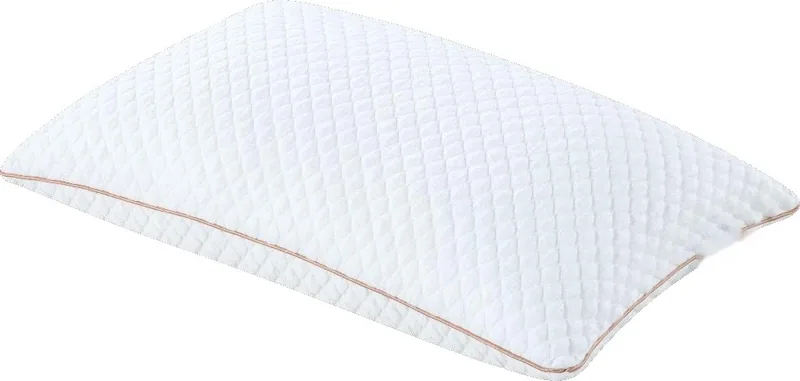
- Cooling Quilted Memory Foam Pillow (TVD-6264): quilted memory foam core with an ice-cooling fabric. A fabric-performance claim needs a test report behind it.
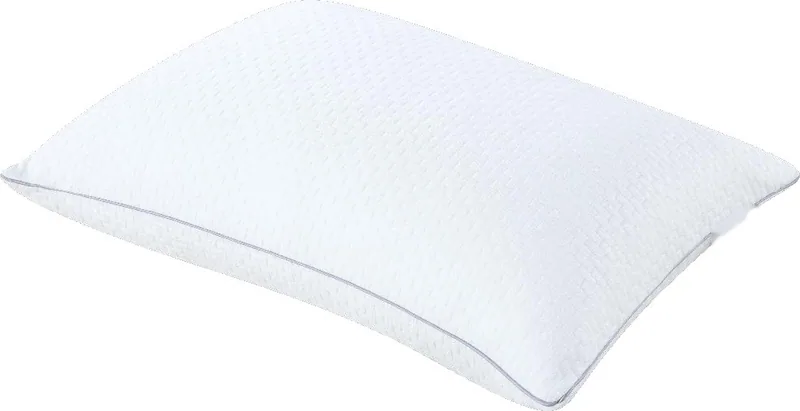
- Fibre-Top Memory Foam Pillow (TVD-6267): memory foam core with a polyester fibre top layer and a white brushed cover. The cover and the fibre layer are both textiles to label.
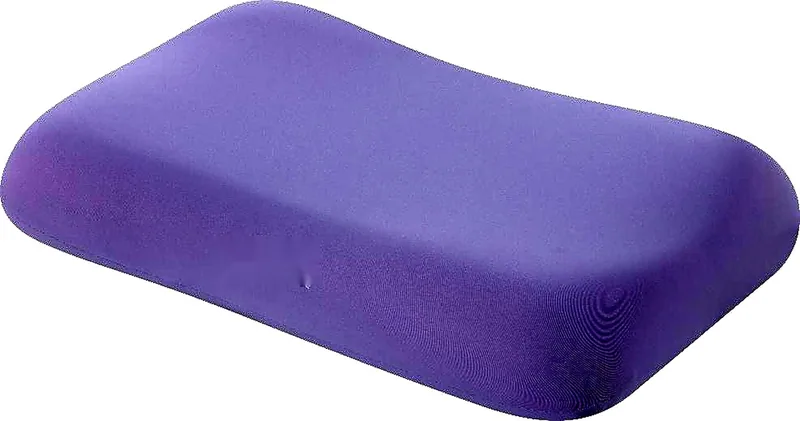
- Wave Memory Foam Pillow (TVD-6270): wave-profile foam, cooling nylon-spandex fabric, purple and blue covers. Cover fibre content is the focus here.
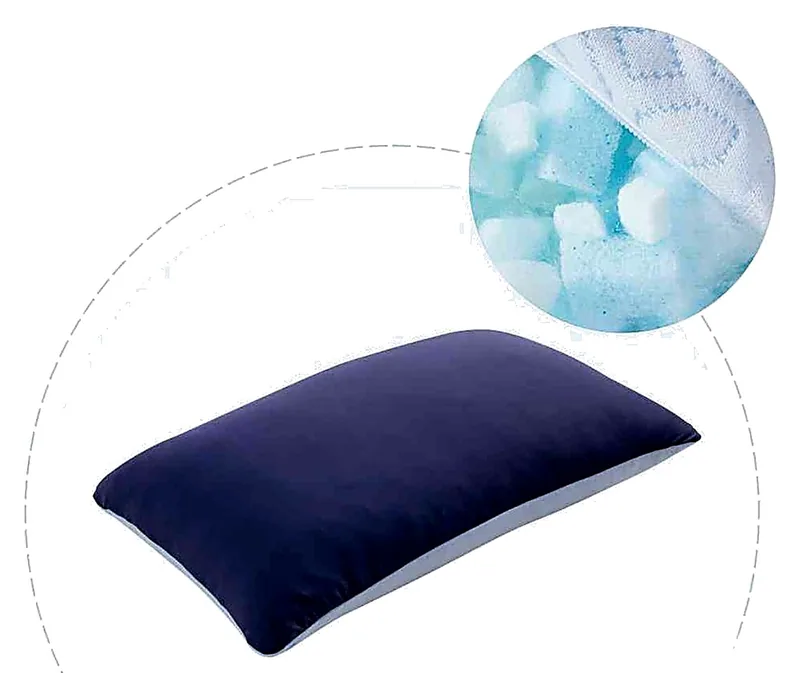
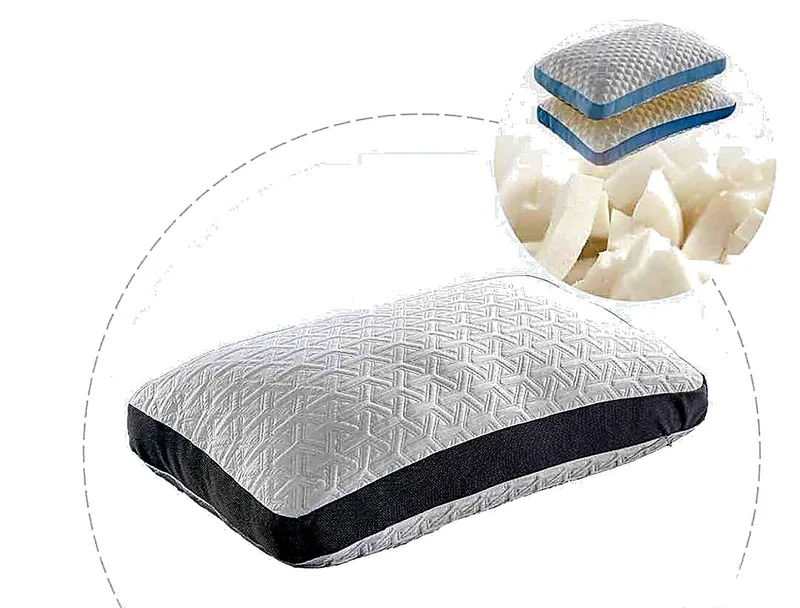
- Cooling Shredded Memory Foam Pillow (TVD-4362): 70 x 45 cm, memory foam with polyester fibre, navy cool fabric cover. A blended fill means two fill materials to declare.
- Shredded Foam Pillow – Cool Fabric (TVD-4369): 70 x 40 x 14 cm, cool fabric, shredded foam, one pillow per bag. Sold bagged, so the retail packaging rules matter.
Rule 1: textile labelling
The Textile Labelling Act covers consumer textile articles such as bedding, pillows and cushions. A consumer pillow needs fibre-content and dealer-identity labelling. For the pillows above, that means declaring the cover fibre (for example the nylon-spandex fabric on TVD-6270) and, where the fill is a textile fibre, the fill as well. Our listings give broad descriptions only, so the exact fibre percentages are confirmed on your written quote, and the label text is agreed before production.
Rule 2: bilingual packaging
Prepackaged consumer products need bilingual (English and French) product identity and net quantity, plus the dealer's name and place of business, under the Consumer Packaging and Labelling Act. A pillow sold in a bag, like TVD-4369, falls under this. A pillow sold loose to a hotel for internal use is a different case, but if you intend to resell, plan the label from the start.
Rule 3: Quebec no longer has a stuffing permit
Quebec's old stuffing law, which once called for a permit number and label on padded and upholstered goods, was repealed in December 2021. Today the federal Textile Labelling Act (fibre content and dealer identity) and the CCPSA are the rules to plan around. Combine this with the Charter of the French language: labels, instructions and warranty documents sold in Quebec must be available in French. If you sell in Quebec, tell us on the quote request so the French labelling and fibre-content labels are part of the order.
Rule 4: mattress rules and why they matter
The Mattresses Regulations under the Canada Consumer Product Safety Act require mattresses to pass a cigarette smoulder resistance test. A pillow is not a mattress, so that test is not a pillow requirement; the point for a buyer is that mattress toppers and mattress-like products are treated differently, which is why our toppers have their own guidance. Separately, certain mattresses from some origins attract anti-dumping and countervailing duty, which is very high, often more than the value of the goods. If you also order toppers from our line, we check duty status with our customs broker before we quote.
Rule 5: tender and brand-standard documents
Hotel chains, hospitals and public buyers often write flammability test reports into a tender, naming the standard they want, for example California TB117-2013 for upholstery. These are buyer specifications, not federal law. For a pillow, the report that a tender might ask for varies, so read the tender wording and send it to us. We tell you before ordering whether a report exists or can be obtained. Fire officials may also ask about fabrics in public buildings. Treat these as questions to settle at the quote stage.
Document checklist
| Document or step | Why you need it | Who issues it |
|---|---|---|
| Fibre-content declaration for cover and fill | Textile Labelling Act label | Factory, confirmed on the quote |
| Bilingual label proof | Retail packaging and Quebec buyers | Us with the factory, approved by you |
| Fibre-content and dealer label | Sale of pillows and other consumer textile articles in Canada | The dealer or supplier; we confirm who is named |
| Flammability or fabric test report | Tender or brand standard, if asked | Test laboratory, via the factory |
| Test report behind any cooling claim | Marketing accuracy | Factory or laboratory |
| Customs classification | Duty and tax on landed cost | Our customs broker |
What happens if a document is missing
A retailer may refuse to list a pillow without a compliant label. An inspector or retailer can find a missing fibre-content label on a stuffed textile article. A tender can disqualify a bid without the named report. And an importer can face a recall under the Canada Consumer Product Safety Act if a consumer product is found to be dangerous. These are all avoidable by settling documents before the deposit.
How we handle it
We confirm certification status, labels and documents on the written quote, before you order. Our broker confirms tariff classification for the landed cost. For the Canadian side of the electrical marks you may see on other products, read CSA, cUL and cETL marks explained; they do not apply to these pillows. Product-level guides cover the same ground for one pillow at a time: the cooling pillow collection, the fibre-top pillow guide and the shredded foam pillow guide. Rules change, so confirm with the authority, your inspector or your customs broker. This is not legal advice. Start with the quote page, or see how ordering works and the pillows, toppers and bedding line.