Certification guide ·
Slim Bathroom Tower – Cream (TVD-5589): Composite Wood, Coatings and Labels for Canada
Cream and wood-look finishes usually sit on board, and board is where Canada's composite wood rules begin. Here is the evidence file to ask for.
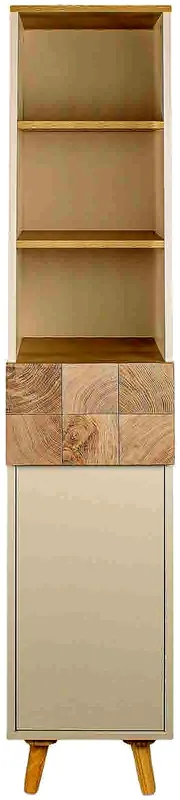
The Slim Bathroom Tower – Cream (TVD-5589) is a tall, narrow storage unit with open shelves above and a cabinet below, finished in cream and wood-look. This post covers the compliance side of buying it for Canada. Its main compliance question is simple to state and easy to miss: cream and wood-look finishes usually sit on board, and board is where Canada's composite wood rules start. For specifications and ordering, see the TVD-5589 buying guide.
Is a mark on file?
No certification mark is on file for TVD-5589, and we do not describe it as certified, listed or approved. For a plain furniture tower that is normal, because there is no electrical or gas mark involved. What a buyer needs is evidence about its panels, its finish and its labelling. We confirm certification status and supply the documents with the quote before you order.
The rule that matters most: composite wood
Canada's Formaldehyde Emissions from Composite Wood Products Regulations, in force since 2023, apply to hardwood plywood, particleboard, MDF and laminated products. They require the product to meet emission limits, to be certified by an approved third-party certifier and to be labelled. This also reaches furniture made from these panels. A slim tower with shelves and a cabinet is the kind of product where a carcass of MDF or particleboard with a laminate or painted finish is a common construction, and the wood-look finish points the same way. Our product listing does not state the board type, so write the question into your order: which panels are used for the sides, shelves, back and doors, and which certificate covers each. The certificate to request is the TSCA Title VI or Canadian compliance certificate, which are aligned.
If the tower turns out to be solid wood or solid bamboo, the rule would not apply to those parts, which is why we confirm construction per code.
Coatings and the cream finish
Under the Surface Coating Materials Regulations, paints and coatings on furniture are limited in lead (90 mg/kg) and mercury. A cream painted door or a printed wood-look surface with a topcoat falls within the idea of a coating on furniture, so request a coating test report for both finishes. If the tower is sold into a children's bathroom or a daycare, the children's furniture and lead rules also apply.
Other rules to keep in mind
- General safety. The Canada Consumer Product Safety Act prohibits consumer products that are a danger to health or safety, requires incident reporting and allows recalls. A tall narrow unit is a tip-over risk, so confirm that anchoring hardware and instructions are supplied.
- Quebec. Labels, instructions, manuals and warranty documents must be available in French, with French at least as prominent. Quebec retailers will ask.
- Upholstery and padding. None shown in the listing. If a padded seat or cushion is added, fibre-content labelling under the Textile Labelling Act would apply, since Quebec no longer has a permit rule of its own for stuffed articles.
- Electrical. None shown. A mirror light, outlet or heater built in would need a Canadian mark from an accredited body or a field evaluation label; see CSA, cUL and cETL marks explained.
Document checklist
| Document | Why you need it | Who issues it |
|---|---|---|
| Board construction declaration | Shows whether the carcass or shelves are MDF, particleboard, plywood or laminated panel | Factory, confirmed on our written quote |
| Formaldehyde compliance certificate (TSCA Title VI / Canadian compliance) | Evidence that composite wood parts meet emission limits and are certified | Approved third-party certifier, via the factory |
| Composite wood label check | Panels and finished products must be labelled | Factory and us, checked before production |
| Lead and mercury coating test report | Cream paint and wood-look finishes are coatings on furniture | Testing laboratory, via the factory |
| French labels, assembly sheet and warranty | Quebec requirement under the Charter of the French language | Factory or us |
| Customs classification confirmation | Duty and taxes depend on HS code and origin | Our customs broker, before delivered cost is quoted |
What happens if a document is missing
A distributor or retailer may refuse to stock a product with no formaldehyde certificate. A hotel or condo developer may reject a delivery that does not match the specification. If a product is found to be a hazard, the CCPSA allows recalls. Without a certificate or label, a shipment can also sit in a warehouse while you chase the factory, so the time to raise it is before the order.
Provincial differences
The federal rules apply in every province, and Quebec adds the French-language requirements; its old stuffing permit rule was repealed. Property managers, condo boards and landlords may add their own wall-fixing or fire-related requirements for bathrooms. Check what yours asks. Rules change, so confirm with the authority, your inspector or customs broker; this is not legal advice.
How we handle it
We confirm the construction of the tower on the quote, request the certificates and test reports from the factory and have our customs broker confirm classification before we state a delivered cost. Samples are available on most items, payment is 30% deposit and 70% before release and delivery goes to site, store or warehouse across Canada. For the whole line, see the compliance and import guide for bathroom storage furniture; for pricing, send a quote request or read how ordering works.