Certification guide ·
Wardrobes and Display Cabinets in Canada: What Rules Apply Before You Import
Glass-door display cabinets, steel lockers and wood-based wardrobes face different Canadian rules. This guide sorts the topics by product type and shows which documents to ask for before you order.
Why one furniture line needs several checks
Our wardrobes and display cabinets line mixes materials. The glass-door steel cabinets are one kind of product, the steel lockers another, and the painted wardrobes with drawers a third. None of them is a powered product, so electrical marks do not come into play unless you add lighting; if you do, note that the European CE mark is not accepted in Canada as proof of compliance, and the fixture needs a Canadian mark from an accredited body. Instead, the questions are about coatings, panel materials, children's use, glass and labelling. No certificate or test report is on file for any product in this line today, so nothing here is described as certified or approved. We confirm certification status and supply documents with each quote before you order.
Rule map by product type
| Product type | Examples | Main checks |
|---|---|---|
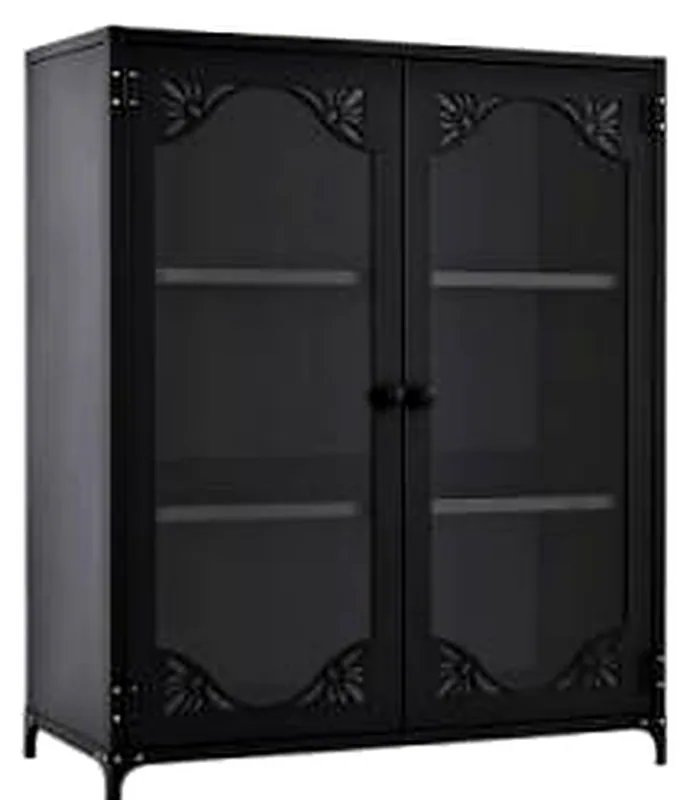
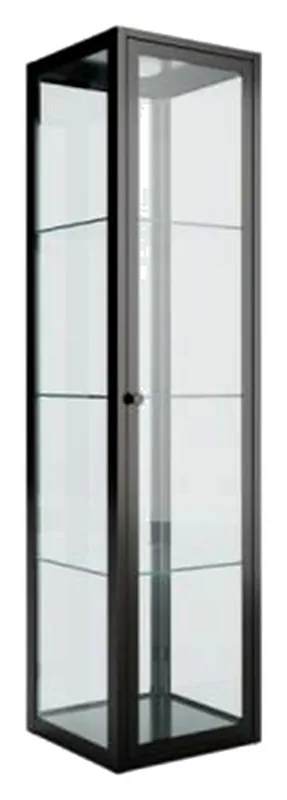
| Glass-door steel cabinets | TVD-6401 ornate cabinet, TVD-6403 slim glass tower | Glass type, shelf load, coating limits, French documents for Quebec |
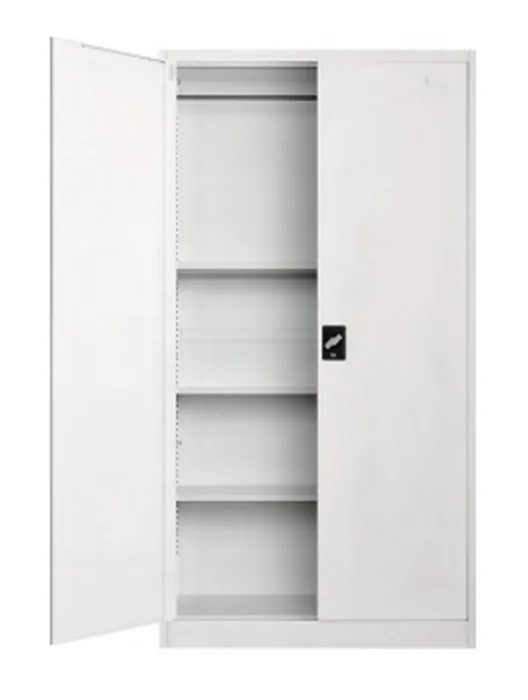
| Steel lockers and cabinets | TVD-9237 lockable steel cabinet, TVD-9256 single-door wardrobe locker | Coating limits; children's rules if used in schools or daycares |
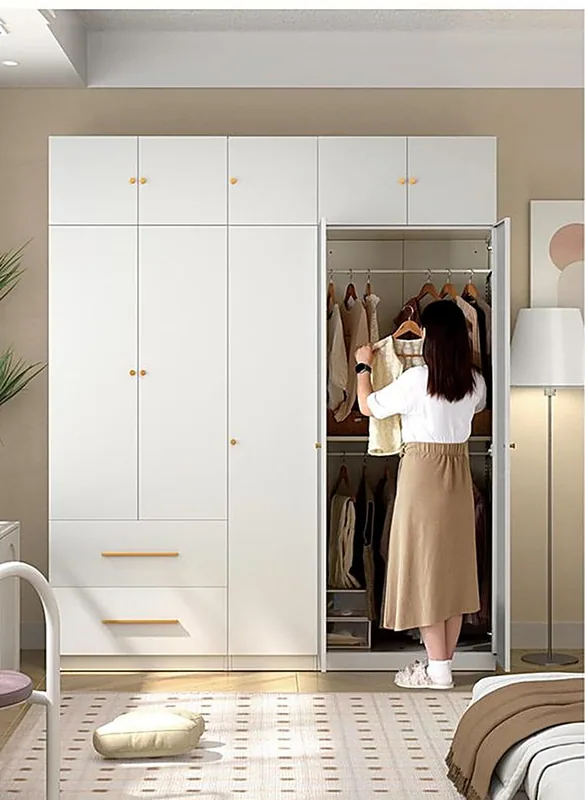
| Wood-based wardrobes | TVD-6411 white wardrobe with drawers | Composite wood formaldehyde rules, coatings, French documents |
| Children's wardrobes | TVD-6412 kids wardrobe | Coating limits and lead rules for children's products; phthalates in soft vinyl parts |
Glass doors and shelves
Canada's consumer product law, the Canada Consumer Product Safety Act, prohibits products that are a danger to human health or safety, requires incident reporting and allows recalls. For a glass-door cabinet, the practical question is whether the glass is tempered and how it is held. Ask for the glass type, how the shelves are supported and the load per shelf. Hotels, hospitals and schools often have their own specification for glazing near public areas, so read the tender or the owner's standards. We do not quote a glass standard here: the buyer, the designer or the insurer sets it, and we confirm what the factory can document.
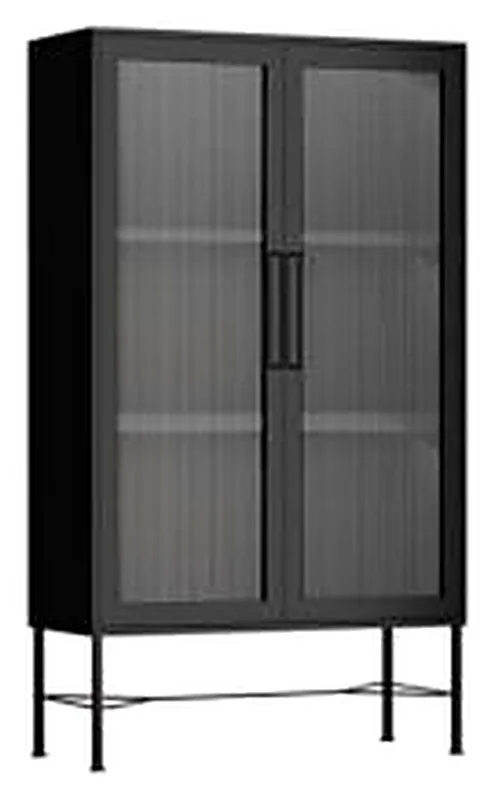
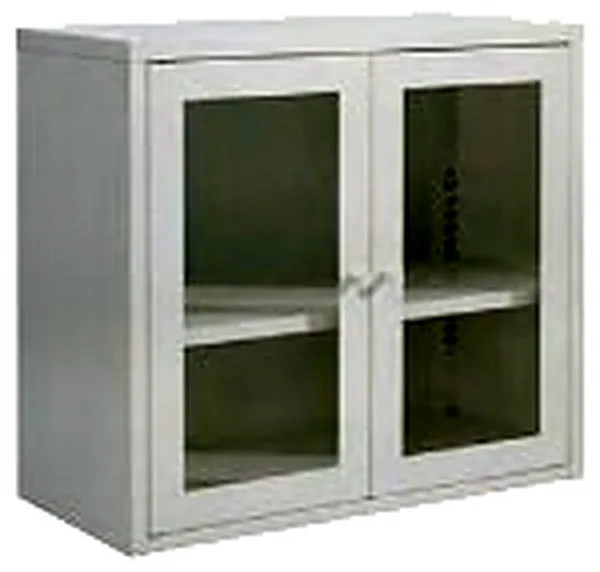
Cabinets such as the Fluted Glass Steel Cabinet (TVD-6402) with its ribbed glass double doors and the Glass-Door Top Cabinet for Bookcase (TVD-9235) with glass doors and one adjustable shelf should be checked the same way. Also check wall-fixing hardware, because a tall cabinet that is not anchored is a safety problem for staff and customers.
Steel finishes and coating limits
Black steel frames and white powder-coated steel are surface coatings. The Surface Coating Materials Regulations under the CCPSA set limits on lead (90 mg/kg) and mercury in paints and coatings on furniture and on children's products. Ask the factory for a coating test report, and confirm which colours it covers, because a pink or mint locker can use different pigments from a black cabinet. The steel mini lockers and slim gap cabinets in this line come in several colours, so ask for the report to name each colour you order.
Wood-based wardrobes: composite wood
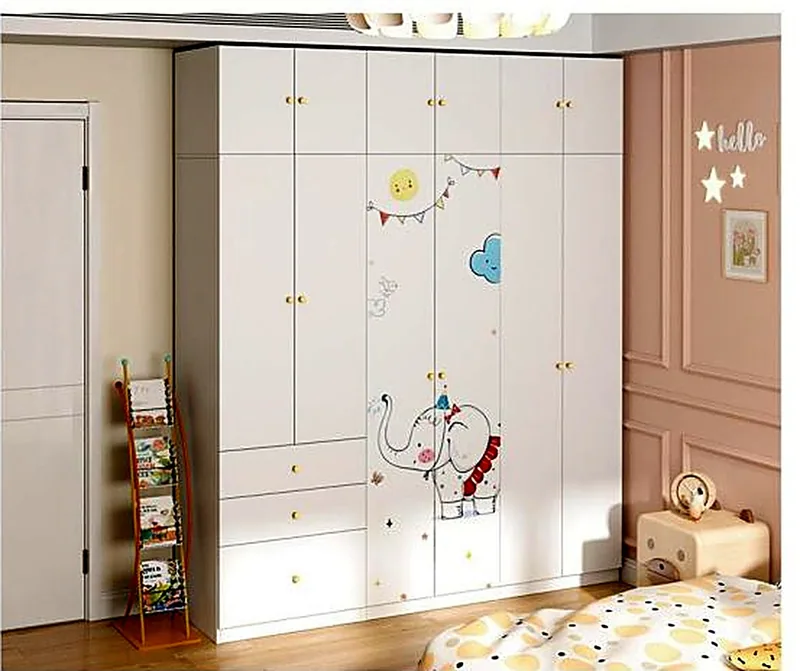
If a wardrobe body is made from hardwood plywood, particleboard, MDF or laminated panels, Canada's composite wood formaldehyde regulation applies: the panels must meet emission limits, be certified by an approved third-party certifier and be labelled. The same rule matters for furniture built from these panels. Ask for the TSCA Title VI or Canadian compliance certificate for the board. For the White Wardrobe with Drawers (TVD-6411), with hinged doors, top cabinets, lower drawer units, gold knobs and adjustable shelves, this question belongs at the head of your checklist. Steel items do not raise it, but a wood-tone back on a steel cabinet might, so ask.
Children's furniture
When a wardrobe is for children, the coating limits above apply, the lead rules for children's products apply, and phthalate limits apply to soft vinyl in childcare articles. The Kids Wardrobe – Illustrated Doors (TVD-6412) has printed elephant doors, drawer units, top cabinets and gold knobs, so its printed surface, its pulls and any soft parts all need documents. We do not supply cribs, cradles or bassinets through this site.
Quebec and the language rules
In Quebec, the Charter of the French language requires labels, instructions, manuals and warranty documents to be available in French. Retailers in the province will ask for this. Quebec's stuffing rule was repealed in 2021 and never applied to these steel and wood products; the Textile Labelling Act would apply to any upholstered or stuffed part, so tell us if a cabinet or wardrobe in your order has padding. Consumer products sold prepackaged also need bilingual English and French identity and net quantity labelling under the Consumer Packaging and Labelling Act, plus the dealer's name and place of business.
Documents to request
| Document | Why it matters | Who issues it |
|---|---|---|
| Coating test report for lead and mercury | Shows the finish meets the Canadian limits | Test laboratory via the factory |
| Composite wood certificate and board label | Needed for wood-based wardrobes | Approved third-party certifier |
| Glass specification | Confirms glass type and thickness for public areas | Factory, confirmed on our quote |
| Shelf and load information | Prevents overloaded shelves and damage claims | Factory |
| French instructions and warranty | Required for Quebec delivery | Prepared with the order |
| Customs classification | Drives duty and the delivered cost | Our customs broker, confirmed before we quote |
What happens if a document is missing
A missing document does not usually stop the container, but it can stop the sale. A store may refuse to list the item, a facility manager may reject the delivery, and an incident involving a product that is a danger to safety can lead to a recall. For furniture there is no electrical inspector to refuse the goods, but your landlord, franchisor or insurer can. Rules change, so confirm with your provincial authority, your inspector or your customs broker. This is general information, not legal advice.
For the electrical marks that apply if you add lighting to a cabinet, see CSA, cUL and cETL marks explained.
How we handle it
We confirm certification status and documents on the written quote, check the tariff classification with our customs broker, and tell you where an item is not suited to your use. Orders follow our standard process: written quote, samples on most items, 30% deposit and 70% before release. Use the sales tax guide to plan provincial taxes and the quote form to begin.