Certification guide ·
Auditorium Seating Certification in Canada: Composite Wood and Upholstered Seats (TVD-4258, 4265, 4271, 4272)
Wood-style frames, veneered backs and fabric seats raise different Canadian questions. This guide sets out the documents to request, who issues them and how we confirm them before you order.
Four seats, three regulatory questions
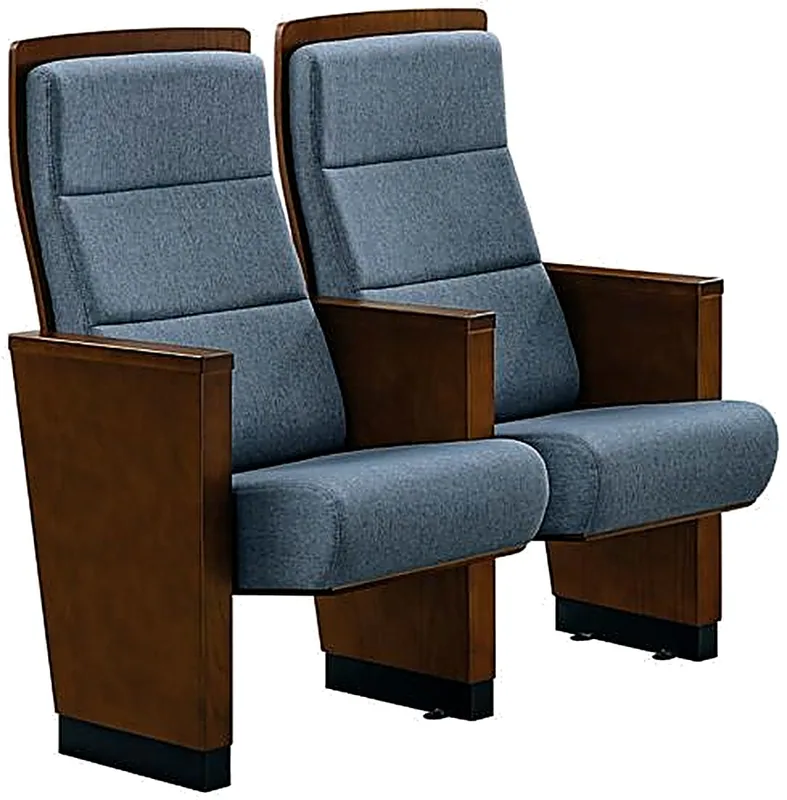
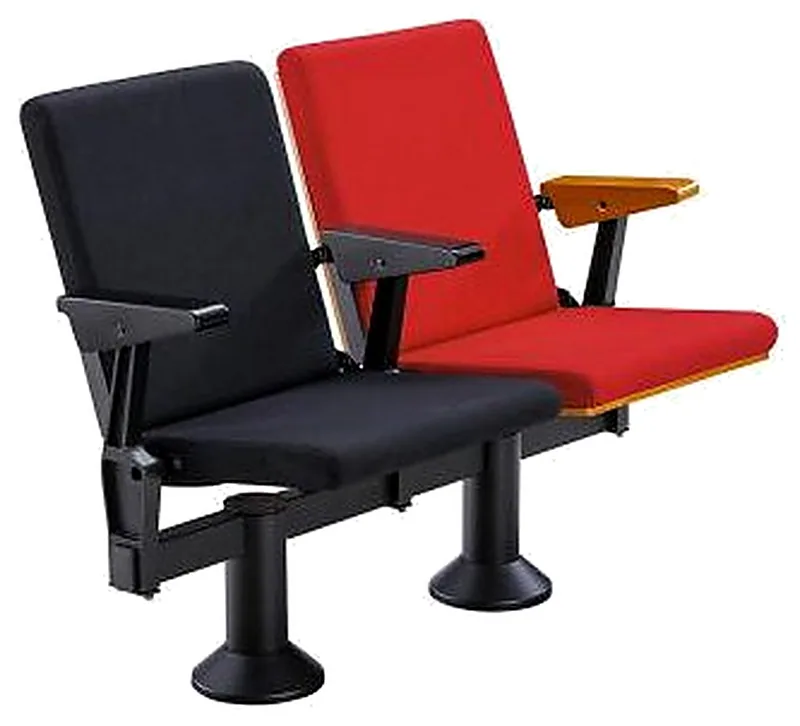
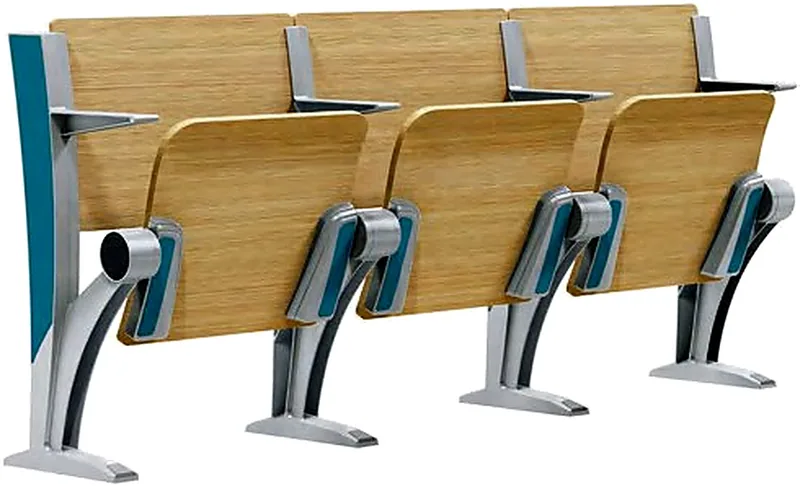
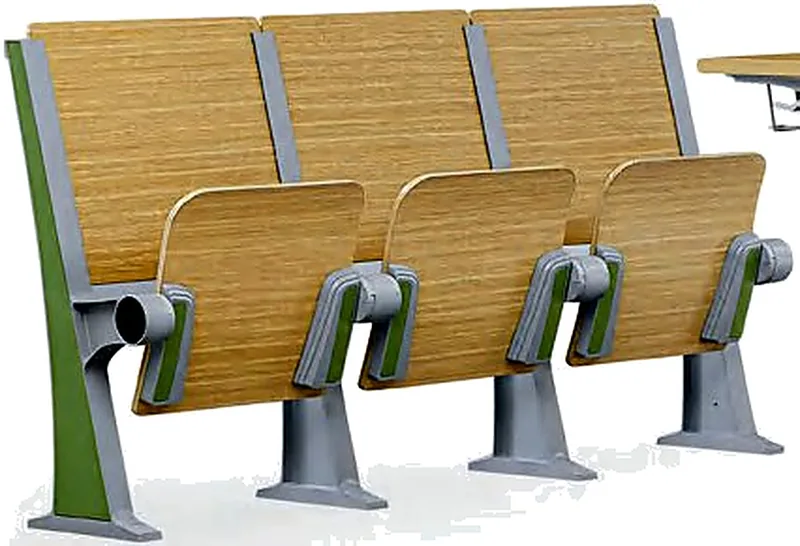
This guide covers four items in the auditorium and lecture line that combine fabric with wood-style parts: Auditorium Seat – Wood Frame (TVD-4258), Auditorium Seat – Two-Tone Floor Mount (TVD-4265), Tiered Lecture Seating – Teal Frame (TVD-4271) and Tiered Lecture Seating – Green Frame (TVD-4272). To state it plainly: no certification mark is on file for any of them. We do not imply that they are certified, listed or approved. What a Canadian buyer needs is a set of documents tied to the materials in each seat, and we confirm certification status and supply those documents with your quote before you order.
What each seat brings to the rule book
| Seat | Wood-style part | Upholstered part | Other point to plan |
|---|---|---|---|
| TVD-4258 Wood Frame | Solid wood-look side frames, perforated wood side panel option | Fabric seat and back | Frame material to be confirmed |
| TVD-4265 Two-Tone Floor Mount | Wood-look armrest | Black and red fabric options | Single pedestal floor mount |
| TVD-4271 Teal Frame | Wood-veneer back and seat, teal side panel | If a padded or fabric surface is added | 3-seat connected units, fold-up seat |
| TVD-4272 Green Frame | Wood-veneer back and seat, green side panel | If a padded or fabric surface is added | 3-seat connected units, fold-up seat |
The two tiered units are described by veneer on the back and seat rather than fabric, so whether any upholstery rules apply to them depends on the version you order. If it comes with padding or fabric, the upholstery rules below apply as well.
Composite wood: formaldehyde rules
Hardwood plywood, particleboard, MDF and laminated products must meet the emission limits in Canada's Formaldehyde Emissions from Composite Wood Products Regulations, which have applied since 2023. The panels must come from an approved third-party certifier and must be labelled. The same rules matter for furniture made from those panels. For a veneered back and seat, as on the tiered units, the veneer sits over a core, and it is the core that decides whether a certificate is needed. Ask for the TSCA Title VI or Canadian compliance certificate; the two are aligned. A wood-look armrest, as on the two-tone seat, may be a composite or a moulded plastic; this is confirmed on the quote.
Coatings and children's areas
The Surface Coating Materials Regulations under the Canada Consumer Product Safety Act limit lead to 90 mg/kg and set limits for mercury in paints and coatings on furniture and children's products. The teal and green side panels on the tiered units and the red and black finishes on the floor-mount seat are coated or dyed surfaces. If the room is a school or daycare auditorium, ask for a coating test report. The lead rules for products for young children and, for soft vinyl in childcare articles, phthalate limits, are further reasons to name your use on the enquiry.
Upholstery: buyer specifications and labelling
Contract and institutional buyers, such as school boards, theatres, hotels and offices, often write flammability test reports for upholstery into their specification; California TB117-2013 is one example, and some tenders name another standard. These are buyer specifications and not federal law, so read your tender. Separately, Quebec repealed its regulation on stuffing and upholstered and stuffed articles on 9 December 2021, so upholstered seating sold there needs no permit number or law label. Ontario had already repealed its similar rule in 2019. A CE mark does not replace any of this in Canada. Our upholstered auditorium seating guide covers products without wood parts.
Document checklist
| Document | Why you ask for it | Who issues it |
|---|---|---|
| Composite wood compliance certificate (TSCA Title VI or Canadian) | Shows panel emissions meet the limits and are third-party certified | Approved certifier through the factory |
| Coating test report for lead | Shows furniture coatings stay within the lead limit | Accredited test laboratory |
| Flammability test report for the upholstery | Satisfies a tender that names a flammability standard | Test laboratory, via the factory |
| Product safety statement | The CCPSA general prohibition applies to consumer products sold in Canada | Factory, checked by us |
| Fabric content and dealer identity label | Textile labelling where the article is a consumer textile | Dealer and supplier |
| Fixing and layout drawing | Lets the authority review aisles and anchoring | Your designer or the project architect |
Fire code and fixed seating
Auditoriums and theatres are assembly occupancies. Layout, aisle widths and anchoring follow the provincial building and fire codes and are checked by the authority, so the designer or fire official confirms the requirements. The connected three-seat tiered units and the floor-mounted pedestal seat are both fixed-layout products, and their anchoring details are confirmed on the quote. Electrical items are not part of these seats as listed; if you add lit aisle markers, power outlets or reading lights, those parts need their own Canadian electrical certification from a body accredited by the Standards Council of Canada (see CSA, cUL and cETL marks explained).
What happens if a document is missing
An inspector or fire official can refuse an installation they cannot verify, and a tender evaluator can mark a bid non-compliant. A school board or insurer may question seating that arrives without evidence on its coatings or panels, and a retailer in Quebec will ask for French labels and documents. Chasing a certificate after the container lands is slower and dearer than requiring it before you order, which is why we ask for it up front.
How we handle it
For every quote we confirm certification status for the exact version you order, request the documents above from the factory and list what is and is not available. Where a project needs a specific flammability report that the factory cannot supply, we say so before you commit. We also confirm tariff classification and origin with our customs broker before quoting a delivered cost; some upholstered domestic seating from China, such as leather or motion seating, can attract very high anti-dumping and countervailing duty, and we may source from another origin. Provincial and federal rules change, so confirm with the authority, your inspector or a customs broker. This is not legal advice.
Individual guides
Read the individual guides for the wood frame seat, the two-tone floor mount seat and the teal and green tiered lecture seating. Send your drawing through the quote request; see how ordering works for the 30% deposit and 70% before release steps, and the line page for the other models. For taxes see the sales tax guide.