Certification guide ·
Auditorium and Lecture Seating in Canada: Fire Codes, Upholstery Rules and Documents to Collect
Fixed seats, tablet arms and tiered benches meet building codes, tender specifications and upholstery rules. Here is what a Canadian buyer should check before ordering.
Auditorium seating is bought by schools, churches, theatres and corporate training centres, and it is checked by people who do not deal in furniture every day: fire officials, building inspectors, tender evaluators and insurers. This guide covers the Canadian rules and documents that surround the auditorium and lecture seating line, with examples from the products in it. No certification mark or test report is on file with us today for any of these models, so we make no compliance claim. We confirm certification status and supply the documents with each quote, before you order.
Rule one: the room decides, not the chair
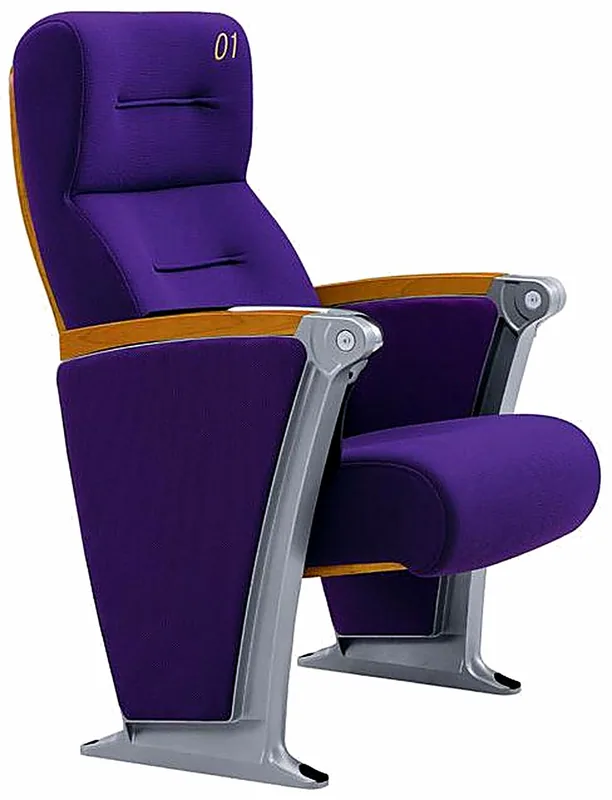
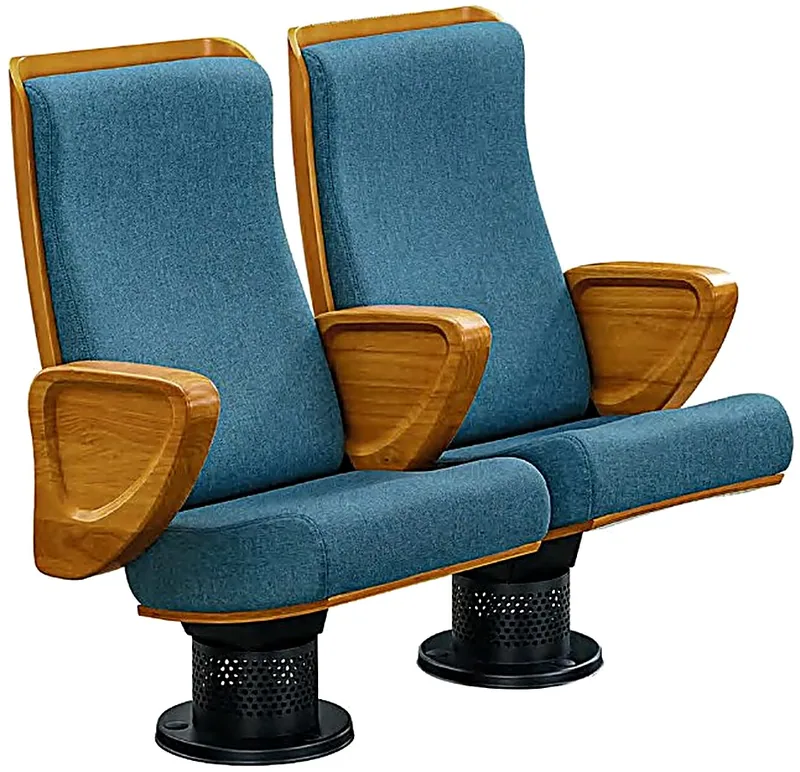
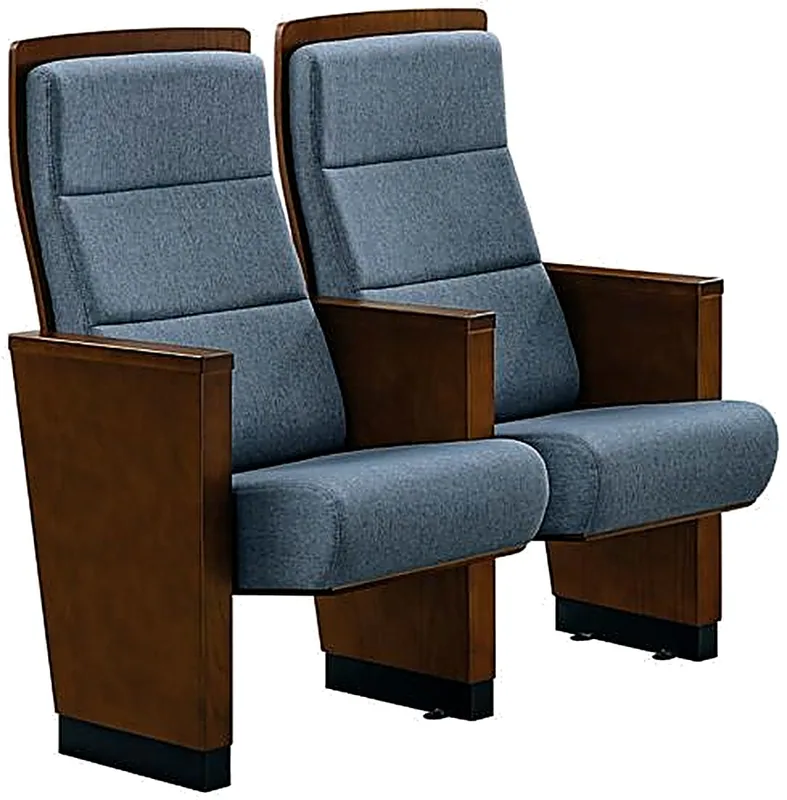
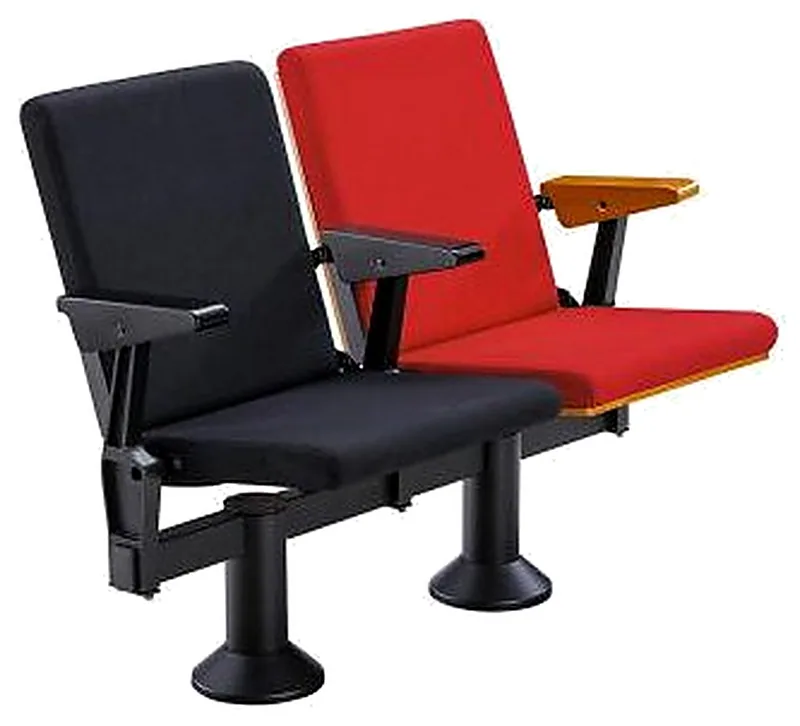
Fixed seating in an assembly occupancy, such as an auditorium or a theatre, follows the provincial building and fire codes. The seat layout, aisle widths and anchoring are checked by the authority having jurisdiction, and it is the designer or the fire official who confirms what applies to your room. A seat seller cannot sign that off. What we can do is give the designer what they need: centre-to-centre spacing options, the floor fixing method and the seat dimensions. Send us a room drawing with row lengths and floor slope, and ask for the fixing method in the quote, because a pedestal floor mount such as the one on the Auditorium Seat – Swivel Pedestal (TVD-4257) behaves differently from the cast metal legs on the Auditorium Seat – Contoured Fabric (TVD-4244).
Rule two: upholstery and what your tender says about it
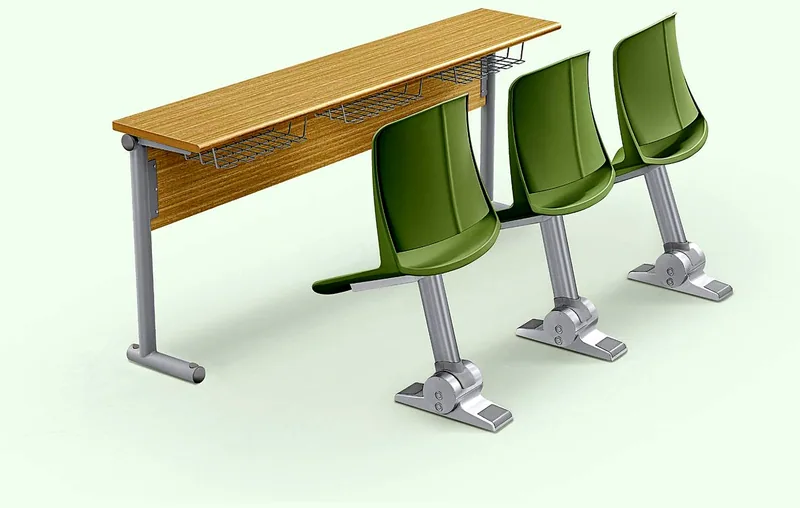
Contract and institutional buyers often write flammability test reports for upholstery into their tenders, for example California TB117-2013 or whichever standard the tender names. These are buyer specifications, not federal law, so the first job is to read the tender and ask the factory whether a test report exists for the fabric and foam of the exact version you will order. Most models in this line have fabric seats and backs, such as TVD-4244 and TVD-4248; lecture benches with moulded plastic seats, such as TVD-4266, are not upholstered and raise different questions about plastic type and finish.
Quebec repealed its regulation on stuffing and upholstered and stuffed articles on 9 December 2021, so no permit number or law label is needed on upholstered seating sold in the province. Upholstered auditorium seats are still subject to the Textile Labelling Act and the CCPSA, so confirm the labelling and French-language documents before you sell or install in Quebec. Ontario and Manitoba repealed their similar rules earlier, in 2019 and 2020.
Rule three: wood, coatings and textiles
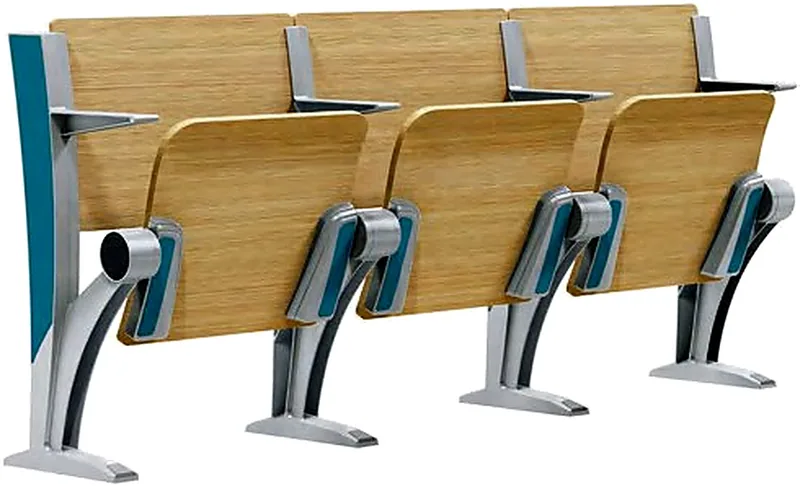
- Composite wood. Wood-faced backs, side panels and armrests, and wood-veneer tiered seating such as TVD-4271, may use plywood, MDF or particleboard. If so, the formaldehyde emission rules require approved third-party certification and labelling; ask for the TSCA Title VI or Canadian compliance certificate.
- Coatings. Paints and coatings on furniture, including powder-coated metal frames, must meet the Surface Coating Materials Regulations limits for lead (90 mg/kg) and mercury. Schools should ask for coating documents, because the limits also apply to children's products.
- Textiles. Upholstery fabrics sold as textile articles need fibre-content and dealer identity labelling under the Textile Labelling Act.
- Strength and testing. Office chairs are often specified to ANSI/BIFMA test reports, such as BIFMA X5.1. For fixed auditorium seating, ask which test report your tender or designer wants; we ask the factory what exists.
Rule four: duties on upholstered seating
Canada applies very high anti-dumping and countervailing duty, often more than the value of the goods, to certain upholstered domestic seating from China: leather seating, and seating with a motion or reclining mechanism. Fabric-only stationary seating is excluded. Fold-up seats and swivel bases in this line are a question of classification, not of assumption, so our customs broker confirms the treatment of each model before we quote a delivered cost, and we may source from another origin.
Document checklist for an auditorium order
| Document | Why you need it | Who issues it |
|---|---|---|
| Room drawing with row lengths and floor slope | Lets us set seat spacing and fixing; the authority reviews the layout | Your designer or architect |
| Fabric flammability test report | Tenders and fire officials may ask for it for upholstery | Testing laboratory, via the factory |
| Textile Labelling Act label | Fibre content and dealer identity, where it applies | Label applied to the product |
| Composite wood certificate | Proves formaldehyde limits and labelling for wood panels | Approved third-party certifier |
| Coating test report | Evidence for lead and mercury limits on finishes | Testing laboratory |
| Textile fibre-content label content | Needed for upholstery fabric sold as a textile article | Importer, from the factory fabric data |
| Fixing and tablet-arm details | Inspector reviews how seats are anchored | Factory drawings, confirmed on quote |
| French instructions and warranty text | Required in Quebec | Factory or importer |
CE marks and provincial differences
Canada does not recognise the CE mark as proof of compliance for consumer products. European paperwork may help as background, but it does not replace Canadian documents. Seats with no electrical parts do not need a CSA, cUL or cETL mark; if a version has lighting or power at the seat, our guide to CSA, cUL and cETL marks shows what to ask for. Provincial differences are mainly Quebec French labelling, and the building and fire codes of each province. Rules change, so confirm with the authority, your inspector or your customs broker. This is not legal advice.
What happens when documents are missing
An inspector can refuse to pass an installation whose seat anchoring or layout cannot be shown to match the approved drawing. A tender evaluator can reject a bid without the flammability report it specified. A Quebec retailer can ask for French labels and documents on upholstered seating before listing it. Insurers ask the same questions after an incident. Collecting documents before the deposit is the easiest point in the project to do it.
Choosing within the line
The line has more than thirty models, and the compliance questions differ between them. These links go deeper on individual families: tablet-arm seats in the TVD-4247 group and the TVD-4252 group, the padded roll back TVD-4255, the angular-leg seat TVD-4256 and the grey seat TVD-4253. The certification note for TVD-4244 goes through its document list in detail.
How we handle it
In the written quote we state certification status for each model, list the documents we have asked the factory for and flag what is not available. Duties and taxes follow the tariff classification and origin; see the sales tax guide for the provincial side. Use the quote request with your room drawing; terms are a 30% deposit and 70% before release, and how ordering works explains each step. The wholesale guide for this line and the furniture chapter give wider context.