Certification guide ·
Baby Changing Table – 3 Tier (TVD-6279): Canadian Compliance Checklist
No certification is on file for this changing table. Here are the rules, documents and questions that apply to a child-care furniture buyer.
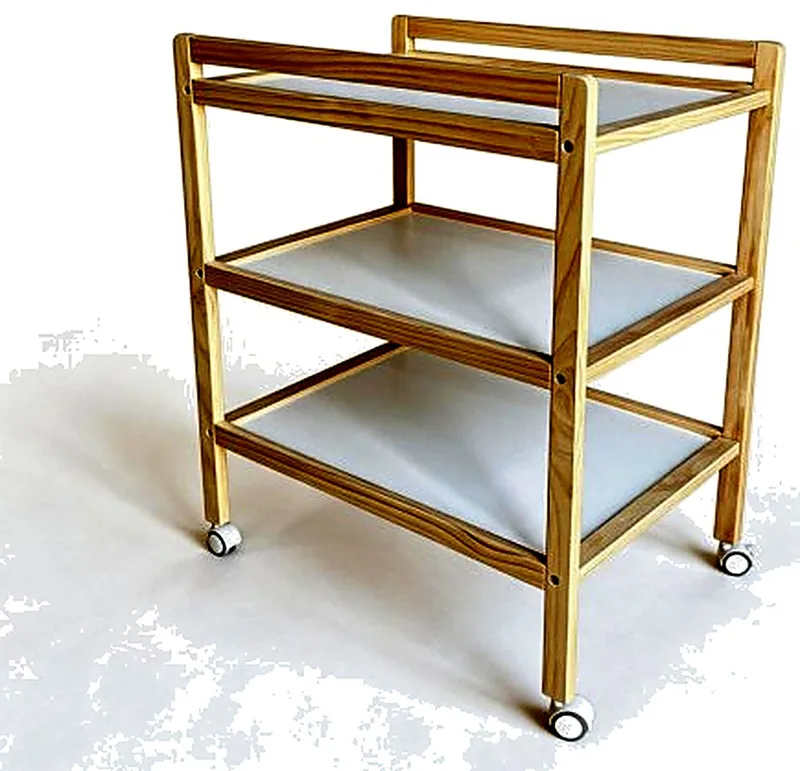
A changing table looks like ordinary furniture, but it is used with a baby on top, so buyers treat the paperwork seriously. This post covers the Baby Changing Table – 3 Tier (TVD-6279), described as a solid wood frame with two open shelves and four removable wheels. No certification mark or test report is on file for this item. We therefore make no claim that it is certified, approved or compliant; instead we set out what a Canadian buyer should ask for. For the product itself, see the changing table buying guide.
Why this product draws extra attention
Three features raise questions that a plain shelf unit would not. The changing surface carries a baby, so load limits, restraint and warning labels matter. The wheels make the unit mobile, so locking and stability matter. The solid wood frame is coated or finished, so lead and mercury limits for coatings on children's furniture matter. None of these facts is in the product's listed points beyond the frame, shelves and wheels, so they are confirmed on your written quote.
Rules that apply, in plain terms
- The Canada Consumer Product Safety Act applies to consumer products. It prohibits products that are a danger to human health or safety, requires incident reporting and allows recalls. Health Canada enforces it.
- The Surface Coating Materials Regulations limit lead (90 mg/kg) and mercury in paints and coatings used on furniture and on children's products.
- The Consumer Products Containing Lead Regulations set lead limits for products for young children.
- Prepackaged consumer products need bilingual (English and French) product identity and net quantity, plus the dealer's name and place of business, under the Consumer Packaging and Labelling Act.
- In Quebec, the Charter of the French language requires labels, instructions, manuals and warranty documents to be available in French.
- Cribs, cradles and bassinets are heavily regulated, and we do not supply them through this site; a changing table is a different product but is often sold in the same nursery department.
Document table
| Document | What to look for | Who issues it |
|---|---|---|
| Coating test report | Lead and mercury results for the frame finish, tied to the limits above | Independent laboratory via the factory |
| Lead test for young children's products | Results for painted or coated surfaces and any metal fittings | Independent laboratory |
| Wheel and caster specification | Material, locking mechanism and stated load per wheel | Factory |
| Weight capacity and warning label artwork | Maximum load, never-leave-unattended wording, restraint guidance | Factory, translated for Quebec |
| Assembly instructions | Clear diagrams, hardware list, French version for Quebec | Factory |
| Packaging labels | Bilingual product identity, net quantity, dealer name and place of business | Agreed between you and us |
Wheels, stability and warnings
There is no Canadian rule in our files that sets a single test for this exact product, so do not assume one exists. What you can do is ask the factory to state the load capacity, explain how the wheels lock and show the warning text that will be fitted. A buyer for a daycare will often add their own requirements, such as locking casters on all four wheels or a front guard rail. Put those on the quote so they become part of the specification.
Quebec and French labelling
Quebec retailers will ask for French instructions and warnings before listing a child-care product. Product pages and quotes are in English; French support is available on request, and we ask the factory whether French documents can be supplied before you order. If they cannot, plan on translating them yourself, and make sure the translated text is also printed on the product or its packaging where required.
Questions to put in writing
A good quote request for this item names the use, not just the product. Say whether the table will be sold to families or fitted in a daycare, whether it will be used on carpet or hard floor, and which provinces you sell in. Ask the factory to state in writing the maximum load, the finish used and the test laboratory that issued any report. Ask for photographs of the warning labels as they will appear on the product, so you can check them against what your market expects before the container is loaded.
If you resell the table through an online marketplace, check that platform's rules for children's products as well; many ask for test reports at the time of listing. Keep a file for each order with the quote, the test reports and the photographs, and note the factory batch. If a customer ever reports an incident, that file is the first thing a regulator or insurer will want to see.
What if a document is missing
- A retailer or marketplace may refuse to list the product.
- A daycare licensing officer may ask for the coating and age documentation during an inspection.
- If a product is found to be a danger, Health Canada can require a recall, and the dealer manages it.
- An insurer may ask for documents after an incident.
How we handle it
We confirm certification status for the item on every quote and list the documents the factory can supply. If a test needs to be commissioned for your market we say so and agree it before you pay the deposit. Read how ordering works for the process and the Canada delivery hub for delivery coverage; the full specification appears with a free account on the product page. Another wooden piece in the family has its own list in the Wooden House Bed certification post, and the line view is in the Baby Cribs & Kids Beds compliance guide. Send questions through the quote request page. Rules change; check with the authority, your inspector or your customs broker. This is not legal advice.