Product guide ·
Bamboo Coffee Table TVD-5608 and Side Table TVD-5648 with Fabric Pockets
Two natural bamboo tables with fabric pockets and open shelving. How they match, how they differ and how to choose.
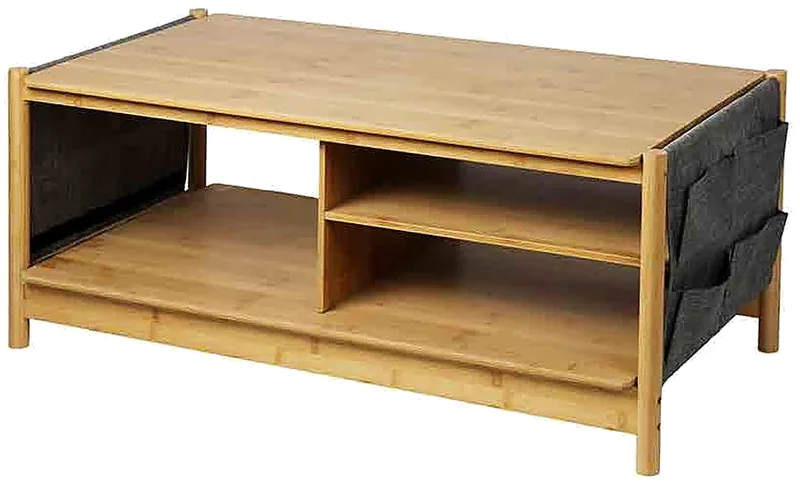
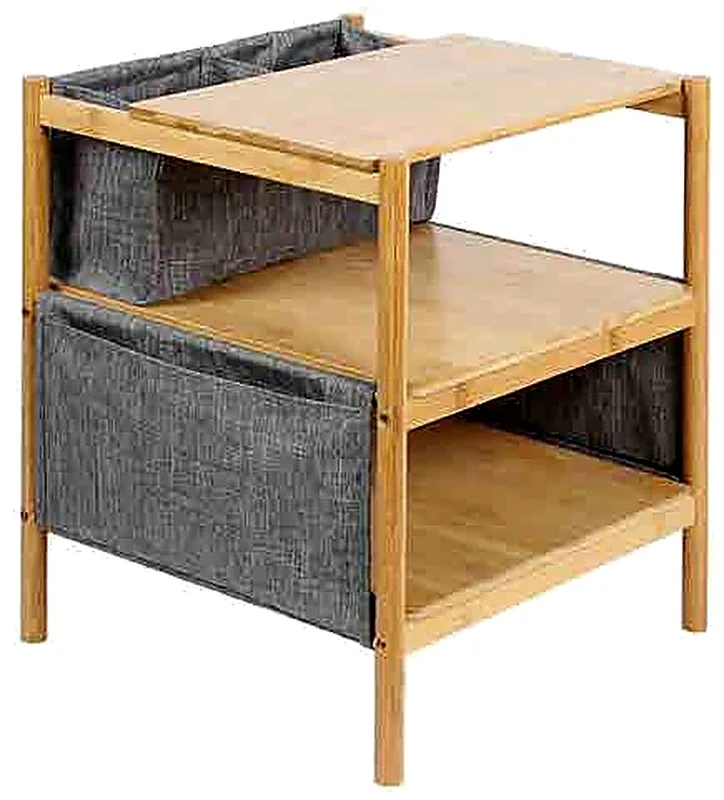
Two natural bamboo tables share one idea in this guide: furniture that holds the clutter of a living room within arm's reach. The Bamboo Coffee Table with Pockets (TVD-5608) and the Bamboo Side Table with Pockets (TVD-5648) both combine bamboo with fabric pockets, and they are designed to sit as a pair, one in front of the sofa and one at its side. This guide explains what they have in common, how they differ and which one suits which buyer.
What they share
- Natural bamboo. Both use natural bamboo as the main material, which gives a light, warm look and a visible grain pattern. Ask the factory about the treatment applied to the bamboo and the finish, because bamboo needs sealing against moisture.
- Fabric pockets. Both have fabric storage on the sides: magazines, remote controls and throw blankets go in the pocket, off the top. The fabric is a textile, so ask about its fibre content, colour options and whether it can be removed and washed.
- Open shelving. The coffee table has open shelves; the side table has a two-tier shelf. In both cases the shelf catches smaller items and keeps the table top clear.
How they differ
| Product | Role | Storage | Material |
|---|---|---|---|
| Bamboo Coffee Table with Pockets (TVD-5608) | Coffee table | Open shelves and fabric side pockets | Natural bamboo |
| Bamboo Side Table with Pockets (TVD-5648) | Side table | Fabric storage pockets and two-tier shelf | Natural bamboo |
The coffee table is the larger piece, intended to sit in front of a sofa, with open shelves below and pockets at the sides. The side table is the compact one, with a two-tier shelf and fabric storage pockets, intended to stand beside a sofa or an armchair, or by the bed. Overall dimensions, shelf heights and pocket sizes for each are confirmed on the written quote.
Which buyer for which table
- Retailers and online sellers who want a matched pair sold together or separately: order both and let shoppers buy the coffee table with the side table.
- Short-term rental and holiday property operators who want light, easy-to-move pieces: the pockets keep remotes and guidebooks together.
- Seniors' residences and care homes where items need to stay within reach of a chair: the side table is the better fit, and edge radius and stability should be confirmed.
- Cafés and lounges with relaxed seating: the coffee table suits sofa groupings and its pockets hold menus or magazines.
Mixing them in one order
Both products come from the same specification family, so they can share a container, and you can order any ratio of coffee to side tables. A common ratio is one coffee table to two side tables per seating group, but that depends on your layout. For another slide-under option, see the Bamboo Side Table with Magazine Sling (TVD-5612), which is built for the gap beside a sofa. Metal-framed alternatives include the Nesting Side Tables – Wood Top (TVD-2979) and the C-Shape Side Tables (TVD-2980), both described in our nesting table guide and C-shape guide.
Specification checklist
- Dimensions of each table, shelf heights and the pocket depth and size.
- Bamboo grade, whether it is solid bamboo or a laminated bamboo board, the glue system and the surface finish.
- Fabric type, colour reference and whether the pockets are removable and washable.
- Weight capacity of the shelves and of the top.
- Assembled or knock-down supply, hardware, instruction language.
- Carton size, weight and loading quantity per container, and the minimum order per colour.
Canadian use notes
Bamboo reacts to dry winter heating: it can crack at joints or open a hairline in a laminated board. It also tolerates humidity better than many woods, but fabric pockets can hold moisture in damp rooms. Ask the factory about the moisture content of the bamboo at shipping and the sealing used. Sea freight arrives on the west coast and moves inland by rail; a pre-shipment check is useful because bamboo can darken in a hot container. Tables stack flat in a carton, which can help freight efficiency, but ask for the carton dimensions. See the landed cost calculator and the sales tax guide for landed-cost planning.
Fabric, padding and rules
These products show natural bamboo and fabric pockets, with no listed padding or stuffing. If the version you order includes padded or stuffed parts, the Textile Labelling Act fibre-content label applies, and contract buyers sometimes ask for flammability test reports for upholstery. Fabric that is supplied or sold as a textile article may need fibre-content and dealer labelling. Furniture coatings must meet federal limits for lead and mercury. If a bamboo board contains composite or laminated layers, ask about the formaldehyde compliance certificate. In Quebec, labels, manuals and warranty documents must be available in French. Rules change; confirm with the authority, your inspector or your customs broker. This is not legal advice. No certification mark is on file for either table, and we confirm certification status and supply the documents with the quote before you order. See the upholstered items compliance guide for this line.
Ordering
Send both codes and quantities through the quote request. We return a written quote with specification, packing, lead time and delivered cost. Samples are available on most items and credited to the first order, many lines have low trial minimums and payment is 30% deposit and 70% before release. Read how ordering works or browse the Side Tables & Dressers line.