Certification guide ·
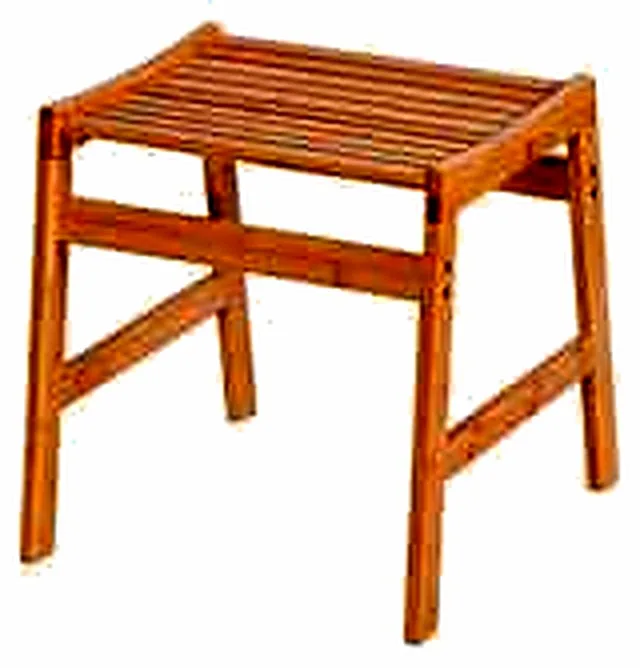
Bamboo Slatted Stool (TVD-5692): Canadian Certification and Compliance Checklist
No certificate is on file for TVD-5692. This checklist shows which Canadian rules touch a bamboo stool and which documents to request before you order.
Where TVD-5692 stands on certification
A certificate or test report for TVD-5692 Bamboo Slatted Stool is not on file today. This page therefore makes no claim that the stool is certified, listed, approved or compliant with anything. What it does is lay out what a Canadian buyer needs to ask for, so you can decide before a deposit is paid. The commercial overview for the stool is in the TVD-5692 buying guide.
This is general information and not legal advice. Rules change, so confirm with the authority, your inspector or your customs broker.
Which Canadian rules touch a slatted bamboo stool
- Canada Consumer Product Safety Act. Consumer products that are a danger to health or safety are prohibited, incidents must be reported and recalls are possible. Health Canada enforces it. Stools sold to consumers fall within it.
- Surface Coating Materials Regulations. Lacquer, stain or paint on furniture is limited for lead (90 mg/kg) and mercury. A clear coat on bamboo counts as a surface coating.
- Formaldehyde emissions rules for composite wood. These apply to hardwood plywood, particleboard, MDF and laminated products. A slatted seat of solid bamboo strips is a different case from a board seat; ask the factory which it is.
- Textile Labelling Act. Quebec no longer has a stuffing permit or law label, since that law was repealed on 9 December 2021. Our listing shows no padding, so confirm on the quote whether any cushion is included, because fibre-content and dealer labelling apply to a fabric cushion if it has one.
- Electrical rules. A stool with no powered parts has no electrical content. If any powered feature were added, Canadian certification from a Standards Council of Canada accredited body would apply.
Document checklist
| Document | Why it is requested | Who issues it |
|---|---|---|
| Material declaration: solid bamboo strip, laminated bamboo or board | Decides whether formaldehyde certification applies | Factory, confirmed by us on the quote |
| Formaldehyde certificate and panel label, if any board is used | Required for composite wood in Canada | Approved third-party certifier |
| Coating statement for lead and mercury | Proves the finish respects surface coating limits | Factory or an independent lab |
| Load and stability test report | Buyers and venues often ask for seating test evidence | Factory or independent lab |
| Fibre-content label, if any padding is added | Needed for a fabric cushion under the Textile Labelling Act | Us or the factory, identified on the quote |
| French instructions and labels | Charter of the French language for Quebec sales | Factory to our spec, checked by us |
| Customs classification confirmation | Duty and taxes follow the classification | Our customs broker |
CE is not the answer, and what is
Canada does not recognise the European CE mark as proof of compliance for electrical, gas or consumer products. If a sample comes with a CE-marked carton, treat it as marketing, not a Canadian pass. For the stool, the useful documents are material declarations, coating statements and test reports, because there are no electrical marks to look for on a plain stool. For an overview of electrical marks if you also order lit items, see CSA, cUL and cETL marks explained.
Provincial differences
Quebec is the main difference. French must be available on labels, instructions and warranty papers, and a stool with any padding or stuffing needs the permit number and label. Ontario repealed its similar upholstery rule in 2019, and other provinces should be checked at the time of sale. Venue-specific requirements, such as a hotel brand standard or a tender asking for seating test reports, come from the buyer and not from federal law, so read the tender text.
What happens if paperwork is missing
Missing papers show up at the worst moment. A retailer may refuse to list a stool without a coating statement. A hotel purchasing department may stop a shipment at receiving. In Quebec, a retailer may refuse an article that lacks French-language labelling. Health Canada can require a recall of a consumer product that is a danger to health or safety. Gathering evidence before the order costs far less effort than chasing it afterward.
Questions to put to the factory in writing
- Is the seat made of solid bamboo strips, laminated strips or a board product?
- What coating is applied to the seat and legs, and is a lead and mercury test available?
- Is any padding, cushion or electrical part included in any version?
- Which seating load test has been run, by whom, and can we have the report?
- What French-language labels and instructions can be supplied?
Answers go onto the quote, so you can compare them with your retailer's or venue's own requirements before paying a deposit.
How we handle it
When you request a quote, we state the certification status of TVD-5692 plainly, list the documents the factory can provide and send them with the quote before you order. If a mark or test is missing for your use, we say so and suggest an independent lab or a different item from the Bamboo Chairs & Stools line. Compare with the paperwork profile of the folding luggage rack stool, which is padded, and with the whole line's compliance guide. Start at the quote page and read how ordering works for payment terms.