Certification guide ·
Bamboo Chairs and Stools (TVD-5703, 5708, 5709, 5793): Canadian Compliance and Import Rules
Four bamboo seats, four different paperwork questions. See which Canadian rules reach each one and which documents to ask for before you order.
Four bamboo seats, four different paperwork questions
The Bamboo Chairs & Stools line looks uniform in a catalogue: pale bamboo, simple shapes, hospitality styling. For compliance it is not uniform at all. A folding chair, a dining chair, a bentwood stool and a step stool raise different questions with an inspector, a retailer or a hotel purchasing team. This guide covers the four plain furniture items, and points to the separate notes for the stools and chairs that have upholstery.
None of the four has a certificate or test report on file. We therefore make no claim that any of them is certified, approved or compliant. What follows is what a Canadian buyer should ask for, and what we do before a quote leaves our desk. It is general information, not legal advice, and rules change, so confirm with the authority, your inspector or your customs broker.
The products covered
| Product | Listed points from the file | What makes its paperwork distinct |
|---|---|---|
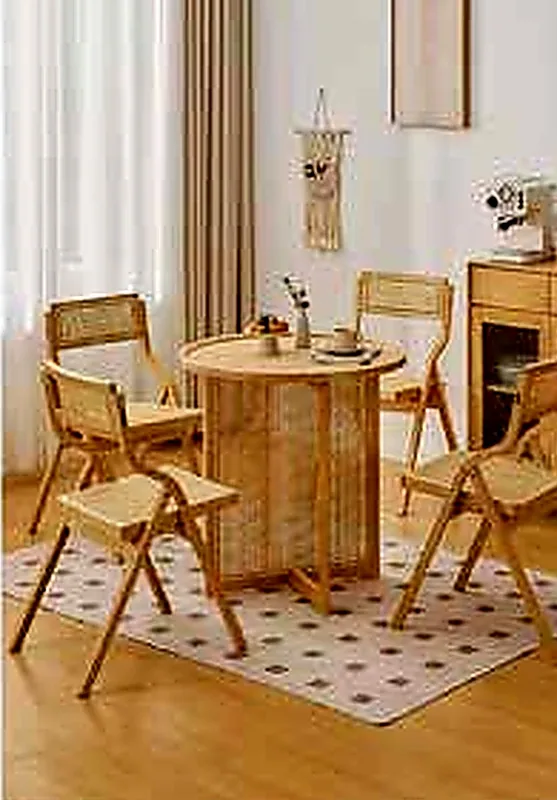
| TVD-5703 Bamboo Folding Chair – Slat Back | Folding bamboo frame; woven back panel; matches 80 cm folding table | Moving hinges and a locking mechanism; seating test evidence is the common request |
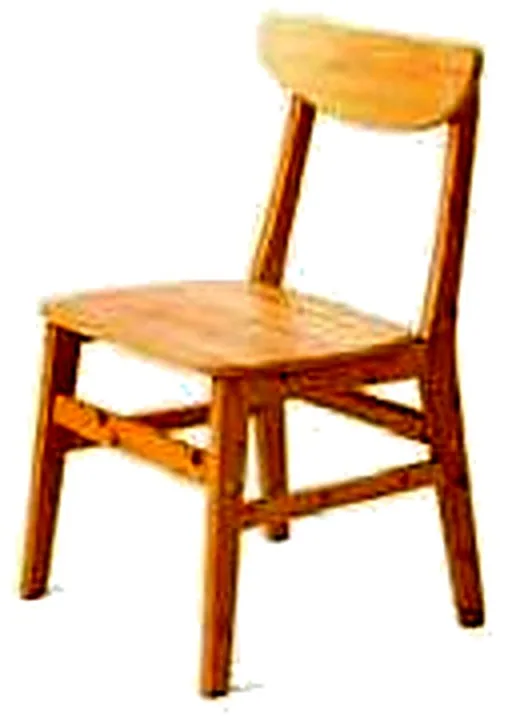
| TVD-5708 Bamboo Dining Chair | Slatted-style back; bamboo frame; natural finish | Fixed frame; coating and joint strength questions; most likely to be specified for restaurants |
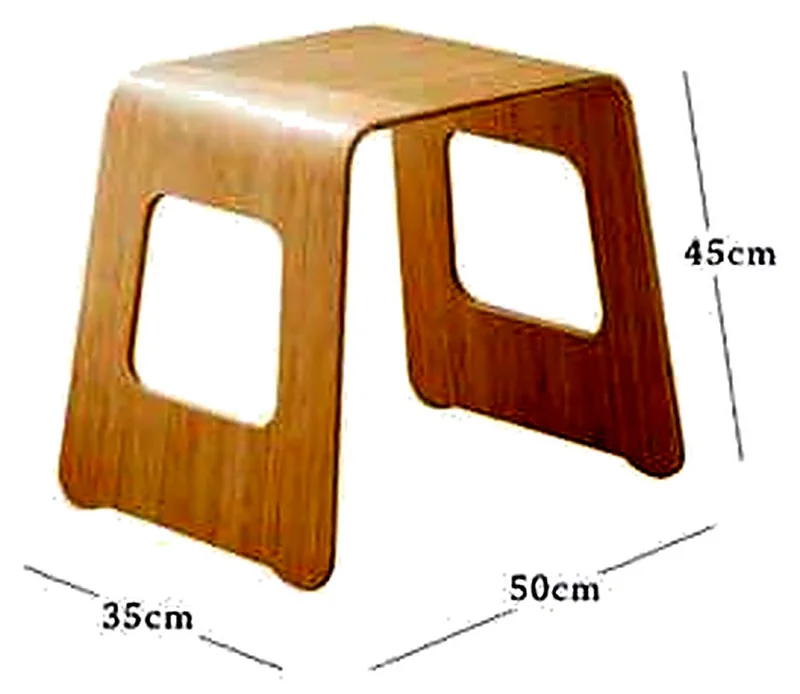
| TVD-5709 Bentwood Bamboo Stool | Curved moulded bamboo; 45 cm height; stackable look | Moulded construction raises a question about laminated layers and adhesives |
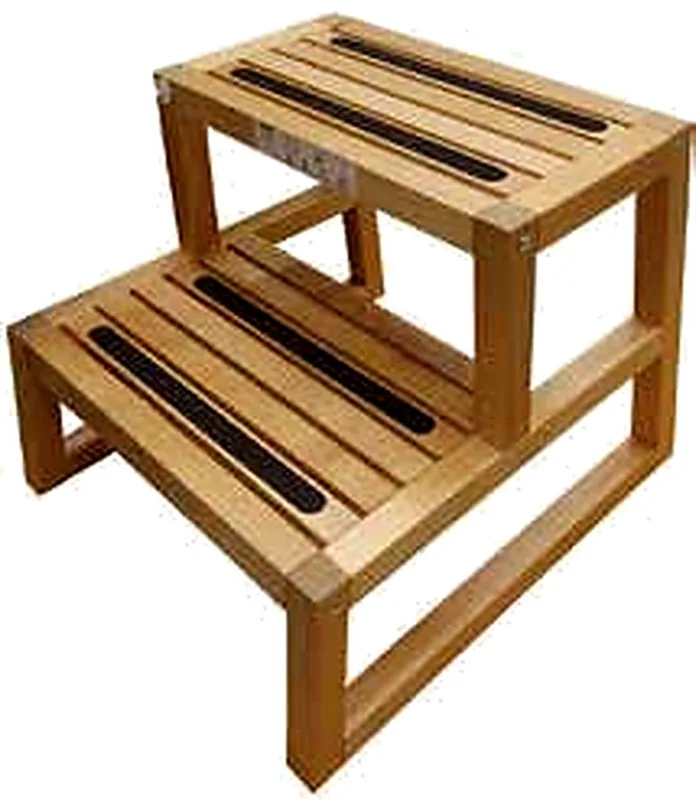
| TVD-5793 Bamboo Step Stool – 2 Step | Two non-slip steps; sturdy bamboo frame; natural finish | A step as well as a seat; children may use it, which brings children-product rules into view |
Rules every chair and stool in the line shares
- Consumer product safety. The Canada Consumer Product Safety Act prohibits consumer products that are a danger to human health or safety, requires incident reporting and allows recalls. Health Canada enforces it.
- Surface coatings. The Surface Coating Materials Regulations limit lead (90 mg/kg) and mercury in paints and coatings on furniture and on children's products. Every finished bamboo piece with lacquer, stain or paint is in scope.
- Composite wood. If any part of a chair is made from hardwood plywood, particleboard, MDF or another laminated product, Canada's formaldehyde emissions rules require third-party certification and labelling. A solid bamboo frame is a different case from a board seat.
- Language. In Quebec, instructions, labels and warranty documents must be available in French.
- Customs. Duty follows tariff classification and origin; our customs broker confirms classification before we quote a delivered cost.
How the four differ
TVD-5703: moving parts
Folding chairs get opened and closed hundreds of times. Ask for the lock design and any load test the factory has run. No Canadian federal rule in our files names a test for this chair, so the evidence is a buyer specification: hotels, event companies and tenders often name the test report they want. Ask the buyer what is named and match it with the factory's report. The TVD-5703 buying guide has the physical checklist.
TVD-5708: the dining chair
A restaurant chair is the product most likely to be questioned by a franchisor or landlord. The fixed frame is easier to document than a folding one. Ask whether the back slats and frame are solid bamboo or built with any board, and ask for the coating statement. Read the TVD-5708 guide for the commercial side.
TVD-5709: moulded bamboo
Curved, moulded bamboo can be made by laminating thin layers with adhesive. We do not know the construction from the file, so we ask. If layers are bonded with a resin, the question becomes whether the formaldehyde emission rules for laminated products reach the part. The factory must answer in writing, and the quote reports that answer. Stackable stools also suit venues that must lift and stack them; the bentwood stool guide covers use cases.
TVD-5793: the step stool
A two-step stool with non-slip steps is used by adults reaching a shelf and often by children reaching a basin. If you sell it as a children's product, the lead rules for children's products and the coating limits are in play. If you sell it as a general household step, the consumer safety Act still applies. State on your sales documents who the stool is intended for. See the step stool guide.
Document checklist for the line
| Document | Why it matters | Who issues it |
|---|---|---|
| Material construction statement per item | Shows solid bamboo, laminated or board parts | Factory, verified on the quote |
| Formaldehyde certificate and label for any board or laminate | Required for composite wood sold in Canada | Approved third-party certifier |
| Lead and mercury coating test | Evidence the finish meets surface coating limits | Independent lab or factory |
| Load or stability report | Hotels, retailers and tenders often ask for it | Factory or independent lab |
| French instructions and labels | Charter of the French language, Quebec | Factory to our specification |
| Tariff classification confirmation | Duty and tax depend on it | Our customs broker |
Provincial differences and where certificates stop mattering
Quebec drives most of the difference, because of French-language requirements on labels, instructions and warranty. None of the four chairs and stools here is described as upholstered, so the Textile Labelling Act would only come into play if a fabric cushion were added. Quebec repealed its stuffing permit and label law on 9 December 2021, so no province asks for one. A building inspector rarely certifies a loose chair, so most requests come from the purchaser, a franchisor or a tender document, not from the province.
What happens when documents are missing
Retailers decline to list products without coating or test statements. Hotel procurement can hold a receiving dock. A recall under the consumer safety Act is a business problem much larger than the paperwork would have been. Collecting evidence before the order is the low-effort path.
How we handle it
Our quote states certification status plainly, lists the documents the factory can supply and sends them before you order. If something is missing, we say so and suggest testing options or an alternative. Other seat items in the line have upholstery and have their own notes: see the slatted stool certification guide and the luggage rack stool guide, plus the wishbone dining chair, which has its own product guide linked from the line page. For electrical marks on lit items in other lines, see CSA, cUL and cETL marks explained. Request a quote at the quote page; terms are on how ordering works.