Certification guide ·
Bunk, Loft and Dormitory Beds Wholesale in Canada: Guardrails, Coatings and Paperwork
Raised sleeping platforms are regulated differently from ordinary beds. This guide sorts nine steel beds by which rules are likely to apply and lists the documents to ask for.
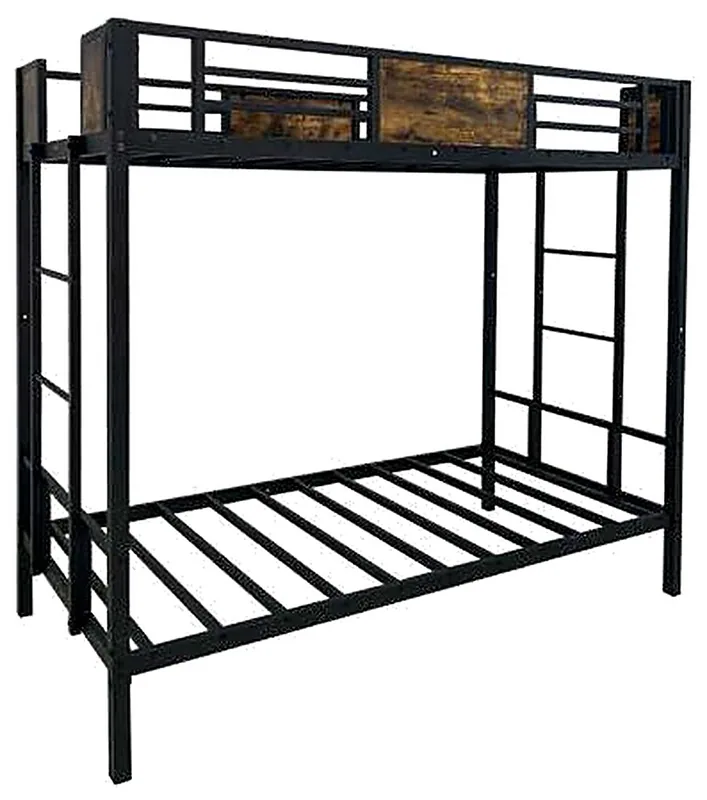
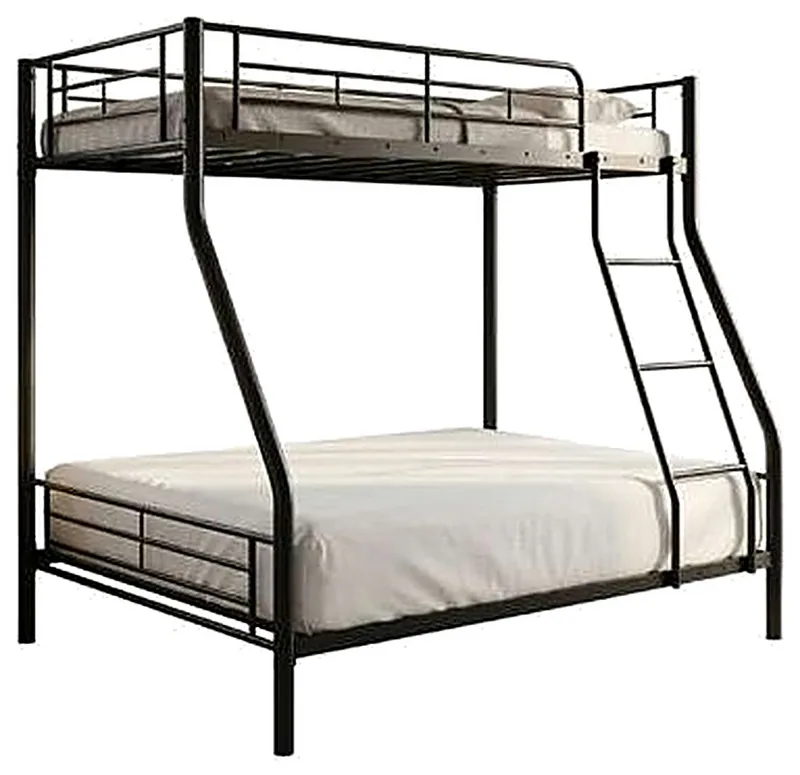
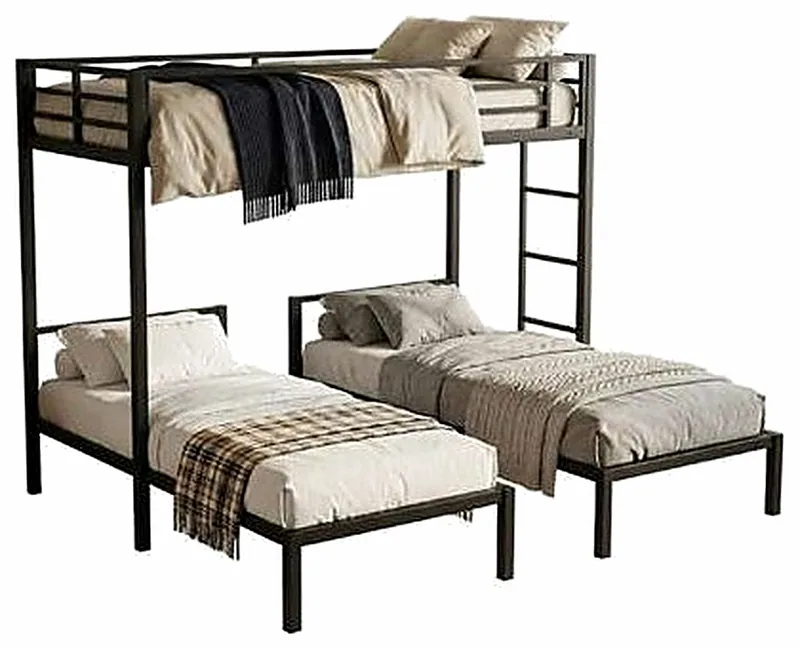
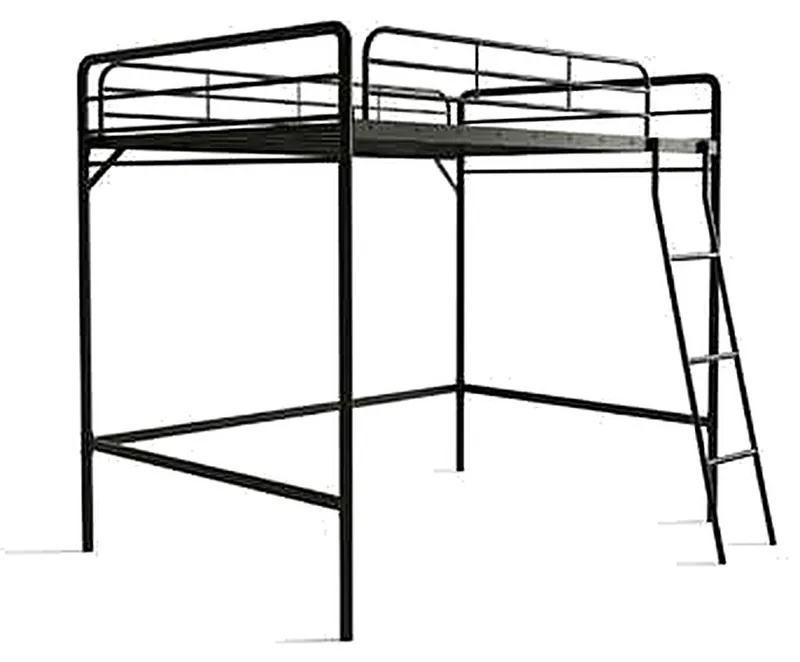
Beds that stack or lift a sleeper off the floor are treated differently from an ordinary bed frame in Canada. This guide covers the nine beds in our bunk, loft, trundle, daybed and dormitory range that raise safety questions: Steel Bunk Bed – Twin over Twin (TVD-4407), Steel Bunk Bed – Twin over Full (TVD-4408), Triple Bunk Bed – L-Shaped (TVD-4409), Steel Loft Bed with Ladder (TVD-4410), Steel Trundle Bed (TVD-4412), Daybed with Storage Drawers (TVD-4413), Folding Slatted Bed Frame (TVD-4415), Dormitory Bunk Bed with Desk (TVD-9281) and Steel Loft Bed with Desk & Wardrobe (TVD-9328). No certification mark is on file for any of them. Below is what a Canadian buyer must ask for, and how the rules differ from one bed to the next.
Which of these beds is a bunk bed?
The first step is classification, because Canada has no bunk-bed-specific regulation: the general prohibition in the Canada Consumer Product Safety Act applies, and Health Canada advises beds that meet the voluntary ASTM F1427 standard. Beds with an elevated sleeping platform are the ones where that question arises: the three bunk beds, the loft bed and the dormitory bed with the built-in desk and wardrobe. A trundle bed, a daybed and a folding frame sleep at or near floor level, so the bunk rules are less likely to be the focus, but you should still ask us to confirm and ask your authority how it classifies each product for your use.
| Bed | Layout in our listing | Main points to settle |
|---|---|---|
| TVD-4407 twin over twin | Detachable steel structure, 90 × 200 × 180 cm, black or white | Guardrails, openings, warning labels, top-bunk mattress thickness |
| TVD-4408 twin over full | Twin top, 120 or 135 cm bottom, side ladder | Ladder fixing, bottom-bunk width, same guardrail questions |
| TVD-4409 triple bunk | Top bunk over two single beds, L-shaped, steel | Stability of the L layout, access to the upper level |
| TVD-4410 loft bed | Raised platform, 135 × 200 × 180 cm | Guardrail height, ladder, space beneath |
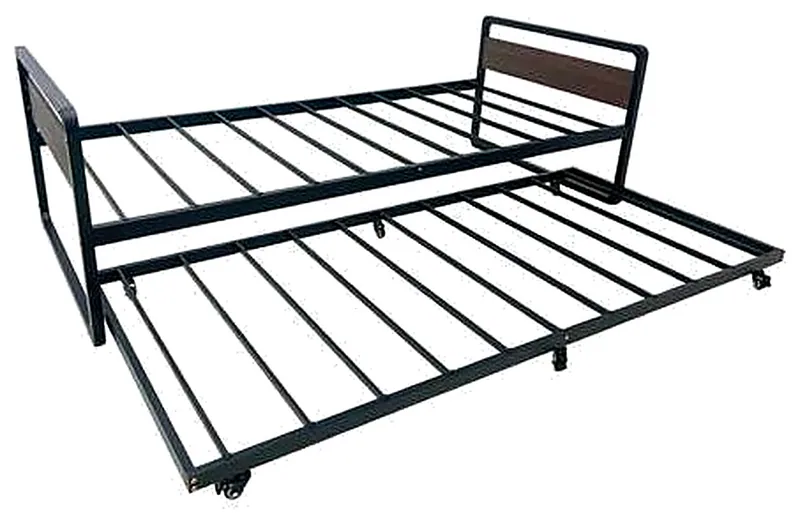
| TVD-4412 trundle | Pull-out trundle, 89 × 199 cm, steel frame | Pinch points at the pull-out, castors or runners |
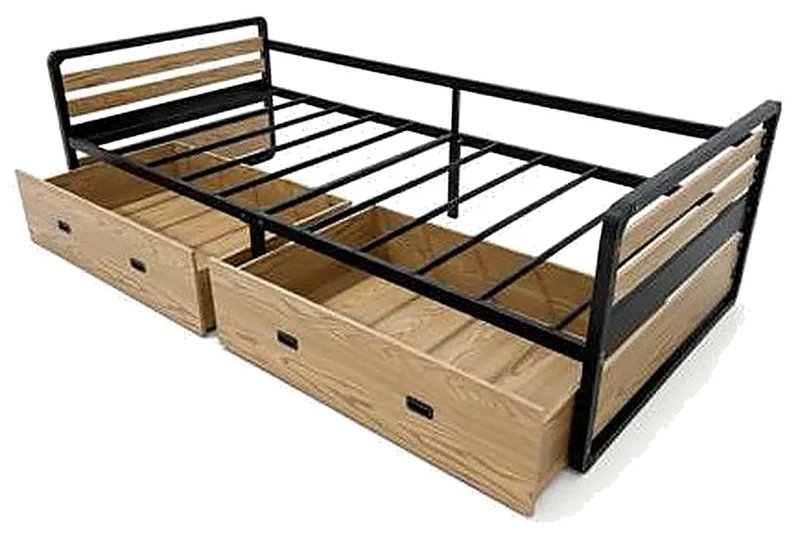
| TVD-4413 daybed | Two wood drawers, 90 × 200 × 62 cm | Coating limits, wood drawer parts and panels |
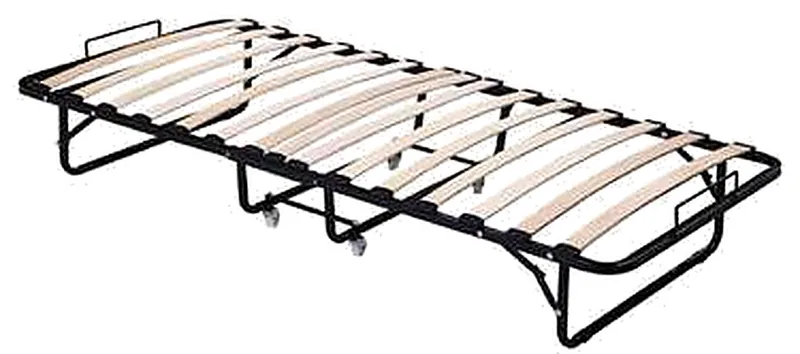
| TVD-4415 folding frame | Steel with wood slats, on castors | Locking of the fold, castor brakes, slat material |
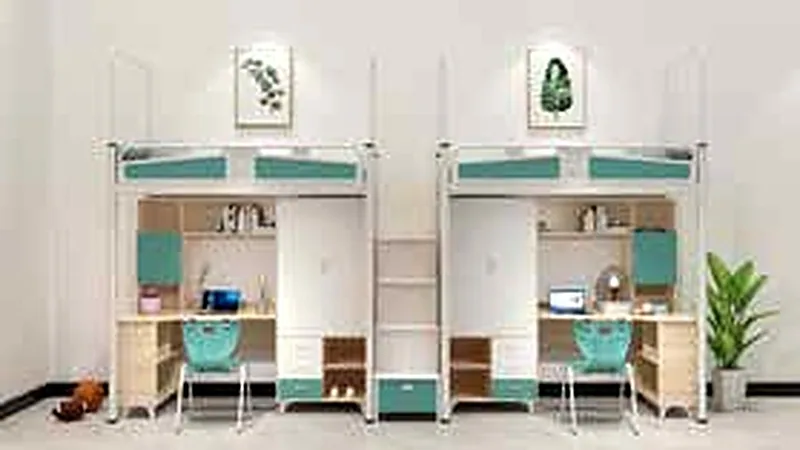
| TVD-9281 dormitory bunk | Bunk with built-in desk, wardrobe, drawers | Bunk bed safety plus composite wood in desk and wardrobe |
| TVD-9328 loft with desk | Bed over desk and wardrobe, steel frame | Raised-platform safety, composite wood in storage parts |
What a bunk or loft bed must address
For any bed with a raised sleeping surface, the buyer must obtain from us, confirmed on the written quote, the guardrail height, the maximum mattress thickness for the top bunk, the weight capacity per level and test reports to the voluntary ASTM F1427 standard. Because there is no bunk-bed-specific regulation, ask for evidence against the voluntary ASTM F1427 standard that Health Canada advises, rather than relying on a supplier's statement that a bed is safe. Ask for the instructions and the warning labels as the end user will see them, in English and, for Quebec, in French, not only the factory drawings.
The practical consequence is that a bunk bed order is not a catalogue purchase. We ask for the test evidence before quoting, and where the evidence is incomplete we say so on the quote rather than guess.
Children's furniture and coatings
Camps, hostels and staff housing buy these beds for adults, but camps and some residences also house children. If a bed will be used by children, or sold as children's furniture, the Surface Coating Materials Regulations apply to the paint or powder coat (limits on lead of 90 mg/kg and on mercury), the Consumer Products Containing Lead Regulations cover products for young children, and phthalate limits apply to soft vinyl in childcare articles. Ask for the finish type and any coating test reports for the colour you want; the black or white finish on TVD-4407 is a good example, because the colour you choose changes the coating you must document.
Composite wood in desks, wardrobes and drawers
Three of these beds include wood parts. TVD-4413 has wood storage drawers, TVD-4415 has wood slats, and the desk, wardrobe and storage drawers on TVD-9281 and TVD-9328 are likely to be panel products. If any of these parts are made from hardwood plywood, particleboard, MDF or a laminated board, the Formaldehyde Emissions from Composite Wood Products Regulations apply: the board must meet emission limits, be certified by an approved third-party certifier and be labelled. Ask for the TSCA Title VI or Canadian compliance certificate for the panel. If the parts are solid wood or steel, we confirm that on the quote instead.
Provincial differences
- Quebec: labels, instructions, manuals and warranty documents must be available in French, with French at least as prominent as English. Any bed with an upholstered or padded part also carries Textile Labelling Act fibre-content and dealer labelling, and Quebec buyers expect French on labels and instructions.
- Everywhere else: the federal consumer product rules apply to all provinces; provincial electrical and gas authorities are not involved with these beds, which have no powered parts in their listed features. Contract buyers such as colleges and camps may add their own specifications, for example flammability reports for upholstery, which are buyer requirements rather than federal law.
Documents to request with the quote
| Document | Why it matters | Who issues it |
|---|---|---|
| Bunk bed test report | Shows guardrails, openings and ladder were tested | An accredited test laboratory, via the factory |
| Warning-label artwork in English and French | Required on the bed itself and in the instructions; French needed in Quebec | The factory, checked by us |
| Coating test report (lead, mercury) | Backs up the finish if the bed is used by children | A test laboratory |
| Composite wood certificate | Needed if desk, drawer or slat parts are panels | A third-party certifier, via the factory |
| Textile Labelling Act label | Needed for any upholstered or stuffed part | Factory label data; we confirm who supplies it |
What happens if the paperwork is missing
A retailer will refuse to list a bed that has no test evidence, a college or camp operator's insurer may question one, and Health Canada can order products that are a danger to health or safety off the market, with incident reporting and recalls available under the Canada Consumer Product Safety Act. A bed that fails on label wording or a missing French translation can be held at your warehouse until it is relabelled. We recommend ordering a sample, reviewing the paperwork and testing the hardware before a container order.
How we handle it
We state plainly that no certification mark is on file for these beds. With each quote we confirm certification status and supply the documents we hold before you order. The quote also carries quantity, specification, packing, lead time and delivered cost; payment is 30% deposit and 70% before release, and samples are available on most items. See how ordering works, the sales tax guide or send a quote request. Related reading: the compliance guide for TVD-4407, the TVD-4407 product guide, the daybed guide, the folding frame guide, the dormitory bunk guide and the loft bed with desk guide.
Rules change; confirm with the authority, your inspector or your customs broker. This is not legal advice. For the range itself see bunk, trundle and folding beds, the wholesale guide and the delivery page.