Certification guide ·
Upholstered Dining and Café Chairs in Canada: Quebec Labels, Flammability Reports and Duty Checks
Forty padded chairs, one set of Canadian rules. This guide shows which checks apply to which upholstered chair, and which documents to request before you order.
Upholstered dining and café chairs raise more Canadian paperwork questions than hard plastic or steel ones. This guide covers the 40 padded and upholstered chairs in our Dining & Café Chairs range, from lobby armchairs to velvet counter stools, and sets out what a buyer in Canada must check on each. No certification mark is on file for any of these products. That is stated plainly so that nobody assumes one; we confirm certification status and supply the documents with the quote before you order.
What the upholstered group contains
The products differ in frame, cover and base, and those differences decide which rules matter most.
- Upholstered Lounge & Accent Chairs (TVD-750): armchair and tub styles with stitched and channel backs, aimed at lobbies and hospitality.
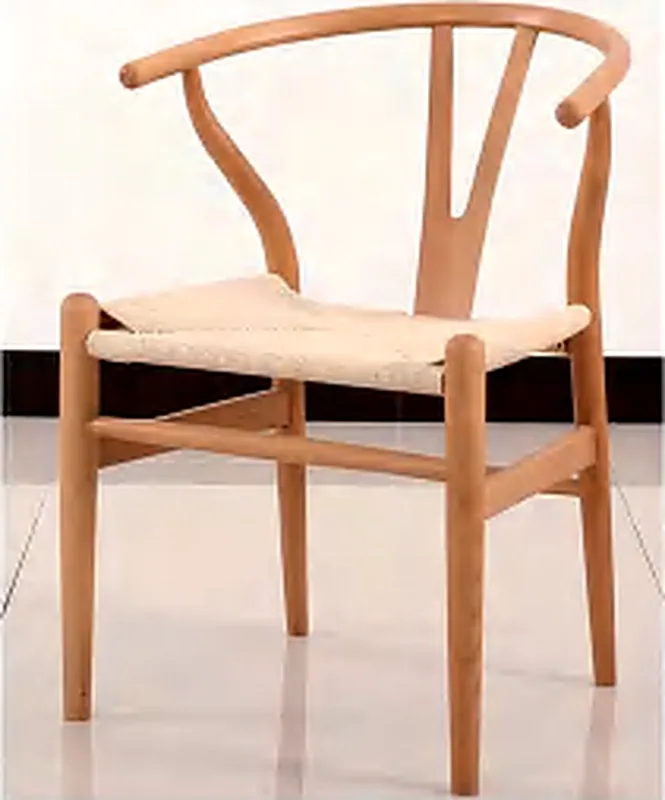
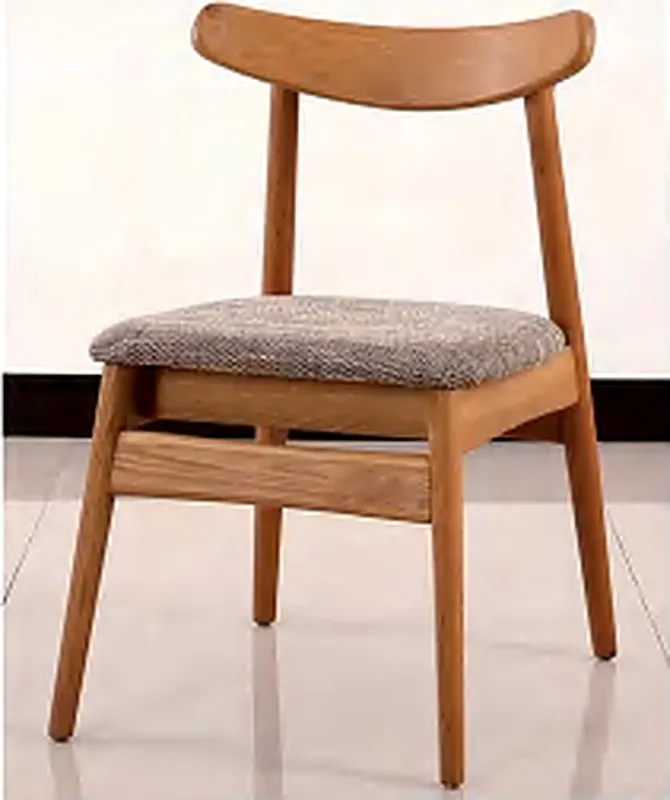
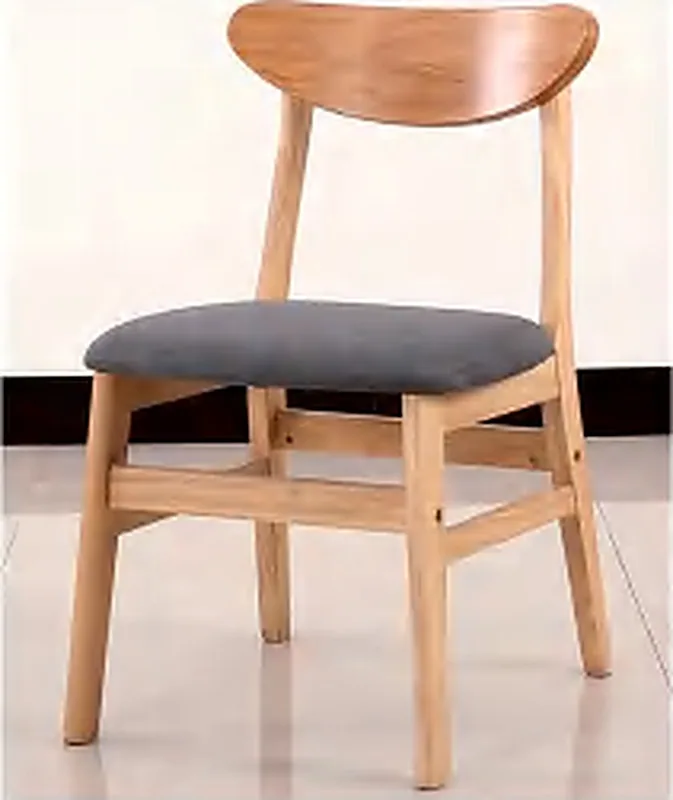
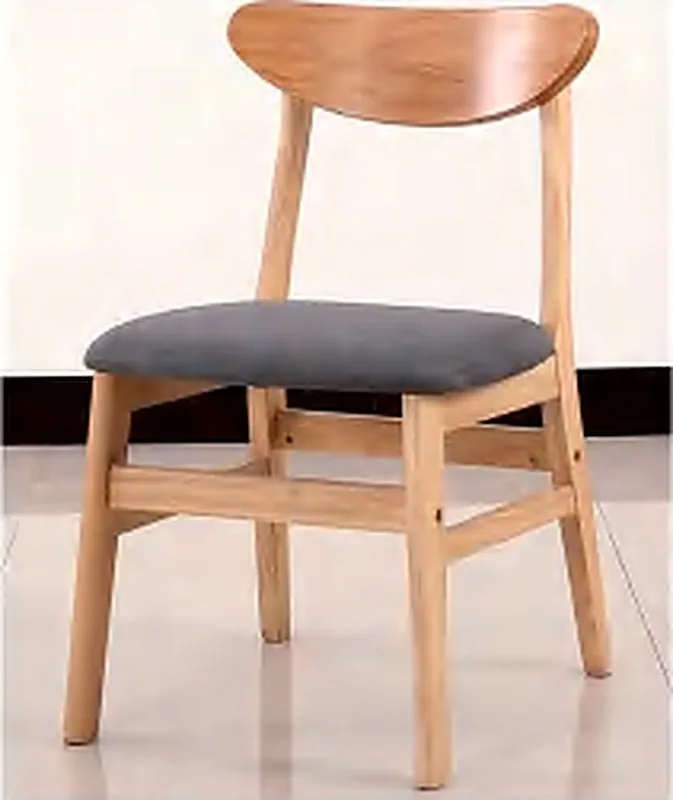
- Solid Wood Dining Chairs – Woven & Wishbone (TVD-4213), Solid Wood Dining Chairs – Upholstered (TVD-4214) and Wood & Rattan Dining Chairs – Heritage (TVD-4215): timber frames with padded or woven seats.
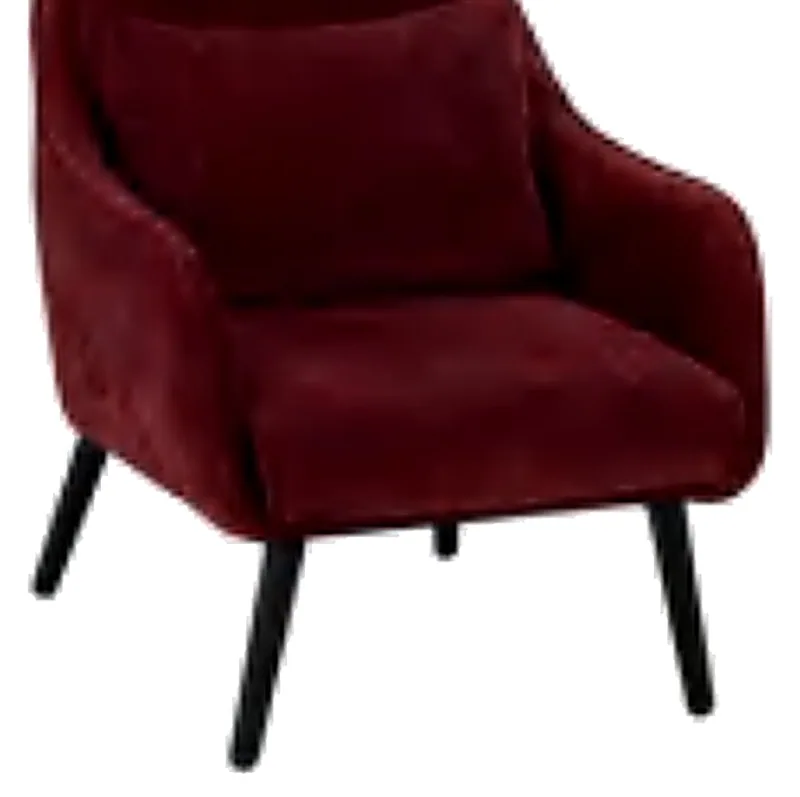
- Velvet Lounge & Accent Chairs (TVD-4216) and Lounge & Accent Armchairs – Fabric (TVD-4221): velvet, boucle and fabric lounge shapes, some with swivel or fixed bases.
- Velvet Dining Chairs & Counter Stools (TVD-4219) and Modern Dining Chairs – Fabric Seat (TVD-4223): slim-leg upholstered dining chairs with metal legs.
- The block of Upholstered Chairs & Stools (TVD-4461) through Upholstered Chairs & Stools (TVD-4478): eighteen listings with the same velvet and fabric upholstery on metal, chrome or wood legs.
- Curved-Back Dining Chair – Cream (TVD-9577), Black Wood Dining Chair – Cream Seat (TVD-9579), Walnut Ladder-Back Chair – Patterned Seat (TVD-9580) and Patterned Upholstered Dining Chair – Walnut (TVD-9581): retro, mid-century wood frames with upholstered seats.
- Resin Chiavari-Style Chair – White (TVD-8578): a resin ladder-back with a padded seat pad.
Other listings in the group include TVD-4222, TVD-4224, TVD-4226, TVD-4227, TVD-4234, TVD-4235, TVD-4389, TVD-4529 and TVD-4532; their product pages open from the line page.
Rule one: fibre-content labelling
Quebec repealed its regulation on stuffing and upholstered articles on 9 December 2021, so no permit number or law label is needed on upholstered chairs, sofas, cushions or mattresses. The federal Textile Labelling Act still asks for fibre content and dealer identity. A café in Montreal or a hotel in Quebec City that buys any padded chair on this page should expect the label question at delivery. Ontario repealed its similar rule in 2019, and other provinces should be checked with the provincial authority. For any order going to Quebec, ask us at quote stage how the French labels and fibre-content labelling will be supplied.
Rule two: flammability test reports
Contract and institutional buyers such as hotels, schools and theatres often name a flammability test report in their specification, for example California TB117-2013 or the standard written into the tender. That is a buyer specification, and not federal law. Read the tender, tell us the exact standard it names, and we confirm what can be supplied before you order. Assembly spaces such as theatres and auditoriums follow the provincial building and fire codes, and the fire official or designer confirms requirements for fixed seating, aisles and anchoring.
Rule three: leather, motion and anti-dumping duty
Certain upholstered domestic seating from China is subject to anti-dumping and countervailing duty when it is leather or has a motion or reclining mechanism; fabric-only stationary seating is excluded. The duty can be very high, often more than the value of the goods. Most products on this page are fabric. The ones to examine are any with PU or leather covers, and any lounge chair with a swivel or rocking mechanism, such as the styles in TVD-4221 and TVD-4227. Our customs broker confirms the treatment of the version you choose before we quote, and we may source from another origin. This is why we ask for the cover material by colour on every quote.
Rule four: textiles, coatings and composite wood
Fibre-content and dealer labelling under the Textile Labelling Act can apply to consumer textile articles, including cushions and upholstery fabrics sold as textiles. The Surface Coating Materials Regulations limit lead and mercury in paints and coatings on furniture, which covers painted timber legs and powder-coated frames. The Canadian formaldehyde emission rules for composite wood products apply to hardwood plywood, particleboard, MDF and laminated products, and so to any frame, back or seat base made from those panels; ask for the third-party certification and labelling. If chairs go to a school or daycare, the children's furniture rules on coatings and lead apply as well.
Document checklist
| Document | Why a buyer wants it | Who issues it |
|---|---|---|
| Cover material statement per colour (leather, PU, fabric) | Settles the anti-dumping question and the fibre labelling | Factory, confirmed by Thames Valley Distribution on the quote |
| Fibre-content label (Textile Labelling Act) | Fibre content and dealer identity on upholstered articles | The dealer named on the label |
| Flammability test report named in your tender | Contract buyers often request it | Accredited test laboratory, via the factory |
| Formaldehyde compliance certificate for composite wood parts | Required for composite wood products in Canada | Approved third-party certifier |
| Coating compliance statement | Lead and mercury limits on furniture coatings | Factory or coating supplier |
| French-language instructions and labels | Quebec buyers and retailers ask for them | Factory, translated on request |
What happens if a document is missing
A Quebec retailer can refuse an unlabelled upholstered chair. A hotel owner or tender reviewer can reject a delivery that lacks the named flammability report, and a rejected container is expensive to resolve. Customs can hold goods whose classification is unclear. The remedy is to act early: write the requirement into the request for quote, and we confirm it in writing before you pay a deposit.
Marks that do not apply to chairs
Because these are non-powered seats, the CSA, cUL and cETL electrical marks do not apply unless a version has a powered part. Our CSA, cUL and cETL marks explained guide covers them for products that do. The European CE mark is not recognised in Canada as proof of compliance for electrical, gas or consumer products.
How the range differs from the plastic and metal chairs
Plastic and steel chairs in the same line avoid the stuffing, flammability and leather questions. For the lines covered here, add the upholstery checks. If you compare individual products, start with the buying guides for TVD-4213, TVD-4215, TVD-4216, TVD-4221, TVD-4223 and the TVD-4219 collection guide. Provincial notes are in restaurant chairs in Ontario and restaurant chairs in British Columbia.
How we handle it
Every order is quoted in writing. The quote states the price for the quantity, specification, certification status and documents, packing, lead time and delivered cost. Samples are available on most items; payment is a 30% deposit and 70% before release. See how ordering works, the sales tax by province guide, the landed cost calculator and the quote request. Rules change, so confirm with your authority, inspector or customs broker. This is not legal advice.