Certification guide ·
Plastic, Acrylic and Steel Café Chairs in Canada: Compliance and Import Rules by Product
Nineteen non-upholstered chairs, from stackable PP to clear acrylic and powder-coated steel. See which Canadian checks still apply and which documents to request.
Plastic, acrylic and powder-coated steel chairs avoid most of the upholstery rules, but they are not rule-free. This guide covers 19 products in our Dining & Café Chairs range that have no padded or upholstered part in their listing, and explains what a Canadian buyer should still check. No certification mark is on file for any of them; we confirm certification status and supply the documents with the quote before you order.
The products in this group
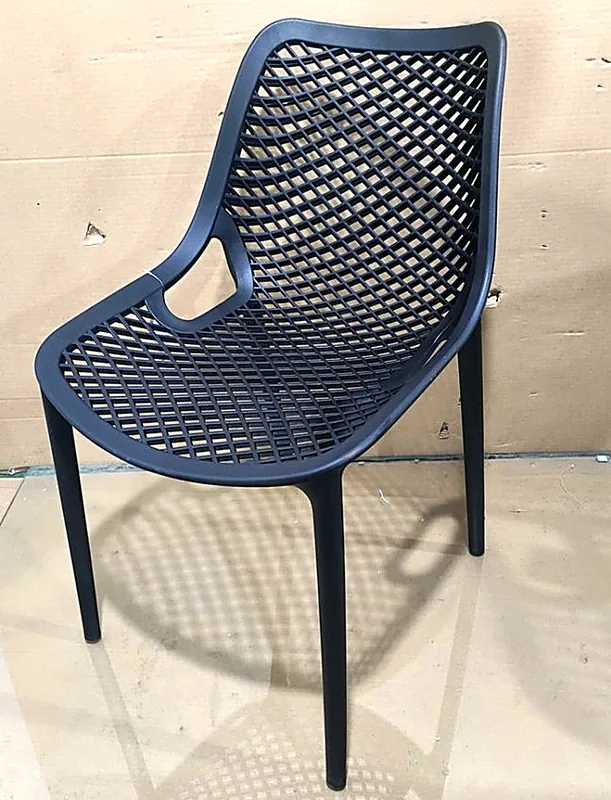
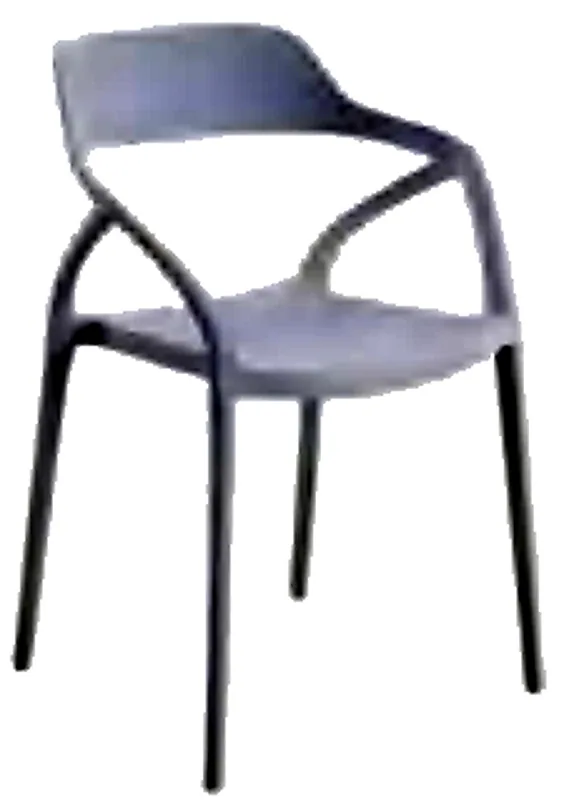
- Stackable Plastic Café Chairs (TVD-752): indoor and outdoor PP that stacks, for patios, events and food courts.
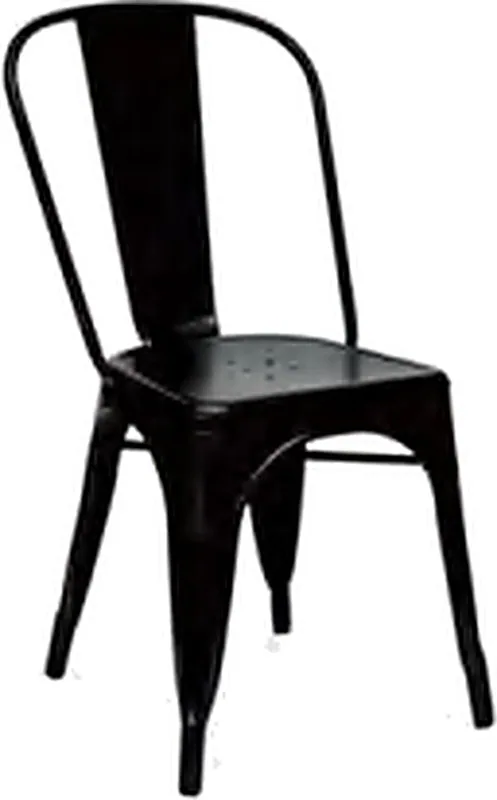
- Metal Bistro Chairs (TVD-753): powder-coated steel, stackable, for bistros, patios and bars.
- Stackable Plastic Chairs – Solid Colours (TVD-4236): light and dark colours in armchair and side-chair designs, 15 shapes.
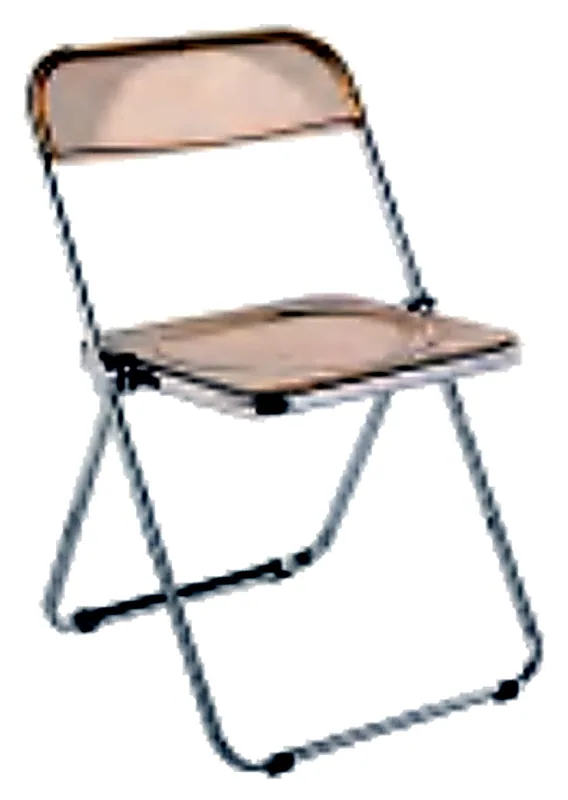
- Plastic Armchairs, Clear Chairs & Stools (TVD-4237): stackable arm chairs and clear acrylic shells with wood legs.
- Clear Chairs, Office Chairs & Bar Stools (TVD-4238): acrylic, folding and swivel designs with wood and steel bar stool legs.
- Fourteen listings named Plastic & Wood-Leg Chairs (TVD-4479) through TVD-4492: plastic, wood-leg and steel styles for dining, café and desk use. Two buying guides cover them: TVD-4479 to TVD-4486 and TVD-4487 to TVD-4492.
Coatings: the rule that reaches steel and timber legs
The Surface Coating Materials Regulations limit lead and mercury in paints and coatings on furniture and on children's products. That reaches the powder-coated steel of TVD-753 and the finishes on any steel or timber legs in the group. Ask for a coating compliance statement when a landlord, franchisor or school asks for one.
Wood legs and composite wood
Several products have wood legs or wood seats. Solid timber is not a composite wood product, but plywood, particleboard, MDF and laminated panels are, and the Canadian formaldehyde emission rules require them to meet emission limits, be certified by an approved third-party certifier and be labelled. We confirm the construction of each wood part. If any is made from composite wood, ask for the compliance certificate; TSCA Title VI and the Canadian certificate are aligned.
Clear acrylic and plastic shells
The listings for TVD-4237 and TVD-4238 name clear acrylic shells. The Canadian rules in our reference material do not set a separate standard for acrylic or polypropylene seating, so the checks are the general ones: the Canada Consumer Product Safety Act, which prohibits products that are a danger to human health or safety, requires incident reporting and allows recalls, plus coating limits on any painted part. Ask for the shell thickness and weight capacity on the quote, and a drop or impact test report if your insurer asks for it.
Children and school use
Where cafeterias, schools and daycares buy these chairs, children's furniture rules add the coating limits above, lead limits for children's products and phthalate limits on soft vinyl in childcare articles. TVD-751 is the listing that names schools, and it has its own guide: the TVD-751 listing has its own compliance guide.
Outdoor use and food courts
TVD-752 is listed for indoor and outdoor use, and TVD-753 is listed for patios. Outdoor use is a durability question, not a certificate. Ask about UV stability, colour fade, and whether the steel finish is rated for exterior exposure. In Canada, remember that plastic gets brittle in deep cold and that chairs stored on an unheated patio in winter may be stressed by stacking. Food-court operators should also ask their landlord what the lease requires for furniture; food premises rules apply to equipment that touches food, and chairs are not food-contact equipment.
Office and swivel chairs
TVD-4238 lists swivel and folding designs and office chairs. ANSI/BIFMA test reports, such as BIFMA X5.1 for office chairs, are buyer specifications, not federal law. If your employer or tender asks for one, tell us before you order and we confirm what can be supplied. Mechanical parts such as swivel bases and folding hinges should be checked for sample strength before a volume order.
Document checklist
| Document | Why a buyer wants it | Who issues it |
|---|---|---|
| Coating compliance statement | Lead and mercury limits on furniture finishes | Factory or coating supplier, confirmed on our quote |
| Material statement for each wood part | Shows whether composite wood is involved | Factory |
| Formaldehyde certificate (composite wood only) | Required for composite wood products | Approved third-party certifier |
| Load or stability test report (if your tender asks) | Contract buyers sometimes request BIFMA-style reports | Accredited laboratory, via the factory |
| Children's product statement (schools and daycares) | Lead and phthalate checks | Factory and laboratory |
| French labels and instructions | Quebec buyers and retailers ask for them | Factory, translated on request |
What happens when the paperwork is missing
A school, landlord or franchisor can reject chairs that lack the statement they asked for. A retailer in Quebec can refuse unlabelled goods. An unexpected tariff classification at the border can delay a container. We deal with these at the quote stage: our customs broker confirms the classification before we quote a delivered cost, and we tell you plainly if a document cannot be supplied.
Which products differ in the rules
Within the group, the differences come from materials. Steel frames such as TVD-753 raise the coating question. The acrylic and wood-leg chairs raise composite wood. The swivel and folding designs raise strength and mechanism checks. The plain PP shells raise the fewest questions, which is why they are common choices for events and food courts. Compare with the upholstered side of the line in the upholstered side of the line, which adds Quebec labels and flammability reports, and read Velvet & Fabric Dining Chairs (TVD-749) for a padded alternative.
How we handle it
Every order is quoted in writing. The quote states price for the quantity, specification, certification status and documents, packing, lead time and delivered cost, and samples are available on most items. Payment is 30% deposit and 70% before release. See how ordering works, the sales tax by province guide, the landed cost calculator and the quote request. Rules change, so confirm with your authority, inspector or customs broker. This is not legal advice.