Certification guide ·
Home Office & Gaming Desks (TVD-4200): Canadian Rules and Documents to Request
A desk looks simple, but the panel, the paint and any motor each bring their own Canadian requirement. This checklist shows what applies to TVD-4200 and what to ask the factory for.
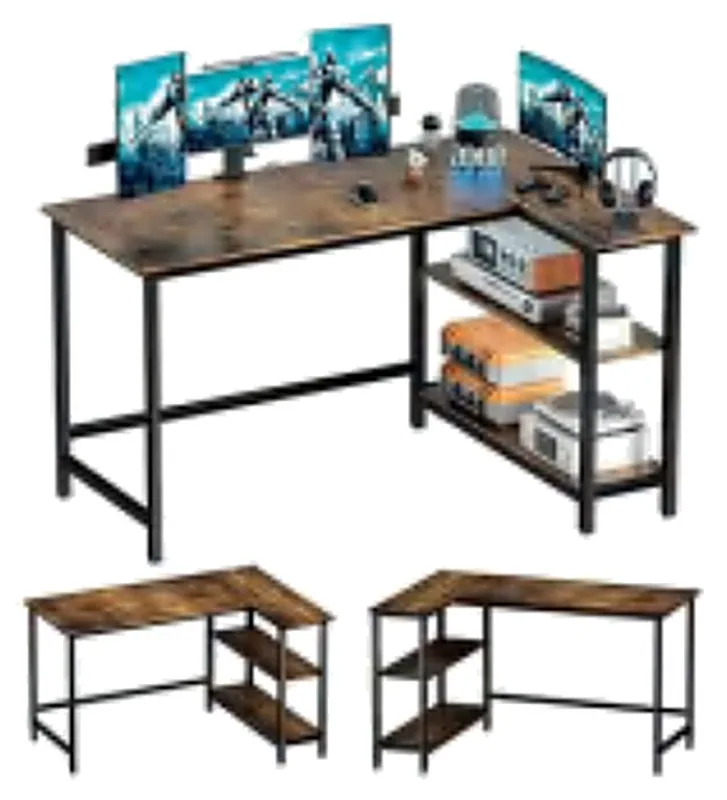
Home Office & Gaming Desks (TVD-4200) comes with Z-frame and straight-leg designs, black, wood-look and white tops, and height-adjustable options. No certification mark or test report is on file for it today, so nothing here says the desk is certified or approved. What follows is the list of rules that bear on a desk like this and the documents a careful buyer asks for before paying a deposit. We confirm certification status and supply the documents with your written quote.
1. The tops: composite wood and formaldehyde
Tops in black, white and wood-look finishes are very often made of composite wood panels covered with a laminate, melamine or printed film. Canada's Formaldehyde Emissions from Composite Wood Products Regulations, in force since 2023, set emission limits for hardwood plywood, particleboard, MDF and laminated products. The panels must be certified by an approved third-party certifier and labelled, and this also matters for furniture made from those panels. The practical request is the TSCA Title VI or Canadian compliance certificate for the panel maker; the two are aligned. If a particular model in TVD-4200 uses a different top material, the answer on the quote is simply different, so ask per model.
2. Paint and coatings on the frame
The Surface Coating Materials Regulations limit lead (90 mg/kg) and mercury in paints and coatings on furniture and on children's products. A powder-coated or painted steel frame is a coating in this sense. If the desk is bought for a child's room or school study use, the lead rules for children's products also come into view, and the buyer should ask for a coating test report that names the frame colour. A desk marketed to teenagers for gaming is a grey area in practice, so label the intended user on the quote request.
3. Height-adjustable versions: mechanical or powered?
Our listing says only that height-adjustable options exist. If the version you order is cranked or lever-adjusted, there is no electrical question. If it has a motor and a control box, it is an electrical product, and then:
- It must carry a certification mark from a certification body accredited by the Standards Council of Canada (for example CSA, cUL or cETL), or a field evaluation or special inspection label.
- A US-only mark (UL or ETL without the small "c") is not enough for Canada, and a CE mark is not recognised as proof of compliance.
- Canadian supply is 120 V or 240 V single-phase at 60 Hz. Equipment built for 220 V and 50 Hz must be confirmed as built for Canadian voltage and 60 Hz before ordering.
- Provincial electrical safety authorities, such as the Electrical Safety Authority in Ontario, enforce the rule; inspectors can refuse uncertified equipment and insurers may question it.
CSA, cUL and cETL marks explained has the longer version.
4. General product safety
The Canada Consumer Product Safety Act prohibits consumer products that are a danger to human health or safety, requires incident reporting and allows recalls, and Health Canada enforces it. For a desk the realities are stability, sharp edges, pinch points on adjustable legs and a weight rating that is honest. Ask for the rated load and the test behind it. ANSI/BIFMA reports are asked for by some contract buyers on office desks; they are buyer specifications, not federal law, so look at your tender.
5. Retail labelling and Quebec
A desk sold to consumers in a carton is prepackaged: the Consumer Packaging and Labelling Act calls for bilingual product identity and net quantity and the dealer's name and place of business. In Quebec, the Charter of the French language requires labels, instructions, manuals and warranty documents to be available in French, and retailers there will ask. If you pair the desk with an upholstered chair, textile labelling applies to the chair, not to the desk.
Document checklist for TVD-4200
| Document | Why it is requested | Who issues it |
|---|---|---|
| Formaldehyde emission certificate for the top panel (TSCA Title VI or Canadian equivalent) | Composite wood rules and the retailer's compliance file | Panel maker's third-party certifier, through the factory |
| Lead and mercury coating test for the frame paint | Surface coating limits; stronger for child use | Test laboratory |
| Strength and load test report | Rated weight capacity; tender requirements | Test laboratory |
| Canadian electrical mark or field evaluation label (powered versions only) | Inspector, insurer and landlord acceptance | Accredited certification body |
| Bilingual carton artwork and French assembly instructions | Retail and French labelling | Factory to our artwork, checked on the quote |
| Tariff classification | Duty and tax on the delivered cost | Our customs broker |
What happens if a document is missing
A retailer can refuse to list a desk with no formaldehyde label or French instructions. An inspector can refuse a motorised desk wired without a Canadian mark. Health Canada can require a recall of a product that breaks coating limits, and a landlord or insurer may ask for paperwork after a claim. Asking early takes little effort; relabelling a container takes a lot.
How we handle it
Tell us which models, how many, and the delivery province through the quote request. The written quote states certification status, which documents exist, packing, lead time and the delivered cost, with the duty position checked by our broker. Where a motorised version needs a field evaluation, we say so up front. Payment is 30% deposit and 70% before release; the steps are on how ordering works. The commercial guide to the same desks is Home Office & Gaming Desks wholesale in Canada, and the wider range is on the Office & Gaming Seating page. Compare with the rules for Gaming Chairs (TVD-756) in their compliance guide.
This is general information, not legal advice. Rules change, so confirm with the relevant authority, your inspector or your customs broker.