Certification guide ·
Resin and Live-Edge Tables: Canadian Compliance and Import Rules for the Whole Line
Epoxy, burl and solid wood tables raise questions about finishes, food surfaces and legs rather than plug-in certification. Here is what to confirm for each table in the line.
Resin and live-edge tables look like simple furniture, and none of the listed features shows a powered, padded or glass part. But once a slab of wood is finished with epoxy, set on acrylic or metal legs and placed in a restaurant, the rules that matter shift from "is it certified" to "what is the finish made of, what is under the top and who will sit at it". This guide covers the whole Resin and Live-Edge Tables line: what applies across it, where individual tables differ and what to ask for in writing. It is general information, not legal advice; rules change, so confirm with the authority, your inspector or your customs broker.
Status across the line
No certification or test report is on file for any table in this line. We do not describe any of them as certified, approved or compliant. For each quote we confirm certification status and supply whatever documents exist, with the written quote and before you order.
Where the line differs
The items fall into four groups, and the rules to ask about change a little with each.
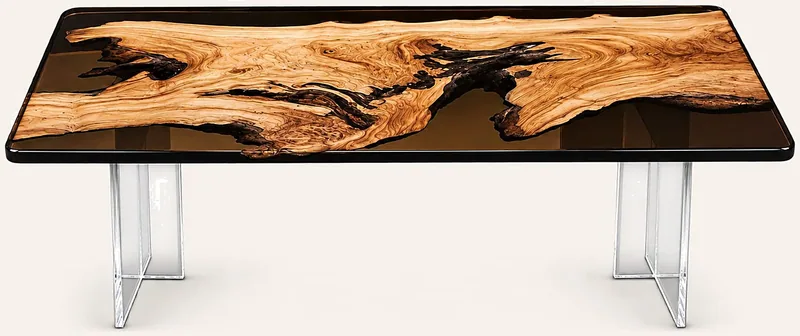
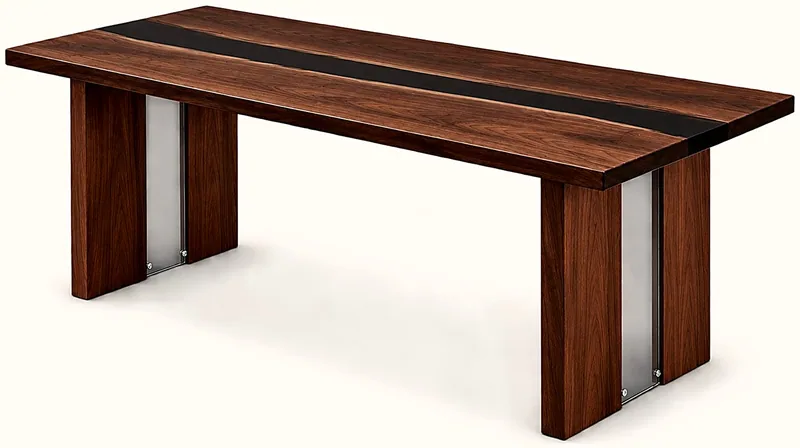
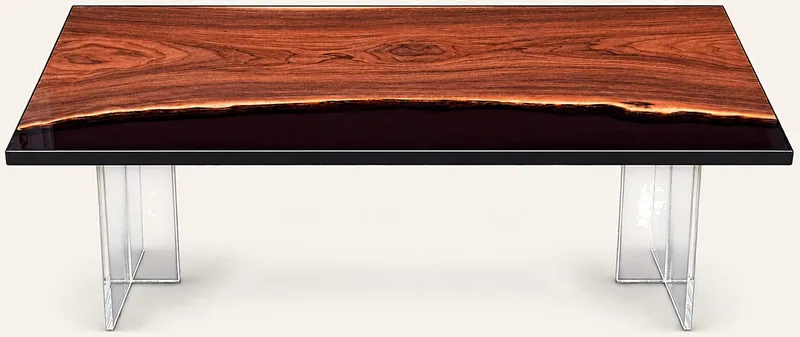
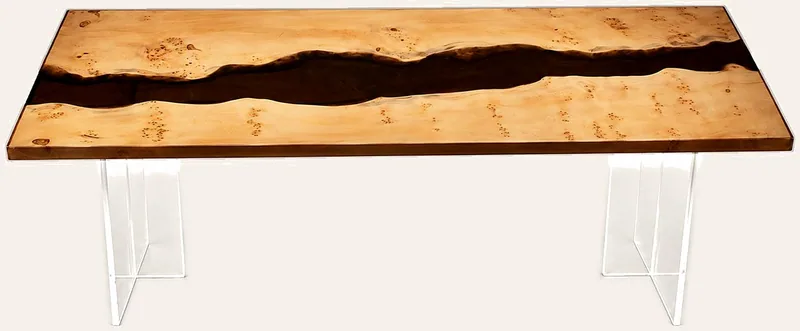
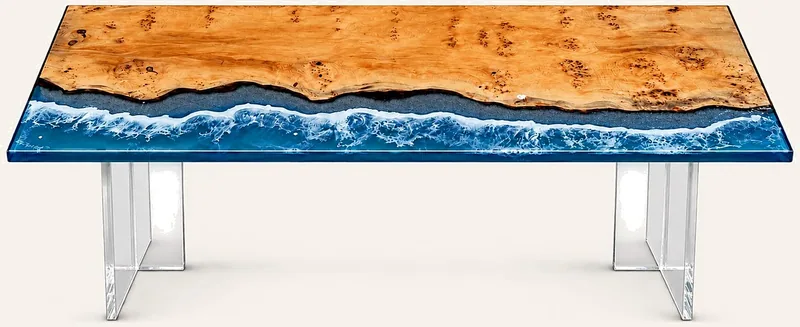
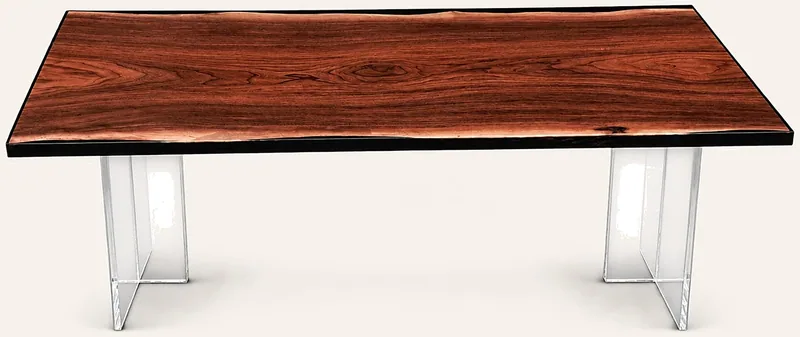
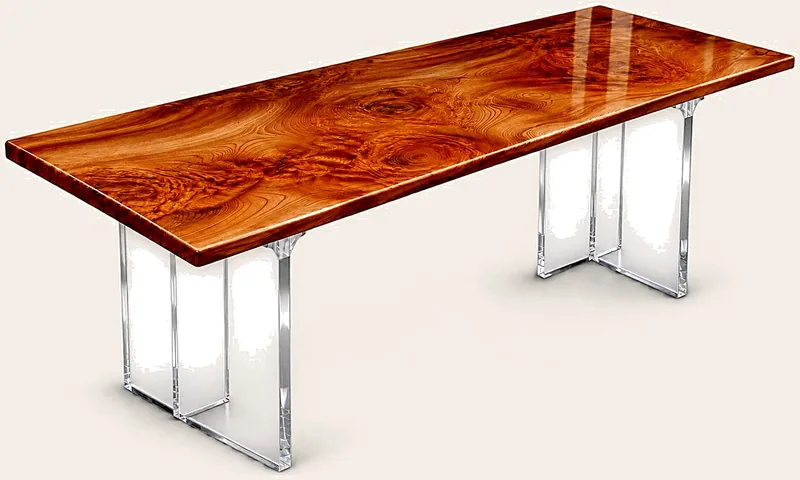
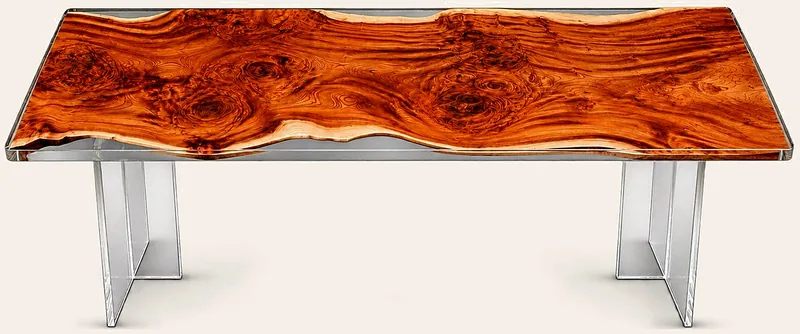
- Dining and meeting tables in the standard 2000 or 2200 by 800 by 755 mm format: Live-Edge Resin Table – Olive Wood (TVD-4372), Live-Edge Resin Table – Walnut Black (TVD-4373), Live-Edge Resin Table – Walnut Clear Legs (TVD-4374), Burl Wood River Table – Black & Blue Resin (TVD-4376), Ocean-Wave Resin Table – Burl Wood (TVD-4377), Solid Wood Table – Red Walnut Clear Legs (TVD-4378), Solid Wood Table – Amber Burl Finish (TVD-4380) and Live-Edge Resin Table – Amber Wood (TVD-4381).
- Made-to-order art tables with custom sizes: Custom Resin River Table – Classic Walnut (TVD-4385), Custom Ocean Resin Art Table (TVD-4386) and Custom Ice-Crack Resin Table (TVD-4387).
- Occasional pieces: Resin & Wood Console Table (TVD-4388), with a clear acrylic panel, and Round Resin Coffee Table (TVD-4390).
- Components: Table Leg Options – Wood, Acrylic & Metal (TVD-4382) and Sculptural Table Bases – Wood & Acrylic (TVD-4391), which are bought to support slab tops.
Two further tables, Live-Edge Resin Table – Burl Wood Inlay (TVD-4375) and Solid Wood Table – Dark Walnut Epoxy Edge (TVD-4379), share the dining format and are covered by their own guides.
Finishes and coatings
The Surface Coating Materials Regulations under the Canada Consumer Product Safety Act set limits on lead (90 mg/kg) and mercury in paints and coatings on furniture and on children's products. An epoxy topcoat, a resin-sealed finish, a stain or a painted metal leg is a coating in this sense. Ask us for a coating test report for the finish on the table you choose. Where a table is meant for a children's setting such as a daycare or a school, the lead rules for children's products also apply. Tinted resin deserves a specific question: ask what pigments the black, blue or amber colour uses, since pigment is where heavy metals can come from.
Food contact in restaurants
The Food and Drugs Act prohibits selling food in or with materials that may make it harmful. Health Canada does not pre-approve furniture, and nobody issues a certificate for a table top as such, but a restaurant owner or a public health inspector may ask whether a resin surface is suitable where plates and bread sit directly on it. Ask the factory for food-contact test reports on the cured finish, and plan to keep the cleaning instructions with the table. Provincial food premises rules expect surfaces to be durable and easy to clean, and some franchisors and landlords write their own requirements, so read your lease and franchise manual.
Wood panels and formaldehyde
The listed tables are described as solid wood or burl wood tops. Canada's formaldehyde emission rules apply to composite wood: hardwood plywood, particleboard, MDF and laminated products, with certification by an approved third party and labelling. If any version you order uses a panel, a veneer over board or a composite core, in the top, a base or a console, ask for the compliance certificate. Plain solid wood is a different question, and we confirm on the quote which material each part really is.
Legs, bases and clear acrylic
Acrylic and metal legs raise load and stability questions rather than certification ones. For tables with clear legs, such as TVD-4374 and TVD-4378, or the console with an acrylic panel, ask for the load the legs are designed for, how they fix to the slab and whether any part is glass. If a version includes glass, the buyer and the installer should ask for the safety information that applies to it. Choice of leg depends on table size and load, which is why the leg options listing exists. A restaurant seating guests along a 2200 mm top needs a different answer from a boardroom used for presentations.
Electrical items only if you add them
Nothing in the listed features is plugged in. If you ask for lighting in a base, a charging point or any mains part, then the electrical rules apply: electrical products sold or installed in Canada need a certification mark from a body accredited by the Standards Council of Canada, such as CSA, cUL or cETL, or a field evaluation label. A US-only mark is not enough, and a CE mark does not count in Canada. The CSA, cUL and cETL marks explained guide explains the marks.
Document checklist for the line
| Document | Why it matters | Who issues it |
|---|---|---|
| Coating test report (lead, mercury) | Surface Coating Materials Regulations for furniture and children's products | Test laboratory, via the factory |
| Food-contact test report on cured resin | Restaurants and inspectors may ask where food touches the top | Test laboratory, via the factory |
| Formaldehyde compliance certificate, if any composite panel | Composite wood emission rules | Approved third-party certifier |
| Leg and base load information | Safety and stability for the table size | Factory, confirmed on our quote |
| French instructions and care card, for Quebec | Charter of the French language | Factory or us, agreed before production |
| Electrical mark or field evaluation, if lighting or a plug is added | Electrical safety authority and insurer | Accredited certification body |
Provincial and seasonal points
Quebec buyers need instructions, labels and warranty documents available in French. Solid wood and slab tops can move in heated, dry winter interiors on the Prairies and in central Canada, and coastal British Columbia and Atlantic Canada are humid, so acclimatise a table before it goes into service, and approve photos of the actual top before shipment because each slab is unique. Crating matters for transport, and liquids and adhesives can freeze in winter transit.
If documents are missing
An inspector, landlord or franchisor can refuse a table that does not meet their finish or food-surface rules. A designer can reject a delivery when a custom piece is not what the approved photos showed. A made-to-order table is hard to return, so settle documents and approvals first.
How we handle it
Send a quote request with the model codes, sizes, the leg style and the delivery province. The written quote states price for the quantity, specifications, certification status, documents, packing, lead time and delivered cost. Payment is 30% deposit and 70% before release; many lines have a low trial minimum; products from several factories can share one container; and delivery goes to your site across Canada. See how ordering works, the Canada delivery hub for freight, and the Resin and Live-Edge Tables line page. The wholesale guide to resin and live-edge tables covers buying logic, and each table has its own guide, such as the olive wood table guide and the custom river table guide.