Certification guide ·
Rolled-Arm and Channel-Stitched Sofas in Canada: Compliance Checklist for TVD-9623 and Three More
Four rolled-arm sofas look alike but follow different compliance paths by material and base. Use this checklist before you pay a deposit.
Four rolled-arm sofas, four different compliance paths
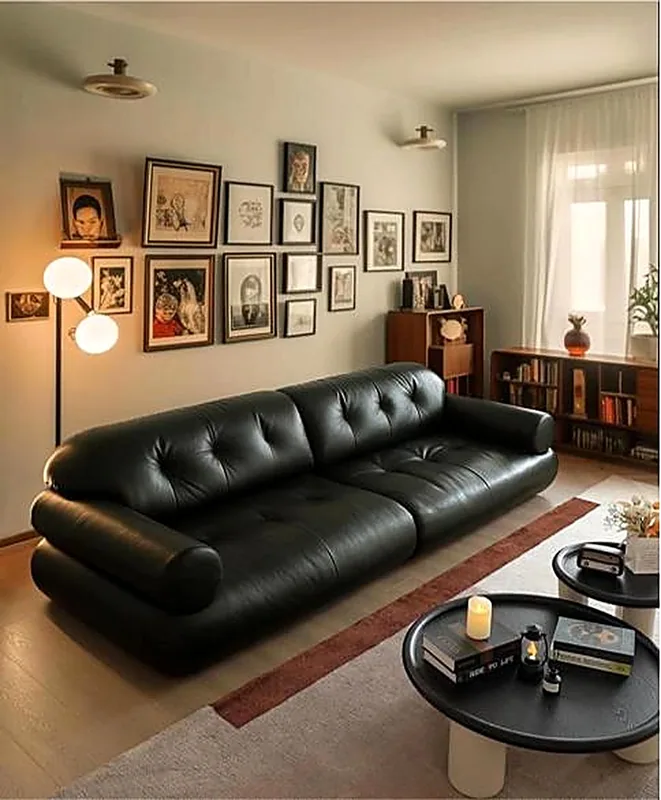
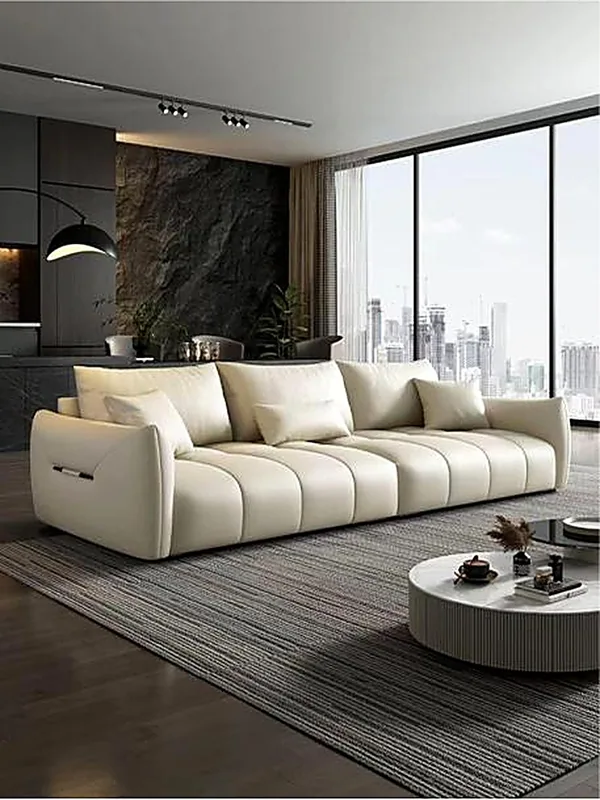
This guide covers four sofas from our Sofas & Sectionals line: White Channel-Stitched Sofa – Rolled Arms (TVD-9623), Black Leather Sofa – Rolled Arms (TVD-9629), Cream Boucle Sofa – Wood Sled Base (TVD-9679) and Cream Channel-Tufted Sofa – Rolled Arms (TVD-9689). Our product listing gives them the same features: an upholstered or leather sofa, in 2- to 4-seat and sectional layouts, with several colours shown. None of them has a certification mark on file, so we describe what a Canadian buyer must check rather than claiming anything is certified. The four are close in shape but not in material, and the material is what sends each one down a different path. For the styling side, read our guide to the four rolled-arm sofas.
Which rules touch which sofa
| Sofa | Material clue in the name | What to check | Main document |
|---|---|---|---|
| TVD-9623 white channel-stitched | Not stated | Upholstery labelling, flammability if tendered | Covering and filling statement |
| TVD-9629 black leather | Leather | Anti-dumping duty review, flammability if tendered | Covering statement and broker confirmation |
| TVD-9679 cream bouclé, wood sled base | Bouclé covering, wood base | Textile labelling, base finish, composite wood if panels are used | Fibre label and finish declaration |
| TVD-9689 cream channel-tufted | Not stated | Upholstery labelling, Textile Labelling Act | Covering and filling statement |
Duty: the leather sofa is the outlier
Upholstered domestic seating in leather, or with a motion or reclining mechanism, can attract anti-dumping and countervailing duty from the Canada Border Services Agency under the Special Import Measures Act; the combined duty can be very high, often more than the value of the goods. Fabric-only stationary seating is excluded. In this group, the black leather rolled-arm sofa is the one to take to the broker first. We confirm classification and origin before we quote a delivered cost, and we may source from another origin, so the duty question can change the answer on origin rather than the price alone.
Electrical: a conditional, not an assumption
Nothing in our listing shows a powered part on any of the four. If the version you order includes a powered recline, a charging port, an LED strip or a heated seat, it becomes electrical equipment. It then needs a certification mark from a body accredited by the Standards Council of Canada, such as CSA, cUL or cETL, or a field evaluation label from an accredited body. A US-only mark is not enough, and the European CE mark is not recognised in Canada as proof of compliance. Provincial electrical safety authorities, for example the Electrical Safety Authority in Ontario, enforce this, and an inspector can refuse uncertified equipment. Equipment rated 220 V and 50 Hz must be confirmed as built for Canadian 120 V or 240 V and 60 Hz. Our page on CSA, cUL and cETL explains the marks.
Upholstery, labels and Quebec
The regulation on stuffing and upholstered and stuffed articles in Quebec was repealed on 9 December 2021, so sofas and other upholstered articles sold there follow the federal Textile Labelling Act. Quebec retailers also expect labels, instructions and warranty documents in French under the Charter of the French language, and a bilingual label is part of selling prepackaged consumer goods across Canada. The Textile Labelling Act asks for fibre-content and dealer identity labelling on consumer textile articles, including cushions and upholstery fabrics sold as textiles. For the bouclé sofa, ask for the fibre content of the covering in writing.
Frames, feet and finishes
The sled base on the bouclé sofa is wood. If the base, or any frame panel, uses plywood, particleboard or MDF, Canada's formaldehyde emission rules for composite wood apply: products must meet the emission limits, be certified by an approved third-party certifier and be labelled. Ask for the compliance certificate, which is aligned with TSCA Title VI. If any part is painted or varnished, the Surface Coating Materials Regulations limit lead to 90 mg/kg in coatings on furniture. For projects that name a flammability standard, such as California TB117-2013, remember that it is a buyer requirement, not federal law.
Document checklist
- Written statement of covering and filling for each code.
- Fibre content for fabric and bouclé coverings, in a form that can go on a label.
- French-language labels and documents, if any sofa ships to Quebec.
- French-language labels, manual and warranty for Quebec buyers.
- Test report matching your tender's flammability standard, if one is named.
- Formaldehyde compliance certificate for any composite wood in the frame or base.
- Electrical certification for any powered feature in the version you order.
- Customs broker confirmation of classification and duty for the leather sofa.
What happens if a document is missing
A retailer may refuse to shelve a sofa without the Quebec label. A building inspector may refuse a powered feature that lacks a recognised mark. A tender buyer may reject a delivery that arrives without the requested test report. A leather sofa assumed to be fabric can be reclassified at the border. We prefer to find these issues before you pay the deposit, which is why the quote comes first.
How we handle it
Every order starts with a written quote showing price for the quantity, specifications, certification status and documents, packing, lead time and delivered cost. Where a mark is needed and not yet in place, we confirm certification status and supply the documents with the quote before you order, and a field evaluation may be an option for electrical items. The other group guides are the sofa and sectional compliance guide and the leather, motion and upholstered seating guide. Start with a quote request; payment is 30% deposit and 70% before release. Rules change, so confirm with the authority, your inspector or your customs broker; this is not legal advice.