Product guide ·
Zero-Pressure Deep Sleep Memory Pillow (TVD-4357) and Cool Zero-Pressure Pillow (TVD-4358)
Two memory foam contour pillows that look similar on paper but differ in width, height and cooling. Use this guide to decide which belongs on your beds or your shelves.
Two memory foam contours, one decision
The Zero-Pressure Deep Sleep Memory Pillow (TVD-4357) and the Cool Zero-Pressure Memory Foam Pillow (TVD-4358) both come from the same part of our pillows, toppers and bedding line. Both are memory foam contours packed one pillow per box. They are close relatives, which is exactly why buyers confuse them. The listed difference is small but real: one is the standard model and the other is described as cooling memory foam with a slightly broader and taller body.
| Code | Name | Listed size | Listed material | Notable |
|---|---|---|---|---|
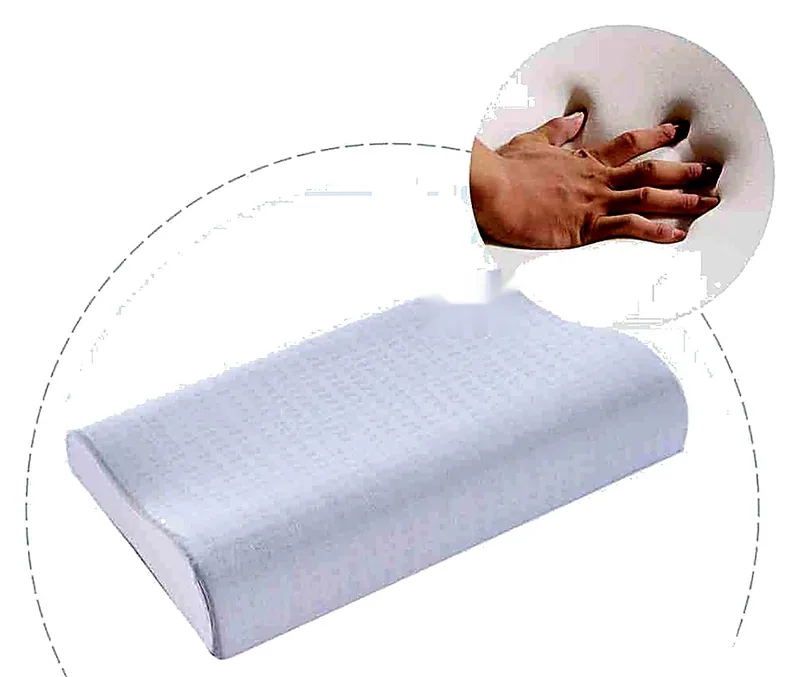
| TVD-4357 | Zero-Pressure Deep Sleep Memory Pillow | 60 x 35 x 8/10 cm | Memory foam contour | Two heights, 8 and 10 cm |
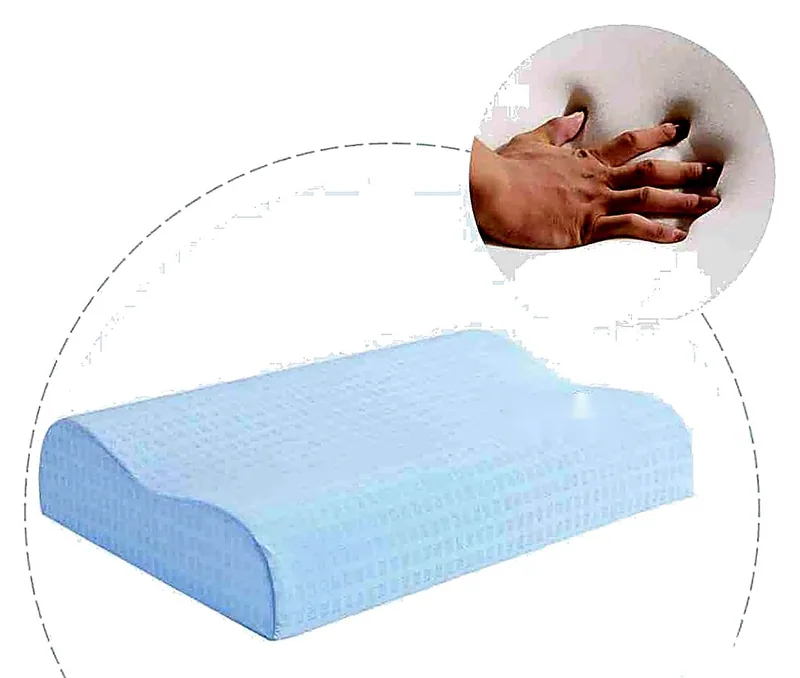
| TVD-4358 | Cool Zero-Pressure Memory Foam Pillow | 60 x 40 x 10/12 cm | Cooling memory foam | Two heights, 10 and 12 cm |
What the dimensions tell you
Both pillows are listed with two heights, written as 8/10 and 10/12 cm. That notation points to a contour with a lower and a higher edge, so a guest can flip the pillow to suit their neck. TVD-4357 starts 2 cm lower than TVD-4358 at each edge and is 5 cm narrower. In practice that makes TVD-4357 the better partner for a single or twin bed where space is tight, and TVD-4358 a more generous pillow for a queen or king layout where it can be paired with a second one.
Who buys the deep sleep model
TVD-4357 is a sensible entry point for business hotels, hostels and short-term rentals, where guests are of mixed build and the owner wants one simple contour on every bed. A lower first height also suits side sleepers with narrower shoulders and back sleepers who dislike a high neck angle. Retailers can place it as the core item in a sleep-support display, one box per pillow, easy to restack.
Who buys the cool model
TVD-4358 is listed as cooling memory foam. Buyers in warmer buildings, hotels with heavy summer occupancy and retailers targeting hot sleepers will look here first. We do not publish a cooling test result, so if cooling performance matters to your guests, ask for the supporting data and a sample to judge by hand before you commit to a quantity.
Choosing between them
- Fixed hotel standard on every bed: pick one model so housekeeping always knows what to restock. TVD-4357 is the lighter-footprint choice.
- Two-tier room grades: use TVD-4357 in standard rooms and TVD-4358 in upgraded rooms, so guests notice the difference without a pillow menu.
- Retail range: carry both and let the cooling label sell the higher tier of the two when you set your own shelf pricing.
- Rental units with limited storage: the narrower TVD-4357 takes less cupboard room.
How to specify them
- Fix the pillow height that matches your mattress thickness and guest profile; the lower and upper heights are both listed.
- Ask for foam density, rebound characteristics and the cover fabric, plus whether the cover is removable, since these decide laundry practice.
- State the pillowcase size you use so we can compare it with the listed 60 cm length.
- Request carton dimensions, gross weight and loading quantity per container.
- Name the province of sale so the labelling and French-language requirements are included in the quote.
- Ask for the minimum per model and the lead time, then plan a sample round before a trial order.
Canadian rules that touch a pillow
Neither pillow has a certification mark on file, and we make no certification claim for either. Pillows and cushions fall under the Textile Labelling Act, which requires fibre-content and dealer identity labelling on consumer textile articles. Prepackaged consumer products also need bilingual product identity and net quantity under the Consumer Packaging and Labelling Act. In Quebec, pillows need no stuffing permit number or label, because that regulation was repealed on 9 December 2021, but labels, instructions and warranty documents must be available in French. The Mattresses Regulations deal with mattresses; if you plan to add toppers to the same order, we check that rule on the toppers themselves. All rules change, so check with the authority or a customs broker. Our pillow and bedding compliance guide lists the document set we confirm with the quote.
Ordering and delivery
Send a quote request with both codes and the quantities you expect. We reply in writing with price, specifications, packing, lead time and delivered cost to your address. Low trial minimums are available on many lines, samples are available on most items with the sample cost usually credited to the first order, and goods from several factories can travel together in one container. Payment is 30% deposit and 70% before release. For the full sequence, see how ordering works. Sales tax depends on the province of delivery; our sales tax by province guide explains it. If your decision is between contour and other shapes, compare these two with the TPE contour pillows or the zero-pressure memory foam pillows.
A note on climate and storage
Canadian buildings are heated hard in winter, and dry indoor air does not trouble foam the way it troubles solid wood, but cold freight does matter for any compressed or boxed goods: ask us how the cartons will travel in winter and keep them in a heated receiving area before opening. Guests in coastal and Atlantic hotels deal with humid summers, which is where a cooling-labelled foam draws the most interest. Plan the split of your order by building rather than by region alone.