Product guide ·
Auditorium Seat – Tablet, Wood Panel (TVD-4247), Curved Panel (TVD-4254) and Wing Panel (TVD-4259)
Three fabric auditorium seats with wood armrests and shaped side panels. Here is what they share, how they differ and which room each suits.
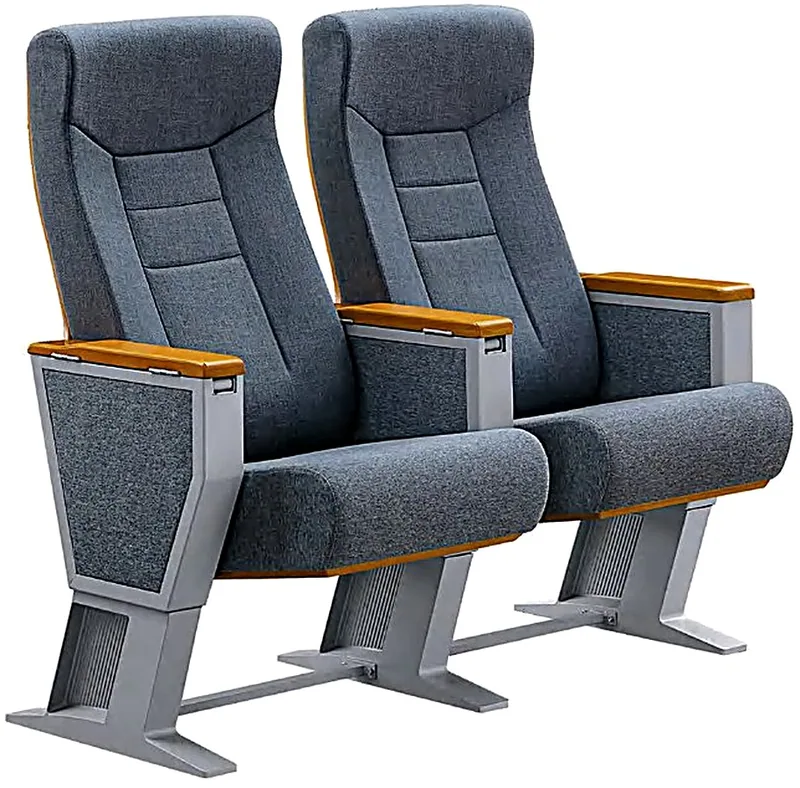
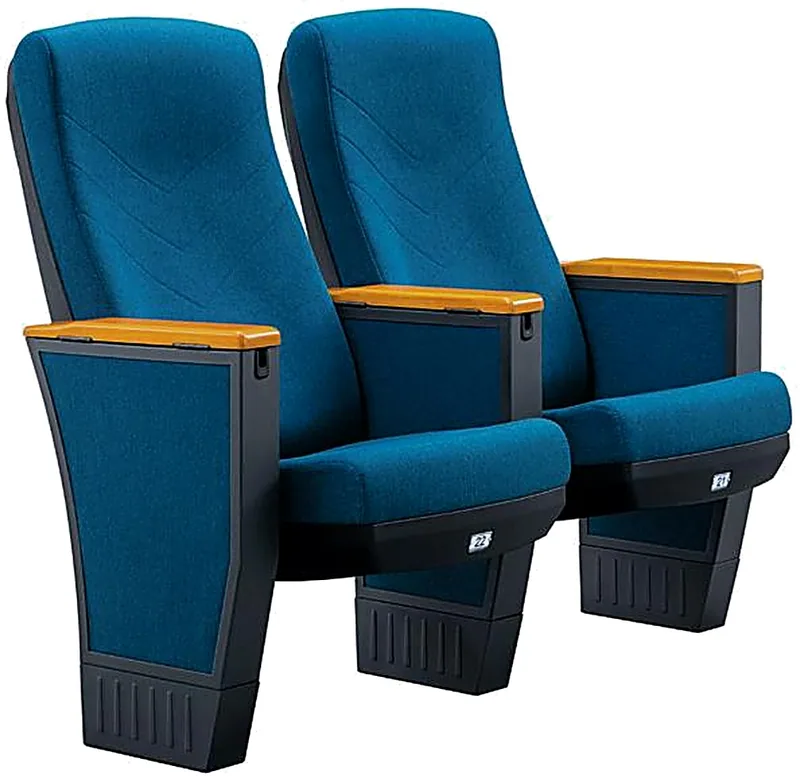
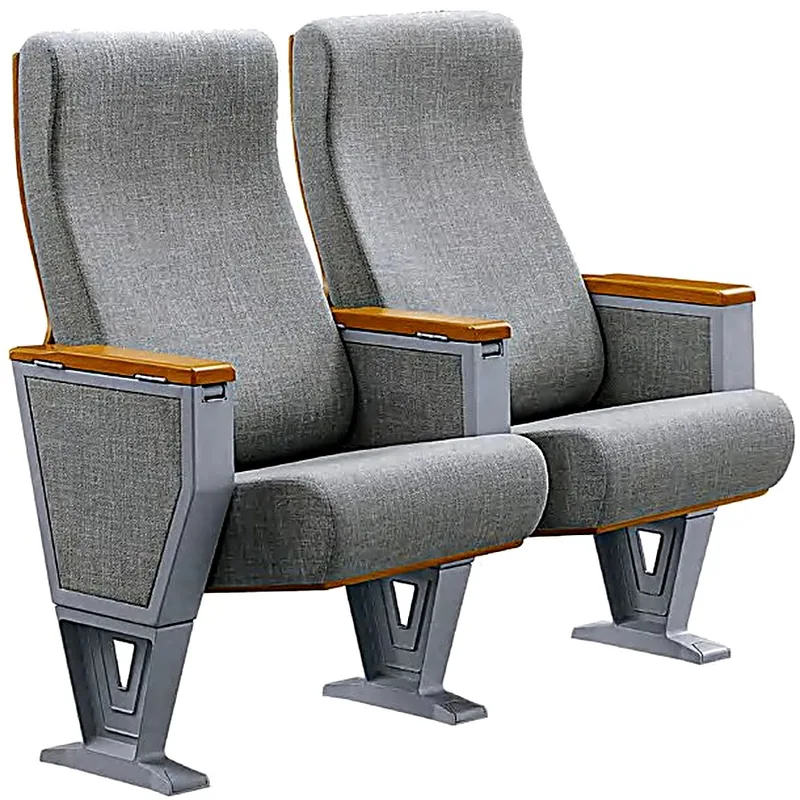
Three fabric auditorium seats in our auditorium and lecture seating line look alike on the page and are easy to confuse in a quote: the Auditorium Seat – Tablet, Wood Panel (TVD-4247), the Auditorium Seat – Curved Panel (TVD-4254) and the Auditorium Seat – Wing Panel (TVD-4259). Each is a fabric seat with a wood armrest and a shaped side panel. This guide is honest about what the listings tell us: the three share a basic concept and differ mainly in the shape of the side panel, the colours shown and the options mentioned. Where the listings do not say, the answer is confirmed on your written quote.
What the three seats have in common
- A fabric seat in a fixed auditorium layout, with a side panel at the end of each seat.
- A wooden armrest (the listing for TVD-4247 shows wood side panels; TVD-4254 and TVD-4259 show a wood armrest).
- A format suited to rows of seats in lecture rooms, school halls and theatres, where the visible differences are in the side profile and the fabric colour.
Because the listings are written differently, we cannot say the three are identical underneath. What shows is that they belong to the same family of fabric-and-wood seats. If you plan to mix them in one hall, ask us to confirm seat width, seat height, floor fixing and leg or frame type on the quote so the rows stay aligned.
How they differ
| Product | What the listing shows | What it tells you |
|---|---|---|
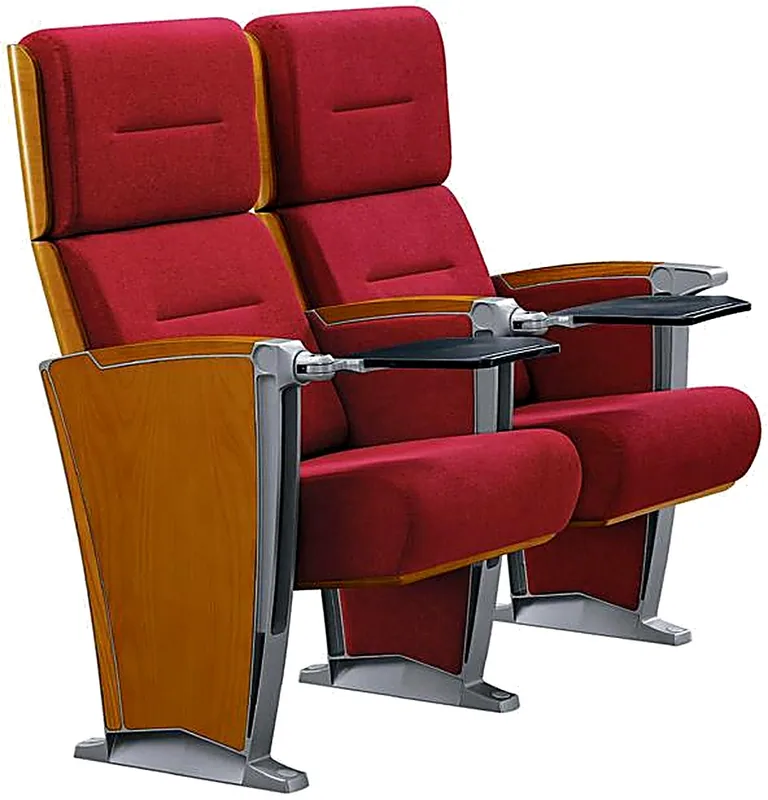
| TVD-4247 Auditorium Seat – Tablet, Wood Panel | Fabric seat with wood side panels, optional writing tablet, rear wood back option | The only one of the three that mentions a writing tablet and a wood back |
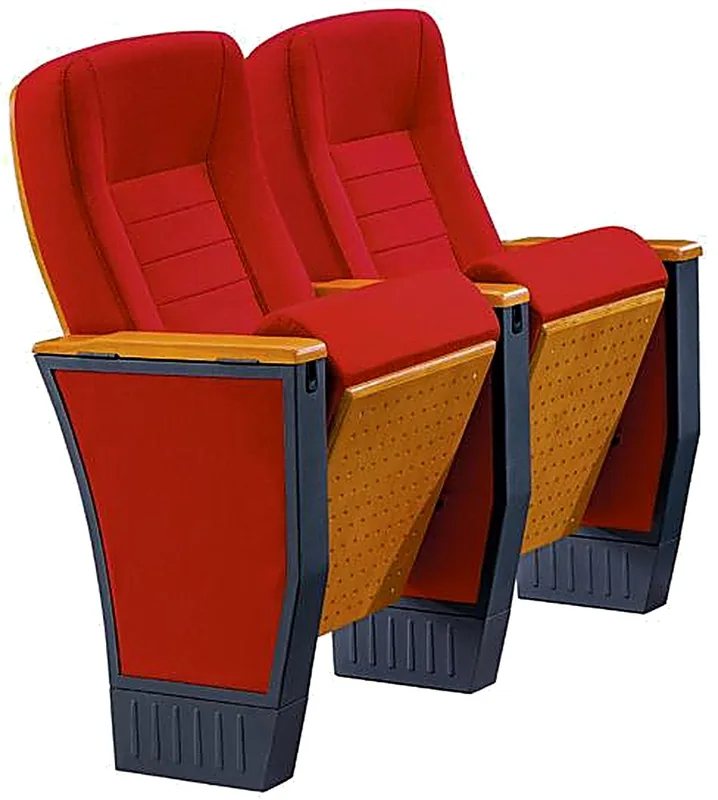
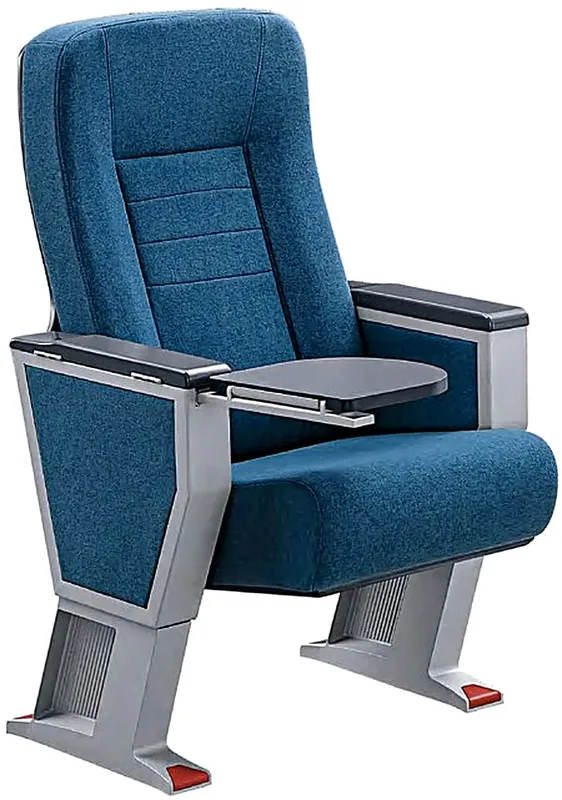
| TVD-4254 Auditorium Seat – Curved Panel | Curved fabric side panel, wooden armrest, blue and red fabric shown | A softer, curved end panel covered in fabric; the colour shown is blue and red |
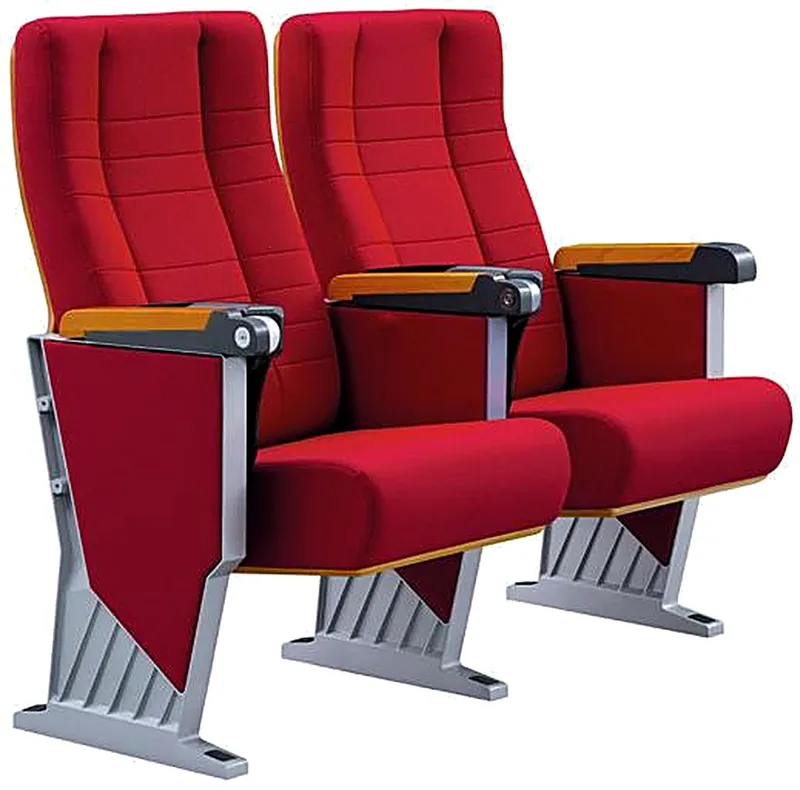
| TVD-4259 Auditorium Seat – Wing Panel | Fabric seat with wing side panel, wood armrest, cast aluminium legs | A wing-shaped side panel; the legs are cast aluminium |
Which seat suits which buyer
- TVD-4247 suits teaching spaces where students take notes: schools, colleges and training rooms that want an optional writing tablet and the option of a wood back for a more finished look from the rear of the row.
- TVD-4254 suits venues that want a softer, fabric-covered end of row, such as a church hall or a community theatre where a curved shape looks more welcoming than a flat panel. Ask for the colour range, since the listing shows blue and red.
- TVD-4259 suits rooms where the side profile is a design feature. A wing panel gives the aisle end a strong shape; the cast aluminium legs are worth asking about if you need to know the weight or the floor-fixing method.
Mixing the three in one order
A common approach is to use one model for the main body of seats and another for the aisle ends, or one model per section of the room. Mixing is possible if the dimensions match, so ask for: the seat width and depth of each, the seat height when open and when folded, the centre-to-centre spacing options and the fixing method. Products from several factories can share one container, and several seat models can travel in the same order. Send a room drawing with row lengths and floor slope so spacing can be set.
Canadian requirements to plan for
None of these three is certified on file with us today, so we make no compliance claim. Plan for the following. They are written as requirements and rules change, so confirm with the authority, your inspector or your customs broker; this is not legal advice.
- Fixed seating in assembly rooms such as auditoriums and theatres follows the provincial building and fire codes: layout, aisle widths and anchoring are checked by the authority, and the designer or fire official confirms what applies.
- Tenders often name a flammability test report for upholstery, for example California TB117-2013. Ask the factory for the fabric report that matches your tender.
- In Quebec, the permit number and label for upholstered and stuffed articles were repealed.
- Upholstery fabrics sold as textile articles need fibre-content and dealer identity labelling.
- If the wood parts are composite wood, formaldehyde emission rules require third-party certification and labelling.
- Coatings on furniture must meet lead (90 mg/kg) and mercury limits. Schools should ask for coating documents.
- Duty: very high anti-dumping and countervailing duty can apply to leather or motion upholstered seating from China; fabric-only stationary seating is excluded. Our customs broker confirms classification before we quote.
The full picture for the line is in our auditorium and lecture seating compliance guide.
Canadian use notes
Heated buildings in winter are dry in much of Canada, and wood panels and armrests may shift slightly; seats installed in an unheated church hall or a school gym should be fitted after the building is heated. Fabric colours look different under daylight and stage lighting, so ask for a physical swatch. Cartons come through Vancouver or Prince Rupert and travel by rail and truck to your site; check dock access for large cartons. Plan your delivered cost with the landed cost calculator and the sales tax guide.
Other seats worth a look
If a tablet arm on the side of the seat is a must, compare our TVD-4252 and TVD-4261 guide. For plain wood armrests and a grey fabric seat, see the TVD-4253 guide; for padded roll backs, the TVD-4255 guide; for a more angular leg, the TVD-4256 guide. The contoured fabric seat TVD-4244 is the one to read first if you want a standard fold-up seat.
How ordering works
Request a written quote through the quote page with seat count per model and delivery address. The quote shows price, specification, certification status, documents, packing, lead time and delivered cost. Samples are available on most items and the sample cost is usually credited to the first order; trial quantities are often low; payment is a 30% deposit and 70% before release. The steps are explained on how ordering works.