Product guide ·
Plastic & Wood-Leg Chairs TVD-4479 to TVD-4486: Dining, Café and Desk Seating from One Specification
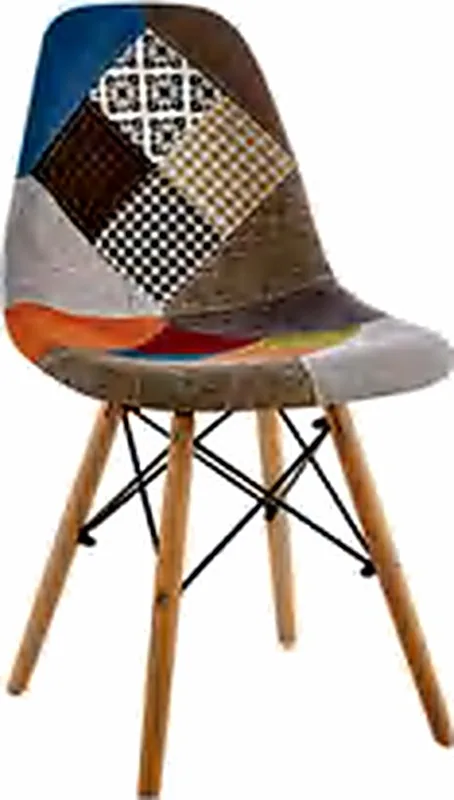
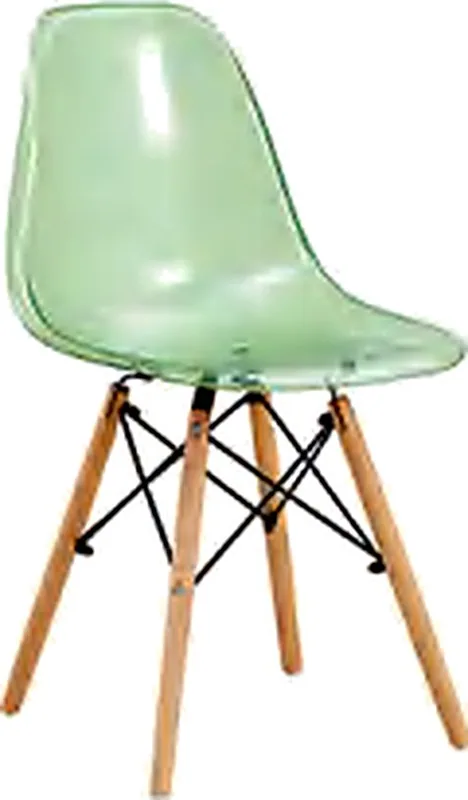
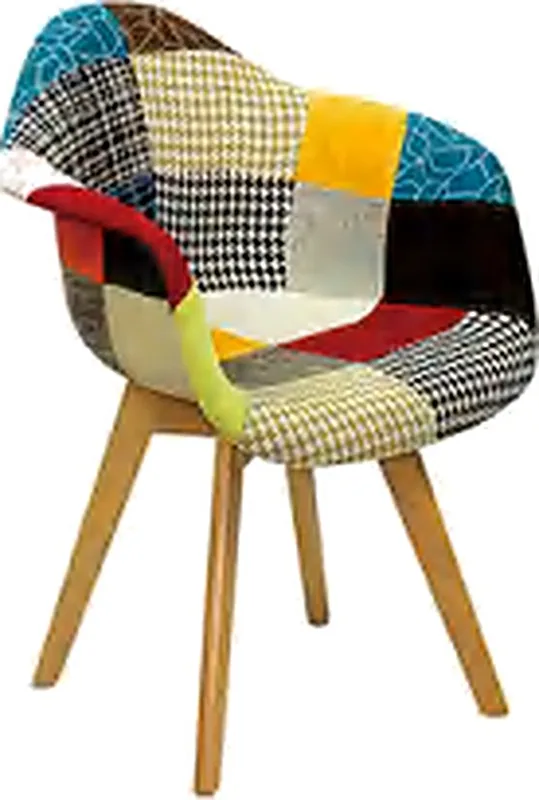
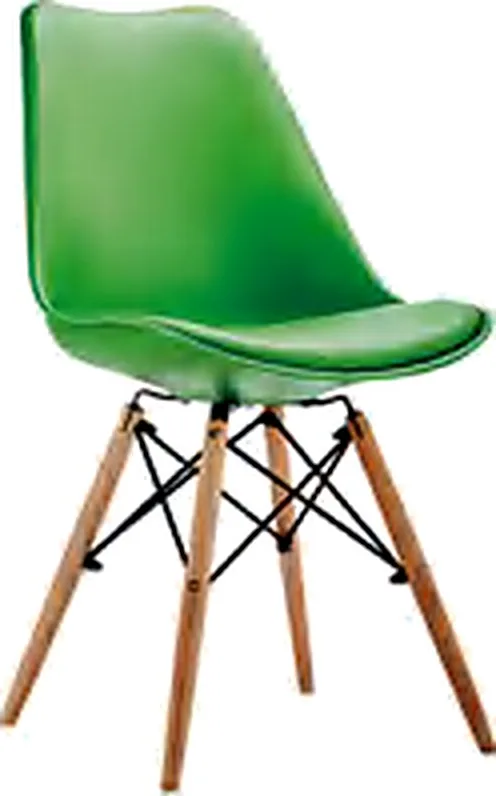
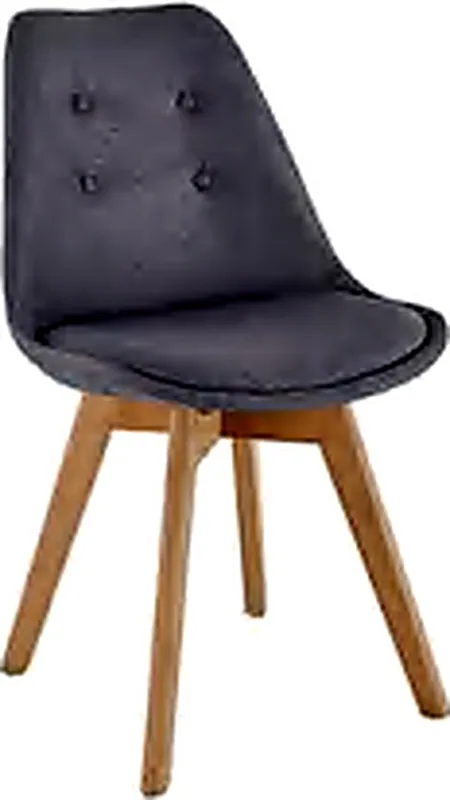
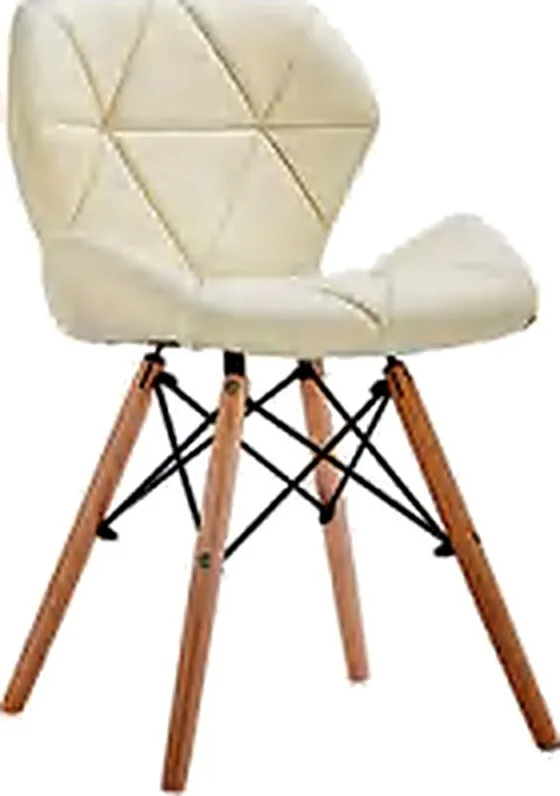
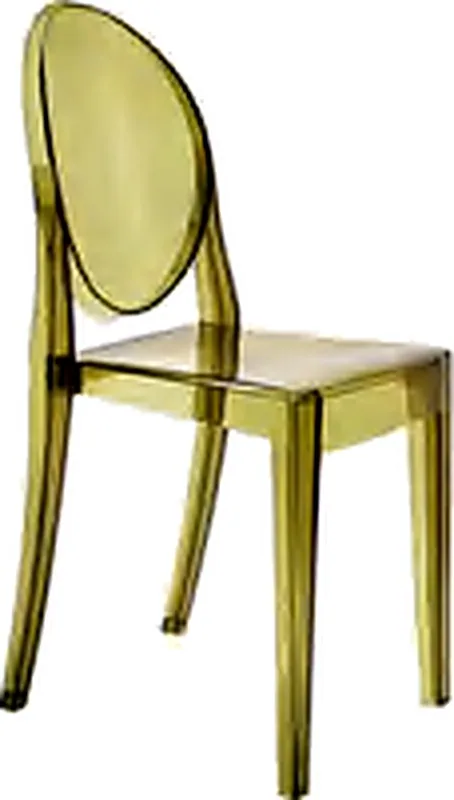
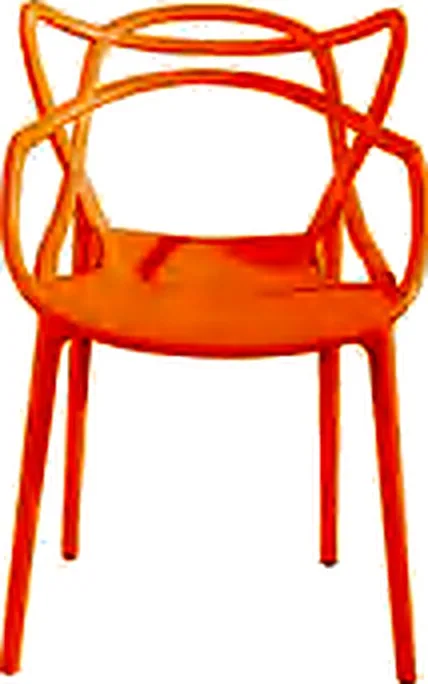
TVD-4479 to TVD-4486 share one listed specification: plastic, wood-leg and steel styles for dining, café and desk uses, with many colours on the page. Here is how to pick between them.
Eight chairs, three uses
The group begins with Plastic & Wood-Leg Chairs (TVD-4479) and runs to TVD-4486. Each listing says plastic, wood-leg and steel styles, for dining, café and desk uses, with many colours on the page. Because the listed features are the same, you are choosing a look and a role, not a different grade of product. All eight are linked here:
- Plastic & Wood-Leg Chairs (TVD-4479)
- Plastic & Wood-Leg Chairs (TVD-4480)
- Plastic & Wood-Leg Chairs (TVD-4481)
- Plastic & Wood-Leg Chairs (TVD-4482)
- Plastic & Wood-Leg Chairs (TVD-4483)
- Plastic & Wood-Leg Chairs (TVD-4484)
- Plastic & Wood-Leg Chairs (TVD-4485)
- Plastic & Wood-Leg Chairs (TVD-4486)
Sorting by role
Three uses are named in the listing, and each has a different priority.
- Dining: comfort across a meal and a profile that suits the table. Wood-leg styles read as furniture.
- Café: chairs that are light, quick to wipe and easy to move. Plastic seats with steel legs suit this.
- Desk: chairs that sit at a desk or workstation for longer periods. Ask for seat height and the shape of the back, since a chair that suits a low café table can be uncomfortable at a desk.
How the three leg and shell styles differ
| Style | Look | Best for | Ask on the quote |
|---|---|---|---|
| Plastic shell, wood legs | Warm, domestic | Dining rooms, bakeries, offices | Wood type and finish; joint design |
| Plastic shell, steel legs | Neutral, utilitarian | Cafés, canteens, workstations | Leg finish; foot protection |
| Plastic, other styles | Varies by page | Check each page | Dimensions and weight capacity |
A practical way to choose
- Decide the role first: dining, café or desk.
- Open the eight product pages and shortlist two shapes for that role.
- Check colours on the page and note the reference for each.
- Ask for seat height and compare to your table or desk height.
- Order samples of the two finalists and test them for twenty minutes of real sitting.
- List the codes and quantities on one quote request.
Mixing codes
A restaurant might take one code for the main floor and another in a second colour for a terrace room. An office might take one wood-leg code for the meeting area and one steel code for desks. Different codes share a specification, so a mixed order is straightforward; we price and pack them on one quote, and minimums per colour or shape are confirmed in writing.
Neighbouring products
For a different single product with the same idea, Plastic Chairs with Wood Legs (TVD-751) lists moulded shells with beech-wood legs for cafés, offices and schools. For plastic chairs built to stack outdoors, Stackable Plastic Café Chairs (TVD-752) is listed for indoor and outdoor use. If the room needs a metal frame, Metal Bistro Chairs (TVD-753) lists powder-coated steel. This group is best when you want several looks and roles from one family.
Spares, cleaning and floor protection
Plastic and wood-leg chairs are low-maintenance, but plan for it. Wipe the shell with mild soap; wood legs need a damp cloth and no soaking. Keep spare chairs of each code so a damaged one can be replaced, and fit glides to suit your floor: felt on hard floors that need protection, plastic on carpet. In a school or office, record which code sits in which room so replacements match.
Canadian use notes
In heated Canadian interiors winter air is dry, and wood legs can move slightly, so let the chairs acclimatise before putting them into service. Plastic seats can feel stiff and cold from winter freight; leave cartons to warm before assembly. On a patio, plastic chairs may be exposed to sun and cold, so ask us before using any of these outdoors; our listing does not name outdoor use. For regional logistics see the Canada delivery hub and the Canada furniture page.
Rules to check
The listed features show plastic, wood and steel with no padding. A fibre-content label under the Textile Labelling Act applies only if a version you order has a padded seat. Wood legs must meet the coating lead limit for furniture, and any panel parts such as plywood or MDF must meet the formaldehyde emission rules for composite wood, including approved third-party certification and labelling. If chairs go to a school or daycare, children's furniture rules apply, including the lead rules for children's products. For desk use, buyers sometimes ask for office-seating test reports such as BIFMA X5.1; that is a buyer specification, not federal law. No certification is stated for these listings; we confirm certification status and supply documents with the quote before you order. Rules change, so confirm with your inspector or customs broker. This is not legal advice. See also our dining and café chair compliance guide.
Ordering
Request a written quote through the quote form with codes, colours and quantities. The quote states price for the quantity, specifications, certification status, packing, lead time and delivered cost. Samples are available on most items, with the cost usually credited to the first order; payment is 30% deposit and 70% before release. Steps are on the ordering page, taxes in the sales tax guide, and the line page shows the wider range.