Certification guide ·
Folding Beach Chair with Wheel (TVD-3335): Canadian Certification and Compliance Guide
There is no single mark a folding beach chair must carry in Canada, but there are labels and documents a pillow headrest and fabric seat call for. Here is the checklist, and where we stand on this chair.
Where this chair stands today
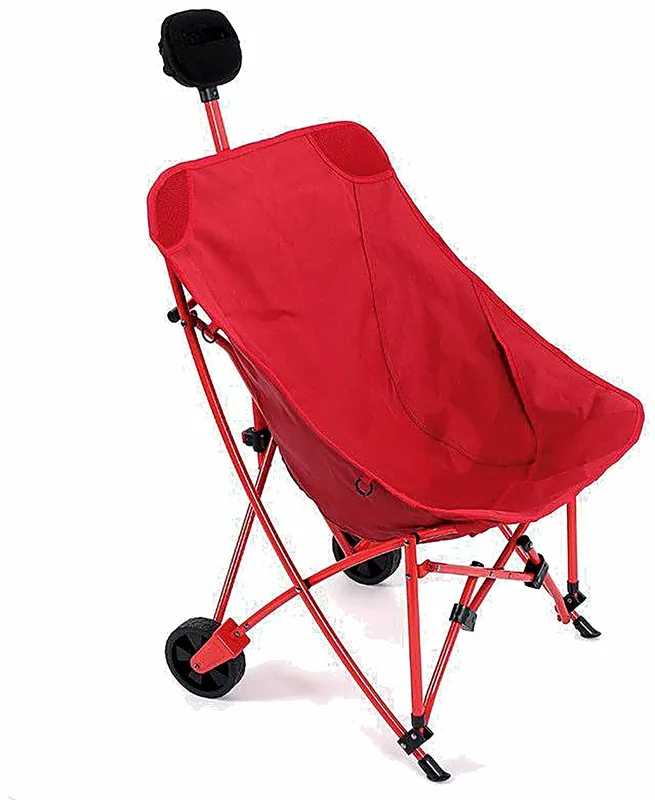
The Folding Beach Chair with Wheel (TVD-3335) has a compact folding frame, a built-in carry wheel and a pillow headrest. Our position is plain: we do not hold a certification mark for it, and we make no claim that it is certified, listed or approved by any body. That is normal for a consumer seating product, because a folding beach chair is not an electrical, gas or food-contact item and there is no single mark that Canadian law asks it to carry. What a Canadian buyer does need is a set of documents and labels that match what the chair is made of. This guide sets them out, and our product guide for the TVD-3335 covers specification and ordering.
The rules that apply to a chair with a pillow
Consumer product safety. The Canada Consumer Product Safety Act applies to consumer products. It prohibits products that are a danger to human health or safety, requires incident reporting and allows recalls. Health Canada enforces it. For a chair, that means the frame, hinges and wheel should not create a pinch, tip or collapse hazard in normal use, and a seller needs to be ready to report incidents.
Textile Labelling Act. The pillow headrest and any fabric seat are consumer textile articles. They need fibre-content and dealer identity labelling when sold to consumers. A retailer will ask for the fibre content of the fabric and the filling, so ask the factory for it early.
Textile labelling and French wording. Quebec's old stuffing law, which once called for a permit number and label on pillows and cushions, was repealed in December 2021. Today the federal Textile Labelling Act (fibre content and dealer identity) and the CCPSA are the rules to plan around. If the headrest is stuffed, Textile Labelling Act fibre-content labelling applies to it.
Packaging and French. If the chair is prepackaged for retail, the Consumer Packaging and Labelling Act requires bilingual (English and French) product identity and net quantity plus the dealer’s name and place of business. In Quebec, the Charter of the French language requires labels, instructions and warranty documents to be available in French. Retailers in Quebec will ask for this.
Coatings. If the frame is painted or powder-coated, the Surface Coating Materials Regulations limit lead (90 mg/kg) and mercury in coatings on furniture. This matters most for chairs used by children, such as at a summer camp.
Document checklist
| Document or label | Why a buyer needs it | Who issues it |
|---|---|---|
| Fibre-content information for fabric and pillow filling | Textile labelling for consumer sales | The factory, checked by us before the quote |
| Fibre-content and dealer label | Required on consumer textile articles sold in Canada | The dealer or supplier; we confirm the route on the quote |
| Coating test information | Evidence for lead and mercury limits on painted parts | The factory or a test laboratory |
| French labels, manual and warranty | Quebec language rules and retailer acceptance | We coordinate with the factory |
| Bilingual packaging details | Consumer packaging rules for retail packs | The factory or the importer of record |
| Flammability report, if your tender asks | Contract buyers sometimes specify it for upholstery | The factory or a test laboratory, to the standard in your tender |
CE marks and Canadian rules
If a European buyer has shown you this chair with a CE mark, that does not matter for Canada. Canada does not recognise the CE mark as proof of compliance for consumer products. The Canadian rules above still apply, and the documents in the table are what a Canadian retailer, inspector or hotel purchasing office will ask for. Because the chair has no powered part, the electrical certification marks (CSA, cUL, cETL) do not apply to it. If a version you are offered adds lighting or a charging port, tell us and the electrical rules change; see our guide to CSA, cUL and cETL marks.
What happens if a document is missing
- A retailer can refuse to list the chair, or return a shipment, if textile labelling or French wording is missing.
- A sale of stuffed textile articles without the fibre-content label can attract enforcement action or a retailer's refusal.
- If a product is found to be a danger to health or safety, the CCPSA allows recalls, so a seller needs a plan for incident reports and recalls.
- A hotel, camp or municipality that asked for flammability reports can reject chairs delivered without them, even though the report is a buyer specification and not federal law.
How we handle it
When you ask for a quote on the TVD-3335, we confirm the fabric and filling, the pillow construction, the coating information and what French and bilingual material is available, and we supply the documents with the quote, before you order. If a document is not available from the factory, we say so on the quote and discuss a route, such as a test through an accredited laboratory, before any deposit is paid. Rules change and are enforced provincially, so confirm requirements with the authority, your inspector or your customs broker. Nothing here is legal advice.
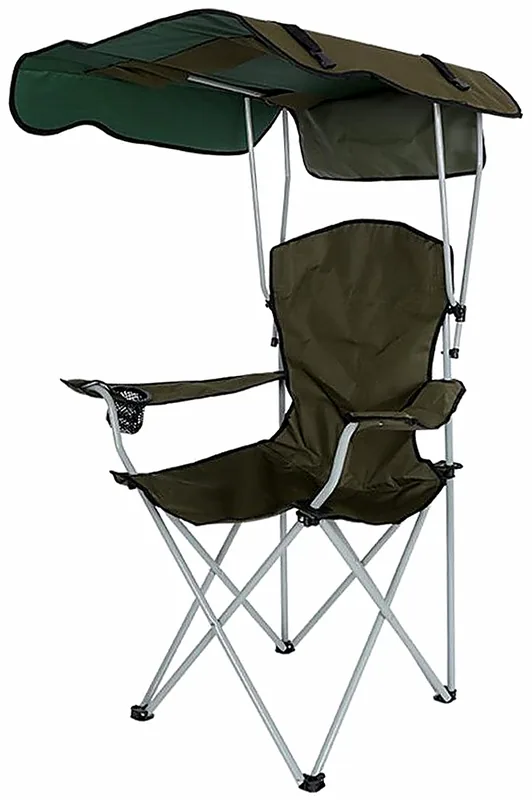
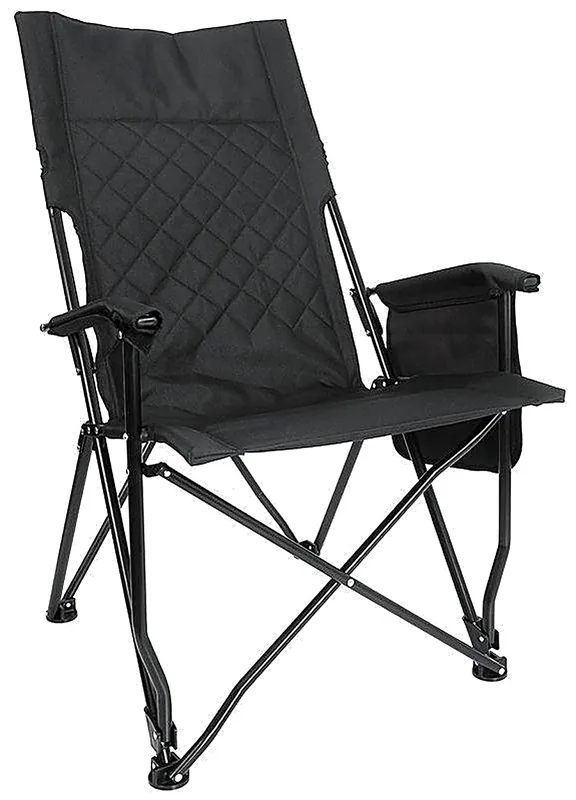
Chairs from the same line follow similar rules, and our canopy chair and padded camp chairs pages say how the upholstery points apply to them. For the regional picture, see the Manitoba folding furniture guide. To start, send a quote request and see how ordering works; payment is 30% deposit and 70% before release.