Certification guide ·
Importing Home Decor into Canada: Glassware, Candle Holders, Terrariums and Lit Pieces
Most home decor is simple to import and a few pieces are not. Here is how to tell which rules apply to a vase, a candle jar, a food cover or a USB-powered light.
The home decor line is wide: more than forty products in glass, metal, wood and ceramic, from a pink ribbed vase to a wall clock. Because the materials and uses vary, so do the questions an importer should ask. This guide sorts them by what the product does, not what it is called. It applies to the home decor line as a whole.
Certification status: no certificate is on file for any product in this line. We do not describe any of them as certified. We confirm certification status and supply the documents with the quote before you order.
Group 1: decorative glass that holds nothing edible
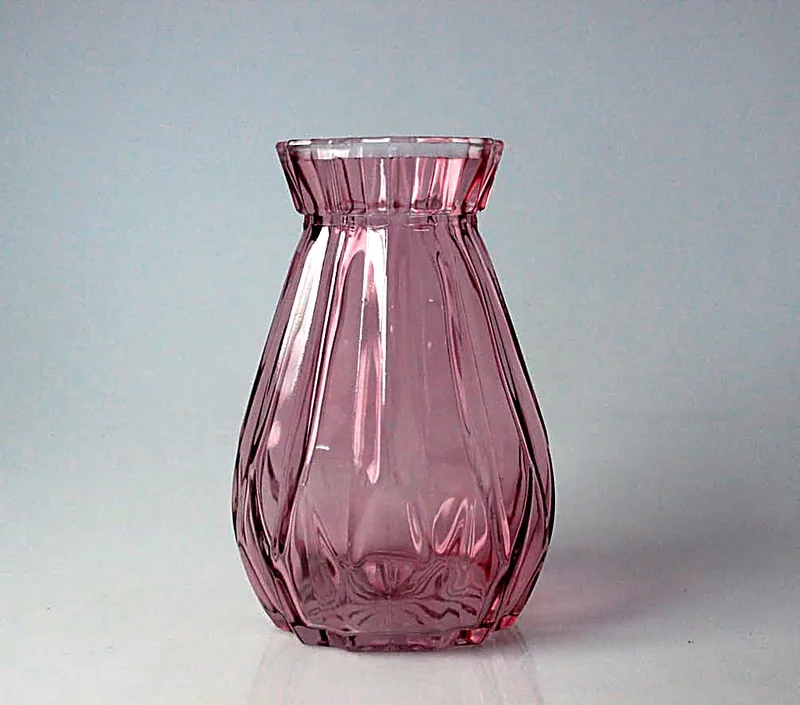
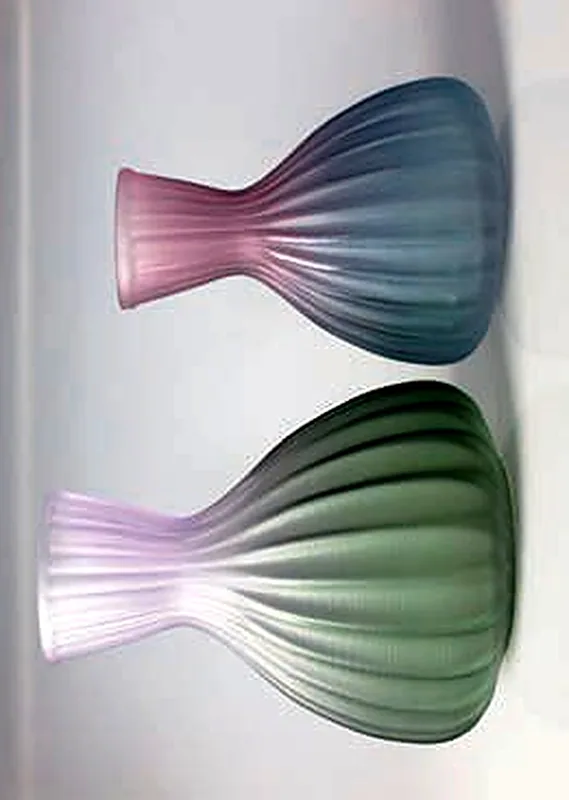
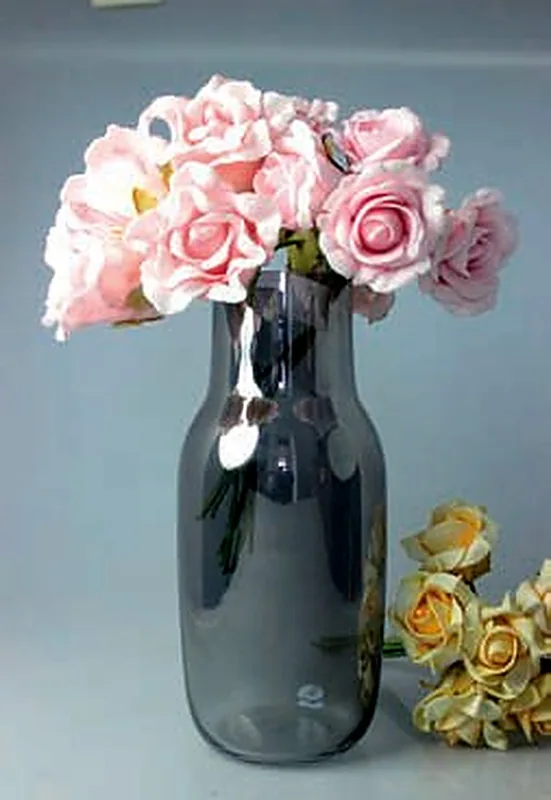
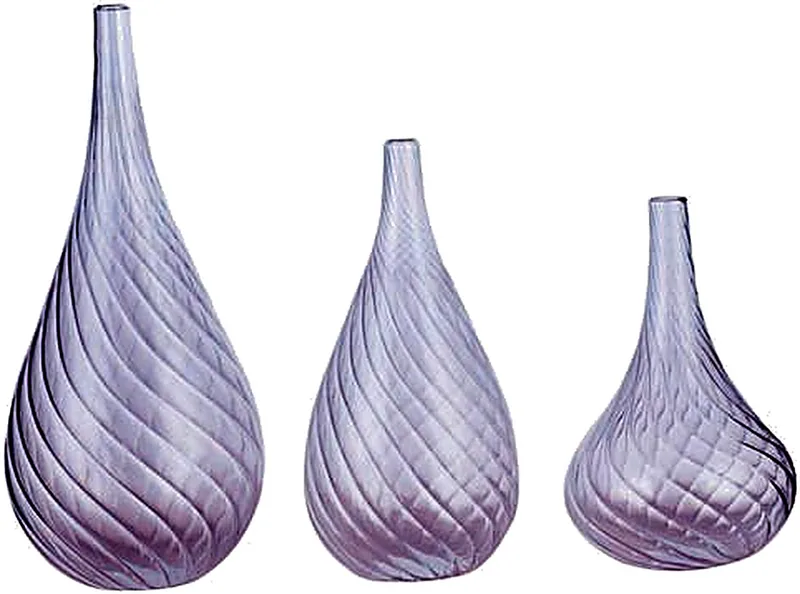
Vases, terrariums and display domes are the bulk of the line. Examples include the Glass Vase, Pink Ribbed (TVD-2022), the Smoke Glass Bulb Vase (TVD-2024) and the Swirl Glass Vases (TVD-2026). No Canadian certification mark is required for a decorative glass vase as such. What applies is the general duty of the Canada Consumer Product Safety Act: a consumer product that is a danger to health or safety is prohibited, incidents must be reported and recalls are possible. For glass the practical issues are thickness, edges and stability. A tall narrow vase that tips when filled can cause injury, and the quote should show glass thickness and base dimensions.
Group 2: glass that touches food or drink
Some pieces may be used to serve or cover food. The Glass Cloche Cover (TVD-2035) is described as a cake and food cover. The Glazed Ceramics and Glassware Regulations under the CCPSA set limits on lead and cadmium that can leach from glazed ceramics and glassware that contact food, and decorated rims or printed and metallic decoration near the lip are a known risk. The Food and Drugs Act also prohibits selling food in or with materials that may make it harmful. Health Canada does not pre-approve kitchenware. In practice, buyers ask the factory for a lead and cadmium test report and, for food-contact items, food-contact migration test reports. If a customer could eat or drink from or under a decor item, ask for those reports before you order. Wood bases and finishes on food items should be covered by a food-contact test on finishes and glues.
Group 3: candle holders and lanterns
Hurricane holders, tealight holders and lanterns are made to hold a flame, but nothing in our listings states that a given piece has been tested for use with a flame, so treat heat resistance as a question for the quote. Ask for glass thickness, whether the glass is heat-treated and the maximum size of candle the holder takes. Include these warnings in your own retail materials: never leave a burning candle unattended, and keep flames away from greenery and fabric. The Christmas Glass Candle Jar (TVD-2044) and metal lanterns such as TVD-7651 raise the same questions, with metal edges and carry handles added.
Group 4: anything with lights or a power source
Two products in the family carry electrical content: the LED Rose Glass Dome (TVD-2034) with LED fairy lights, and the Transparent LED Vase Light (TVD-8477), described as USB powered. A product that plugs into the mains, or that comes with a mains adapter, needs Canadian certification, from a body accredited by the Standards Council of Canada: CSA, cUL, cETL or a field evaluation label. A US-only UL or ETL mark is not enough, and a CE mark is not recognised. A USB-powered light usually needs a power adapter, and if we supply one, that adapter must carry a Canadian mark too. Battery-only items follow general consumer product safety rules, and lithium batteries have shipping rules. See the marks explainer. The same logic applies to a wall clock or a mirror with a battery or a light.
Group 5: planters, bowls and ceramics
Painted ceramic planters such as TVD-2948 are decor, not tableware, and should be sold that way. Glaze lead and cadmium limits matter if a customer might serve food in them, and so a test report is sensible even for planters sold to a broad audience. Metal and wire items, such as the wire fruit bowl (TVD-2943), raise the Consumer Products Containing Lead Regulations question if they might be used as kitchen utensils, and a food-contact test applies if fruit sits directly on the wood base.
Documents to ask for
| Document | Why | Who issues it |
|---|---|---|
| Lead and cadmium test report for glass and ceramic items that might contact food | Glazed Ceramics and Glassware Regulations; retail buyers ask for it | Testing laboratory, through the factory |
| Food-contact test reports where food may touch the product | Food and Drugs Act; Health Canada does not pre-approve kitchenware | Testing laboratory, through the factory |
| Canadian certification mark or field evaluation for powered items | Inspectors, insurers and retailers can refuse uncertified electrical goods | Accredited certification body |
| Glass thickness and packing specification | Breakage and injury risk | Factory, confirmed on the quote |
| Bilingual label artwork and dealer details | Prepackaged consumer goods need English and French identity and net quantity | Agreed with you at the packing stage |
| French instructions and warranty text (Quebec) | Charter of the French language | Prepared with the order |
Provincial and customs notes
Electrical enforcement sits with provincial and territorial electrical safety authorities, and Quebec adds the French-language layer for labels, manuals and warranty documents. Duty depends on tariff classification and origin, and GST, HST, PST or QST apply by delivery province. Our customs broker confirms classification before we quote a delivered cost. The sales tax guide explains the provincial side.
If something is missing
A missing lead test on a glass item meant for food can make a retail buyer refuse the range. A missing electrical mark on a lit vase can see goods held or an inspector decline them. Broken glass in a carton is the most common problem of all, and it is a packing question, not a certification one. Plan for breakage and decide in advance how it is handled.
How we handle it
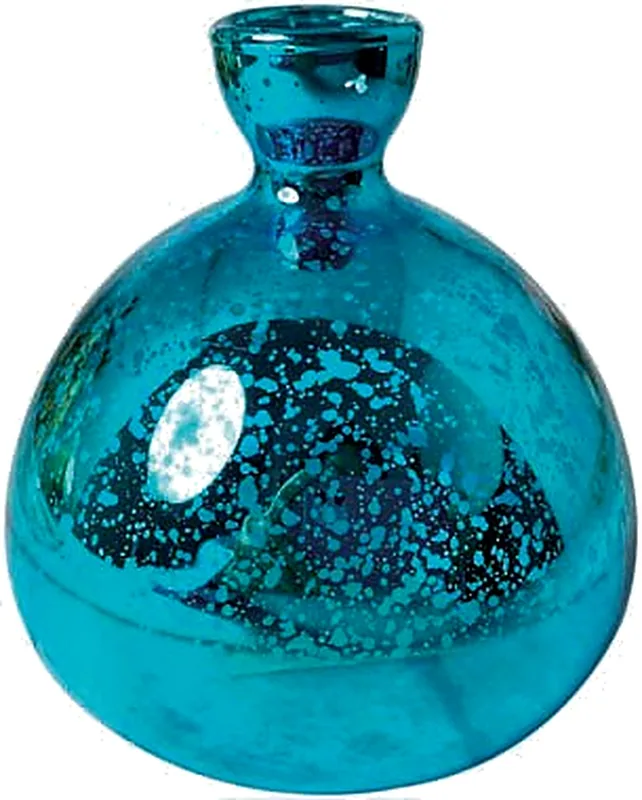
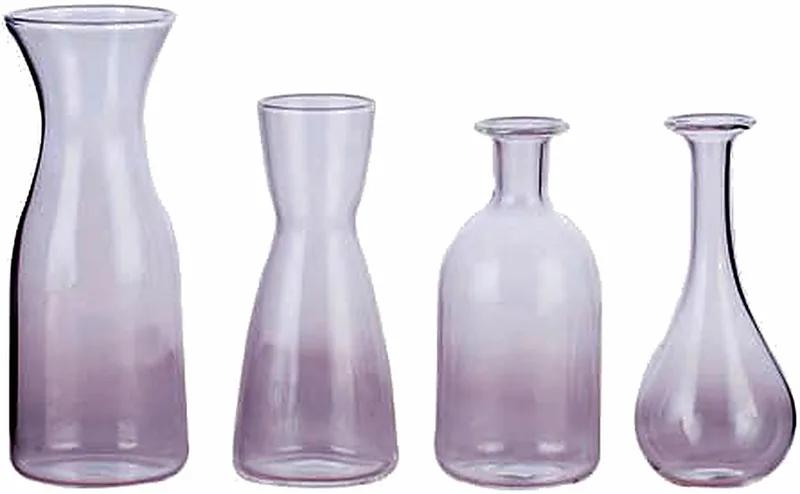
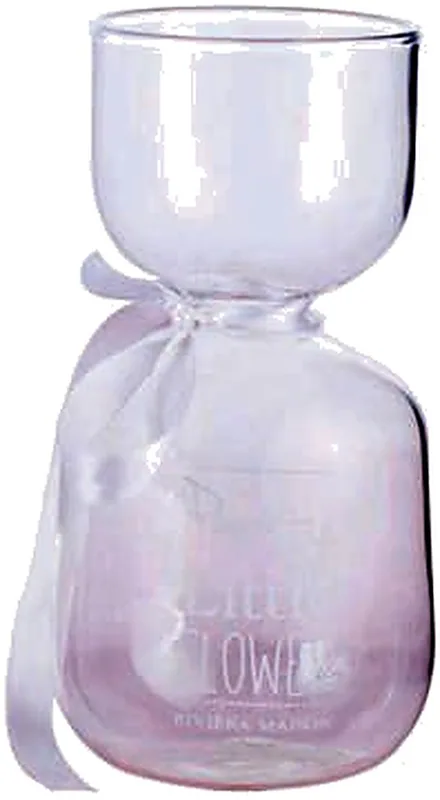
Every order is quoted in writing with the specification, certification status and documents, packing, lead time and delivered cost to your address. Samples are available on most items, usually credited to a first order, and products from several factories can share one container. Payment is 30% deposit and 70% before release. Rules change and this is not legal advice: confirm with your customs broker, inspector or provincial authority. For product detail see the gradient shell vase, clear glass bud vases and mercury-finish vase guides, and then request a quote.