Certification guide ·
Angels, Figurines and Nativity Sets in Canada: The Rules for Unlit Religious Pieces Before You Import
Unlit resin angels and nativity sets avoid the electrical rules, but not every rule. Here is what applies to them, what is on file for each, and what to ask your supplier and broker.
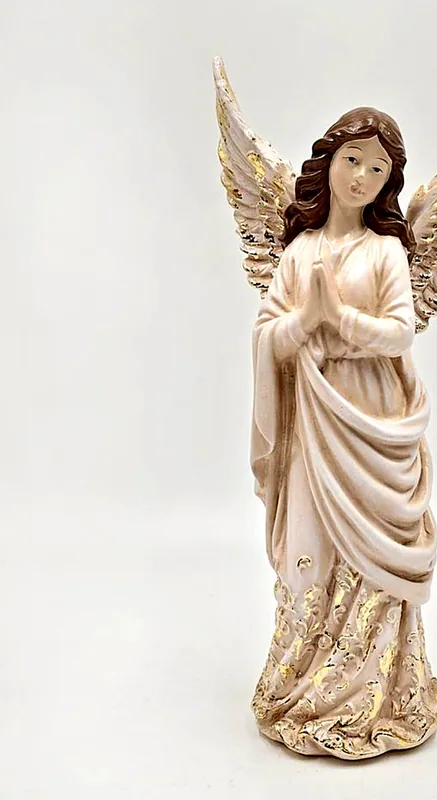
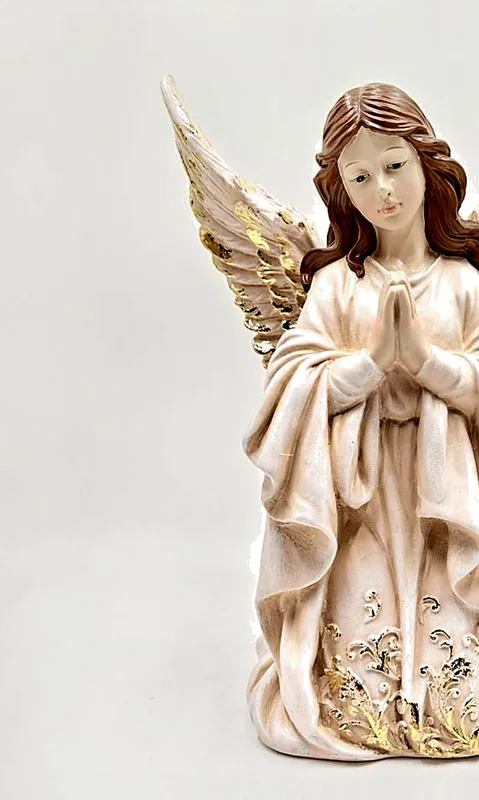
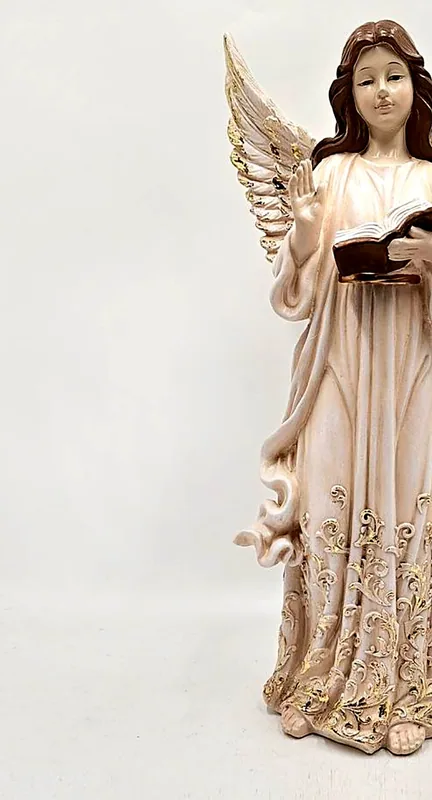
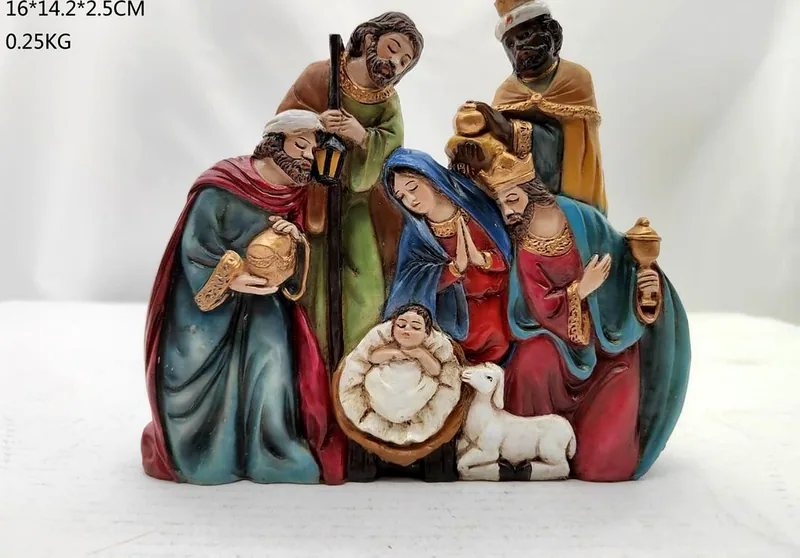
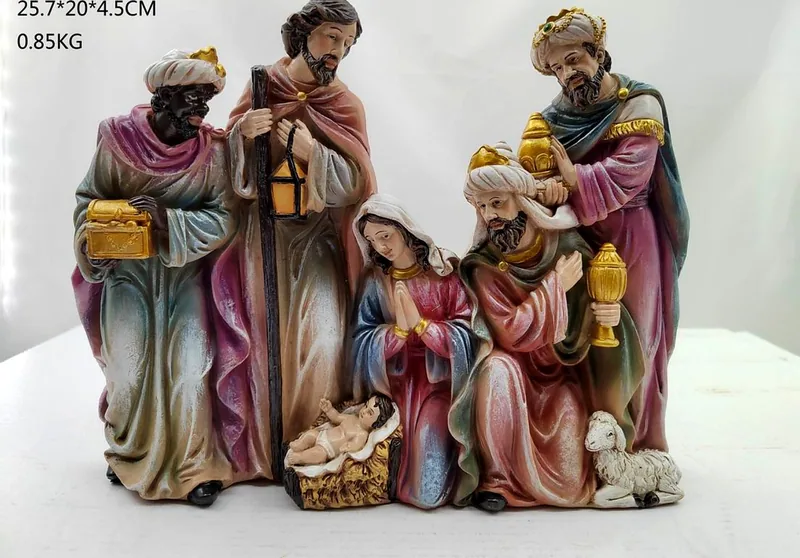
A statue with no light is the easiest kind of decorative product to import, and that makes buyers a little careless. Our unlit range includes Praying Angel Statue (TVD-8328), Kneeling Angel Figurine - Small (TVD-8330), Kneeling Angel Figurine - Large (TVD-8331), Praying Angel Figurine (TVD-8332), Angel Reading Book Figurine (TVD-8333) and nativity pieces from Nativity Scene - Compact Group (TVD-8346) to Nativity Scene with Wise Men (TVD-8350). No certification mark or certificate is on file for any of them. This guide explains which Canadian rules may apply anyway. The lit pieces in the line have a separate electrical and lighting guide.
Lit or unlit: the first sort
| Group | Examples | Electrical rules | Other rules |
|---|---|---|---|
| Unlit angels | TVD-8328, TVD-8330, TVD-8331, TVD-8332, TVD-8333 | None, as listed: no powered part | Consumer product safety, labelling, paint |
| Nativity sets and figures | TVD-8346 to TVD-8350 | None, as listed | Same, plus public-display questions |
| Lit memorials and niches | TVD-8304 and others | Yes, depending on the power source | See the lit-pieces guide |
The listings for the unlit pieces say nothing about a light, a battery or a plug. If a version you want includes one, tell us, and the electrical rules in the other guide apply.
Consumer product safety
The Canada Consumer Product Safety Act applies to consumer products. It prohibits products that are a danger to human health or safety, requires incident reporting and allows recalls. Health Canada enforces it. For a resin figure, the obvious risks are sharp broken edges, small detachable parts if a piece is likely to be handled by children, and paint. A nativity set that children handle at Christmas is a case where a buyer should ask about small parts and paint before the order.
Paint and coatings
These figures are hand painted. The Surface Coating Materials Regulations set limits on lead and mercury in paints and coatings on furniture and on children's products. A religious figurine is neither furniture nor a toy, but a nativity set that is handled by children can drift into children's-product territory in practice. If that is how you will sell it, ask for a coating report. For all of the pieces, ask whether the paint is applied before or after firing or curing, as that affects how it wears.
Labelling
Under the Consumer Packaging and Labelling Act, prepackaged consumer products need bilingual product identity and net quantity, plus the dealer's name and place of business. A box with a figurine and a window is prepackaged, so plan English and French text on the outer carton or the retail box. In Quebec, the Charter of the French language also requires labels, instructions and warranty documents to be available in French, and French at least as prominent. A short care card in both languages covers most needs.
Religious items and sensitivity
There is no federal rule specific to religious figurines. The practical issues are accuracy and respect: a statue labelled with the wrong saint or with a spelling error will not sell in a church shop. Check any name or text on a piece with the people who will buy it. Churches and parishes also have their own purchasing rules, and some order only from approved sources.
Public display: nativity scenes and fire officials
Nativity scenes are often displayed in malls, hotels, churches, schools and town squares. Fire officials may ask for flame-retardant treatment or test documentation on décor used in public buildings, and a document such as one for CAN/ULC-S109 is sometimes requested. We say "may": it depends on the building and the authority. If your customers are institutions, ask the maker whether any treatment or test documents exist, and ask the buyer's fire official what they need before you order. Resin and painted resin are not fabrics, so the request may not arise, but confirm.
Document checklist
| Document | Why it matters | Who issues it |
|---|---|---|
| Material and paint description | Lets you answer buyer and regulator questions | The maker, confirmed through us |
| Coating test report, if sold for children | Lead and mercury limits on children's products | A testing laboratory, requested by us |
| Bilingual label and care card | Required for prepackaged goods; French for Quebec | Agreed with you before packing |
| Fire-related documents, if a public building asks | Some officials ask for them on décor | The maker or a laboratory, if available |
| Customs classification | Determines duty and tax | Our customs broker |
Duties and taxes
Import duty depends on the tariff classification and the country of origin, and GST, HST, PST or QST apply by the province of delivery. Our customs broker confirms classification before we quote a delivered cost. Read the tax guide, and use the landed cost calculator for planning only. Rules change, so confirm with the relevant authority or your own customs broker. This is general information, not legal advice.
How we handle it
For each piece, we state on the written quote what is on file, what the maker can supply and what we will request. We confirm the certification status before you order, which for these unlit pieces means a statement that no electrical part is present. Payment is 30% on order and 70% before release; see how ordering works. The memorial, religious and nativity line lists every piece, and the wholesale guide describes the buyers. Send your list through the quote form.
Questions to put to your customs broker
Before the first order lands, ask your broker how each piece will be classified, whether any origin-related duty applies, and what documents they need at the border: commercial invoice, packing list and any product descriptions. Resin figures and nativity sets can be classified in more than one way depending on how they are described, so consistent wording on the invoice helps. Keep a copy of each classification decision with the order file, because a later shipment of the same item should be treated the same way.