Product guide ·
ABS Plastic Lockers – Single Door (TVD-9305): wholesale guide for schools, gyms and pools
A single-door locker with a weather-resistant ABS body, several door colours and a choice of coded or key lock. Here is who it suits, what to ask before ordering and how it compares with the steel lockers.
Why choose a plastic locker at all
The ABS Plastic Lockers – Single Door (TVD-9305) has a weather-resistant ABS body, several door colours and coded or key lock options. Steel is the default for lockers, but plastic wins in places where steel struggles: damp change rooms, pool decks, spas and outdoor-adjacent entrances where steel can rust once the paint chips. ABS does not rust, wipes clean and is lighter to move. Buyers are schools and gyms first, followed by pools, recreation centres, camps and sports clubs.
What the listed features mean
ABS body. ABS is a rigid plastic. It does not corrode in wet environments. The listing says weather-resistant; how that is tested, and whether the plastic is suited to unheated spaces in a Canadian winter, is not stated in our listed features, so we confirm it with the factory and put it on the quote. If you plan to put lockers in an unheated arena entrance or an outdoor shelter, say so in the quote request.
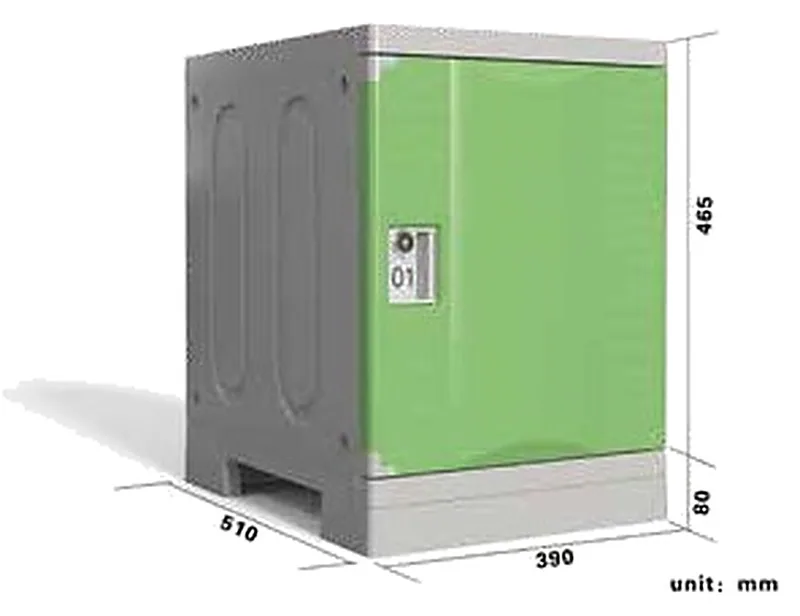
Single door. One door per unit means one user per locker, and each unit is its own cell. That makes it the simplest format for a gym or a swimming pool, where each member holds one locker. For a high school wanting many lockers in a block, compare the stackable multi-door units described below.
Several door colours. Colours help people find their locker and let a facility zone by group: one colour for girls' change room, another for boys', another for staff. Ask for the colour list and a physical colour sample, since coloured plastics differ between batches.
Coded or key lock. A coded lock removes lost keys, a constant headache with students. A key lock gives staff a master-key route. Ask which is available as the standard and which is an option, and how code locks reset when a user forgets the code. The listed features do not say if the code is mechanical or electronic, so ask, and if electronic, see the certification note below.
Specification checklist
- Overall dimensions, door size and interior space in metric and imperial. These are confirmed on the quote.
- Wall thickness and the rated load for shelf and hooks, if any.
- Interior fittings: shelf, hook rail, coat hook, vent slots. Ask whether the body is ventilated, since damp bags need airing.
- Lock fitment: which lock types are supplied with the unit and which you buy separately.
- Door hinge type and material, and whether the door can be reversed.
- Colour list, and the minimum per colour.
- Fixing: wall fixing, floor fixing, or free-standing, and any base.
- Carton size, assembly level and units per container.
- Tender or board requirements for coating or colour test reports.
Compared with the other lockers in the family
The ABS family differs in format, not just in material.
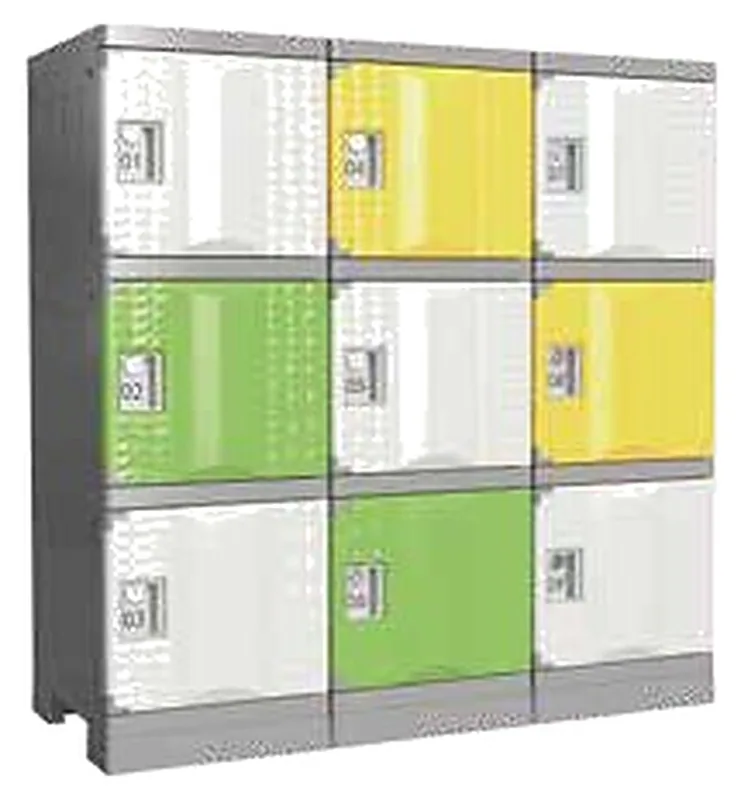
- The ABS Plastic Lockers – Multi-Tier (TVD-9306) are stackable multi-door units with ventilated ABS construction for schools, gyms and pools: choose them when you need many compartments in a compact footprint.
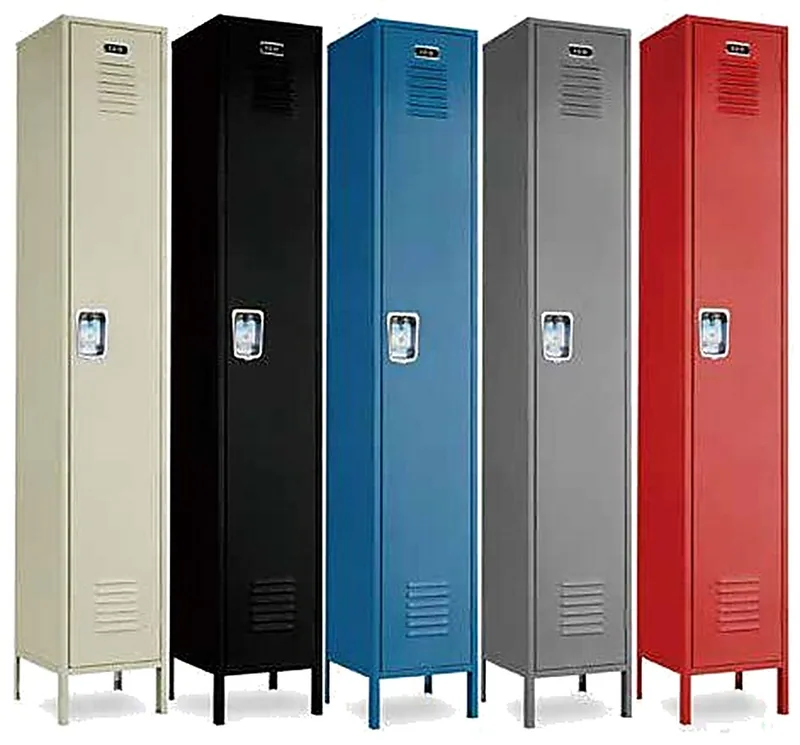
- The Steel Storage Lockers (TVD-9307) come in single and multi-door steel with ventilated doors and a coloured powder-coat finish: choose steel when impact and long service matter more than damp resistance.
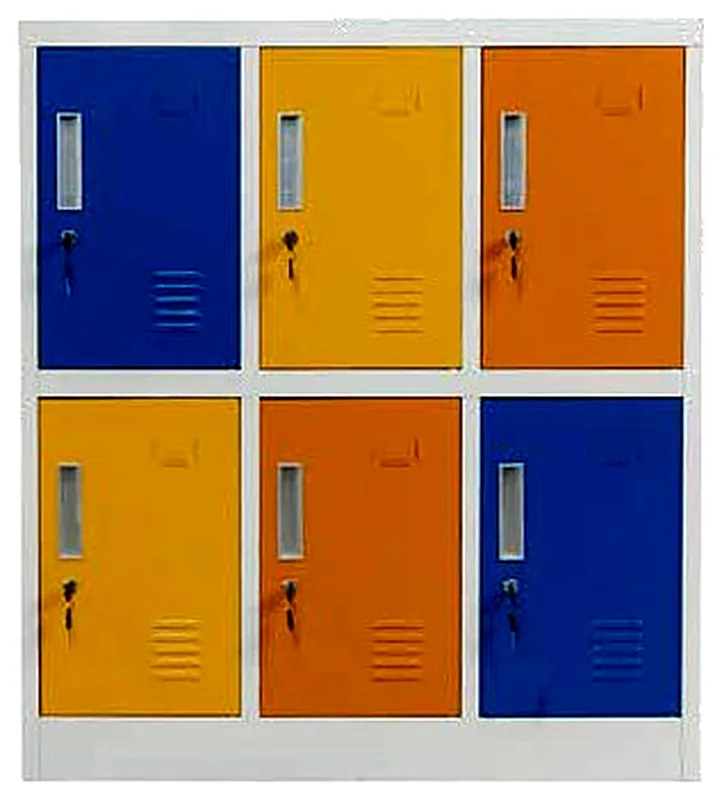
- The Kids Colour Steel Lockers (TVD-9326) have bright colour doors in compact stackable cabinets, ventilated and lockable, for younger children.
- The Smart Electronic Lockers (TVD-9327) use barcode, coded or face access for parcel and storage use.
The plastic single door is the one to pick where wet use and simplicity decide.
Canadian use notes
Canadian school and rec-centre change rooms see wet boots and snow-melt from October to April. A plastic locker resists the moisture, but a wet floor still needs a drained base, so ask about feet or a plinth. Pools bring chlorine and humidity; ask the factory which cleaning products the plastic tolerates.
Cold matters too. Plastic can become brittle in low temperatures, so for an unheated entrance, ask for a written statement on cold-weather suitability before you order. During transit, ocean freight lands at Vancouver or Prince Rupert and travels onward by rail or truck, with winter exposure on the last leg. The Canada delivery hub covers routes, and the landed cost calculator helps you plan.
If your lockers serve children, our certification note applies.
Certification status and children's use
No certificate is on file for this locker, and we do not describe it as certified or compliant with any standard. We confirm certification status and send documents with the quote before you order. For elementary schools and daycares, lockers can count as children's products in practice: the Surface Coating Materials Regulations limit lead (90 mg/kg) and mercury in paints and coatings on children's products, and the Consumer Products Containing Lead Regulations set lead limits for products for young children. If the version you order has an electronic code lock, Canadian electrical rules or battery shipping rules may apply depending on the power source. The whole family is covered in our student locker compliance guide. Rules change; confirm with your authority or inspector.
How ordering works
We quote in writing for the quantity and colour mix: specification, certification status, packing, lead time and the delivered cost to your address. Samples are available on most items, with the sample cost usually credited to the first order, and trial quantities are low on many lines. Payment is 30% deposit and 70% before release. Lockers can share a container with other lines. See how ordering works and send a quote request; tax by province is in the sales tax guide. Browse the Student Lockers line and the wholesale guide.