Certification guide ·
Student lockers in Canada: compliance and import rules for the TVD-9305 to TVD-9327 range
Seven locker products share one job but not one rulebook. Plastic and steel bodies, kids' colour doors and an electronic locker each raise different questions. No certificate is on file for any of them today.
One range, three different compliance questions
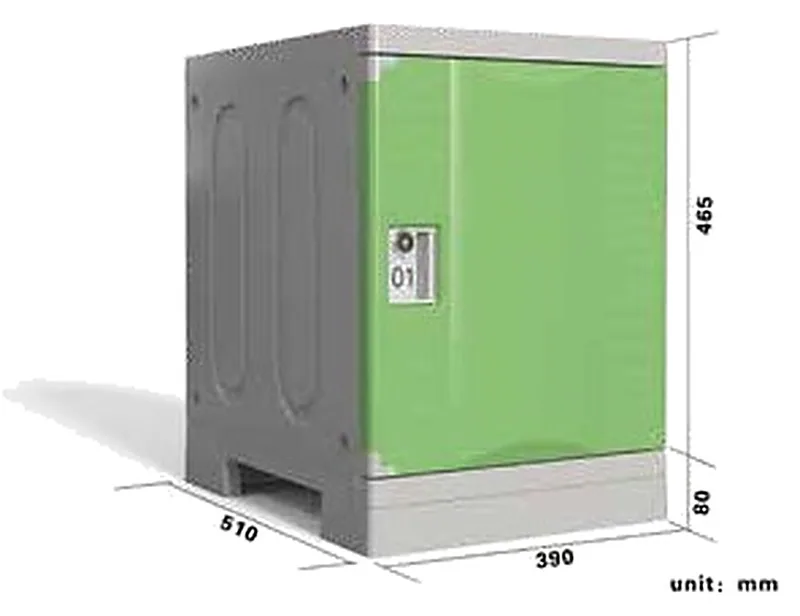
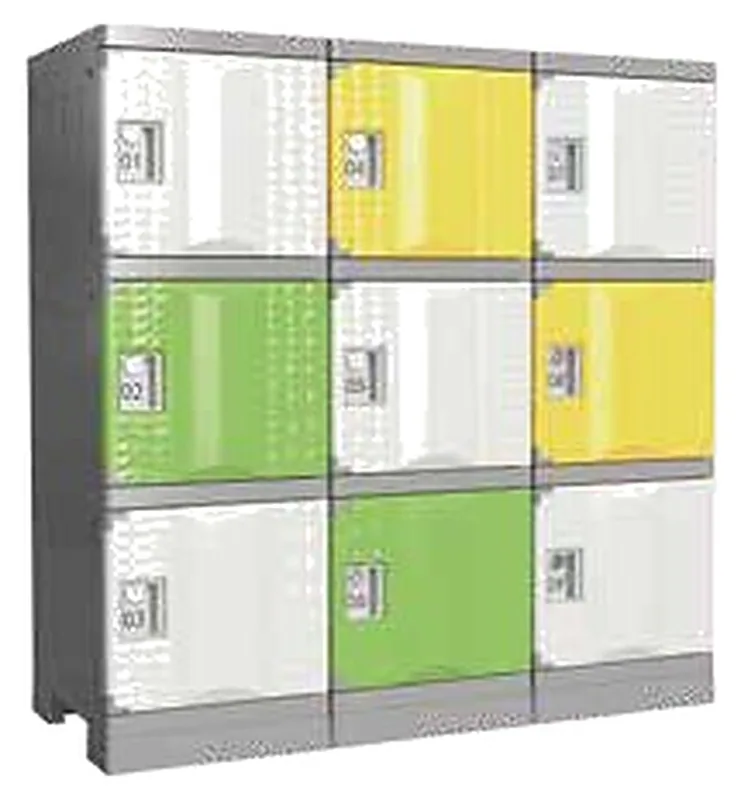
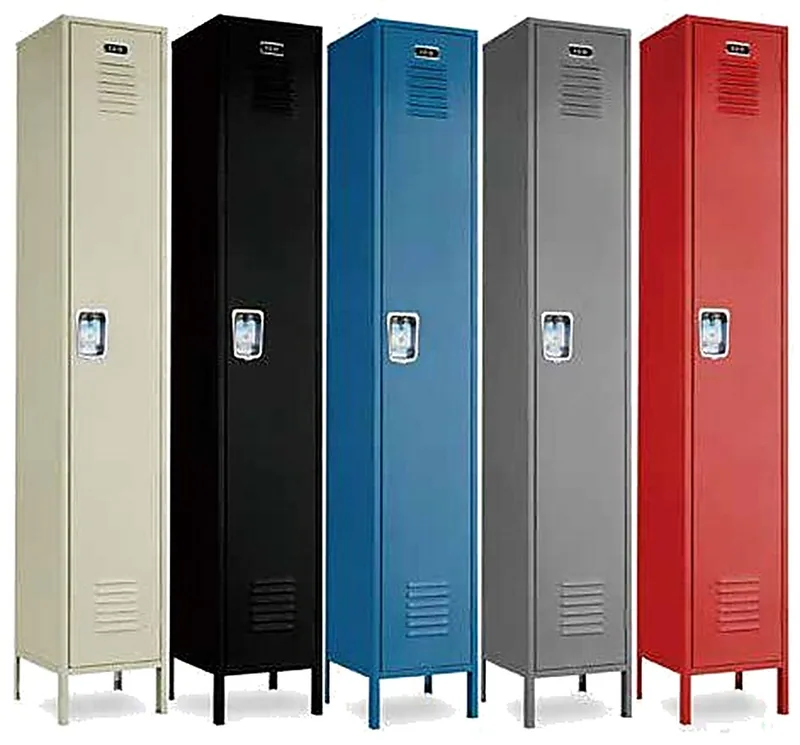
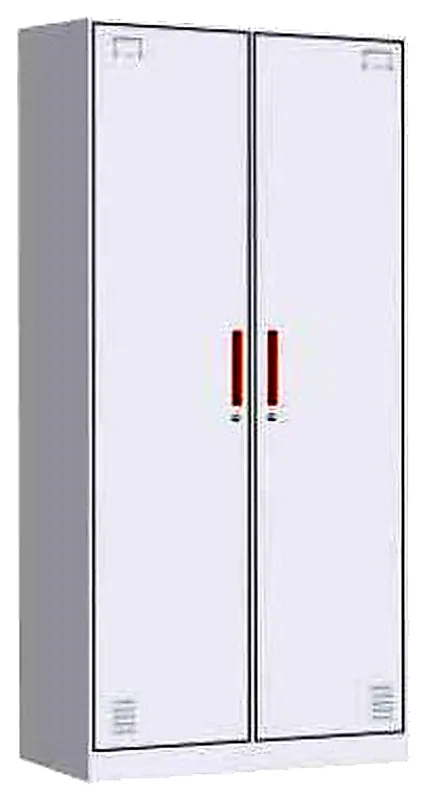
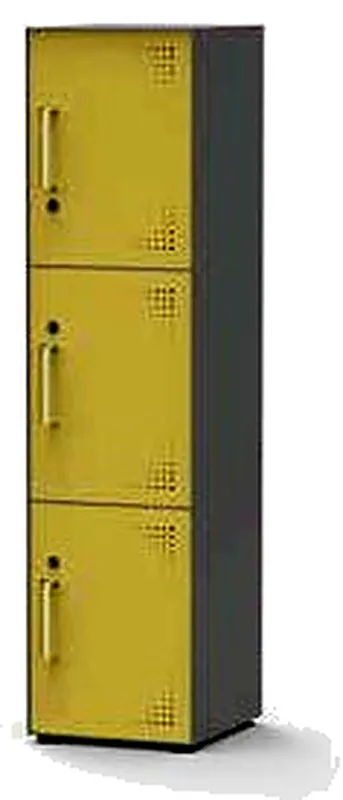
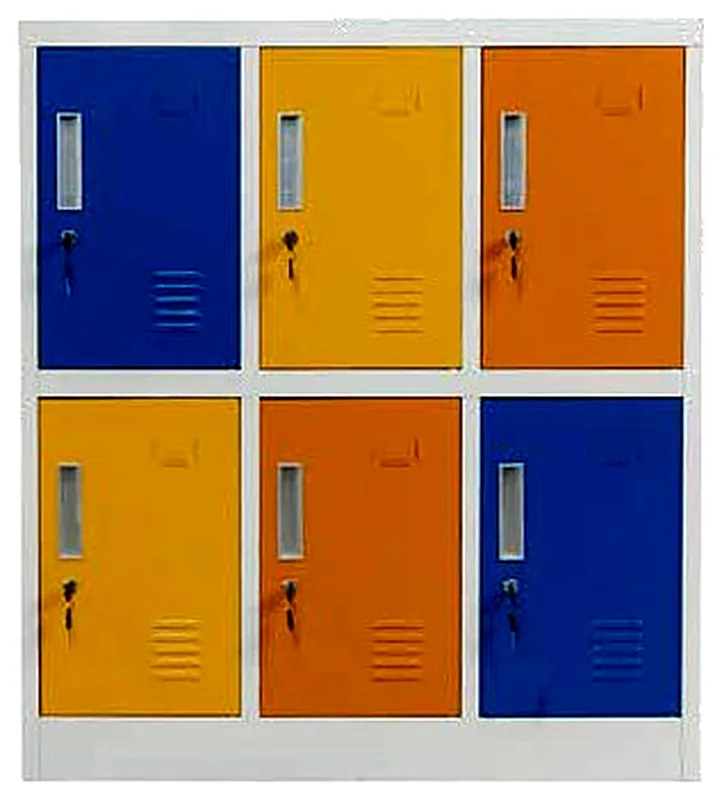
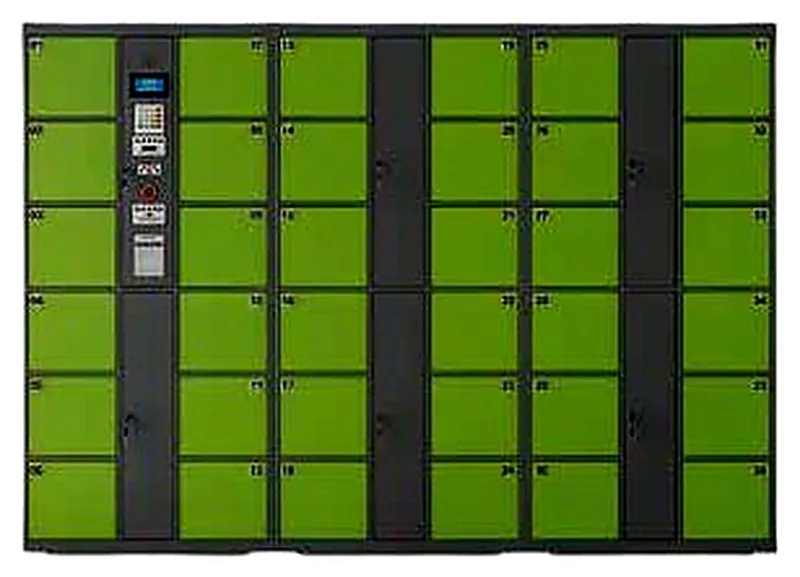
The student locker range covers seven products. The ABS Plastic Lockers – Single Door (TVD-9305) and ABS Plastic Lockers – Multi-Tier (TVD-9306) are plastic. The Steel Storage Lockers (TVD-9307), Steel Staff & Gym Lockers (TVD-9324) and Steel Lockers – Yellow & Grey (TVD-9325) are powder-coated steel. The Kids Colour Steel Lockers (TVD-9326) are steel with bright doors for young users, and the Smart Electronic Lockers (TVD-9327) add barcode, coded or face access.
Certification status: no certificate is on file for any of the seven. We do not describe any of them as certified, approved or compliant with any standard. For each order we confirm certification status and supply the documents with the written quote before you order.
Three questions sort the range: who uses the locker (children or adults), what coats or colours the surface, and whether anything is powered.
Question one: children's products and coatings
Lockers are not toys, but a locker in an elementary school or daycare is used by young children every day, and buyers in education treat it as a children's product in practice. Three requirements sit behind that:
- The Surface Coating Materials Regulations limit lead (90 mg/kg) and mercury in paints and coatings on furniture and on children's products.
- The Consumer Products Containing Lead Regulations set lead limits for products for young children.
- Phthalate limits apply to soft vinyl in childcare articles and toys; they would matter only if a locker version includes soft vinyl parts such as flexible seals or grips. Ask.
Steel lockers carry a powder-coat; plastic lockers carry coloured plastic and, on some units, printed or painted door panels. The coating or pigment on a bright colour door is the part to test. The Kids Colour Steel Lockers (TVD-9326) are the range's most obvious case, since bright colours are the hardest to document for lead and are made for children. For teenagers and adults in a high school, gym or staff room, the coating limits still apply to furniture, but a board is less likely to ask for children's product documents.
Question two: steel or ABS
Steel units (TVD-9307, TVD-9324, TVD-9325, TVD-9326, TVD-9327) are coated metal. Ask for a coating test report, the steel thickness and the lock details. A school board's tender may still list a test report, so send us its specification section.
ABS units (TVD-9305, TVD-9306) are moulded plastic. Ask for a statement of the plastic and colour additives, a coating or pigment report if the colour is painted or printed, and the factory's statement on suitability for cold or wet spaces. The listed features say weather-resistant ABS, but a Canadian winter in an unheated entrance is a harder test than the words imply, so ask for specifics.
The plastic and steel versions can both be ventilated. Ventilation matters for damp gear in pool and gym use, and the ABS multi-tier and steel units list it.
Question three: the electronic locker
The Smart Electronic Lockers (TVD-9327) offer barcode, coded or face access on a multi-door steel body, for parcel and storage use. Anything with electronics brings Canadian electrical rules:
- Electrical products sold or installed in Canada must carry a certification mark from a certification body accredited by the Standards Council of Canada (for example CSA, cUL or cETL), or a field evaluation or special inspection label. Provincial and territorial electrical safety authorities enforce this, and inspectors can refuse uncertified equipment.
- A US-only mark (UL or ETL without the "c") is not enough, and the European CE mark is not recognised as proof of compliance in Canada.
- Equipment rated 220 V / 50 Hz must be confirmed as built for Canadian voltage and 60 Hz before ordering. Canadian supply is 120 V / 240 V single-phase at 60 Hz.
- If the unit is battery-only, general consumer product safety applies, and lithium batteries have dangerous-goods shipping rules.
Our listed features do not say how the control unit, scanner or camera is powered, and do not describe the software. Face access also raises privacy questions that your school board or IT team will want answered before purchase; that is a decision for them, not covered here. See the marks explained guide for how CSA, cUL and cETL differ.
Product-by-product comparison
| Product | Body | What raises a question | Documents to request |
|---|---|---|---|
| ABS Plastic Lockers – Single Door (TVD-9305) | ABS | Plastic and colour additives, cold and wet use, lock type | Pigment or coating report, cold-weather statement |
| ABS Plastic Lockers – Multi-Tier (TVD-9306) | Ventilated ABS, stackable | Stacking stability and fixing, plus the ABS questions | Stacking and fixing instructions, pigment report |
| Steel Storage Lockers (TVD-9307) | Powder-coated steel | Coating limits, lock details | Coating test report |
| Steel Staff & Gym Lockers (TVD-9324) | Steel, 1 to 6 doors | Coating, coded or key lock | Coating test report, lock details |
| Steel Lockers – Yellow & Grey (TVD-9325) | Steel, 2 to 6 doors | Coating on colour finish | Coating test report |
| Kids Colour Steel Lockers (TVD-9326) | Steel, bright doors | Children's product coating and lead rules | Coating report for each colour |
| Smart Electronic Lockers (TVD-9327) | Multi-door steel | Electrical marks, power, voltage, privacy | Canadian mark or field evaluation, power details |
Provincial and import differences
In Quebec, labels, instructions and warranty documents must be available in French, with French at least as prominent; Quebec retailers and school boards ask for this, and it matters most for the electronic locker's operating instructions. Prepackaged consumer products need bilingual identity and net quantity labelling with the dealer's name and place of business. Import duty depends on tariff classification and origin, and GST, HST, PST and QST follow the province of delivery; the sales tax guide and the landed cost calculator help budget. Fixed installation in a school may involve building and fire officials on exit paths; your designer confirms. Rules change, so confirm with your authority, inspector or customs broker. This is not legal advice.
If documents are missing
A school board or tender reviewer can reject a delivery that lacks required reports. An electrical inspector can refuse the electronic locker without an accepted mark, and field evaluation is sometimes possible but takes time. Under the Canada Consumer Product Safety Act, a product that is a danger to human health or safety is prohibited, incidents must be reported and recalls are possible; that is why children's products draw the most scrutiny.
How we handle it
Tell us the age group, the room (wet or dry, heated or not) and the lock type. We ask the factory for the matching documents, confirm certification status for each unit and quote delivery. Send a quote request and see how ordering works: payment is 30% deposit and 70% before release, and lockers can share a container with other furniture. More: the Student Lockers line, the chapter page and the Canada wholesale guide.