Product guide ·
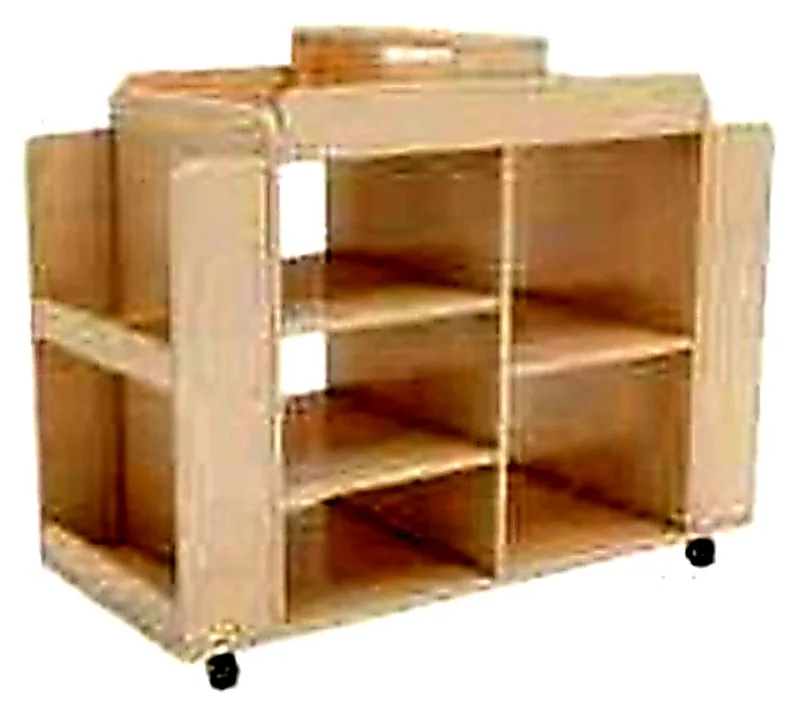
Classroom Cubby Shelf – Wood (TVD-9315): open compartments, with optional castors
A cubby shelf is the backbone of a school entry or daycare hallway. This guide explains the optional castors, what to ask the quote to confirm and how TVD-9315 compares with the other storage units.
A cubby shelf built to move if you want it to
The Classroom Cubby Shelf – Wood (TVD-9315) has open cubby compartments, a wood panel build and optional castors. The castors are what set it apart in the storage part of the line. Fixed units stay put, which is right for a cloakroom wall. A unit on castors can be rolled to the middle of the room as a divider, pushed back against a wall for circle time or shifted to a gym for the evening's community group.
Schools and daycares are the typical buyers. A school uses cubbies for backpacks and indoor shoes in the entry; a daycare uses them for each child's bag and change of clothes. Because the compartments are open, children can find their own space and put things away without staff help, and staff can see at once whether something is missing.
What the listed features mean in practice
- Open cubby compartments. No doors, hinges or latches. Compartment size decides what fits: a school backpack needs far more room than a toddler's bag. Ask for the inside width, height and depth of one compartment, in metric and imperial.
- Wood panel build. Panels keep the unit light enough to move. The panel type, thickness, edge finish and any laminate are quote items, and they decide which test reports exist.
- Optional castors. "Optional" means you choose at ordering. A shelf on wheels in a children's room needs lockable castors or the unit will roll when a child leans on it. Ask whether castors lock, what size they are and what floor surfaces they suit. Hard floors tolerate hard wheels; soft flooring and carpet tiles may need larger ones.
Specifying it: a checklist
- Number of compartments across and high, and the size of each.
- Overall width, depth and height, and weight empty. A unit that is easy to roll empty can be hard to move when filled with winter boots.
- Whether you want castors, how many, and whether they lock. Ask also whether the unit is as stable on castors as on its base.
- Rated load per compartment and the test behind it.
- Panel material, thickness and finish; edge rounding.
- Assembly level, hardware and carton size; whether castors arrive fitted or in the box.
- Colour or finish options, with a sample if you need an exact match to existing furniture.
How it compares with its neighbours
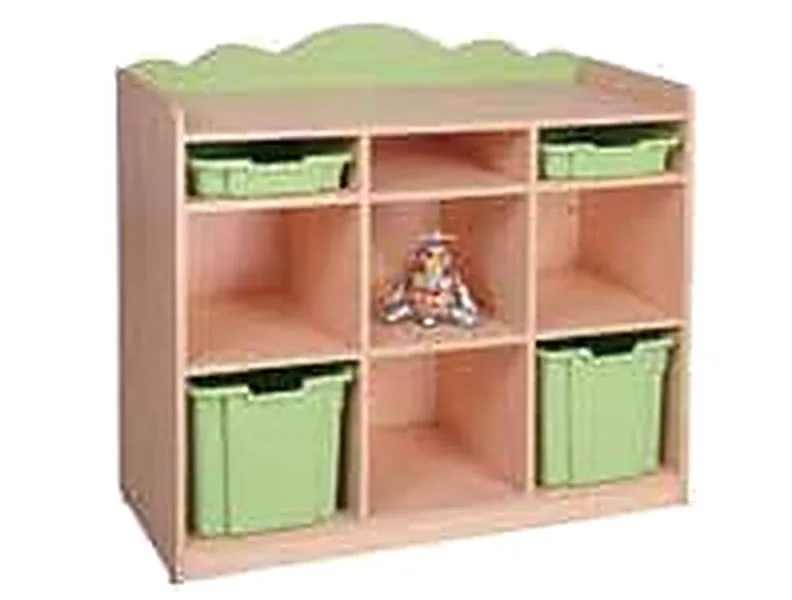
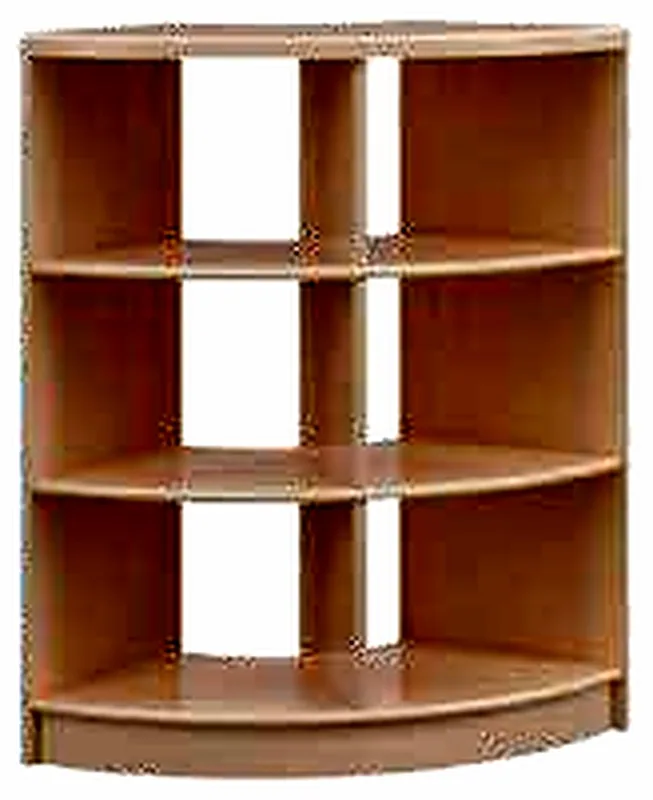
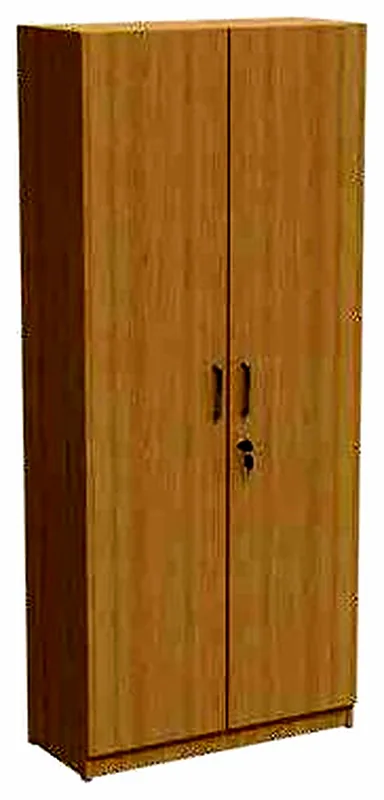
Three pieces answer the question "where do the children's things go". The Kindergarten Storage Cabinet (TVD-9311) uses open cubbies that hold storage bins and comes with several colour trims, so it suits rooms that want a bin for each child and colour coding. TVD-9315 has plain open compartments and the castor option. The Corner Shelf Unit – Curved (TVD-9316) has curved shelves made for classroom corners rather than for a wall run. If you need doors, the Tall Storage Cabinet – Wood (TVD-9317) is the lockable one.
Our guides to the storage cabinet and the book display shelf cover those pieces in more detail, and the solid wood table and chair guide covers the furniture that goes next to them.
Canadian use notes
Canadian school entries are wet half the year: slush, boots, mittens. Open cubbies air things out, but panel edges near the floor see the most moisture, so ask how the bottom edges are sealed. A unit on castors can also be rolled away from the door during cleaning. In dry heated buildings on the Prairies and in central Canada wood panels can shrink at the joints; coastal BC and Atlantic Canada are humid, so panels can swell. Leave the carton open in the room for a day or two before assembly. Cold-weather freight can damage packaging, so inspect cartons when they arrive.
As children's furniture made from wood panels, this shelf touches two Canadian rules. If the panels are particleboard, MDF, hardwood plywood or a laminated product, they must meet formaldehyde emission limits, be certified by an approved third-party certifier and be labelled. And any paint or coating on a children's product is limited to 90 mg/kg of lead, with a mercury limit as well. No certification mark is on file for TVD-9315, so we do not call it certified; we confirm the status and supply the documents with the quote before you order. Rules change and boards differ, so confirm with your licensing officer or school board. See the kindergarten furniture rules guide.
How ordering works
Ask for a written quote on the quote page with your quantity, delivery address and whether you want castors. The quote states price, specification, certification status, packing, lead time and delivered cost. Trial quantities are low on many lines, and samples are available on most items, with the sample cost usually credited to the first order. Payment is 30% deposit and 70% before release. Shelves can share a container with tables and chairs from other factories. Read how ordering works, check provincial taxes in the sales tax guide and browse the kindergarten furniture line. A free account shows the full specifications on the product page.