Buyer guide ·
Commercial Snow Removal Equipment: What to Buy Before Winter
A buying guide for snow contractors and property managers: plows, pushers, spreaders, walkway tools and spare parts to check and order before winter.
Snow equipment gets harder to find once the first storm is in the forecast. Contractors and property managers who buy early get the sizes they need and have time to mount, wire and test everything. This guide covers what to check on each type of equipment before you ask for a quote.
Start with the sites, not the catalogue
List every property you service. Note the paved area, the width of the tightest lane, where snow can be piled and how many walkways and entrances need hand work. Equipment that suits a large open lot is often the wrong choice for a tight plaza or a townhouse complex. Your site list tells you the plow widths, the spreader capacity and the number of walk-behind machines you need.
Plows and pushers
| Type | Suits | Check before buying |
|---|---|---|
| Straight blade | Driveways, small lots, general work | Blade width when angled against vehicle width, front axle rating |
| V-blade | Drifts, tight sites, scooping and stacking | Weight, hydraulics and control compatibility |
| Box pusher | Large open lots, with loaders, skid steers and tractors | Coupler type, machine operating capacity, cutting edge material |
Ask what the cutting edge is made of. Steel edges scrape hard pack well. Rubber and polyurethane edges are quieter and gentler on decorative surfaces and parking decks. Ask how the blade trips too. A trip edge or a full-trip blade protects the truck and the operator when the plow hits a hidden curb or a raised manhole.
Spreaders
Tailgate spreaders suit smaller trucks and lighter loads. Hopper spreaders sit in the truck bed, carry more and suit routes with many lots. Walk-behind spreaders cover sidewalks and entrances. Check these points:
- Hopper material. Polyethylene does not rust and is lighter. Stainless steel resists corrosion and takes more abuse.
- Feed system. Augers and conveyor chains handle different materials. Tell the supplier whether you spread rock salt, treated salt, sand or a mix.
- Drive. Electric drives are simpler to install. Hydraulic and engine drives are found on larger units.
- Loaded weight. A full hopper must stay within the payload rating of the truck.
Walkway equipment and hand tools
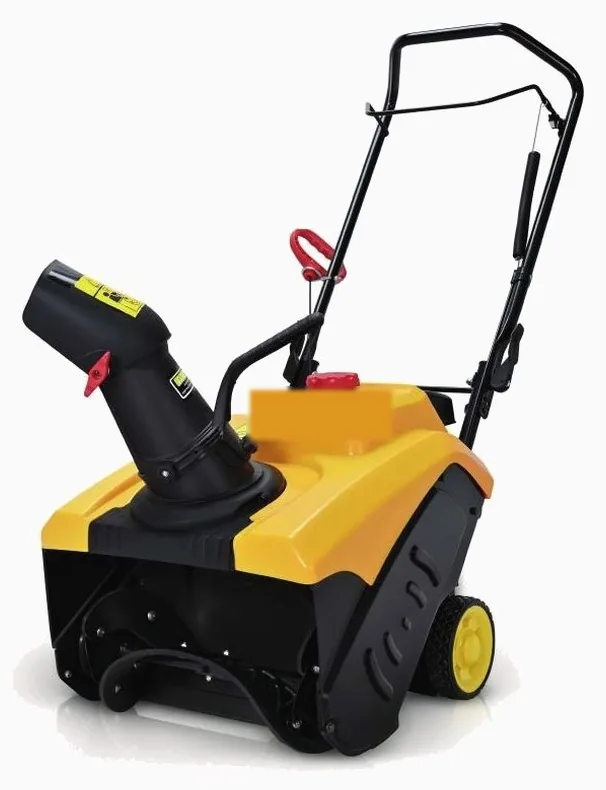
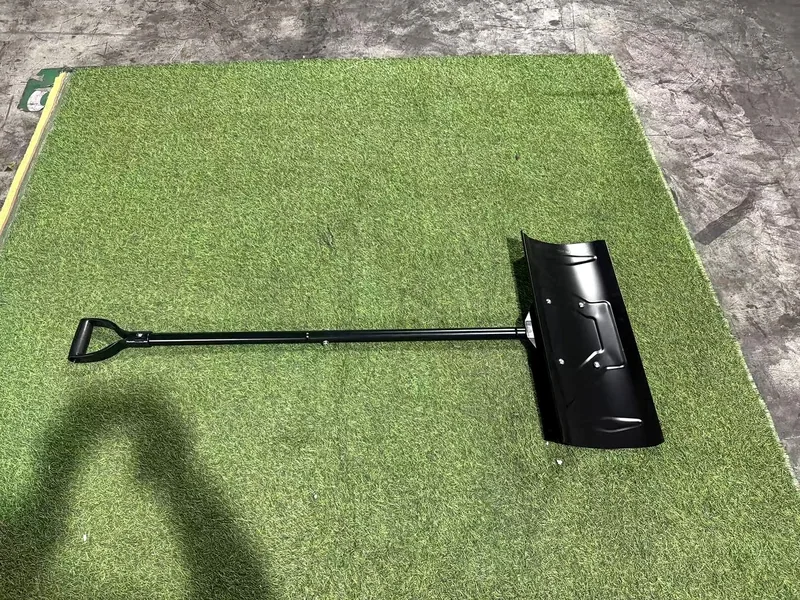
Sidewalk crews need snow blowers or power brooms, push shovels, scoops, ice scrapers and ice melt in bags one person can lift. Buy more shovels than you have staff. They break and they get left on site. Stock driveway markers so operators can find curbs and hazards under deep snow.
Parts, lighting and electrical
Downtime during a storm costs more than spare parts. Order spare cutting edges, plow shoes, hydraulic hoses, spinner motors, shear pins and controllers with the equipment. For warning lights and other wired equipment, ask which standards the item was tested to and check that it meets the road and safety rules where you operate. For electrical products, ask for proof of certification by a body recognised in Canada, such as CSA, UL or Intertek (ETL).
What to put in a quote request
- The vehicle or machine: year, make, weight ratings and mount or coupler type.
- The blade width or hopper capacity you want.
- The material you spread.
- Quantities, including spares.
- The delivery address and the date you need the goods on site.
Thames Valley Distribution quotes every order in writing, with a TVD item code for each product and a confirmed lead time. Trial quantities are available on many items, and goods from several factories can ship as one consolidated load. Read the snow and ice equipment buying guide for more detail, or see the pages for property managers and contractors.