Buyer guide ·
Restaurant Opening Equipment Checklist: What to Buy and When
A step-by-step equipment checklist for opening a restaurant in Canada: the order to buy in, long lead items, and which equipment needs certification.
Opening a restaurant means buying hundreds of items against a fixed opening date. The order you buy in matters as much as what you buy. Some items decide your floor plan and take weeks to arrive. Others can wait until the last month. This checklist puts the purchases in sequence and flags what needs certification. It is general guidance, not legal advice.
Before you buy anything
- Finalize the menu. The menu decides the cooking line, and the cooking line decides the hood, gas and electrical loads.
- Get a scaled floor plan with equipment sizes marked.
- Speak with your local public health unit and building department. Many require plan review before construction.
- Have your electrician confirm the voltage and phase available in the building, and your gas fitter confirm gas type and capacity.
The buying order
- Ventilation and fire suppression. The exhaust hood, fan, make-up air and suppression system are sized to the cooking line and are built into the space. Order first.
- Walk-in cooler and freezer. They are sized to the room and need floor, drain and electrical preparation.
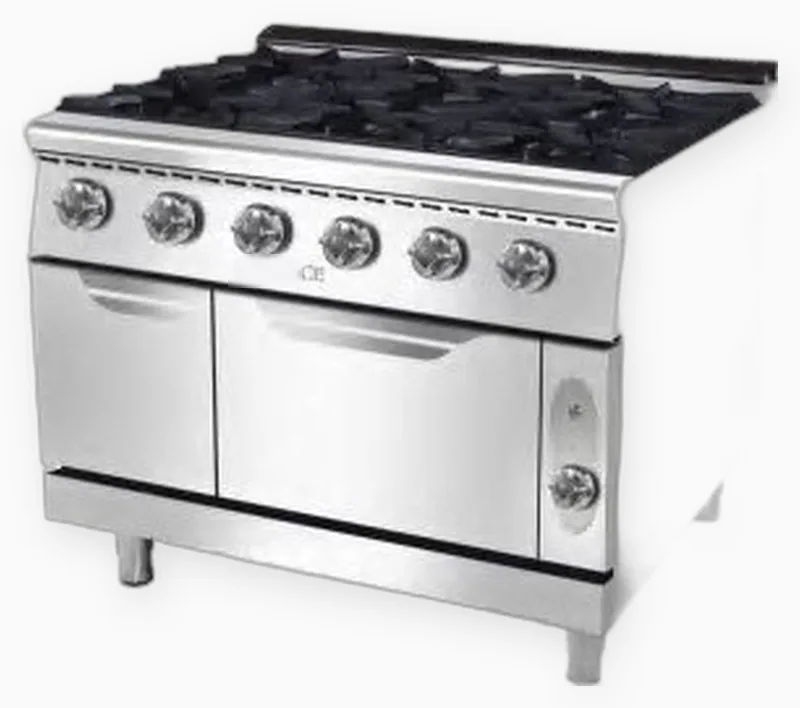
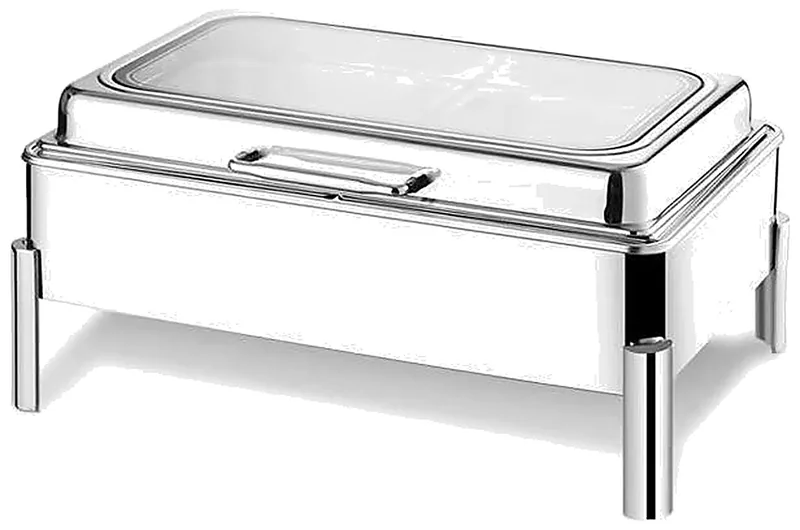
- Cooking line. Ranges, fryers, grills, ovens and any specialty equipment.
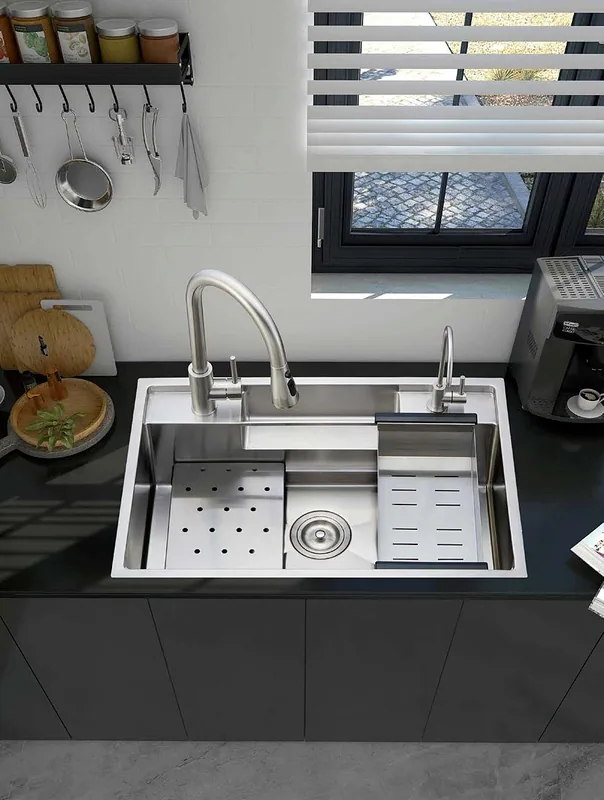
- Sinks and dishwashing. Hand sinks, prep sinks, a multi-compartment sink or commercial dishwasher, and a grease interceptor where the plumbing code calls for one.
- Reach-in refrigeration and prep tables.
- Stainless work tables, shelving and storage.
- Front of house. Tables, chairs, booths, bar equipment and lighting.
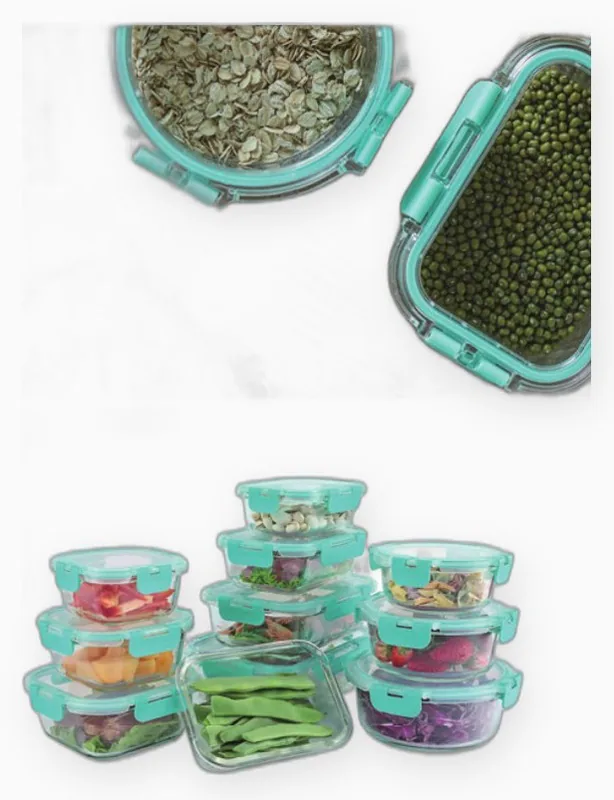
- Smallwares. Pans, utensils, dishes, glassware and food storage containers. Buy these last.
What needs certification
| Equipment | What to check |
|---|---|
| Anything electrical | A mark recognized in your province showing certification to Canadian standards, such as CSA, cUL or cETL. Check voltage, phase and plug type. |
| Gas appliances | Certification for use in Canada by an accredited body, and the correct gas type. Installation must be done by a licensed gas fitter. |
| Food contact and food zone equipment | Health inspectors commonly look for sanitation certification to NSF/ANSI standards. Ask your health unit what it requires. |
| Hood and suppression | Design and installation to the fire code in your jurisdiction. Use a qualified local installer. |
Ask for certificate copies before you pay, and check the file number in the certifier's online directory. A mark printed in a brochure is not proof.
Common mistakes
- Buying equipment before the floor plan is approved.
- Ordering the wrong voltage or phase for the building.
- Forgetting door widths. Measure every doorway on the delivery path.
- Ordering natural gas equipment for a propane site, or the reverse.
- Leaving long lead items until the lease starts.
Buying through a wholesale distributor
Thames Valley Distribution supplies equipment and supplies factory-direct to businesses. Every order is quoted in writing against TVD item codes, with the lead time confirmed on the quote. Items from several factories can be consolidated into one shipment, which suits an opening order with many product types. Payment is a 30 percent deposit with the 70 percent balance due before release.
Send your equipment list with sizes, power and gas details, and your target opening date. For more detail on individual equipment types, read the commercial kitchen equipment buying guide. See also our page for hospitality buyers and how ordering works.