Product guide ·
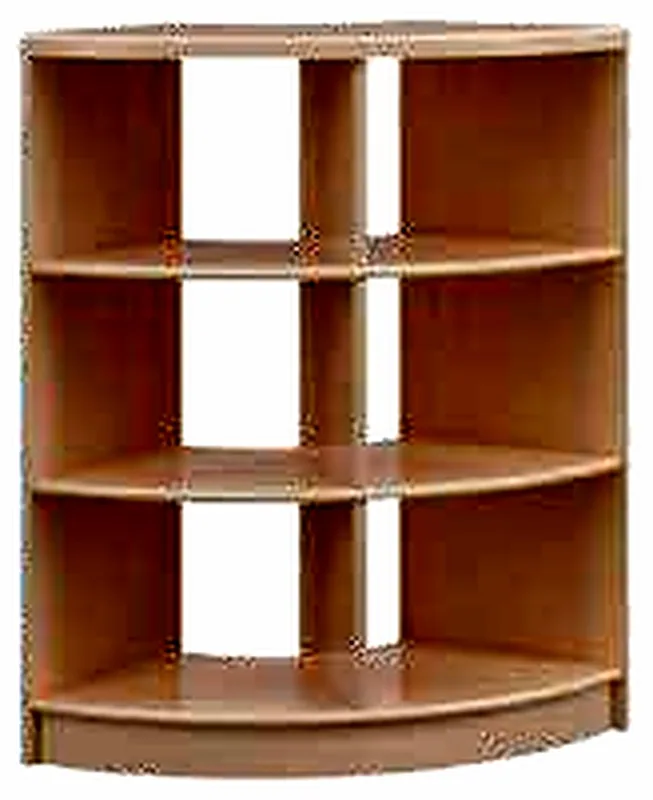
Corner Shelf Unit – Curved (TVD-9316): using the corner of a classroom or daycare room
Corners are the least-used space in most children's rooms. This guide covers what a curved corner shelf is good for, what to measure before you order and how TVD-9316 differs from straight-run storage.
The problem a curved corner unit solves
Straight storage runs along walls, and the corner between two walls ends up empty, or holds a stack of boxes. The Corner Shelf Unit – Curved (TVD-9316) turns that corner into usable space. Its listed features are curved corner shelves, wood panel construction and a design that fits classroom corners. The curve is more than looks: with no sharp corner sticking into the room, a running child is less likely to catch a hip on it, and a teacher has a clear sight line.
Typical buyers are daycares and schools. Daycare rooms use corner units for a quiet nook, a book or toy display, or a place for teachers' supplies out of reach. Classrooms use them for a class library, plant or science display, or a lost-and-found. Because a corner unit sits against two walls, it is also steadier than a freestanding shelf of the same height and is easy to fix to the wall.
What the listed features mean in practice
- Curved corner shelves. Curved shelves follow the arc of the unit. Shelf depth at the middle of the curve is usually greater than at the ends, which affects which objects sit well on which shelf. Ask for the depth at both points.
- Wood panel. Panels are light, which helps when the unit has to be carried into a room, and edges can be rounded. The panel type and finish are confirmed on the quote.
- Fits classroom corners. Fit is about angle. Most room corners are square, but older buildings and renovated spaces are not always so. Measure the corner angle and the wall flatness, and tell us the figures on the quote request.
Measure before you order
- Wall-to-wall corner angle, measured at floor level and again at shelf height.
- Baseboard depth and thickness. A unit that has to sit against a thick baseboard can stand off the wall.
- Ceiling or window-sill height, if the unit will go under a window.
- How far the unit may project into the room. Fire exits, door swing and egress paths must stay clear; the provincial building and fire codes govern that, and your fire official or school facilities manager confirms what applies.
- Rated load per shelf, shelf spacing and overall height, all in metric and imperial on the written quote.
- How the unit is fixed to the wall and what fasteners come with it. Wall type matters: concrete block, drywall on studs and plaster behave differently.
Choosing between corner, cubby and book display
| Need | Better choice | Why |
|---|---|---|
| Make use of a dead corner | Corner Shelf Unit – Curved (TVD-9316) | Curved corner shelves, wood panel, built for corners |
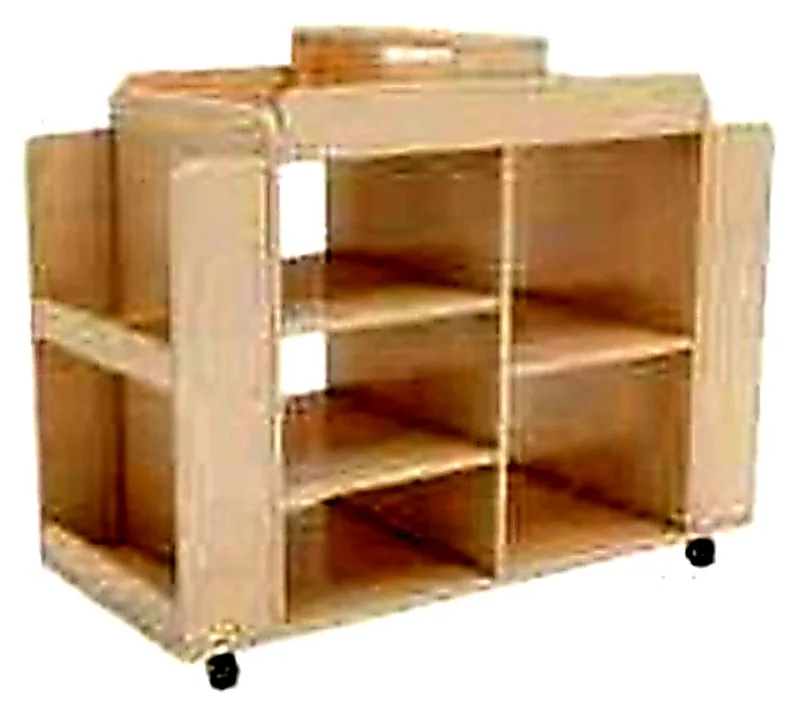
| Personal cubbies for each child | Classroom Cubby Shelf – Wood (TVD-9315) | Open compartments, optional castors |
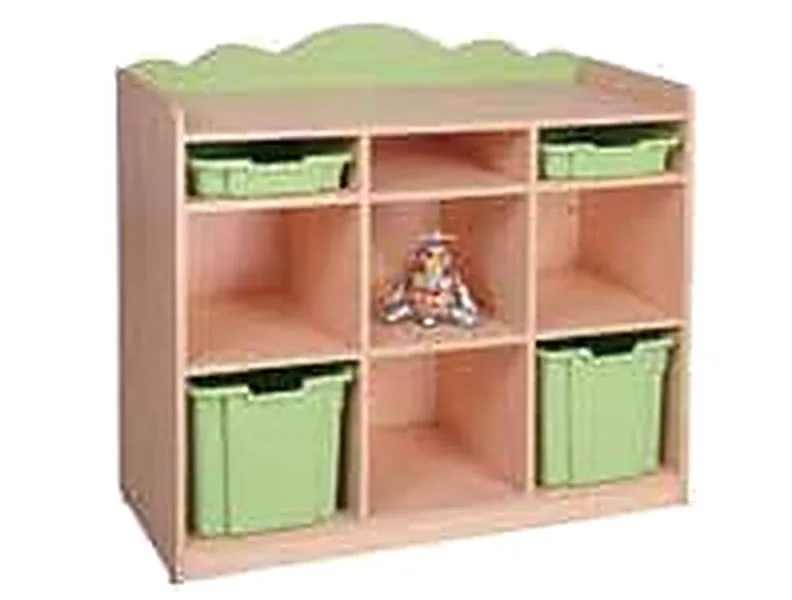
| Bins and colour trims | Kindergarten Storage Cabinet (TVD-9311) | Cubbies with storage bins, several colour trims |
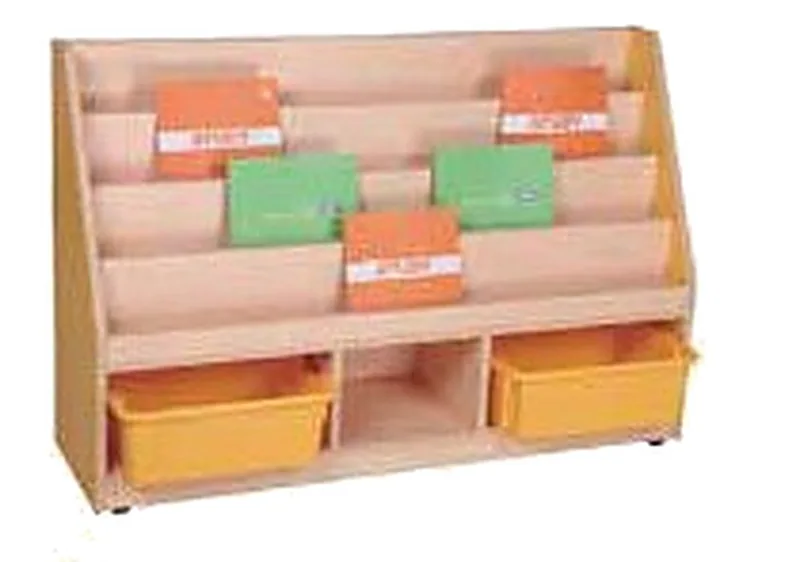
| Books facing out | Kids Book Display Shelf (TVD-9312) | Tiered display with bins below |
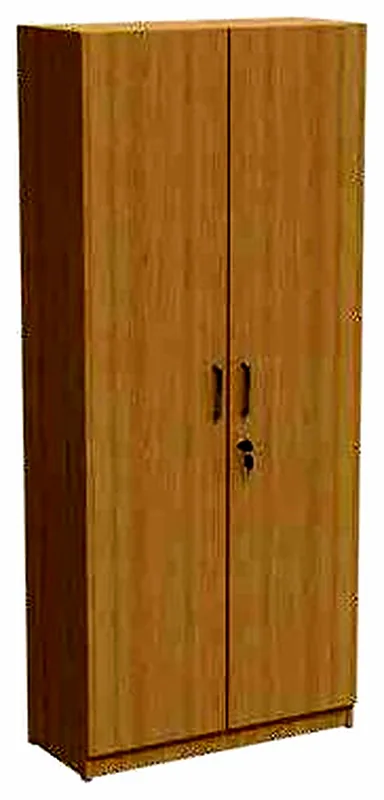
| Lockable adult storage | Tall Storage Cabinet – Wood (TVD-9317) | Double doors, adjustable shelves, lockable |
The corner unit is not a replacement for a wall-run cubby bank; it complements it. Our book display shelf guide and storage cabinet guide describe the straight alternatives.
Canadian use notes
Corners on exterior walls are the coldest part of a Canadian classroom in winter, and condensation on outer walls can reach wood panels in humid coastal or Atlantic buildings. If you plan to put the unit in an exterior corner, ask for the edge sealing on the back and sides. In dry heated rooms on the Prairies, panel joints can open slightly over a winter, so an assembly that uses cam fittings and dowels should be rechecked once after the first heating season. Freight comes by sea via Vancouver or Prince Rupert and then rail and truck. Cartons for curved units are often long and awkward, so ask for carton sizes if your school door or elevator is narrow.
Because it is children's furniture of wood panel, two rules matter. Composite wood panels (particleboard, MDF, hardwood plywood, laminated products) must meet formaldehyde emission limits, be certified by an approved third-party certifier and be labelled. Coatings on children's furniture are limited to 90 mg/kg of lead, with a mercury limit as well. We hold no certification mark for TVD-9316, so we do not call it certified; we confirm what documents exist and supply them with the quote before you order. Rules change, and school boards may ask for more. See the kindergarten furniture rules guide.
How ordering works
Every order starts with a written quote: price for the quantity, specification, certification status and documents, packing, lead time and delivered cost to your address. Use the quote request and include your corner measurements. Many lines have low trial quantities and samples are available on most items, with the sample cost usually credited to the first order. Payment is 30% deposit and 70% before release. If you are fitting out several rooms, shelves can share one container with chairs and tables. See how ordering works, estimate landing costs with the landed cost calculator, and browse the kindergarten furniture line and delivery across Canada. A free account shows the full specifications on the product page.