Certification guide ·
Kids Plastic Chair (TVD-9308): lead, coatings and documents Canadian buyers ask for
A moulded PP chair for children meets Canadian rules through lead limits, coatings and general product safety. Here is the document list for TVD-9308.
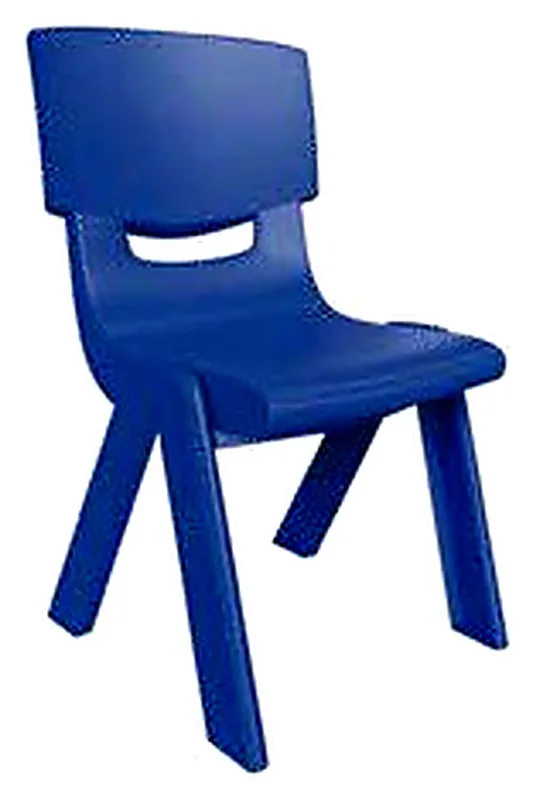
A plastic chair for children looks simple, and the Kids Plastic Chair (TVD-9308) is. It has a moulded PP seat, comes in sizes for different ages and stacks in many colours. The Canadian rules that touch it come from the fact that children use it, not from the shape. This guide sets out what a daycare licensing officer, a school board buyer or a retailer in Canada may ask to see.
Mark on file: none. We hold no certification mark or children's product test report for TVD-9308, so we do not describe it as certified, approved or compliant. We confirm certification status and supply the documents with your written quote, before you order.
Rules that apply because it is a children's product
Lead in the plastic and in colours
The Consumer Products Containing Lead Regulations set lead limits for products for young children. A moulded plastic chair in many colours depends on pigments, and some pigments historically carried heavy metals. The sensible request is a lead and heavy-metal test report for each colour you plan to order, not just the colour used in the sample.
Paint, print and coatings
The Surface Coating Materials Regulations under the Canada Consumer Product Safety Act limit lead (90 mg/kg) and mercury in paints and coatings on furniture and on children's products. A through-moulded chair may carry no coating at all, while a chair with printed graphics, a painted logo or a coated metal leg does. Ask the factory to state which parts of this chair, if any, are coated or printed.
Soft vinyl and phthalates
Phthalate limits apply to soft vinyl in childcare articles and toys. A hard PP seat is not soft vinyl, so this rule matters only if a version carries a soft vinyl pad, bumper or foot cap. If so, ask for the phthalate test report.
The general safety law
The Canada Consumer Product Safety Act prohibits consumer products that are a danger to human health or safety, requires incident reporting and allows recalls. Health Canada enforces it. For a chair, the real-world hazards are tipping, collapsing under load, pinched fingers in the stacking joint and sharp mould edges, so ask for strength and stability information, and look at the chair itself on a sample.
Upholstery, only if there is a pad
The listed features show no padded part. If you add a fabric or foam seat pad, fibre-content labelling under the Textile Labelling Act may apply; Quebec repealed its regulation on stuffing and upholstered and stuffed articles on 9 December 2021. School buyers sometimes also name a flammability specification for padded seating in their tenders.
Document checklist
| Document | Why it matters | Who issues it |
|---|---|---|
| Lead and heavy-metal test report for each colour | Lead limits apply to children's products and a daycare may ask for proof | An independent laboratory, through the factory |
| Statement of coated or printed parts, with coating test results | Surface coating limits cover children's products and furniture | The factory |
| Phthalate test report, only if any soft vinyl part is fitted | Phthalate limits apply to soft vinyl in childcare articles | An independent laboratory |
| Strength and stability test information | Tenders and licensing officers sometimes ask for it | The factory or a laboratory, shown on the quote |
| Seat heights by size | Lets a centre match chairs to tables and ages | The factory, confirmed on our written quote |
| French labels and instructions | Quebec buyers need them in French | Arranged with us on request |
Provincial differences
Daycare and school furniture is checked locally. A licensed childcare centre answers to its provincial licensing authority, and a school board writes its own tender terms, so what is "required" often means what the inspector or the tender asks for. In Quebec, labels, instructions and warranty documents must be available in French under the Charter of the French language, and Quebec retailers will ask. Outside Quebec, English and French labelling matters only if the chair is sold prepackaged to consumers, where the Consumer Packaging and Labelling Act needs bilingual product identity and net quantity plus the dealer's name and place of business.
What happens when the paperwork is missing
- A daycare licensing visit may ask for proof that equipment suits children, and the centre has nothing to show.
- A school board can reject a bid that lacks the test reports its tender named.
- If a hazard emerges, the product can be recalled and the seller must report incidents.
How we handle it
Send us the colours, sizes and quantity. We request the lead and coating reports from the factory, check which parts are coated or printed, and send what we hold with the quote so you can review it before paying the 30% deposit. The 70% balance is due before release. Read how ordering works and send a quote request. The Kids Plastic Chair buying guide covers sizes and ordering, and the line-wide kindergarten furniture import rules give the full picture. For the wooden alternative, see the certification guide for the Kids Wooden Chair (TVD-9310). Rules change, so confirm with the authority, your inspector or your customs broker. This is general information, not legal advice.