Certification guide ·
Kids Wooden Chair – Steel Legs (TVD-9310): what Canadian daycares and schools should ask for
A small chair with a plywood seat and coloured steel legs touches several Canadian rules at once. Here is what applies, what to request, and where this chair stands today.
Where this chair stands today
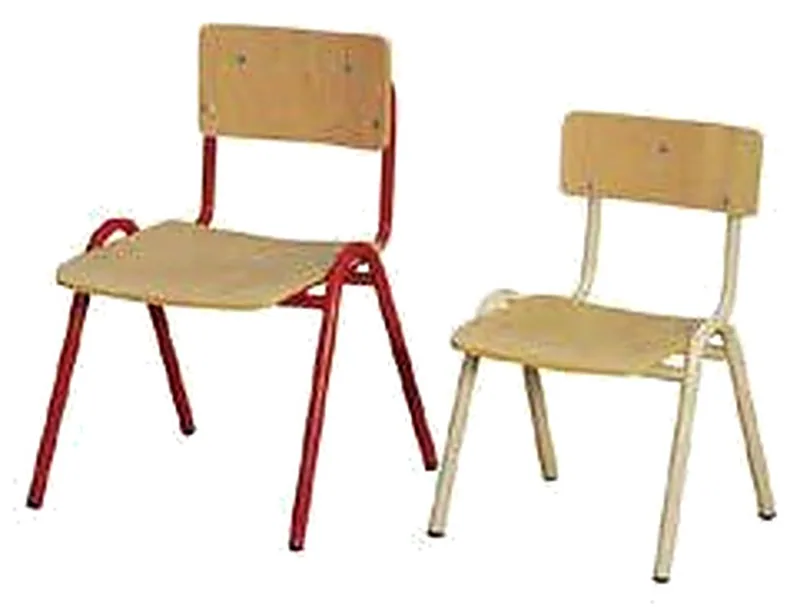
The Kids Wooden Chair – Steel Legs (TVD-9310) comes with a plywood seat and back, coloured steel legs and child sizes. No certification mark or test report is on file for it, so we do not describe it as certified, approved or compliant. Before you order, we confirm the certification status and supply whatever documents exist with your written quote. If a document you need cannot be produced, you will know before any deposit is paid.
Daycares and schools are the typical buyers, and they are also the buyers whose licensing officers, school boards and insurers ask the most questions. A kids' chair is a children's product, and Canadian rules for children's products are stricter than for office furniture even though no single "chair certificate" exists. The practical work is to match each part of the chair to the rule that touches it.
Part by part: which rule touches which component
The plywood seat and back
Plywood is a composite wood product. Canada's formaldehyde emission rules for composite wood products cover hardwood plywood, particleboard, MDF and laminated products: panels must meet emission limits, be certified by an approved third-party certifier and be labelled. If the seat and back of this chair are made from hardwood plywood, the factory should be able to show a compliance certificate that is aligned with the Canadian rule (the US TSCA Title VI certificate is the usual document). Ask for it by name and ask which panel batch it covers.
The coloured steel legs
Painted or powder-coated parts fall under the Surface Coating Materials Regulations. Under the Canada Consumer Product Safety Act, coatings on furniture and on children's products are limited to 90 mg/kg of lead, with a mercury limit as well. Bright colours are exactly where lead pigments historically caused trouble, so a coating test report for the specific colours you choose is a reasonable request. Separately, the Consumer Products Containing Lead Regulations set lead limits for products for young children.
Anything soft: foot caps, pads, cushions
The listed features show no foam, fabric or vinyl, so we do not assume any. If the version you order has a padded seat, a cushion or soft vinyl foot caps, three more points come in: phthalate limits apply to soft vinyl in childcare articles, a flammability specification may be named in your tender, and fabric parts fall under the Textile Labelling Act (Quebec repealed its upholstery permit in December 2021). Tell us at quote stage whether you want a bare plywood seat or a padded one so the right documents are gathered.
Rules that apply to the product as a whole
- The Canada Consumer Product Safety Act prohibits consumer products that are a danger to human health or safety, requires incident reporting and allows recalls. Health Canada enforces it. A chair that tips, pinches or sheds small parts is a danger regardless of paperwork.
- Prepackaged consumer products need bilingual product identity and net quantity plus the dealer's name and place of business. Retail resellers care about this; a daycare buying for its own rooms usually does not.
- Canada does not recognise the European CE mark as proof of compliance for consumer products. A CE-marked chair still has to meet the Canadian requirements.
- Quebec: labels, instructions and warranty documents must be available in French under the Charter of the French language.
Rules change, and provincial daycare licensing adds its own expectations. Confirm current requirements with your licensing officer, school board or inspector. This is general information, not legal advice. Electrical marks such as CSA, cUL and cETL do not apply to a chair like this; our short explainer on CSA, cUL and cETL marks shows where they do.
Document checklist for TVD-9310
| Document | Why you ask for it | Who issues it |
|---|---|---|
| Formaldehyde compliance certificate for the plywood | Hardwood plywood and laminated panels must meet Canadian emission limits and be labelled | Approved third-party certifier, passed on by the factory |
| Coating test report for the leg colours | Lead limit of 90 mg/kg and a mercury limit on children's products | Independent test laboratory |
| Lead content report for children's product parts | Lead limits apply to products for young children | Independent test laboratory |
| Strength and stability test report | Shows the chair holds its rated weight without tipping; ask for the test standard named | Laboratory or factory quality department |
| French-language instructions and labels | Required for Quebec delivery and often requested by schools elsewhere | We arrange with the factory on request |
| Phthalate and flammability papers (only if padded or vinyl parts are ordered) | Soft vinyl in childcare articles; tender wording for upholstery | Laboratory, on the version you order |
What goes wrong when papers are missing
A school board's purchasing office will often refuse a delivery that arrives without the documents named in its purchase order. A daycare inspector who spots a chipped coating or a wobbling chair can ask for it to be removed, and an insurer will ask what testing existed if a child is hurt. For a reseller, a chain or marketplace may delist an item that lacks the paperwork, and a recall means pulling every unit you sold. Asking before you order costs one email; asking after the container lands can cost the whole shipment.
How we handle it
Every order is quoted in writing. The quote states the specification, the certification status, the documents available, packing, lead time and delivered cost to your address, which you can estimate roughly with our landed cost calculator first. Samples are available on most items, and the sample cost is usually credited to the first order. Payment is 30% deposit and 70% before release, as set out on the how ordering works page. A free account shows the full specifications on the product page.
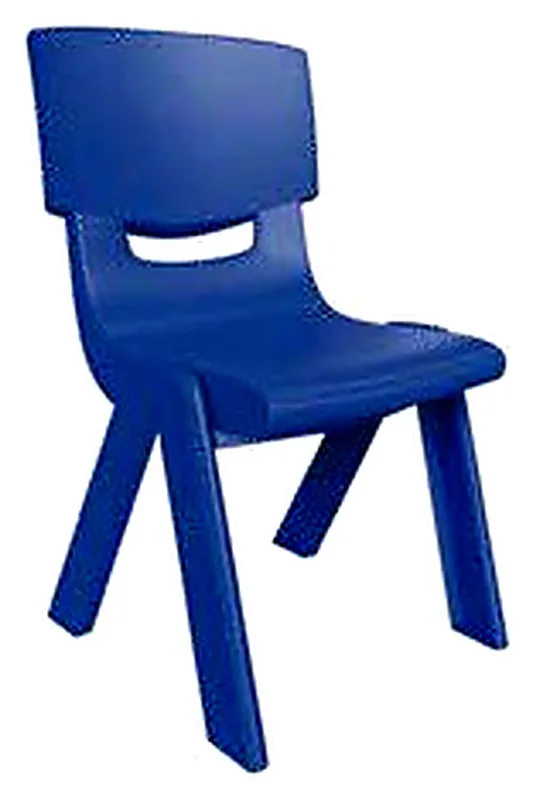
If you are comparing this chair with the moulded plastic option, read our notes on the kids plastic chair (TVD-9308) rules; the plastic seat raises different questions (resin type, additives) than plywood does. For the full picture across the range, see the kindergarten furniture import rules guide, the wholesale buying guide for this chair and the kindergarten furniture line. We deliver across Canada; use the quote request to ask for the documents above.