Product guide ·
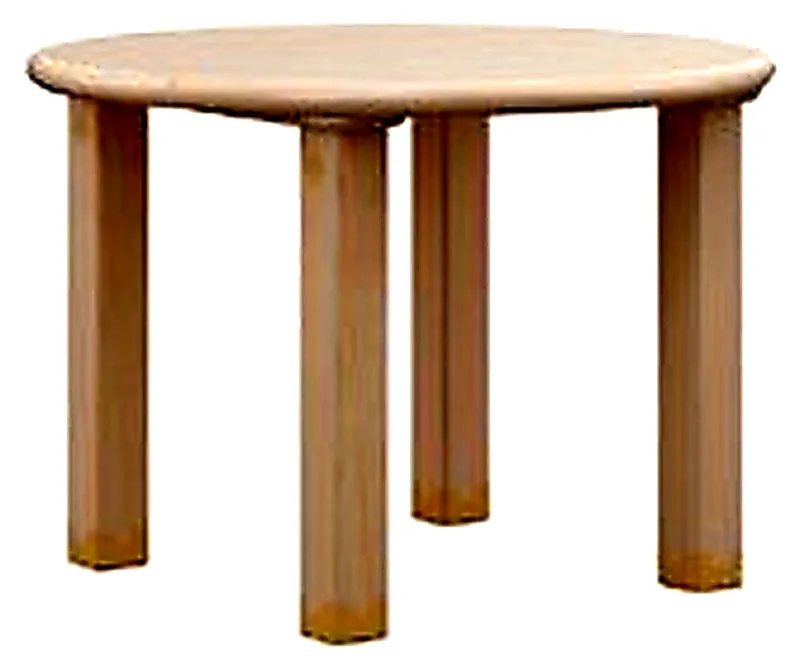
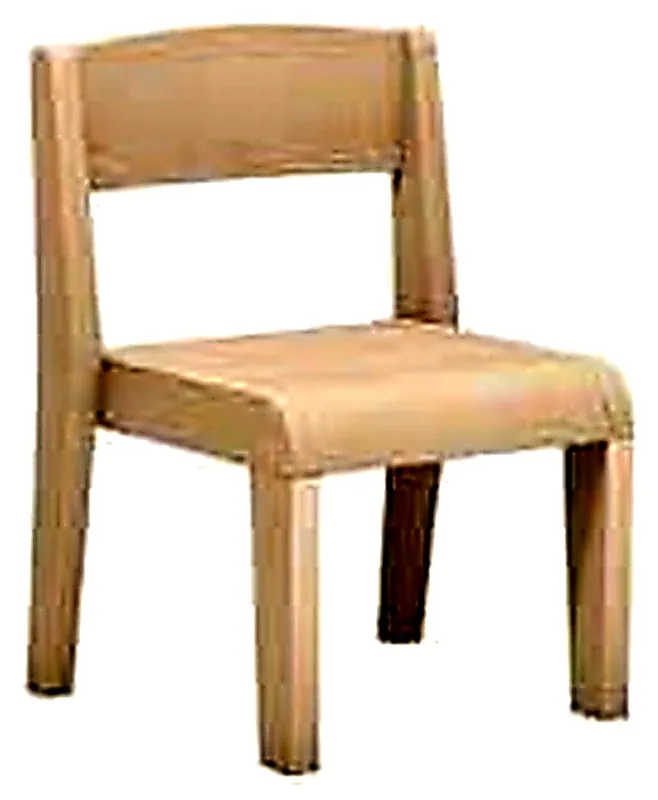
Kids Solid Wood Table (TVD-9313) and Solid Wood Chair (TVD-9314): a natural-finish classroom pair
Two products, one look: a solid wood table with round or rectangular tops and a solid wood chair in child sizes, both in a natural finish. Here is how to choose, combine and specify them.
One look, two different products
This group is not a set of near-identical variants. It is a matched pair: a table and a chair that share a material and a finish. The Kids Solid Wood Table (TVD-9313) has solid wood legs, round and rectangular tops, and a natural finish. The Kids Solid Wood Chair (TVD-9314) is a solid wood chair, also in a natural finish, made in child sizes. What they have in common is the wood and the finish; what separates them is the job each does in the room. We group them so a daycare or school can order furniture that looks like it belongs together, with one conversation about wood, finish and paperwork rather than two.
Both products are used by daycares and schools, in particular rooms where a warm, natural look is preferred to bright plastic: Montessori-style classrooms, early-learning centres, library story rooms and parent-and-child spaces. Neither listing says anything about adjustable height, so if you need a table that grows with the children, look at the adjustable activity table, covered in our kids activity table guide.
The two products side by side
| Item | Construction | What you choose | Suits |
|---|---|---|---|
| Kids Solid Wood Table (TVD-9313) | Solid wood legs, natural finish | Round or rectangular top | Group activity, snack and craft tables |
| Kids Solid Wood Chair (TVD-9314) | Solid wood construction, natural finish | Child sizes | Seating that matches the table |
Round tops let children face one another and leave no corners for running into, which is why many early-years rooms prefer them. Rectangular tops line up in rows, fit against walls and are easier to combine into larger work surfaces. You can mix both top shapes in one order; the choice depends on the room plan, not on a different specification.
Choosing the chair size to match the table
The chair listing says child sizes without giving figures, and the table listing gives no heights, so the exact dimensions are confirmed on your written quote. That matters because table and chair must work as a pair. As a rule, a child should sit with feet flat, knees roughly level with the seat and elbows comfortably above the tabletop. Send us the age group, and ask the quote to state seat height and table height in metric and imperial. If you have two age groups in one building, order two chair sizes and ask whether there is a matching table height for each.
How to mix them in one order
- Decide the room layout first: how many tables of which shape, and how many children per table.
- Order chairs to match the seating count, plus a small allowance for replacements, since solid wood chairs are the part most often scuffed or chipped.
- Ask for the seat height of the chair and the top height of the table on the same quote.
- Confirm the table top thickness, edge profile and sizes of the round and rectangular tops.
- Check the finish. A natural finish on solid wood is usually a clear coating or oil; ask which one, and ask for the colour and grain variation you should expect between units, since natural wood is never perfectly uniform.
- Ask about assembly level, hardware included and units per carton so containers can be planned.
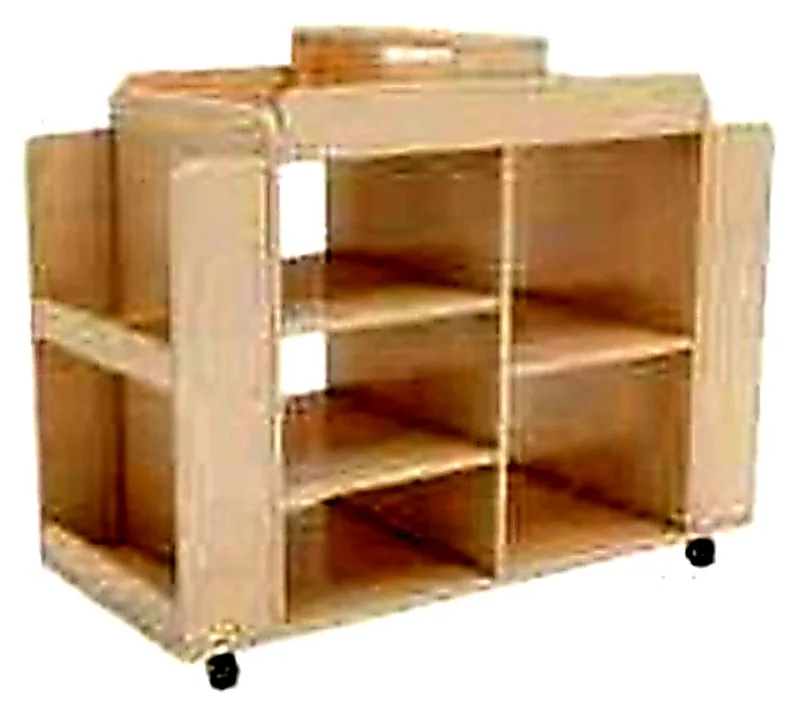
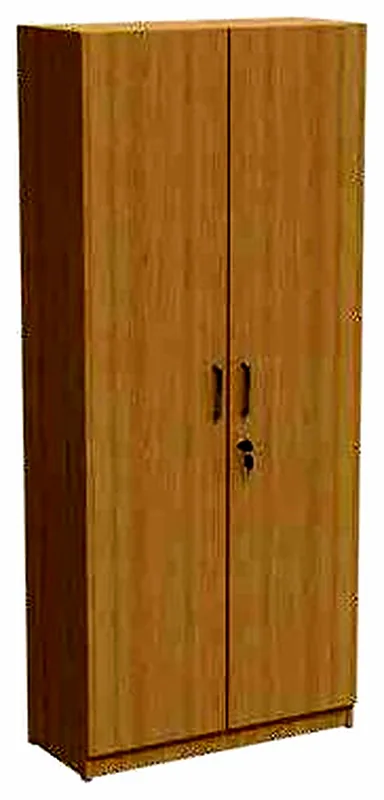
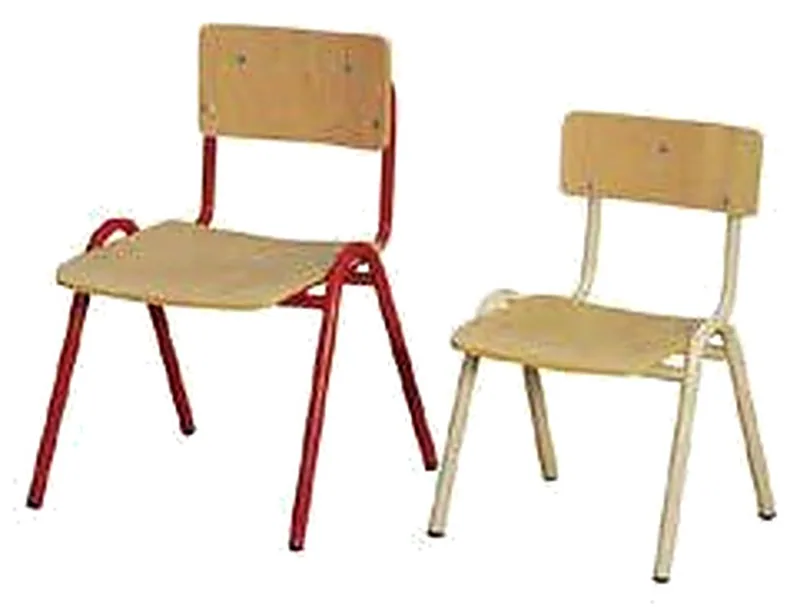
If you also need storage, the Kindergarten Storage Cabinet (TVD-9311) and the Classroom Cubby Shelf – Wood (TVD-9315) are in the same line, and the Tall Storage Cabinet – Wood (TVD-9317) has doors. The coloured alternative to the wooden chair is the Kids Wooden Chair – Steel Legs (TVD-9310), which pairs a plywood seat with coloured steel legs; our rules notes for that chair explain how its parts differ from a fully solid wood one.
Canadian use notes
Solid wood moves with humidity. In heated buildings across the Prairies and central Canada, winter air is very dry, and solid wood can shrink or show small cracks if it is delivered straight from a damp container and installed at once. Coastal BC and Atlantic Canada are humid, so wood can take on moisture. The usual advice is to let furniture rest in the room for a few days before use. Cold-season transit can also be hard on cartons, so check each unit on arrival. Daycare floors are frequently hard and cleaned often; ask about floor protectors on chair legs.
Rules matter more for children's furniture than the look suggests. Solid wood is not a composite panel, so the formaldehyde emission rules for particleboard, MDF and hardwood plywood would apply only if the table top or any part is made from those panels; confirm the top construction in writing. The natural finish still needs attention: coatings on children's furniture are limited to 90 mg/kg of lead, with a mercury limit as well, and children will chew on edges. No certification mark is on file for either product, so we do not call them certified. We confirm status and supply documents with the quote before you order. Rules change, so check with your licensing officer or school board; our kindergarten furniture rules guide lists the points to ask about. This is not legal advice.
How ordering works
Send a quote request listing the quantity of each item and your delivery address. The written quote shows price for the quantity, specifications, certification status and documents, packing, lead time and delivered cost. Many lines have low trial quantities and samples on most items, with the sample cost usually credited to the first order; a sample table and chair is a sensible first step so you can judge the finish. Payment is 30% deposit and 70% before release. Tables and chairs can share a container with other products. See how ordering works, the sales tax by province guide and the kindergarten furniture line. A free account shows the full specifications on each product page.