Certification guide ·
Monitor Riser Stand – Black (TVD-9271): Canadian Certification and Compliance Guide
A powder-coated steel riser shelf is a simple product, but buyers still ask for paperwork. This guide sets out which Canadian requirements can apply to it and which documents to ask for.
Where this product stands
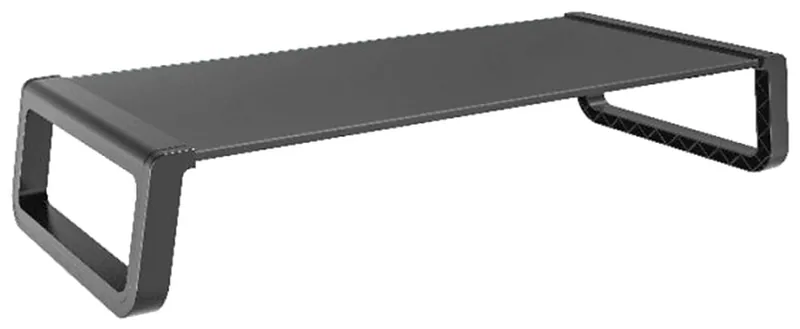
The Monitor Riser Stand – Black (TVD-9271) is a steel monitor riser shelf with a black powder-coated finish, sold to free up desk space. No certification mark is on file for it. That is normal for an unpowered steel shelf, because Canada has no single mark that every desk accessory must carry. What a buyer needs instead is a short set of documents that answer the questions a facilities manager, a tender evaluator or a retail buyer is likely to ask. We confirm certification status and supply the documents with the quote before you order.
This page is not legal advice. Rules change, so confirm requirements with the relevant authority, your inspector or your customs broker. For the product itself, see the TVD-9271 buying guide.
Which Canadian rules can apply
General consumer product safety
The Canada Consumer Product Safety Act applies to consumer products. It prohibits products that are a danger to human health or safety, requires incident reporting and allows recalls, and Health Canada enforces it. For a riser, the practical points are stability under a screen, sharp edges and pinch points, so a stiff shelf with finished edges and non-slip feet is what a reasonable buyer expects.
Surface coatings
The black finish is a coating on furniture. The Surface Coating Materials Regulations set limits on lead (90 mg/kg) and on mercury in paints and coatings on furniture and on children's products. A powder-coat batch test report is the document that answers this. If a school or daycare buys the riser for children's use, this is the first thing the purchaser will ask about, together with the rules on lead in products for young children.
Labelling for retail
If you sell prepackaged units to consumers, the Consumer Packaging and Labelling Act requires bilingual product identity and net quantity, plus the dealer's name and place of business. In Quebec, the Charter of the French language requires labels, instructions and any warranty document to be available in French, and retailers there will ask for it.
What does not apply as listed
As listed, the riser has no electrical, padded or glass part. Electrical certification rules, upholstery rules in Quebec and flammability reports apply to powered or upholstered items, so they come in only if the version you order adds such a part. If it does, we tell you before you order. For a general picture of electrical marks, see CSA, cUL and cETL marks explained. A CE mark is not recognised in Canada as proof of compliance for electrical or consumer products, so a CE-marked version would still need the Canadian requirements.
If the version you order has a wood or composite shelf instead of steel, the Canadian formaldehyde emission rules for composite wood panels come into play, with third-party certification and labelling. The steel version described here does not raise that question.
Document checklist
| Document | Why you ask for it | Who issues it |
|---|---|---|
| Coating test report (lead and mercury) | Shows the powder coat meets the furniture coating limits | Testing laboratory, supplied through the factory |
| Load or stability test report | Backs the rated load, and some tenders require it | Testing laboratory or the factory's own test record |
| Specification sheet | Size, steel gauge, finish, load rating | Factory, confirmed on our quote |
| Packaging and label proof | English and French wording for retail sale | Factory, approved by you before production |
| Customs classification | Sets duty and tax on the delivered cost | Our customs broker |
| Written quote | Records quantity, specs, documents and delivery | Thames Valley Distribution |
A free account on the product page shows the full specifications; the quote is where each document is confirmed.
What buyers commonly ask for in tenders
Contract buyers in offices, schools and hotels sometimes specify ANSI/BIFMA test reports for desks and seating. These are buyer specifications and not federal law, and a riser shelf may or may not fall within the scope of what the tender names. Read the tender wording, and send us the clause so we can confirm what exists for this item. If the tender names none, a load report and a coating report are the usual practical answers.
Provincial and project differences
Quebec is the main difference: French-language labels, instructions and warranty documents, and French at least as prominent as English. Other provinces do not change what the shelf is, but landlords and school boards may add their own purchasing rules. Check what your end customer requires. Delivery taxes follow the province of delivery; see the sales tax guide.
What happens if a document is missing
A buyer who cannot produce a coating report may have the order refused by a school board or a corporate purchasing team. A retailer may decline to list prepackaged goods without bilingual labels. A product that proves hazardous can be recalled under the consumer safety law. None of these is likely with a plain steel shelf, but each one is easier to prevent before production than to fix on a pallet in Canada.
How we handle it
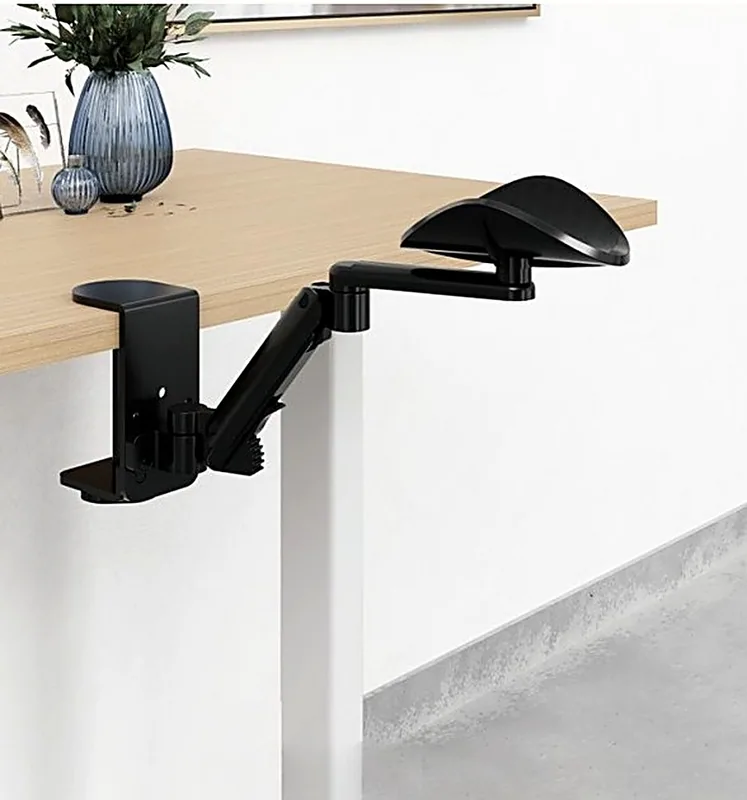
Tell us the end use and the delivery province through the quote request. We confirm certification status, request the coating and load reports from the factory, and show the documents on the written quote before you order. If a mark or report is not available, we say so plainly and propose a different source or version. The same approach covers the rest of the range; compare the monitor arm line compliance guide and the related arm rest compliance guide. Ordering is explained on how ordering works: samples on most items, 30% deposit and 70% before release.