Certification guide ·
Whiteboards and Memo Boards in Canada: Compliance and Import Rules, Product by Product
Whiteboards, cork boards, felt boards and planner boards look alike but are built from very different materials. This guide shows which Canadian rules can touch each type and which documents to request.
One line, many materials
Our Whiteboards & Memo Boards line runs from small desktop easels to large framed boards, and the rules that matter depend on what a board is made of far more than on its name. A wood-framed board brings composite wood into the picture. A felt or fabric surface raises textile questions. A coloured plastic frame aimed at children raises coating and lead questions. And magnets, markers and hanging cords each add small details. No certification mark is on file for any product in this line, and we do not describe any of them as certified, listed or approved. We confirm certification status and send the documents with each quote before you order.
Rules also change, so confirm requirements with your inspector, the relevant authority or your customs broker. Nothing here is legal advice.
Composite wood: the rule that touches the most boards
Canada's regulation on formaldehyde emissions from composite wood products has been in force since 2023. Hardwood plywood, particleboard, MDF and laminated products must meet emission limits, be certified by an approved third-party certifier and be labelled. The regulation matters for furniture made from these panels, and it matters for boards whose frames or backing panels are made of them. Many boards in this line have wood or wood-tone frames, so we ask for the TSCA Title VI or Canadian compliance certificate, which are aligned, wherever the version you order uses a panel. Boards with an aluminium or metal frame, or an acrylic body, are a different case, and we confirm the actual materials on the quote.
Which products raise which question
| Type of board | Examples in the line | Main question to settle |
|---|---|---|
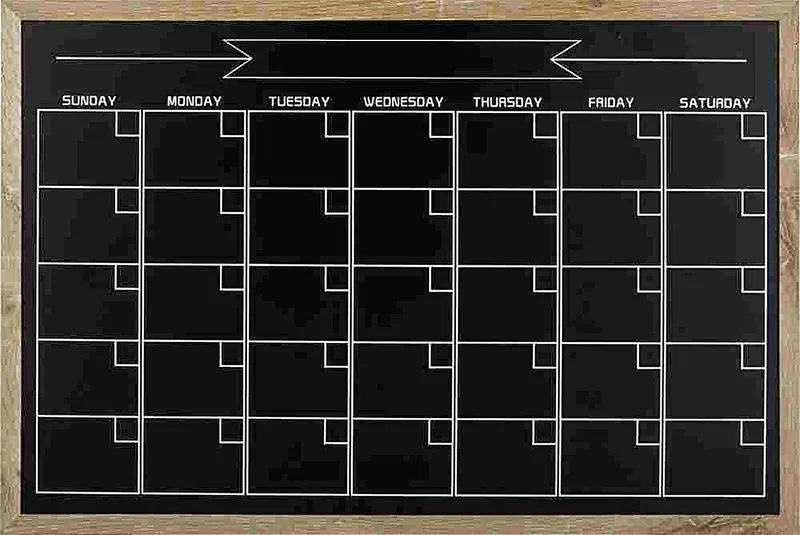
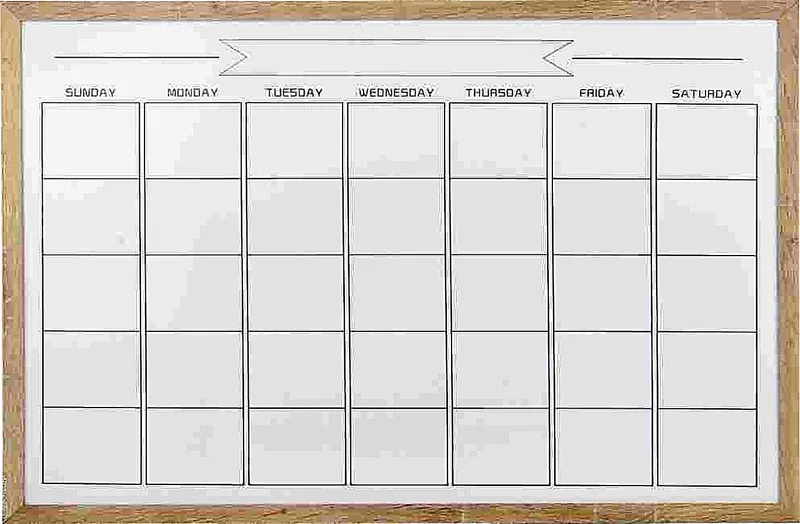
| Wood-framed dry-erase calendars | TVD-5438 | Is the frame or backing composite wood? Request the formaldehyde certificate if so. |
| Combination boards (dry-erase plus cork) | TVD-5439 | Frame and backing material; cork panel adhesive. |
| Metal-framed dry-erase boards | TVD-5441 | Backing panel type and coating on the frame. |
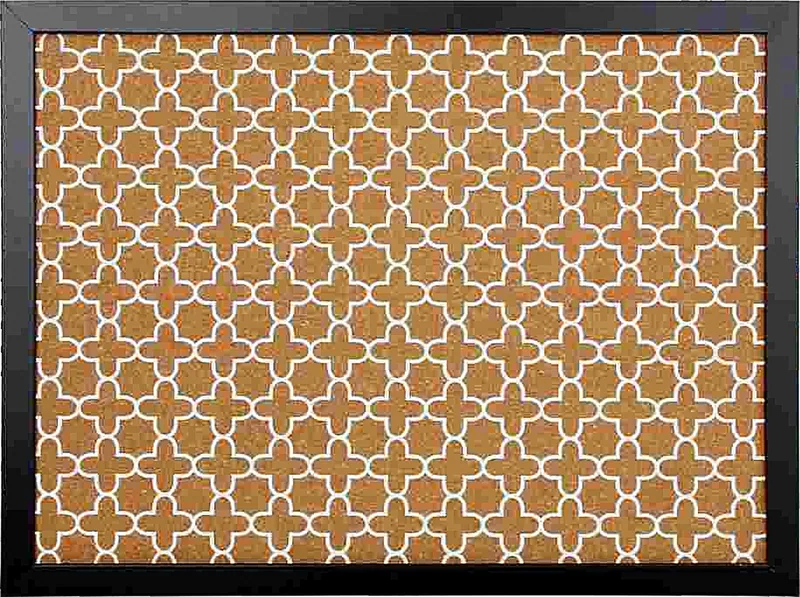
| Plain cork boards | TVD-5443 | Frame and backing, and adhesive used on the cork layer. |
| Felt boards | TVD-5446 | Fibre content if sold as a textile article; wood frame and backing. |
| Fabric-covered boards | TVD-5436 | Fabric label rules and any padding under the fabric. |
| Calendar and planner boards | TVD-5437, TVD-5451 | Frame material, surface type and what pens to use. |
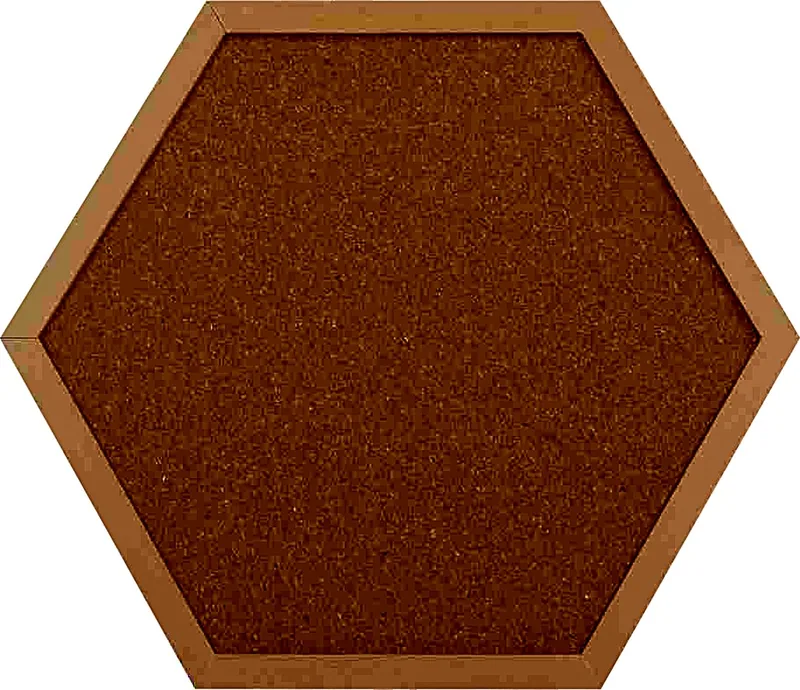
| Shaped boards | TVD-5449 | Backing panel and fixings for a non-standard shape. |
Textiles: felt, fabric and letter boards
The Textile Labelling Act applies to consumer textile articles such as bedding, cushions and throws, and requires fibre-content and dealer identity labelling. Several boards in this line have felt or fabric surfaces: grey, black, blue and navy felt boards, coloured felt letter boards, hexagon felt tiles and printed or floral fabric boards. Whether a particular board counts as a consumer textile article depends on how it is made and sold, so we ask the factory for the fibre content and tell you on the quote what labelling to prepare. If a board has any soft padding under its fabric, we confirm the labelling on the quote. Quebec repealed its permit rule for upholstered and stuffed articles in December 2021, so the points to check for sales into Quebec are French labels and the fibre-content declaration; a flat felt pin surface bonded to a board is not the usual subject of either, but we confirm rather than assume.
Children's products and coatings
A large part of the line is aimed at children or family use: pastel boards, boards with colour frames in red, yellow, blue, green, pink, teal or purple, and several kids' grid boards with handles, trays or cat-ear shapes. Canada's Surface Coating Materials Regulations limit lead and mercury in paints and coatings on furniture and on children's products, and the Consumer Products Containing Lead Regulations include limits for products for young children. Plastic frames and printed or painted surfaces fall under the question, so for children's boards we ask for coating and material documents. The Canada Consumer Product Safety Act also applies to any consumer product that could be a danger to health or safety, which makes small parts worth a look: magnets, marker caps and hanging cords that come with a product should be considered before it is given to a young child. Phthalate limits apply to soft vinyl in childcare articles and toys.
Schools, offices and public buildings
Large boards in schools, offices and corridors are fixed to walls, so installation and fire safety come into play. The National Building Code of Canada, adopted with changes by each province, limits the flame-spread rating of interior wall and ceiling finishes in tested building uses, with exits and corridors the strictest. A single board is not a wall finish, but a large installation covering a wall in an exit route may attract a question from the building official or fire inspector. If your project has such a requirement, ask us early and we will raise it with the factory. We do not claim any board is non-combustible.
Contract and institutional buyers usually set their own specifications in tenders, so check what yours asks for.
Packaging, French and import basics
- Bilingual labelling: under the Consumer Packaging and Labelling Act, prepackaged consumer products need English and French product identity and net quantity, plus the dealer's name and place of business.
- Quebec: the Charter of the French language requires labels, instructions, manuals and warranty documents to be available in French. Retailers in Quebec will ask for this. Our product pages and quotes are in English, with French support on request.
- CE mark: Canada does not recognise the CE mark as proof of compliance for consumer products.
- Duties and taxes: import duty depends on tariff classification and origin, and GST, HST, PST and QST apply as per the province of delivery. Our customs broker confirms classification before we quote a delivered cost. See the sales tax guide.
Documents to ask for
| Document | Why | Who issues it |
|---|---|---|
| Materials declaration per board | Shows which rules apply: composite wood, textile, coating, plastic | The factory, confirmed by us on the quote |
| Composite wood formaldehyde certificate | Required evidence where a panel frame or backing is used | Approved third-party certifier |
| Fibre-content statement | Supports textile labelling for felt and fabric boards | Factory or fabric supplier |
| Coating and lead test report | For children's boards and coloured frames | Factory or test laboratory |
| Bilingual label artwork | Retail sale across Canada and French labelling for Quebec | You, with our guidance |
If a document is missing
A retailer may refuse to list a board without bilingual labelling. A school board tender may reject a children's board without a coating report. An inspector or insurer may question wall-fixed items in public buildings, and a product found to be a danger can be recalled under the Canada Consumer Product Safety Act. We tell you plainly on the quote what is available and what is not.
How we handle it
We confirm certification status and documents on every written quote, before you order. Samples are available on most items and usually credited to the first order, products from several factories can share one consolidated container and payment is 30% deposit with 70% before release. See how ordering works, browse the Whiteboards & Memo Boards line or the wholesale guide, and send your list to the quote page.