Certification guide ·
Chandeliers and Feature Lighting in Canada: Marks, Voltage and Inspection Rules Before You Import
Every fixture sold or installed in Canada needs an accepted electrical mark. Here is the checklist, with examples from our decorative lighting line.
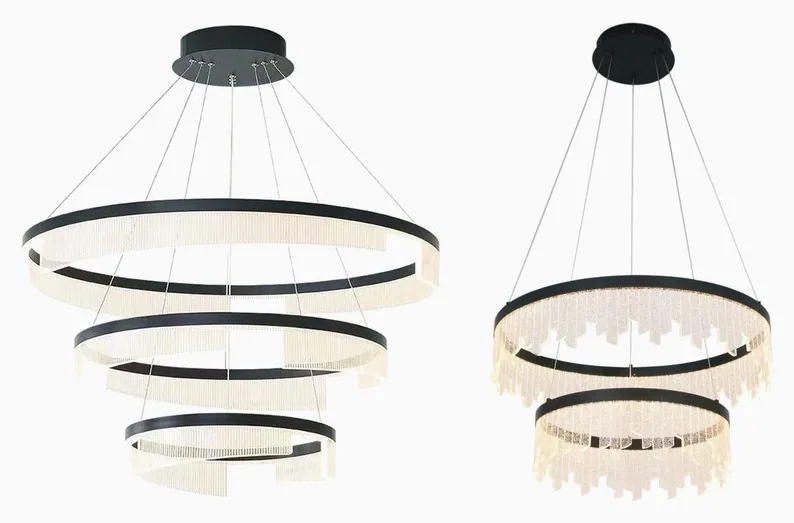
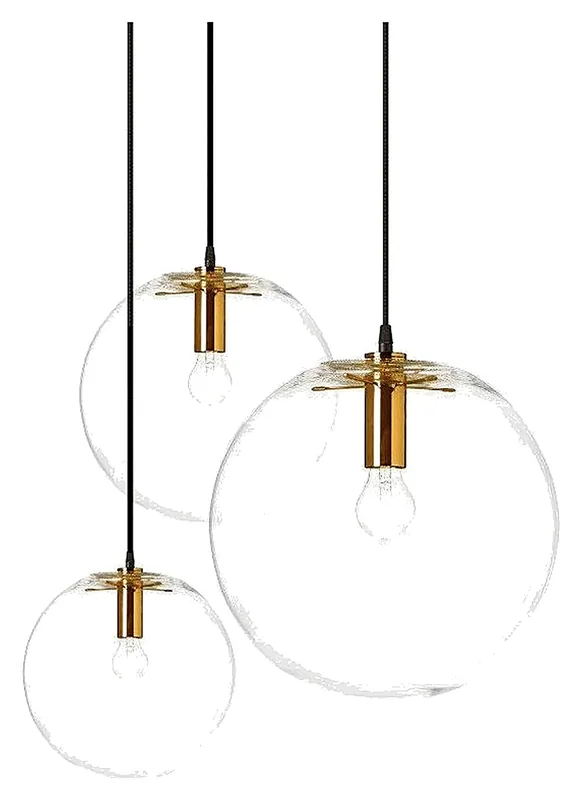
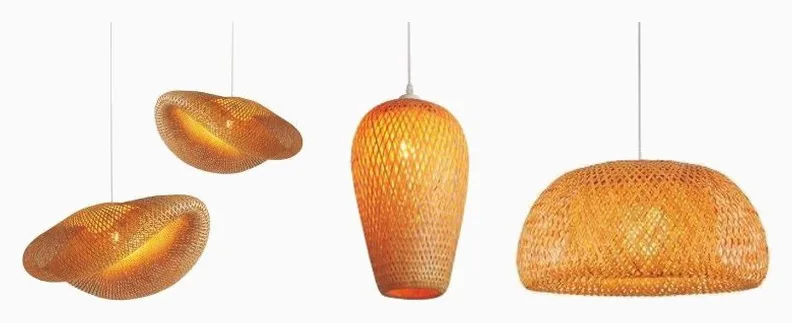
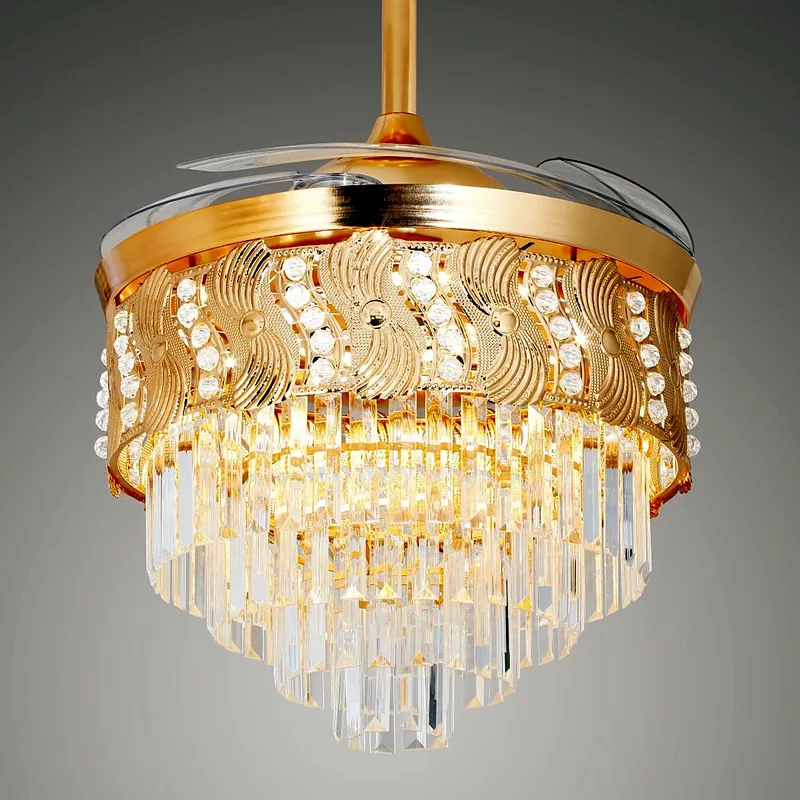
Chandeliers, pendants, sconces and fan lights are electrical products, and in Canada the electrical rules decide whether a fixture can be installed at all. This guide covers the rules across our decorative and feature lighting line, with examples from the Ring Chandelier – Crystal Fringe (TVD-101), Clear Glass Globe Pendants (TVD-104), Bamboo & Rattan Pendants (TVD-113), Crystal Fan Chandelier (TVD-127), Gold Triple-Ring LED Chandelier (TVD-9079) and Open-Ring Acrylic LED Pendant (TVD-9441). Be clear on status first: no certification mark is on file for any product in this line. We confirm certification status and supply the documents with each quote before you order, and we do not ask you to assume a mark exists.
The rule that matters most: a Canadian mark
Electrical products sold or installed in Canada must carry a certification mark from a certification body accredited by the Standards Council of Canada, such as CSA, cUL or cETL (the small "c" means Canada), or a field evaluation or special inspection label from an accredited body. Provincial and territorial electrical safety authorities enforce this; in Ontario that is the Electrical Safety Authority. Inspectors can refuse uncertified equipment and insurers may question it. A US-only mark (UL or ETL without the "c") is not enough, and the European CE mark is not recognised in Canada as proof of compliance. Our guide to CSA, cUL and cETL marks explains the differences.
Luminaires are certified to the Canadian luminaire standard, CSA C22.2 No. 250.0, which is also shared as UL 1598 for North America. LED drivers are components of the certified fixture, so a driver marked AC85-265V usually accepts Canadian voltage, but the whole fixture still needs a Canadian mark.
Voltage, frequency and location rating
- Voltage and frequency. Canadian supply is 120 V or 240 V single-phase and 208 V or 600 V three-phase at 60 Hz. Commercial buildings commonly use 208 V or 600 V three-phase. Anything rated 220 V and 50 Hz must be confirmed as built for Canadian voltage and 60 Hz before ordering. Ask the quote to state input voltage and frequency, or a multi-voltage driver for commercial sites.
- Location rating. Damp or wet location ratings matter for bathrooms, exteriors and kitchens. A pendant over a restaurant kitchen island and a covered patio fixture need a stated rating, not an assumption.
- Dimming. Dimming type and compatible dimmer style affect whether a fixture works with your control system.
Where the products differ
| Product | What it adds to the rule check |
|---|---|
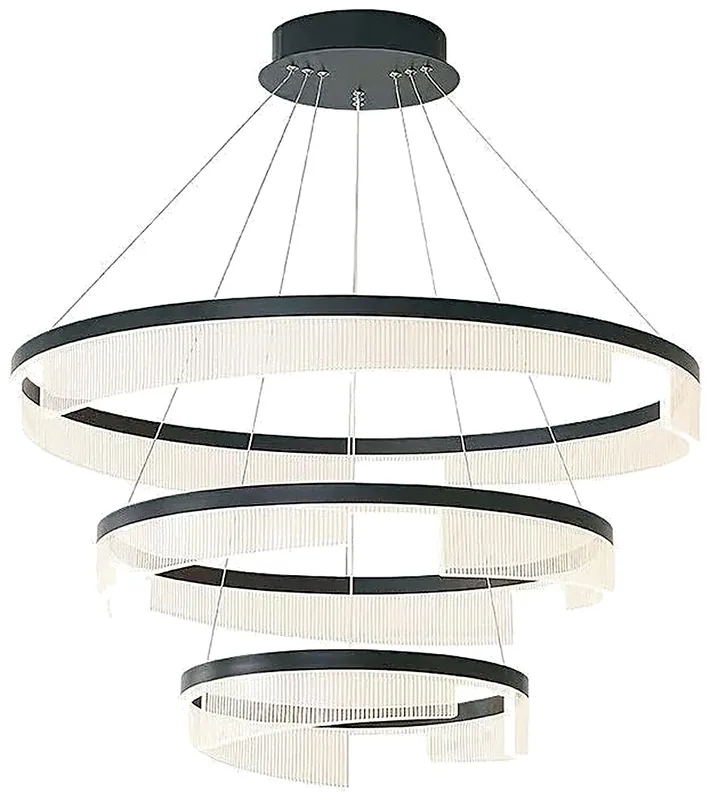
| Ring Chandelier – Crystal Fringe (TVD-101) | Multi-ring LED chandelier for lobbies and stairwells: ceiling height, weight and mounting support for a large fixture, plus the mark on the whole assembly |
| Clear Glass Globe Pendants (TVD-104) | Hand-blown clear globes with brass fittings for kitchens and islands: location rating near cooking, and glass shade handling |
| Bamboo & Rattan Pendants (TVD-113) | Natural woven shades for cafes and covered patios: confirm damp rating and the shade material near the lamp |
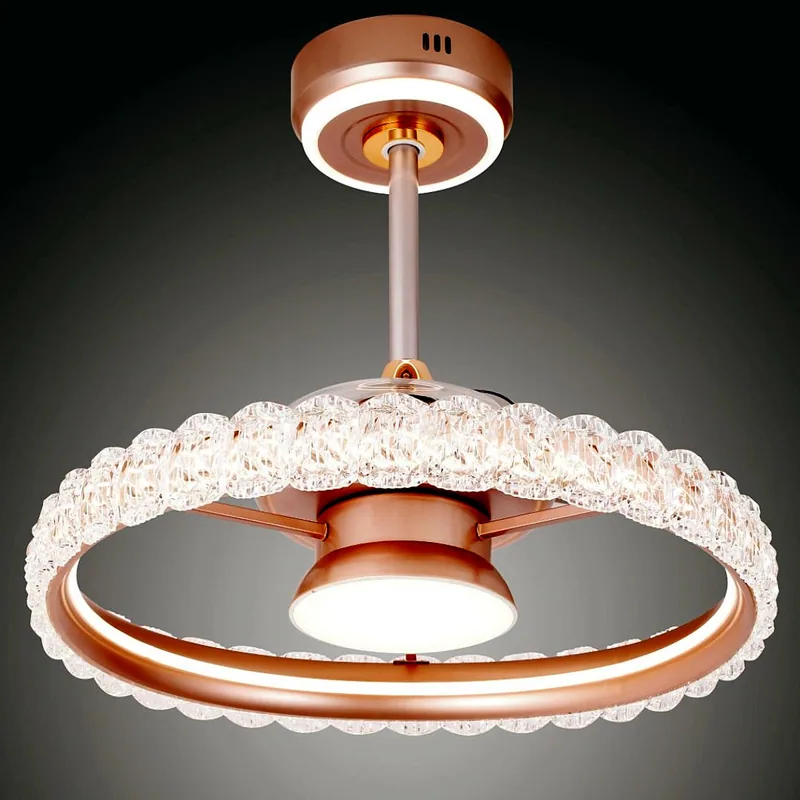
| Crystal Fan Chandelier (TVD-127) | A chandelier with a hidden retractable fan: a motor as well as a light, so motor behaviour on 60 Hz and the mark covering the fan |
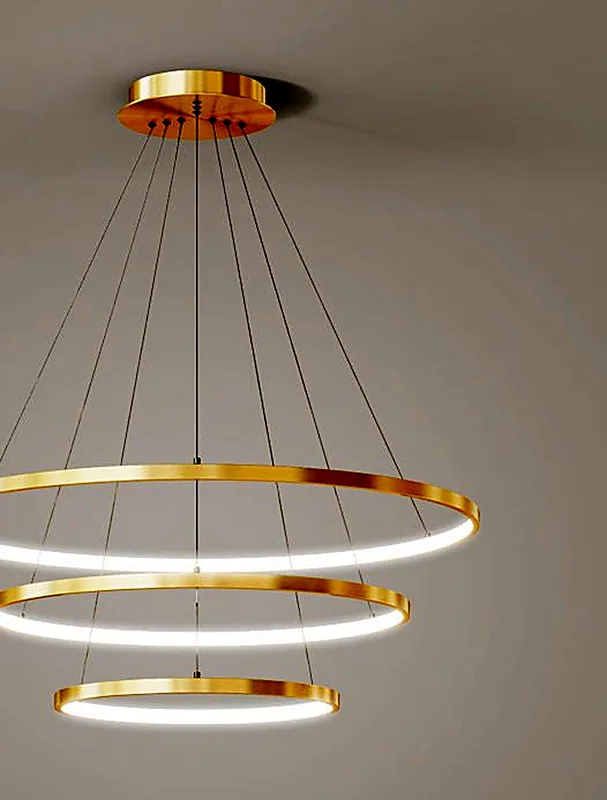
| Gold Triple-Ring LED Chandelier (TVD-9079) | Three LED rings on fine cables with a gold canopy: suspension hardware and the canopy wiring space |
| Open-Ring Acrylic LED Pendant (TVD-9441) | Dimmable LED in 2- and 3-ring versions: dimmer compatibility and the mark for each version |
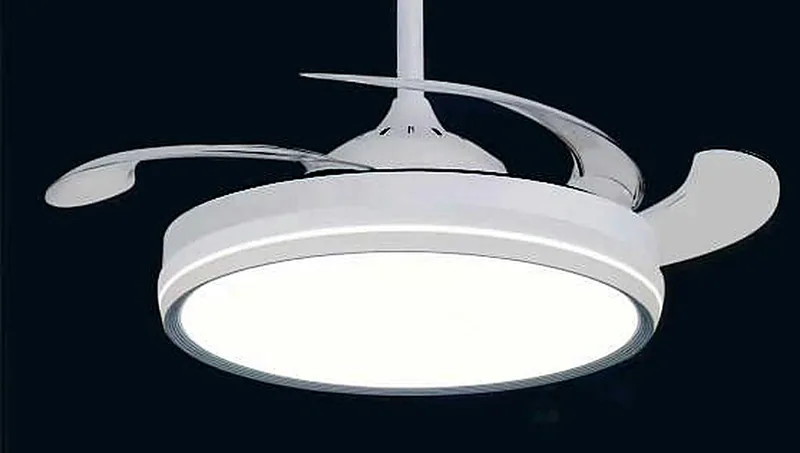
Fan lights such as the Retractable-Blade Ceiling Fans with Light (TVD-128) and Ring Ceiling Fan Lights (TVD-129) deserve extra care because motors, timers and compressors can misbehave on 60 Hz if built for 50 Hz. Table and floor lamps such as the Glass Floor & Table Lamps (TVD-110) are plugged in, so the mark applies to the cord set and the lamp together. Individual guides include the certification guide for TVD-101.
Document checklist
| Document | Why you need it | Who issues it |
|---|---|---|
| Certification mark and file number for the fixture | Inspectors and insurers look for a Canadian mark on the product | Accredited certification body (CSA, cUL, cETL or similar) |
| Field evaluation or special inspection label | An alternative route if the product has no mark | Accredited evaluation body, arranged through the electrical safety authority |
| Rating label: voltage, frequency, wattage, location | Confirms 60 Hz suitability and damp or wet rating | Factory, verified against the mark |
| Driver specification | Shows the input range of the LED driver | Factory |
| Dimmer compatibility note | Avoids flicker and buzzing | Factory |
| Installation instructions | Needed by the electrician; French for Quebec | Factory, translated before ordering |
| Tariff classification | Duty depends on the HS code and origin | Our customs broker |
What happens if the mark is missing
An inspector can refuse the installation, the project is delayed while a field evaluation is arranged, and an insurer can ask questions after a claim. For a hotel lobby or a restaurant fit-out, a refused chandelier means a gap in the ceiling and a delayed opening. Field evaluation is possible, but it adds cost and time, so ask us about it at quote stage, not after the fixtures arrive.
Provincial differences
Each province or territory has its own electrical safety authority, and the details of how field evaluations are arranged differ. Quebec adds French-language requirements for instructions, manuals and warranty documents. Check with your electrician, inspector or authority before you commit to a large order.
Fixtures sold as decoration
If you resell a lit decoration, a mains-plug fixture needs the same Canadian electrical certification as an installed one, while battery-only items follow general product safety and battery shipping rules. Public buildings, malls and hotels can ask fire officials about flame-retardant treatment for decorative materials, and they may ask for test documentation, particularly for fabric or film shades.
How we handle it
On each quote we state the certification status, the voltage and frequency, the location rating and the documents we can supply. If a fixture has no Canadian mark, we say so, explain whether field evaluation is a realistic route and agree a way forward before you pay. Our customs broker confirms the tariff classification before we quote a delivered cost, and the sales tax guide covers provincial taxes. Payment is a 30% deposit with the balance before release; samples are available on most items, and fixtures from several factories can share one container. Send fixture codes, ceiling heights and your province through the quote request, read how ordering works and estimate costs with the landed cost calculator. For more, see the Decorative Lighting chapter, the range in Canada, the wholesale guide and the Canada delivery hub. Rules change, so confirm with the authority, your inspector or your customs broker. This is not legal advice. A free account shows the full specifications on each product page.