Certification guide ·
LED Pendants and Chandeliers in Canada: CSA, cUL or cETL Before You Install
Pendants and chandeliers are inspected as electrical equipment, and not every fixture in a long line raises the same questions. This guide sets out the documents to request and where individual products differ.
A pendant or chandelier hangs in plain view, which is why electrical inspectors, insurers and shop buyers look at it closely. Our LED pendants and chandeliers line covers hundreds of designs, from slim linear pendants to wide ring chandeliers. Our product listings give each fixture the same type of information: a material, a size and, for most, 3000K, 4000K and 6000K colour options with an AC85-265V driver. We have no certification certificate on file for any product in the line. That is why this guide exists: it tells a Canadian buyer what must be in place and what we do at quote stage.
What Canada requires for these fixtures
Electrical products sold or installed in Canada must carry a certification mark from a certification body accredited by the Standards Council of Canada, for example CSA, cUL or cETL, where the small "c" means Canada. The alternative is a field evaluation or special inspection label from an accredited body. Provincial and territorial electrical safety authorities enforce this: the Electrical Safety Authority in Ontario is one example, and every other province or territory has its own. Inspectors can refuse uncertified equipment, and insurers may question it. A US-only mark (UL or ETL without the small "c") is not enough.
Luminaires are certified to the Canadian luminaire standard, which is shared as a North American standard. The LED driver is a component of the certified fixture, so a driver marked AC85-265V does not by itself certify anything. The marking only means the driver usually accepts Canadian 120 V or 240 V single-phase supply, or commercial 208 V and 600 V three-phase circuits, at 60 Hz. The fixture still needs its own Canadian mark. Damp and wet location ratings matter for bathrooms, kitchens and exteriors.
CE is not a Canadian mark
Canada does not recognise the European CE mark as proof of compliance for electrical products. A CE-marked pendant still needs the Canadian requirements above. If a factory document shows only CE, treat it as incomplete for Canada. Our explainer on CSA, cUL and cETL marks explained shows how to read a certificate and check the body and file number.
Documents to request
| Document | Why you need it | Who issues it |
|---|---|---|
| Certification certificate with file number | Shows the fixture carries a recognised Canadian mark | Accredited certification body |
| Mark photograph on the label | Inspector sees the mark on the product itself | Factory, checked by us on the sample |
| Field evaluation report (if no mark) | Allows an uncertified fixture to be inspected on site | Accredited field evaluation body |
| Location rating statement | Dry, damp or wet use decides where it can hang | Certification body or factory data sheet |
| Bilingual packaging and French manuals | Retail resale and Quebec projects | Dealer or importer |
| Electrical data sheet | Voltage, frequency, wattage for the electrician | Factory, confirmed by us on the quote |
Where products in this line differ
The rule set is the same for every pendant, but the questions you ask change with the product.
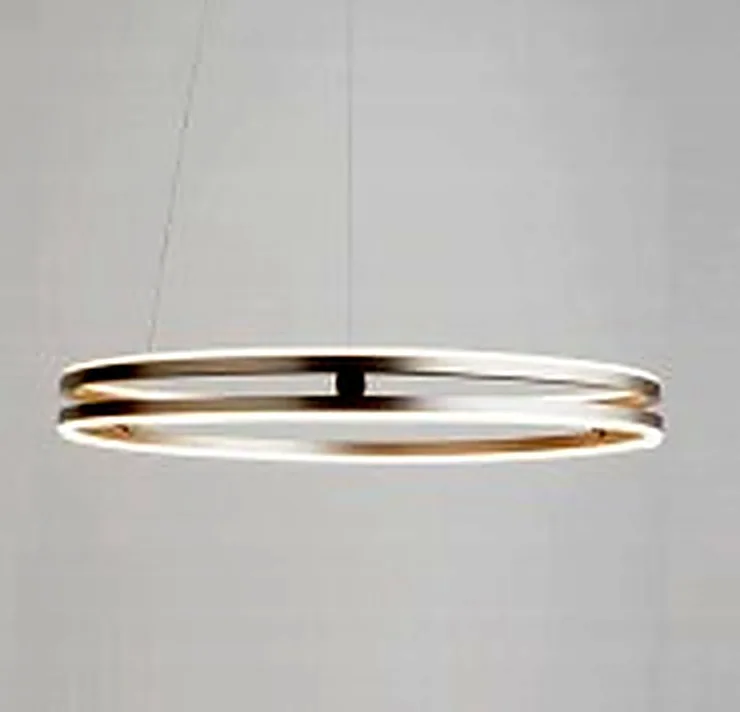
Two-size pendants. The Slim Double-Ring LED Pendant (TVD-8630) comes in aluminium and acrylic at D65 x H15 cm or D80 x H15 cm. Each size is a separate weight and may be a separate certified model, so ask whether the certificate covers both sizes. See also the Slim Double-Ring LED Pendant buyer guide and the certification guide for the Slim Double-Ring LED Pendant.
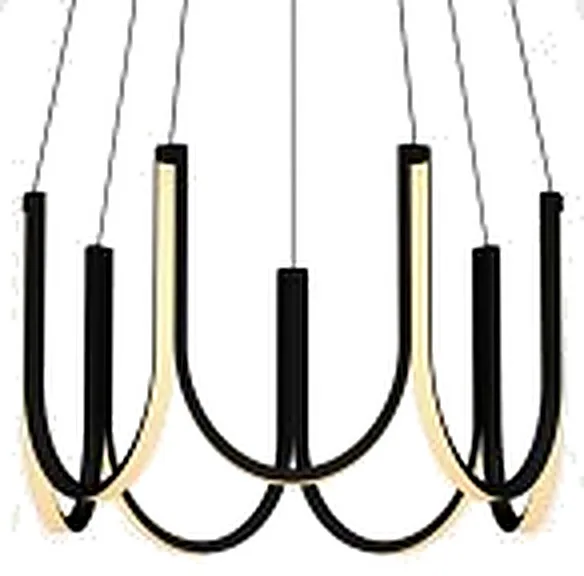
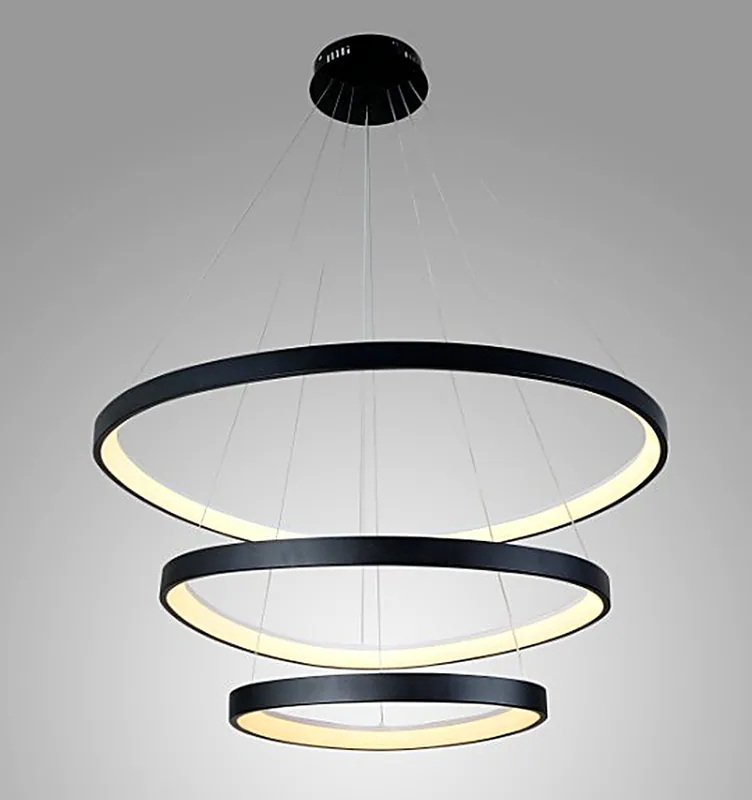
Multi-diameter fixtures. The U-Tube LED Pendant (TVD-8632) uses stainless steel and silicone and comes in a range from D40 to D120 cm. The Graduated Ring LED Chandelier (TVD-8639) goes up to D150 cm across several tiers. Large chandeliers need ceiling support chosen for the real weight, which is not in our listing, and certificates should name the size range. Details are in the U-Tube LED Pendant collection guide and the Graduated Ring LED Chandelier guide.
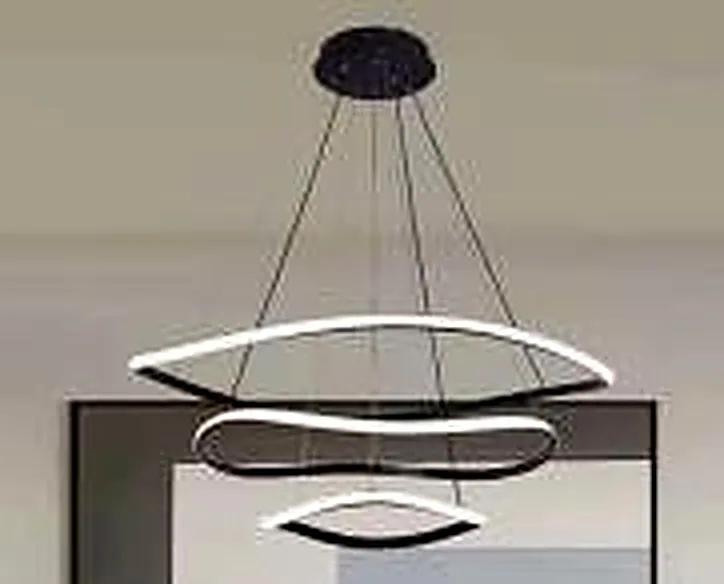
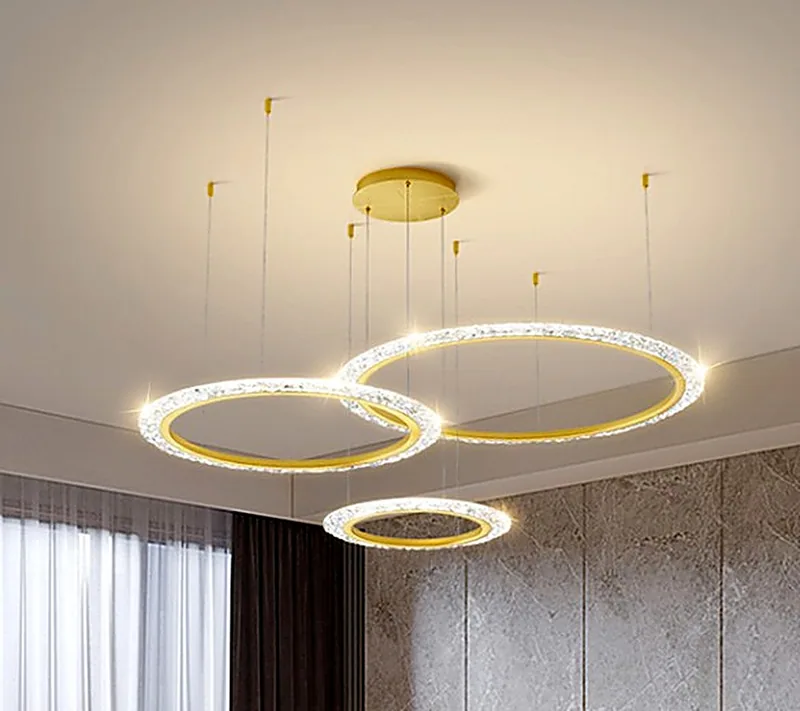
Nested rings. The Wave Ring LED Chandelier (TVD-8633) combines D30, D40 and D70 cm rings. Ask whether the certificate lists the full assembly. Read the Wave Ring LED Chandelier guide.
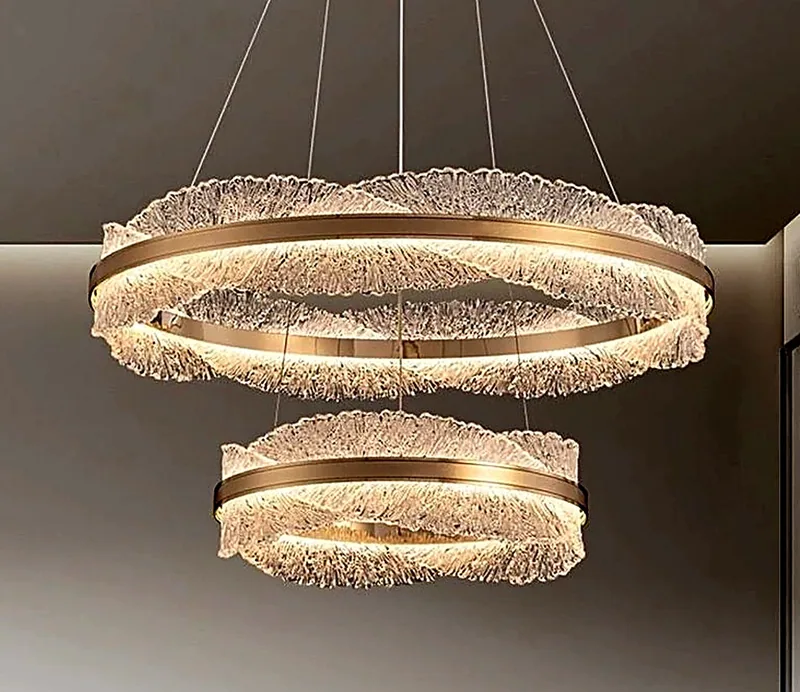
Fixed colour. The Crystal-Edge Ring Chandelier (TVD-8649) comes at 3000K only, not the three-way range seen elsewhere. That is a real difference: a fixture with one colour temperature is simpler to specify but cannot be changed on site.
Glass and acrylic wording. The Frosted-Glass Ring LED Chandelier (TVD-8815) has glass in its name, but its listed materials are aluminium and acrylic. If the version you order has a glass part, ask about breakage packing and the location rating; if it is acrylic, say so in your own product descriptions.
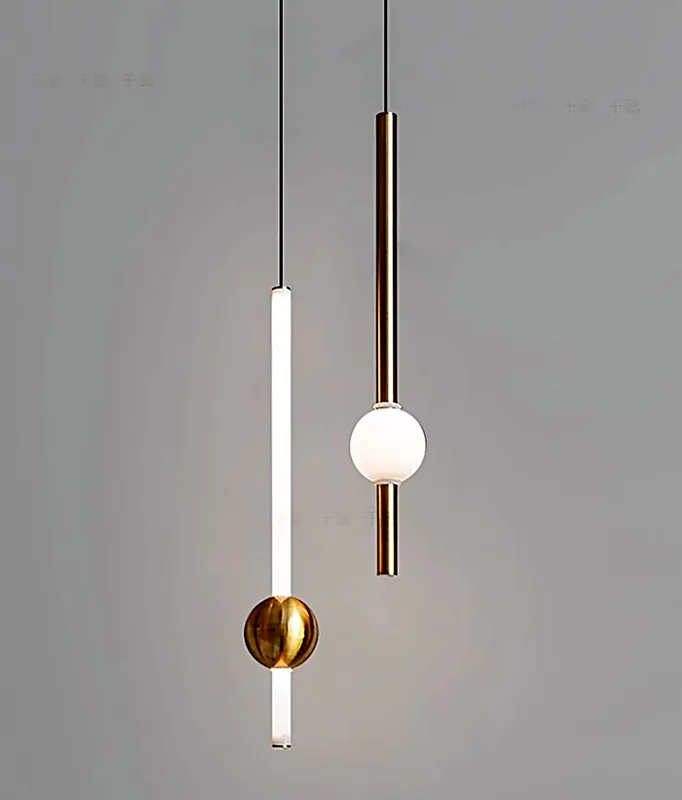
Incomplete size. The size line for the Rod & Globe LED Linear Pendant (TVD-8745) is incomplete in our listing, so the full size is confirmed on the quote. We never guess the missing number.
Provincial and Quebec differences
Electrical enforcement is provincial. Ontario projects meet the Electrical Safety Authority, and other provinces have their own authority and inspectors, so confirm requirements with the one for your site. In Quebec, product labels, instructions, manuals and warranty documents must be available in French under the Charter of the French language, and Quebec retailers will ask for them. See also how a major market treats these lights in our guide to LED pendant lights in Ontario.
Retail resale
Prepackaged consumer products need bilingual English and French product identity and net quantity, plus the dealer's name and place of business, under the Consumer Packaging and Labelling Act. Lighting sold to consumers also falls under the Canada Consumer Product Safety Act, which Health Canada enforces.
What happens if the mark is missing
An inspector can refuse to pass a fixture with no recognised mark, which stops a project at the worst time: after the ceiling is built and before occupancy. Insurers may question uncertified equipment after a loss. Stores and platforms can refuse to list it. Field evaluation is sometimes possible, but it adds cost and time per model, so decide early.
How we handle it
We confirm certification status and supply the documents with the quote before you order. Where a fixture has no mark, we discuss field evaluation with an accredited body before you commit. Rules change, so confirm with your authority, inspector or customs broker. This is not legal advice. Every order is quoted in writing with the price for the quantity, specifications, certification status and documents, packing, lead time and delivered cost to your address. Low trial quantities are available on many lines, samples are available on most items with the sample cost usually credited to the first order, payment is 30% deposit and 70% before release, and products from several factories can share one consolidated container. Read how ordering works, estimate delivery with the landed cost calculator, check the sales tax by province guide and send a quote request listing the codes you need. See the LED pendants and chandeliers wholesale guide, the Canada delivery hub and decorative lighting across Canada.