Buyer guide ·
Selling or installing imported light fixtures in Canada: CSA, cUL and cETL explained for buyers
A fixture that looks perfect on a factory data sheet can still be refused by an electrical inspector. This guide explains the marks Canada accepts, what they do not cover and what to ask before ordering.
Lighting is where imported products most often meet an unexpected wall. A chandelier arrives, the electrician reaches for the label and the inspector looks for a Canadian mark. If it is missing, the fixture can be refused, and the project waits. This guide is for importers, designers, contractors and retailers who sell or install fixtures and want to settle certification before the order is placed.
Why the mark comes first
Electrical products sold or installed in Canada must carry a certification mark from a certification body accredited by the Standards Council of Canada, or a field evaluation or special inspection label from an accredited body. Provincial and territorial electrical safety authorities enforce this, for example the Electrical Safety Authority in Ontario. Inspectors can refuse uncertified equipment, and insurers may question it after a loss. A fixture that is attractive and well made, but has no accepted mark, is still a problem at the inspection.
Reading the marks
| Mark or label | What it tells you | Enough for Canada? |
|---|---|---|
| CSA | Certification by an accredited body to Canadian requirements | Yes, when it covers the exact fixture |
| cUL | UL's mark for Canada; the small "c" means Canada | Yes, when it covers the exact fixture |
| cETL | ETL's mark for Canada; the small "c" means Canada | Yes, when it covers the exact fixture |
| UL or ETL without the "c" | A US-only mark | No |
| CE | A European marking | No. Canada does not recognise the CE mark as proof of compliance |
| Field evaluation or special inspection label | An accredited body has inspected the product on site or in a lab | Yes, for the units it covers |
For a plain-language comparison, see our guide to CSA, cUL and cETL marks. The wording that matters is the exact model and the standard on the certificate, not the logo on a brochure.
What the luminaire standard covers
Luminaires are certified to the Canadian luminaire standard, CSA C22.2 No. 250.0, which is also shared as UL 1598 for North America. LED drivers are components of the certified fixture, so a driver with its own paperwork does not make an uncertified fixture acceptable. If a factory offers a driver certificate and no fixture certificate, ask for the fixture's certificate or plan for a field evaluation.
Voltage, frequency and LED drivers
Canadian supply is 120 V or 240 V single-phase and 208 V or 600 V three-phase, at 60 Hz. LED drivers marked AC85-265V usually accept Canadian voltage, but the fixture still needs a Canadian mark. Anything rated 220 V and 50 Hz must be confirmed as built for Canadian voltage and 60 Hz before ordering. Dimmers, remote controls and smart modules should be checked for the same questions.
Damp and wet locations
The location rating matters as much as the mark. Bathrooms, exteriors and kitchens need a damp or wet location rating, and a dry-location fixture installed outdoors can fail an inspection or a warranty claim. Ask which location rating appears on the certificate, not just which mark. For outdoor lanterns and sconces, this is the first question to ask.
Decorative and seasonal lighting
Lit decorations, light-up figurines and pre-lit trees with mains plugs need Canadian electrical certification. Battery-only items follow general consumer product safety rules, along with battery shipping rules. For artificial trees and décor used in public buildings, malls and hotels, fire officials may ask for flame-retardant treatment or test documentation, for example CAN/ULC-S109 for flame-resistant fabrics and films.
Applying this to fixture types
Certification status is confirmed per product on the written quote. We do not claim a mark for any fixture unless one is on file, and we state plainly when none is.
| Fixture type | Buyer guide | Certification guide |
|---|---|---|
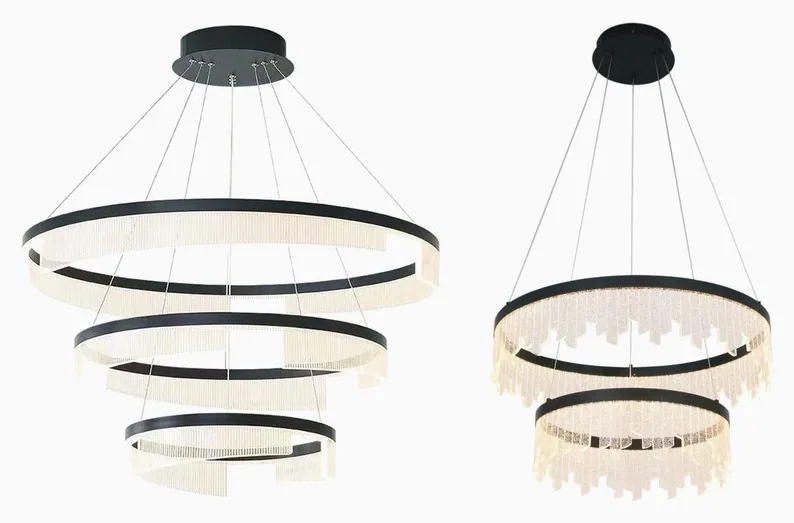
| Ring chandelier with crystal fringe (TVD-101) | Wholesale guide | Certification guide |
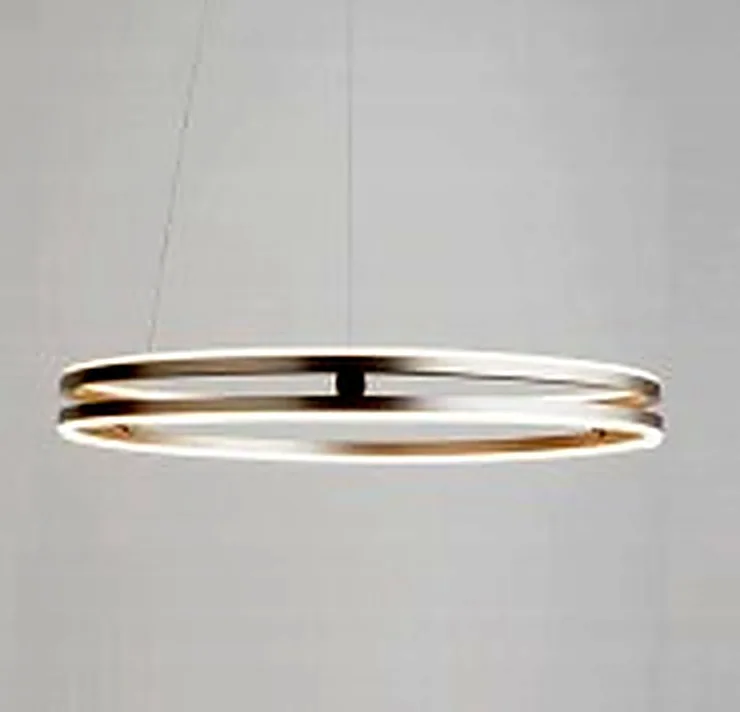
| Slim double ring LED pendant (TVD-8630) | Wholesale guide | Certification guide |
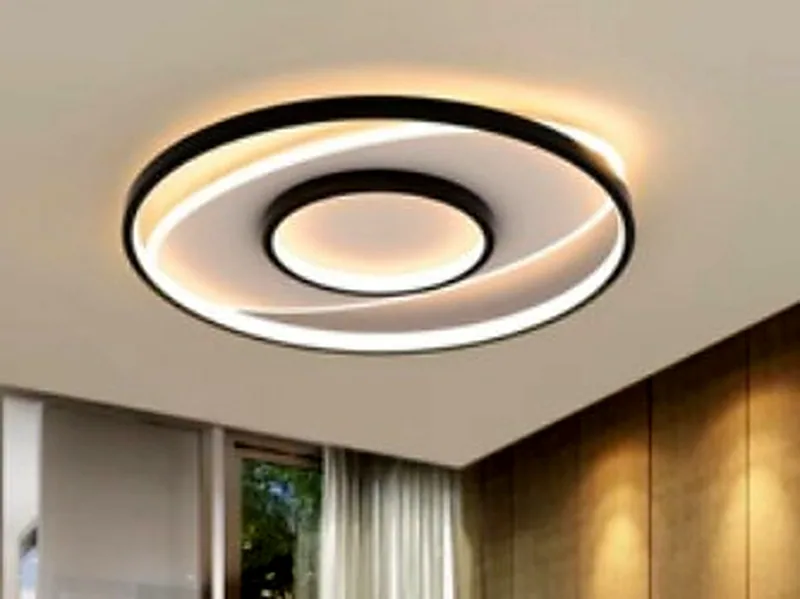
| Layered ring LED ceiling light (TVD-8890) | Wholesale guide | Status confirmed on quote |
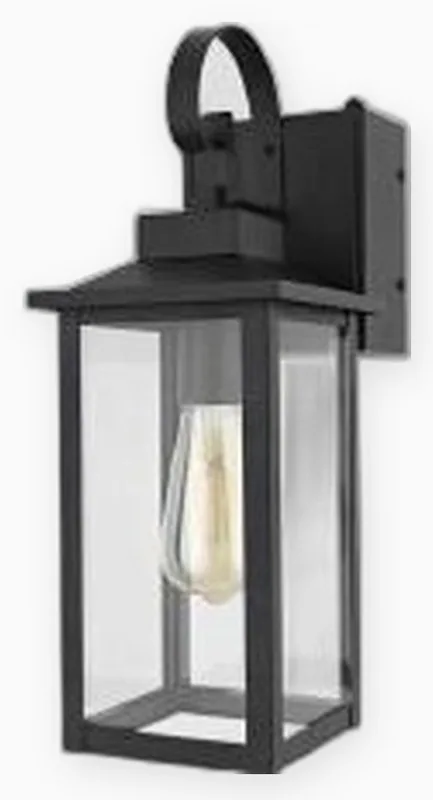
| Outdoor lantern sconce with photocell (TVD-726) | Wholesale guide | Certification guide |
If you are buying pendants for Ontario, our Ontario guide to LED pendant lights covers regional buying notes.
What happens if the mark is missing
- The inspector can refuse the installation, and the electrician may decline to connect.
- An insurer may question the equipment after a claim.
- A retailer or property owner may refuse to list or accept it.
- A field evaluation can solve some cases, but it takes time and cost that were not in the budget.
Buyer checklist
- Ask for the certificate for the exact fixture and check the mark has the "c" or is CSA.
- Check the standard on the certificate, such as the luminaire standard CSA C22.2 No. 250.0.
- Check the location rating against the room: dry, damp or wet.
- Confirm voltage and 60 Hz, including the driver rating, any dimmer and controls.
- Ask whether the driver's paperwork is separate from the fixture's.
- For decorative lighting, check whether it has a mains plug and whether public-building fire documentation may be asked for.
- For Quebec, request instructions and warranty documents in French.
- Obtain customs classification and delivered cost on a written quote.
Common documentation gaps
- The certificate covers a different model. A mark on one fixture does not cover a different size, finish or wattage unless the certificate names it. Match every variant you order to the certificate.
- Only the driver has a mark. A marked driver inside an unmarked fixture is still an unmarked fixture.
- A US-only mark. UL or ETL without the "c" is not enough, and it is easy to miss on a small label.
- No location rating. A certificate that does not say dry, damp or wet leaves the installer guessing.
- Logos on a brochure. A logo on a catalogue is not a certificate. Ask for the certificate or the file number, and check the exact model against it.
Provincial differences
The marks are national, but enforcement is provincial. The Electrical Safety Authority in Ontario and the other provincial and territorial electrical safety authorities decide what their inspectors accept, and each may have its own process for field evaluations. In Quebec, the Charter of the French language also expects instructions, manuals and warranty documents to be available in French. Retailers in Quebec will ask for them. If you work in several provinces, ask each authority how it treats imported fixtures before you order for all of them.
Planning the order around the inspection
Check the paperwork before the deposit, not after delivery. Ask for the certificate for the exact model and every variant. Ask for a sample, and check that the label on the sample matches the certificate. If the fixture has no accepted mark, decide at the quote stage whether a field evaluation is worth it or whether a different fixture is the better answer. Put the voltage, the 60 Hz requirement and the location rating in the purchase specification, so the factory builds to the same data your electrician used. Keep the certificate with the job file, because inspectors, insurers and property managers may all ask for it later.
Specifying a mixed project
A hotel, restaurant or condominium lobby can use several fixture types at once: a chandelier over the entry, pendants over a bar, sconces in a corridor and a lantern outside the door. Each one has its own certificate and its own location rating. Build a single fixture schedule that lists every item with its mark, certificate reference, location rating, voltage and quantity, and give it to the electrician, the designer and the inspector at the same time. When one line is missing a mark, you will see it on paper rather than at the final inspection. We can quote mixed lighting in one consolidated container, with the certification status of each line stated separately.
How we handle it
Every order is quoted in writing. The quote lists the price for your quantity, the specification, certification status and the documents, packing, lead time and delivered cost to your address. Where a fixture has no Canadian mark on file, we say so, and discuss a field evaluation by an accredited body before you commit. Samples are available on most items, with the cost usually credited to the first order. Payment is a 30% deposit and 70% before release. See how ordering works and the quote request. Use the sales tax by province guide and the landed cost calculator, and see where we deliver on the Canada delivery hub. Rules change, so confirm with your electrical safety authority or inspector. This is general information, not legal advice.