Certification guide ·
Wall Sconces, Vanity Bars and Track Lights in Canada: Marks, Ratings and Paperwork
A wall light is judged by where it hangs as much as by what it is. This guide walks through the Canadian electrical and location rules for the sconces, vanity bars and track heads in our line.
A wall light that is fine in a bedroom may be wrong in a bathroom and unacceptable on a garage wall. The fixture is the same shape in all three places, but the Canadian rules attach to the location, the electrical content and the paperwork that comes with the box. This guide covers the wall sconces, vanity bars and track light heads in our Wall Sconces, Vanity & Track Lights line, and explains what to ask for before you order.
None of the products named here has a Canadian electrical certificate on file with us. So nowhere in this guide do we say that any of them is approved, listed or compliant. Instead we explain what a Canadian buyer needs, and we confirm certification status and supply the documents with your written quote, before you order. Rules change, so confirm with your inspector, your insurer and, for imports, your customs broker. This is not legal advice.
The electrical baseline for every fixture in the line
Electrical products sold or installed in Canada must carry a certification mark from a body accredited by the Standards Council of Canada, for example CSA, cUL or cETL, where the small c means the mark applies to Canada. A field evaluation or special inspection label from an accredited body is the other route. Provincial and territorial electrical safety authorities, such as the Electrical Safety Authority in Ontario, enforce the rule, and an inspector can refuse uncertified equipment. Insurers may ask questions after a loss. A US-only mark, meaning UL or ETL without the small c, is not enough for Canada, and the European CE mark is not accepted as proof of compliance.
Luminaires are certified to the Canadian luminaire standard, CSA C22.2 No. 250.0, which is shared with UL 1598 for North America. The driver inside an LED fixture is a component of the certified fixture, not a separate approval.
Location ratings: dry, damp or wet
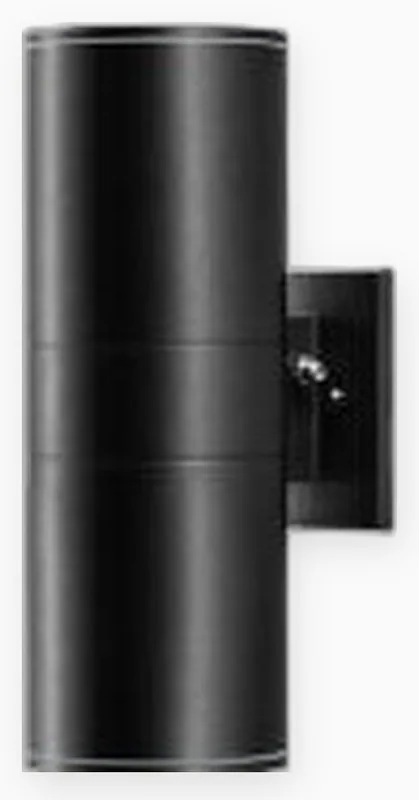
The first question for a wall light is the rating of its location. Dry means an interior wall away from water. Damp covers places such as vanities, where steam and splashes happen. Wet means exposure to rain, such as an exposed exterior wall. Ask for the rating in writing for each code. Several products in this line suit exposed places, for instance the 2-Light Cylinder Wall Sconce (TVD-727), listed as matte black with IP44 for exterior walls and entries, and the Up & Down LED Wall Light (TVD-729), listed at 120 V and IP44 for condos, townhouses and storefronts. An IP number describes ingress protection, but it is not the same as a Canadian location rating, so we ask for both on the quote.
Sconces with a photocell or a built-in outlet
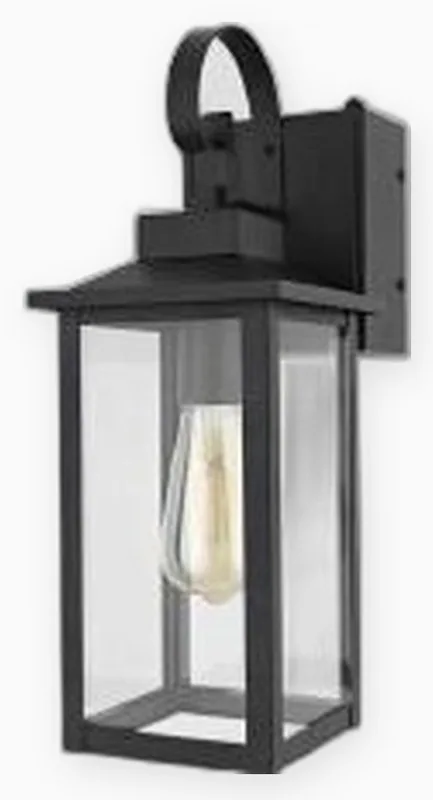
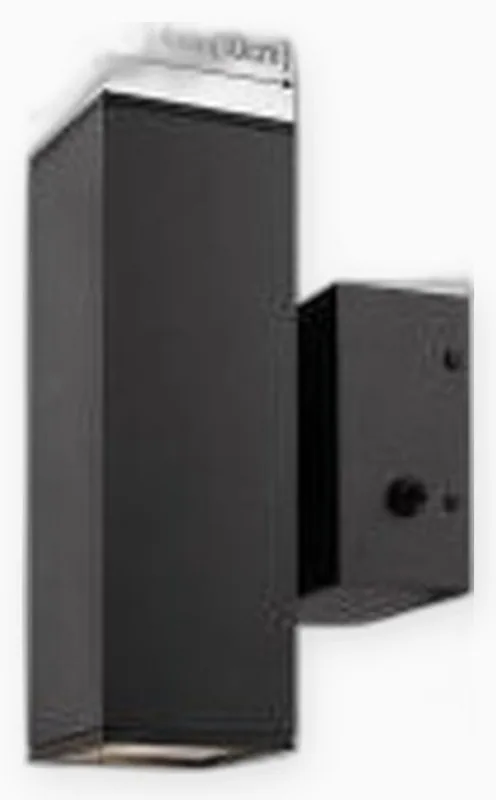
Two products add something beyond a lamp. The Outdoor Lantern Sconce – Photocell + GFCI (TVD-726) lists a dusk-to-dawn photocell and a built-in GFCI outlet, and the 2-Light Square Sconce with GFCI (TVD-728) lists a built-in GFCI outlet. A receptacle on a wall light means that the certification must cover the complete assembly, and an inspector will look at that, not just the lamp part. Ask whether the evidence names the whole product, with the receptacle and the photocell included. Our separate guide to TVD-726 covers that case in more detail.
Documents to request, by fixture type
| Document | Why you want it | Who issues it |
|---|---|---|
| Certification mark and file number | Shows an accredited body certified the complete fixture for Canada | Accredited certification body, through the manufacturer |
| Location rating statement | Confirms dry, damp or wet suitability for the wall you are fitting | Certificate or test report |
| Wiring and voltage details | Shows 120 V at 60 Hz, or the range the driver accepts | Manufacturer, confirmed on our quote |
| Field evaluation report, where needed | A route to acceptance when a fixture lacks a mark | Accredited field evaluation body |
| Bilingual and French labels and manuals | Retail and Quebec requirements | Manufacturer, confirmed before shipment |
How the products in the line differ on the rule side
- Bathroom and dressing mirrors. The 4-Light Vanity Bar (TVD-734) and 4-Light Vanity Bar – Clear Glass (TVD-9360) hang above a basin, so a damp rating matters.
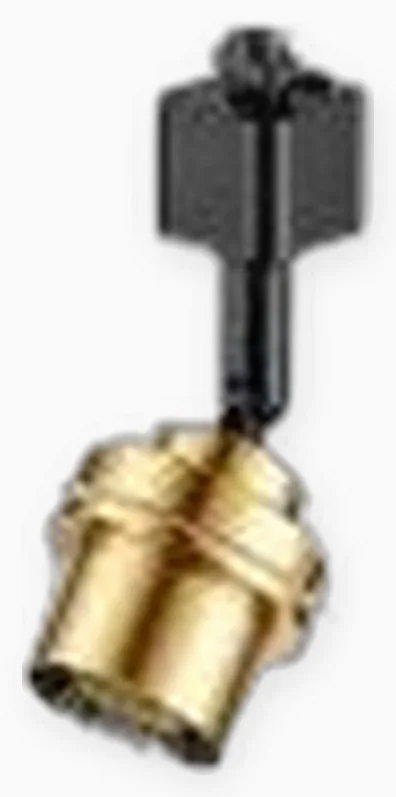
- Retail and kitchens. The H-Type Track Light Heads (TVD-732) go onto a track, so the track system and the heads must be compatible, and the evidence should name both.
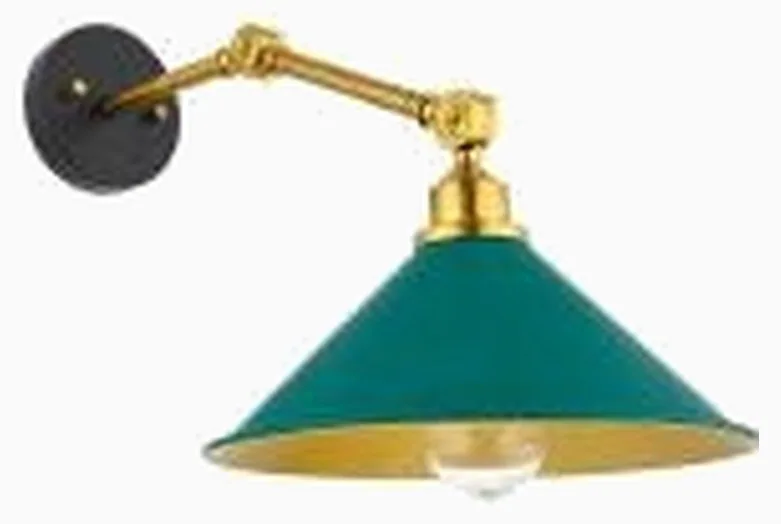
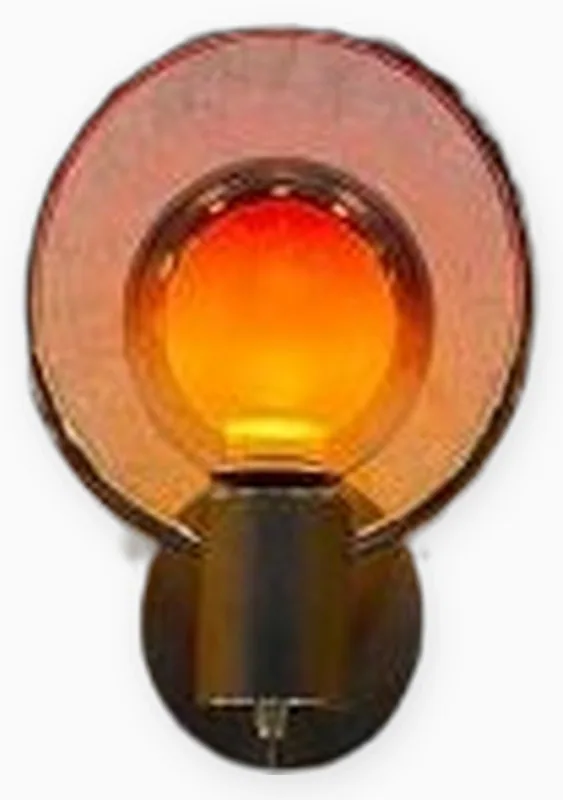
- Dry interior accents. The Umbrella Shade Wall Sconce (TVD-731) and Decorative Ring Wall Lamp (TVD-733) suit dry rooms; TVD-733 comes with the bulb included and is dimmable, so ask about the dimmer type.
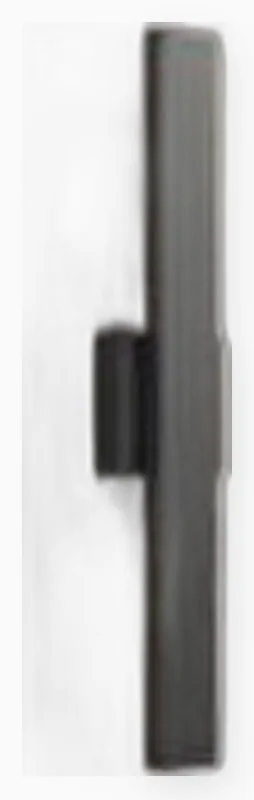
- LED slimline pieces. The Linear LED Wall Sconce (TVD-730) lists selectable colour temperature, and the Industrial Tube Wall Sconce (TVD-9361) is a slim glass tube on a metal frame, so check how a glass part is protected.
Provincial differences
The enforcing body changes with the province: the Electrical Safety Authority in Ontario, and other safety authorities elsewhere. The documents they accept are similar in kind, but check with the local inspector on field evaluation, which is sometimes the quickest route for a small run. In Quebec, labels, instructions and any warranty document must be available in French, and a retailer will ask for them. Packaging sold to consumers also needs bilingual product identity and net quantity, with the dealer name and place of business.
What goes wrong without the paperwork
An inspector can refuse a fixture, and an electrician may have to take it down after rough-in. A retailer can decline to list the product. If a fixture is later judged a danger to health or safety, the Canada Consumer Product Safety Act allows recalls, and incident reporting duties apply to the people who sell it. Insurers can raise questions about uncertified equipment after a fire. The cost of one wrong box is usually larger than the cost of asking early.
How we handle it
We confirm certification status and supply documents with the quote, before you commit to the deposit. Where a fixture lacks a mark, we tell you plainly and can discuss field evaluation. For a clearer picture of the marks themselves, read our guide to CSA, cUL and cETL. When you are ready, send a list of codes through the quote request; see the ordering page for payment steps, and the Canada delivery hub for delivery.