Certification guide ·
Weatherproof Table, Floor and Garden Lamps in Canada: What IP65 Does and Does Not Prove
Several of our lamps are listed as IP65 or weatherproof. That claim helps, but Canadian inspectors ask for a different set of proofs.
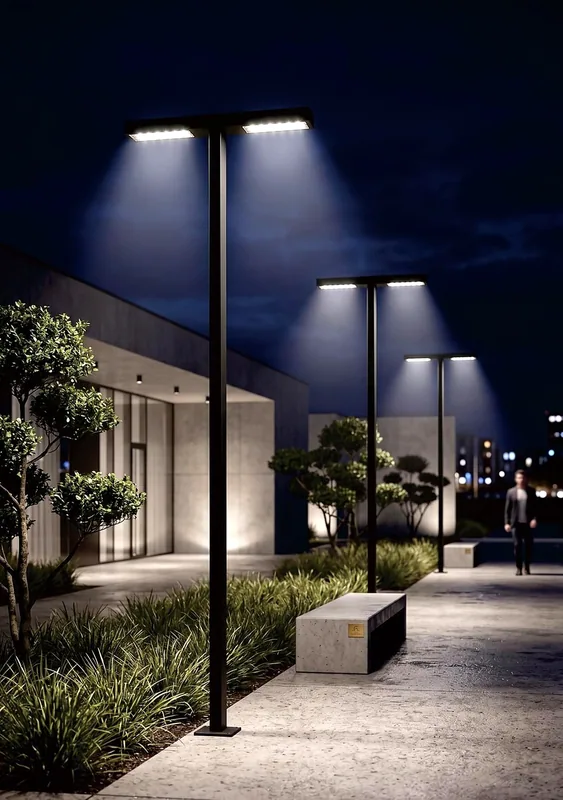
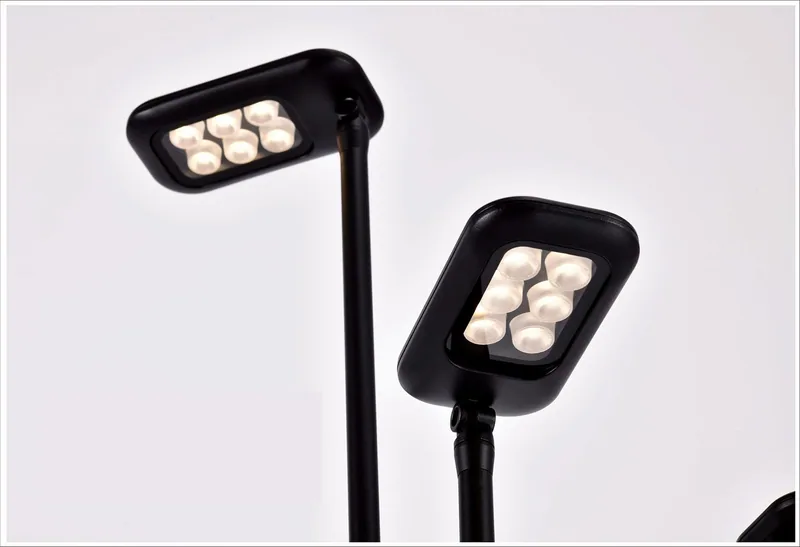
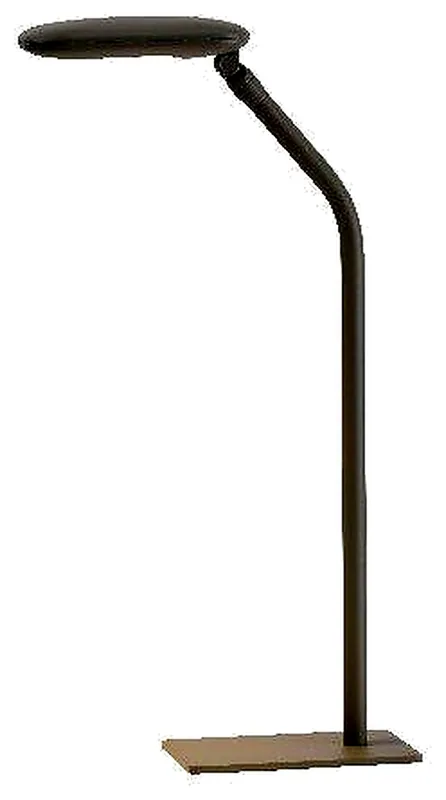
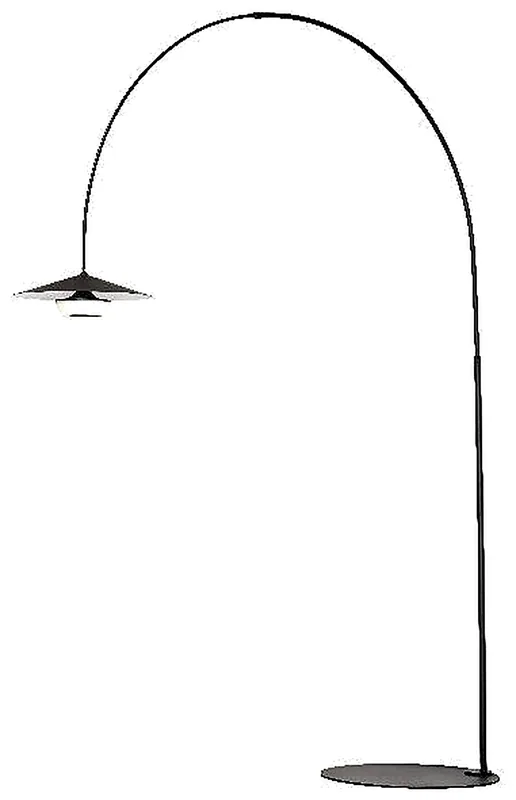
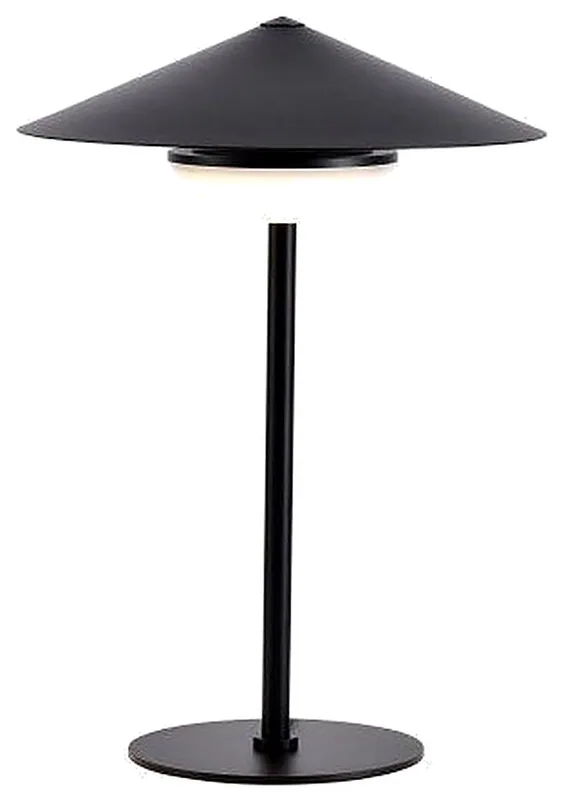
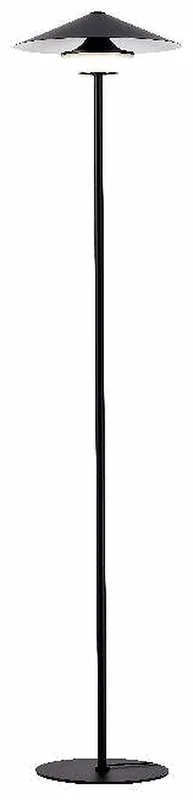
Six lamps in our table and floor lamp line are described for outdoor or weatherproof use: the Tall Garden Pole Light (TVD-6922), the Adjustable-Head Garden Pole Light (TVD-6930), the Curved-Neck Table Lamp (TVD-6931), the Disc-Shade Arc Floor Lamp (TVD-6934), the Cone-Shade Table Lamp (TVD-6935) and the Cone-Shade Garden Floor Lamp (TVD-6936). Four of them carry an IP65 statement in our listing, and TVD-6931 is called a weatherproof outdoor table lamp. A buyer might reasonably think that settles the question of whether they are fit for a Canadian patio. It does not, and this guide explains why.
Where our file stands
We hold no Canadian electrical certificate for any of the six. We therefore make no claim that any of them is certified, listed or approved. Everything below describes what a Canadian buyer needs to obtain, and what we do to help: confirm the certification status and supply the documents with the quote, before you order.
What an IP rating is, and what it is not
An IP rating is a manufacturer's statement about how well an enclosure resists dust and water. It is useful: it tells you the designer thought about rain and dust. It is not a Canadian certification mark, and an electrical inspector in Canada does not treat it as one. What an inspector wants to see is a certification mark from a body accredited by the Standards Council of Canada, such as CSA, cUL or cETL, or a field evaluation label, together with a location rating that matches the place where the lamp will stand: dry, damp or wet. A patio lamp that stands in rain is a wet location case, and the rating on the mark has to say so.
CE and US-only marks
Canada does not recognise the European CE mark as proof of compliance for electrical products. A mark with no small c, meaning US-only UL or ETL, is not enough either. If a supplier's paperwork shows only these, treat the product as uncertified for Canadian purposes until an accredited Canadian mark or a field evaluation is confirmed.
Document checklist
| Document | Why you need it | Who issues it |
|---|---|---|
| Canadian certification record with file number | Shows the fixture carries an accepted mark | Accredited certification body |
| Location rating (dry, damp or wet) | Proves suitability for outdoor or damp use | Shown on the mark or the report |
| Field evaluation report and label, if no mark exists | Lets the inspector accept the specific unit | Accredited field evaluation body |
| Voltage and frequency statement | Confirms 60 Hz and Canadian supply suitability | Manufacturer; confirmed by us on the quote |
| Cord, plug and switch details for plug-in lamps | A Canadian plug and cord set are part of the complete lamp | Manufacturer; confirmed on the quote |
| Installation and care instructions | Inspector and installer follow them | Manufacturer; language confirmed on the quote |
Differences inside the group
The six are not alike, and the rules touch them differently. TVD-6922 is a slim pole for plazas, paths and gardens, and its listing gives heights of 2500 and 3000 mm without an IP rating or a voltage. TVD-6930 lists an IP65 rating, a multi-LED head and a supply of AC 220 to 240 V at 3000 K, which is a voltage question for Canada, since a lamp built for a 220 to 240 V supply must be confirmed for Canadian voltage and 60 Hz. TVD-6931 and TVD-6935 are table lamps at the smaller end, and TVD-6934 and TVD-6936 are floor lamps, with TVD-6934 about 2.5 m tall, so a different load on the base. A plug-in lamp also needs a cord and plug that suit Canada, which a hard-wired pole does not.
Provincial differences
Electrical rules are enforced by provincial and territorial safety authorities, for example the Electrical Safety Authority in Ontario, and each applies the same principle: certified equipment suited to its location. What differs is how they handle exceptions and field evaluations, and how long an inspection takes. In Quebec, product labels, instructions and warranty documents must be available in French, and retailers will ask for them. We confirm the language of the supplied documents on the quote.
If the paperwork is missing
- An inspector may refuse an outdoor installation, and a pole already in the ground has to come out.
- An insurer may question coverage after a fire or a shock involving uncertified equipment.
- A retailer, hotel group or condo board may refuse to accept or list the lamp.
- A field evaluation can often be arranged, but it takes time and money, and it suits small quantities better than retail volumes.
How we handle it
Before we quote, we check what exists. The quote states the certification status plainly and attaches the documents where they exist. If something is missing, we say so, and we offer a field evaluation or another model before you pay anything. This is general information, not legal advice, and rules change: confirm requirements with your electrical inspector, customs broker or provincial safety authority.
Where to go next
Our voltage-focused companion, table and floor lamps: voltage and frequency for Canada, covers the 220 to 240 V question in more detail. For the letters on the marks, read CSA, cUL and cETL marks explained. To ask us to confirm status for a specific code, use the quote request, and see the ordering page for deposit and release terms. The product line page has more: table and floor lamps.