Product guide ·
Diamond-Cut Glass Dessert Cup (TVD-2818): Wholesale Guide for Canadian Buyers
A footed, faceted 11.8 x 12.3 cm glass cup for cafés, caterers, hotels and gift shops. Here is how to specify it, pack it and meet Canadian food-contact and labelling expectations.
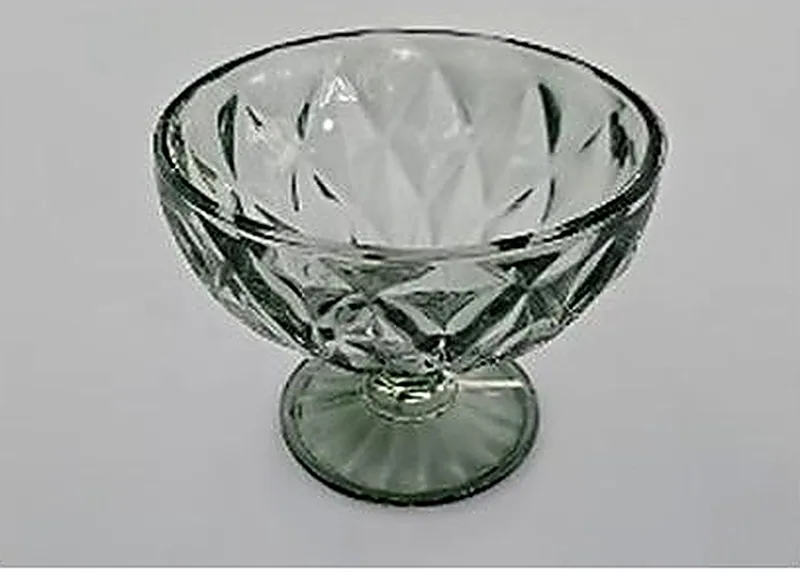
The Diamond-Cut Glass Dessert Cup (TVD-2818) is a footed glass cup, 11.8 x 12.3 cm, with a clear faceted pattern and several styles to choose from. It is a small piece with a big job: it makes a spoonful of mousse, parfait, fruit or pudding look like part of a plated course. This guide explains who buys a cup like this, how to specify it, and what a Canadian buyer should settle before glass crosses the ocean.
What the listed features mean in practice
Footed. The stem and foot lift the dessert off the table and give the cup a stable base for a dessert trolley, a buffet line or a gift box. A footed shape also means a narrower contact point than a flat-bottomed tumbler, so it matters how cups are nested or divided in the carton.
11.8 x 12.3 cm. The two numbers are the cup's overall measurements, so the bowl itself is smaller than the full height. Capacity is not part of our product listing, so ask for it on the quote and match it to your portion: a tasting spoonful, a standard dessert or a sundae.
Clear faceted pattern. The pattern is part of the glass rather than painted on the surface, which keeps the cup plain, light-catching and easy to pair with any table linen. The point to check on the quote is how the pattern is produced, because a thin-walled piece can chip at the rim sooner than a heavy one.
Several styles. The product page shows more than one shape. Ask which style a sample or a quotation refers to, so that the cup you approve is the cup in the container.
Who buys it and what each buyer needs
| Buyer | How the cup is used | What to settle first |
|---|---|---|
| Café or restaurant | Plated desserts, shot-style tastings, cold starters | Capacity, stackability, dishwasher use confirmed by the factory |
| Caterer | Buffet lines, passed desserts, weddings | Carton quantity, spare allowance for breakage, how cups are separated |
| Hotel or banquet hall | Breakfast buffets, yogurt and fruit bars, banquets | Consistent re-orders of the same style over several seasons |
| Gift shop or home retailer | Boxed sets, hostess gifts | Retail box, bilingual labelling, barcode |
| Discount and variety chain | Open-stock kitchen aisle item | Display carton, shelf-ready packing, minimum per style |
| Online seller | Sets for home entertaining | Photo-ready samples, packing that survives parcel shipping |
Glass touching food: what Canadian rules ask of you
A dessert cup is a food-contact product, so the general food rules apply. The Food and Drugs Act prohibits selling food in or with materials that may make it harmful. Health Canada does not pre-approve kitchenware, so the practical route is to ask the factory for food-contact test reports and keep them on file. We do not hold a certification mark for this cup and do not suggest it is certified in any way: we confirm what test reports exist, and supply the documents with your written quote before you order.
The Glazed Ceramics and Glassware Regulations under the Canada Consumer Product Safety Act set limits on lead and cadmium that can leach from glassware that contacts food. The known risk sits in decoration: printed designs, coloured or metallic bands and decorated rims close to the lip. This cup is described as clear and faceted, which points to an undecorated piece, but if the version you order carries any colour, gold rim or printed motif, ask for a lead and cadmium test report for that exact style. Our broader guide to food, glass, ceramic and textile rules for tableware lays the same questions out for the whole line.
Retailers have two more duties. Prepackaged consumer products need a bilingual (English and French) product identity and net quantity under the Consumer Packaging and Labelling Act, plus the dealer's name and place of business. In Quebec the Charter of the French language expects labels and instructions in French. Rules change, so confirm current requirements with the authority or your customs broker; this is not legal advice.
How to specify the cup on your quote
- Style and pattern. Name the style by TVD code and approve a physical sample from the same production run.
- Glass type and capacity. Ask for the glass type and the brimful and fill-line capacity.
- Use limits. Ask whether the factory rates it for dishwasher, freezer or hot-fill use. Do not assume it from the look of the glass.
- Food-contact documents. Request the test reports available for your market, and a lead and cadmium report if there is any decoration.
- Packaging. State bulk or retail-boxed, the divider type, carton quantity and carton size.
- Labelling. Specify bilingual text, barcode and dealer details if you resell in shops.
- Minimums and lead time. Ask for the minimum per style, sample availability and the production lead time.
Packing and breakage planning
Glass breaks in three places: at the factory carton, at the port and at your door. Ask how cups are nested or separated, and request a spare allowance that suits your resale, since replacing one broken cup from a retail set is rarely possible. For retailers, shelf-ready boxes with a clear window show the faceted pattern without opening the pack.
Comparing it with other tableware in the line
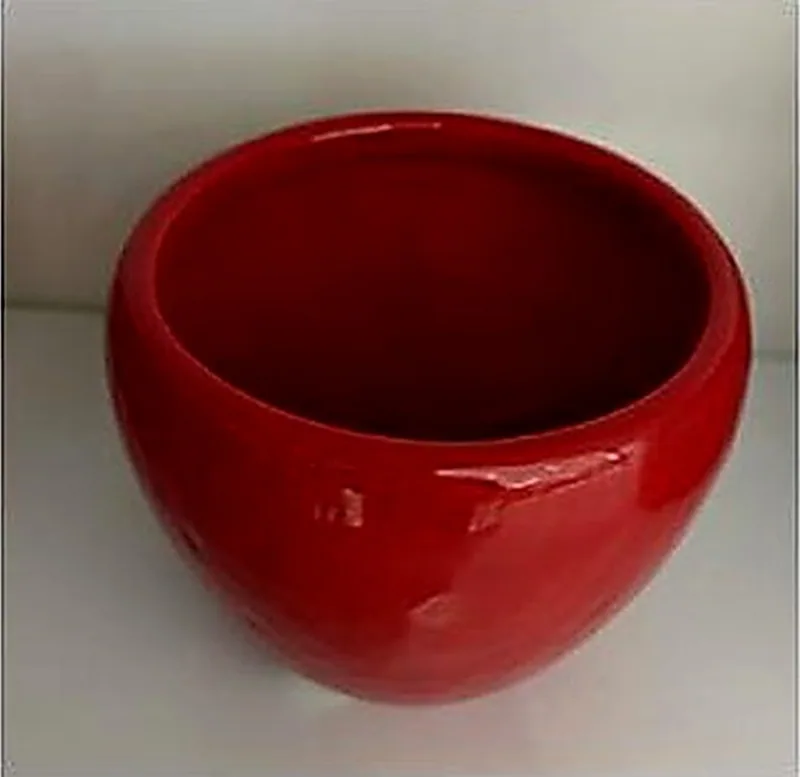
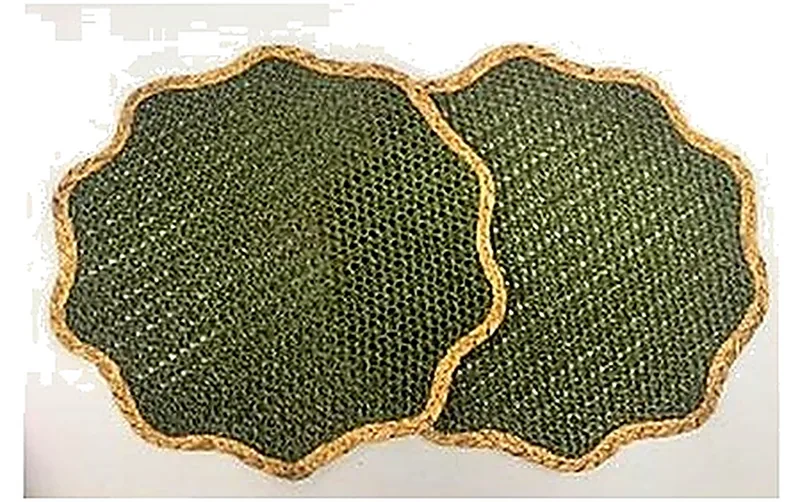
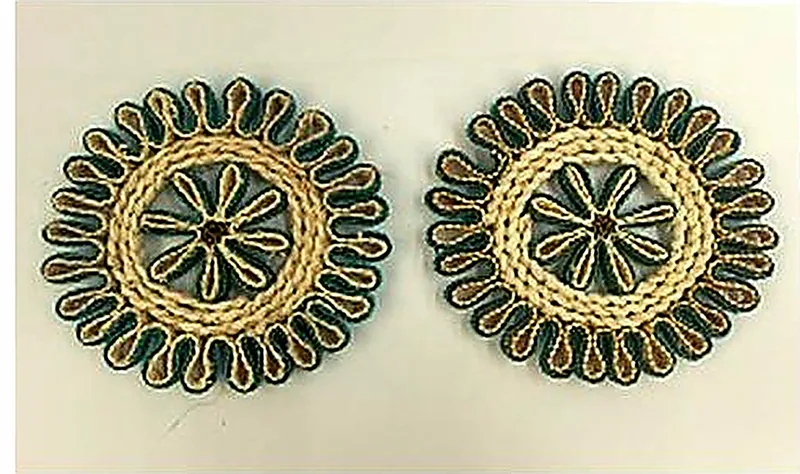
If the dessert needs a different material, the Strawberry Ceramic Bowl (TVD-2816) offers red glazed ceramic in a warmer, more rustic look, and brings the glazed-ceramic lead and cadmium questions instead. For a buffet where cups sit on a mat, the Woven Placemats – Natural Trim (TVD-10364) give a natural woven base at 38 cm, and the Boho Woven Coasters (TVD-10365) work as a small woven stand for a single cup. Browse the full Tableware & Placemats line to see more pairings.
Canadian use and freight notes
Glass and cold do not mix well in transit. A container that crosses the Prairies in January can bring cups in at a very low temperature, so let cartons warm to room temperature before unpacking and washing. Freight from Asia typically lands at Vancouver or Prince Rupert and travels onward by rail and truck, which means more handling for a glass order than for woven goods; ask us to plan the packing around the route to your address, and see home kitchen and tableware delivery across Canada. Use the landed cost calculator for a rough view of landed cost and the sales tax by province guide for how GST, HST, PST and QST apply in your province.
How ordering works
Every order is quoted in writing for your quantity, with specifications, certification status and documents, packing, lead time and the delivered cost to your address. Many lines have low trial minimums, and samples are available on most items, with the sample cost usually credited to the first order. Payment is 30% deposit and 70% before release. Products from several factories can share one consolidated container, so a dessert cup can travel with mats or trays for the same shop. Read more about how ordering works, then request a written quote for the cup. A free account shows the full specifications on the product page.