Certification guide ·
Glazed Ceramic and Glass Tableware: Canadian Import Rules for Strawberry Pieces and Dessert Cups
Red glazed ceramic and clear faceted glass are the two food-contact materials in this part of our range. This guide sets out what Canadian buyers need for each, and where the rules differ.
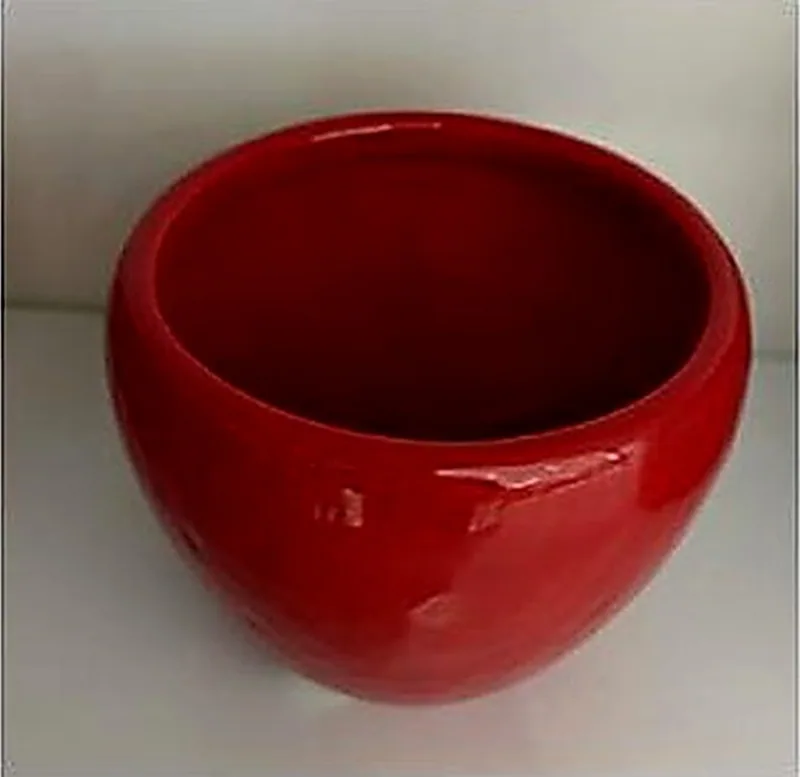
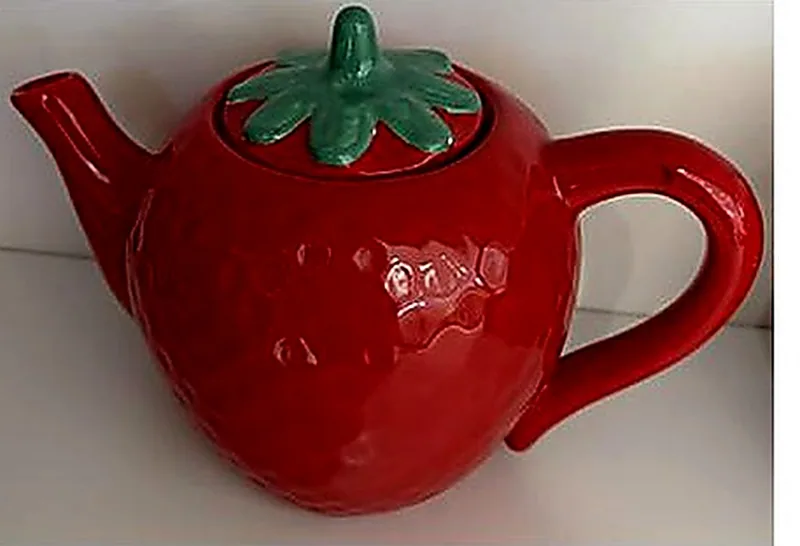
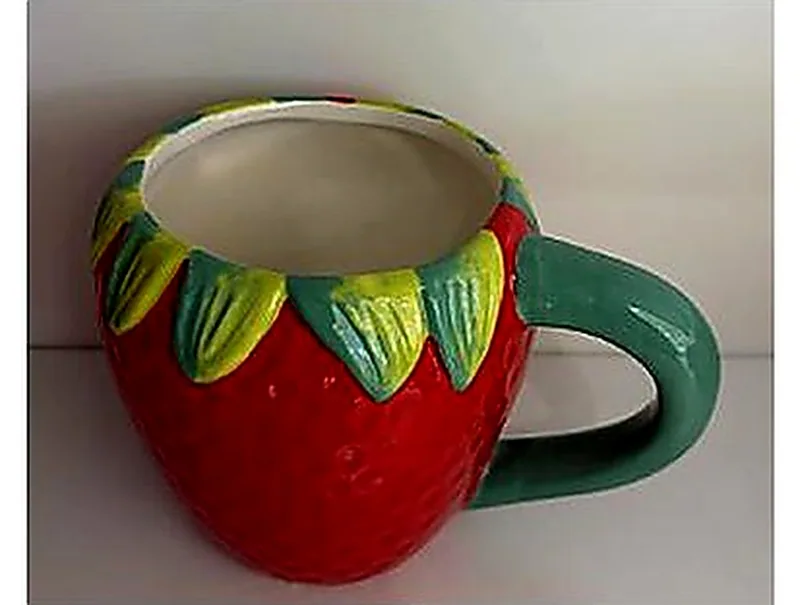
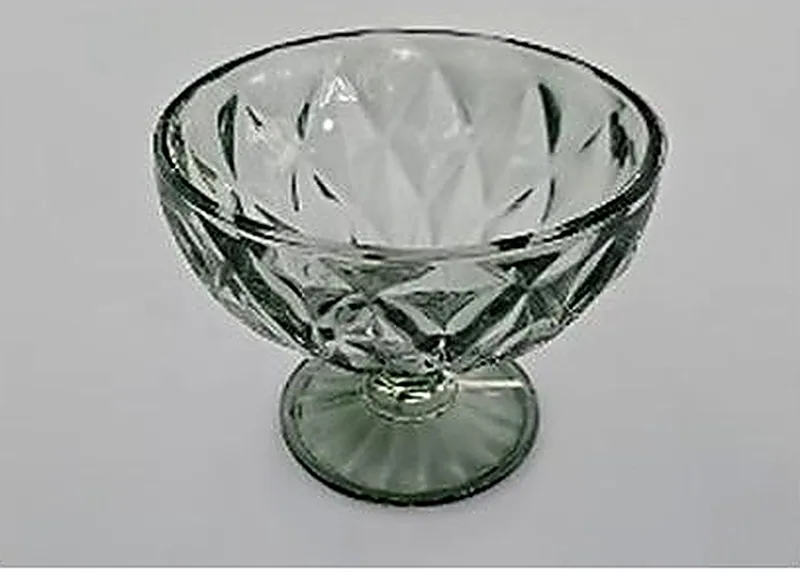
This guide covers four items from our tableware and placemats line: the Strawberry Ceramic Bowl (TVD-2816), the Strawberry Ceramic Teapot (TVD-10687), the Strawberry Ceramic Mug (TVD-10688) and the Diamond-Cut Glass Dessert Cup (TVD-2818). The first three share one description, red glazed ceramic in teapot, bowl and mug pieces. The dessert cup is footed glass at 11.8 x 12.3 cm with a clear faceted pattern. None of the four has a certification mark on file. We do not claim one; we confirm certification status and supply the documents with the quote before you order. Dimensions and capacities beyond those listed are confirmed on the written quote.
What is common to all four
All four hold food or drink, so the Food and Drugs Act applies: food may not be sold in or with materials that may make it harmful. Health Canada does not pre-approve kitchenware, so there is no government certificate to look up. Buyers rely on food-contact test reports from the factory, typically the migration tests used under US FDA or EU rules, and some chain buyers, landlords and franchisors ask for more. The two material groups then split into their own rules.
Glazed ceramic: the bowl, teapot and mug
The Glazed Ceramics and Glassware Regulations under the Canada Consumer Product Safety Act set limits on lead and cadmium that can leach from glazed ceramics that contact food. A red glaze deserves a direct question, because coloured glazes and decoration are where leaching risk sits. Decorated rims and printed or metallic decoration near the lip are a known risk. For the three strawberry pieces, that means:
- Mug (TVD-10688): the lip touches the mouth and hot liquids leach more, so ask for the lead and cadmium report first for this piece.
- Teapot (TVD-10687): hot liquid sits inside and passes the spout. Ask whether the report covers the interior glaze and the spout as well as the exterior.
- Bowl (TVD-2816): the simplest of the three, but a decorated rim still triggers the rim question.
The Consumer Products Containing Lead Regulations also include kitchen utensils, so a general lead statement from the factory is a reasonable extra request. The group is covered from the buying side in the Strawberry Ceramic Bowl collection guide.
Glass: the diamond-cut dessert cup
The same Glazed Ceramics and Glassware Regulations cover glassware that contacts food. A clear faceted cup has less of a decoration risk than a printed one, but if the version you order has painted bands, a gold rim or a coloured foot, the lead and cadmium question comes back. Ask for the report on the actual product. A footed glass at 11.8 x 12.3 cm is also a breakage product, so carton design matters. The Diamond-Cut Glass Dessert Cup guide covers the buying side.
Where the four differ
| Product | Material in our listing | Main compliance question | Special packing concern |
|---|---|---|---|
| Strawberry Ceramic Bowl TVD-2816 | Red glazed ceramic | Lead and cadmium in the glaze and rim | Stacking and chipping |
| Strawberry Ceramic Teapot TVD-10687 | Red glazed ceramic | Interior glaze, spout and lid contact | Lid and spout in transit |
| Strawberry Ceramic Mug TVD-10688 | Red glazed ceramic | Lip contact and hot liquids | Handle breakage |
| Diamond-Cut Glass Dessert Cup TVD-2818 | Footed glass, clear faceted pattern | Any decoration near the lip | Thin stem and facets |
Document checklist
| Document | Why | Who issues it |
|---|---|---|
| Lead and cadmium test report per product and colour | Limits apply to glazed ceramics and glassware that contact food | Accredited laboratory, via the factory |
| Food-contact test report | Shows no harmful migration into food | Accredited laboratory, via the factory |
| Care and temperature rating | Oven, microwave, freezer and dishwasher use as the factory rates it | Factory, confirmed on our quote |
| Retail pack artwork | Bilingual identity, net quantity, dealer name and place of business | You, with our guidance |
| Customs classification | Sets duty and delivered cost | Our customs broker |
Sanitation and commercial use
If you buy for a restaurant or café, provincial food premises rules and local public health inspectors expect equipment and tableware that is durable, easy to clean and kept sanitary. Many inspectors, landlords and franchisors also ask for NSF or equivalent sanitation certification on commercial food equipment; check what your health unit and landlord ask for. We confirm what documents exist for each product before you order.
Labelling and Quebec
Prepackaged consumer products need bilingual product identity and net quantity under the Consumer Packaging and Labelling Act, plus the dealer's name and place of business. In Quebec, the Charter of the French language means labels, instructions and any warranty text must be available in French, with French at least as prominent. Gift-boxed teapots and mugs are the typical case where this bites. Textile labelling, electrical marks and gas rules do not apply to these four products as described; if you add woven mats to the same order, see the woven placemat compliance guide.
What happens if a report is missing
- A chain buyer or an online marketplace may refuse to list the product.
- A health inspector can ask about tableware in a food premises.
- Products found to be dangerous can be recalled, and incident reporting is required under the Canada Consumer Product Safety Act.
- Customs can hold goods if the classification and description do not match.
How we handle it
We request the reports from the factory, put the status in your written quote and supply the documents before you order. Samples are available on most items, with the sample cost usually credited to the first order. Payment is 30% deposit and 70% before release, and delivery is to your site, store or warehouse across Canada. See how ordering works and request a quote. The sales tax guide covers provincial tax. Rules change, so confirm with Health Canada, your health unit or your customs broker. This is general information, not legal advice.