Buyer guide ·
Anti-dumping duties on upholstered seating, mattresses and sinks: what Canadian buyers should check
Three product groups can carry duties that dwarf the factory quote. Here is how to check origin, classification and duty status before you pay a deposit.
Why duty status belongs on the first page of a quote
Most buyers compare factory pricing and freight. For three product groups, a third line can outweigh both: anti-dumping and countervailing duties collected by the Canada Border Services Agency (CBSA) under its SIMA rules. These duties are charged on top of ordinary import duty, and on some goods they are very high, often more than the value of the goods. A quote that ignores them is not a real quote.
This guide explains, in plain words, which products our files flag today, what to ask before you commit, and how we handle it on every written quote. It sits alongside our guides on sales tax on imported goods by province and CSA, cUL and cETL marks, because duty, tax and certification are three separate questions that all affect the delivered cost and the right to sell or install the goods.
The three product groups on our files
At the time of writing, per our files, these are the measures that matter most to buyers of furniture, bedding and kitchen fabrications. They change over time, so treat the table as a starting point for your questions, not as a ruling.
| Product group | What our files say is covered | Level of duty, in plain words | What we do before quoting |
|---|---|---|---|
| Upholstered domestic seating | Seating from China that is covered in leather or has a motion or reclining mechanism. Fabric-only stationary seating is excluded. | Anti-dumping plus countervailing duty, very high, often more than the value of the goods | Broker confirms classification and origin; we may source from another origin |
| Mattresses | Mattresses from China, including toppers of a certain thickness | Anti-dumping plus countervailing duty, very high, often more than the value of the goods | Broker confirms thickness, classification and origin; we may source from another origin |
| Stainless steel sinks | Sinks from China | Anti-dumping duty in force | Broker confirms before we quote a delivered cost |
Seating: the finish and the mechanism decide
The seating measure is narrower than many buyers assume. On our files, the trigger is leather covering or a motion or reclining mechanism. A stationary sofa or armchair covered only in fabric falls outside it. That distinction matters because the same frame is often offered in several finishes: a fabric version and a leather version can sit in the same range and face very different duty treatment.
- Recliners, power-motion sofas and theatre-style seating: the mechanism alone is enough to raise the question.
- Leather and leather-look covers: ask exactly what the cover is made of, because the broker classifies by material, not by marketing name.
- Fabric-only stationary seating: excluded on our files, but we still confirm with the broker before quoting.
Hotels, property managers and furniture retailers are the usual buyers. If your project specifies leather or motion seating, tell us on the first request so we can plan the sourcing instead of finding out after the quote.
Mattresses and toppers: thickness can change the answer
Mattresses from China are covered by anti-dumping and countervailing duty, and our files note that toppers of a certain thickness are included. For a hotel refit, a student residence or a rental fleet, the duty can turn an attractive factory quote into an unworkable delivered cost.
Duty is not the only rule. Mattresses sold in Canada must pass a cigarette smoulder resistance test under the Mattresses Regulations of the Canada Consumer Product Safety Act. Quebec repealed its stuffing permit and label rule in December 2021, so no permit number is needed there now. Pillows, cushions and bedding still carry federal fibre-content labels under the Textile Labelling Act. Ask for the smoulder test documentation with the quote, and for French-language labels if the goods will be sold in Quebec.
Stainless steel sinks
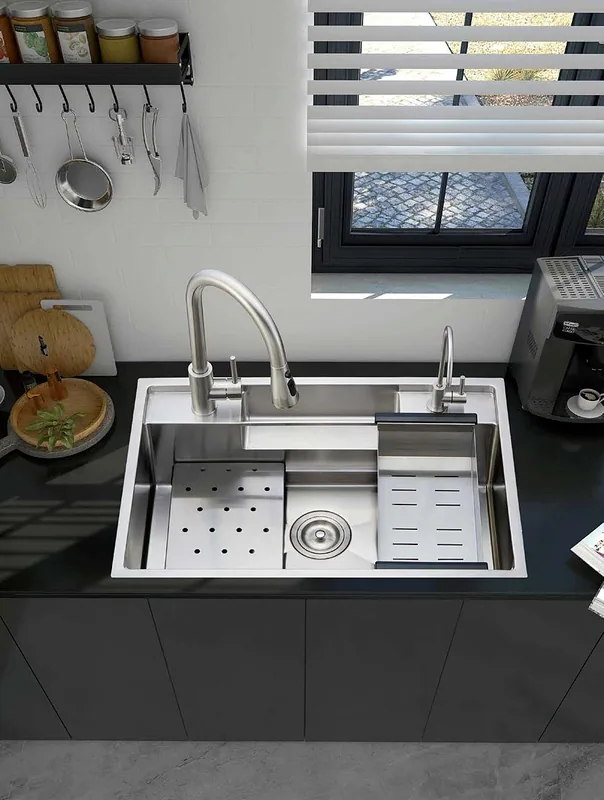
Anti-dumping duty is in force on stainless steel sinks from China. Kitchen fabricators, contractors and hospitality buyers who specify workstation sinks should ask about origin before drawings are issued, because a change of origin after approval can mean a change of dimensions and drain layout. See our product guide to stainless steel sinks and accessories (TVD-781) for what to confirm on the quote.
Origin and classification: the two facts the broker needs
Import duty depends on two things: the tariff classification of the product (its HS code) and its country of origin. Anti-dumping and countervailing duty is applied on top of that when the product and origin match a measure in force. This is why we do not give a delivered cost from a catalogue description alone. Our customs broker confirms classification before we quote, and the quote states the result.
You can help by sending the exact materials and construction early. A leather cover, a reclining mechanism, a topper thickness or a sink made of stainless steel are the details the broker looks for. Our landed cost calculator shows how freight, duty and tax stack up once you have the figures from a written quote.
A checklist to run before you order
- Write down the product type and every material in it: cover, frame, mechanism, core.
- Ask for the country of origin of the finished product, not only of the supplier.
- Ask whether the product falls under an anti-dumping or countervailing measure and have the answer in writing.
- Ask for the tariff classification the broker will use.
- For mattresses, ask for the smoulder test documentation and, for Quebec, the labelling plan.
- For tender work, check whether the tender names a flammability or office-seating test report. These are buyer specifications, not federal law.
- Confirm the delivery address and province so that the right sales tax is applied.
- Get the full delivered cost, including duty, in one written quote before paying a deposit.
Reading a quote line by line
A quote for goods that may attract duty should show more than a unit price. Ask for each of the following in writing, and compare quotes from different sources on the same basis.
| Quote line | Why it matters | What a complete answer looks like |
|---|---|---|
| Country of origin | Duty measures are tied to where the goods are made | A named country for the finished product, confirmed before the quote is issued |
| Tariff classification | Import duty and any anti-dumping measure follow the classification | The HS code the broker will use, with the material and mechanism that support it |
| Duty status | A very high duty can exceed the value of the goods | A plain statement that a measure applies or does not, as of the quote date |
| Certification and documents | Duty does not replace safety or labelling rules | Certification status stated, with documents supplied before you order |
| Delivered cost | Freight, duty and tax all change the real figure | A single delivered cost to your address, with the province of delivery noted |
When you buy for a tender or a multi-unit project
Project buyers carry more exposure than shops that reorder small quantities. A hotel refit or a student residence may need hundreds of beds, mattresses and chairs delivered in phases, and a duty surprise after approval is hard to absorb. Raise duty status when the specification is drafted, not when the purchase order is ready. If the tender names leather seating or a motion mechanism, ask the designer whether a fabric-only stationary alternative would meet the tender specification. If it names stainless sinks, confirm the origin before shop drawings are signed off. Then keep the written broker confirmation in the project file, because rules can change between the quote date and the shipping date, and your inspector or customs broker will want to see what was confirmed and when.
Goods that are not on this list
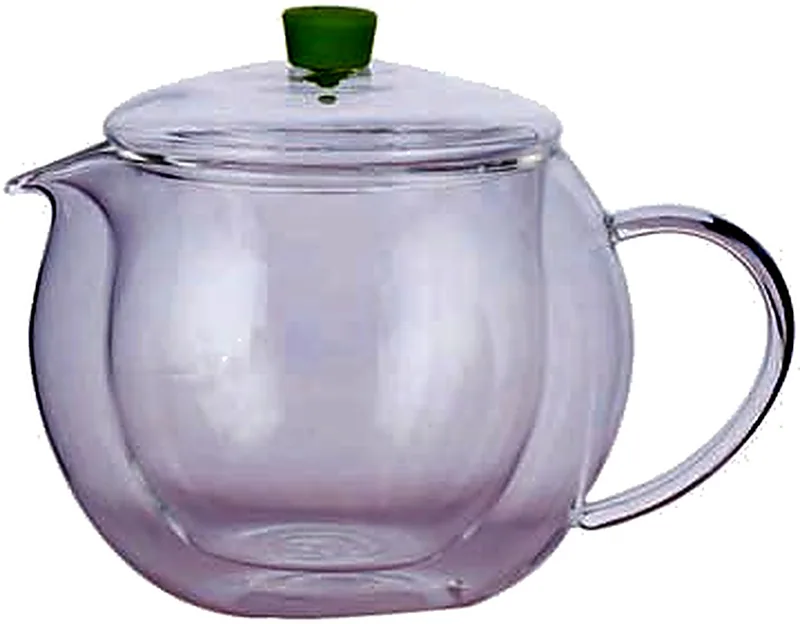
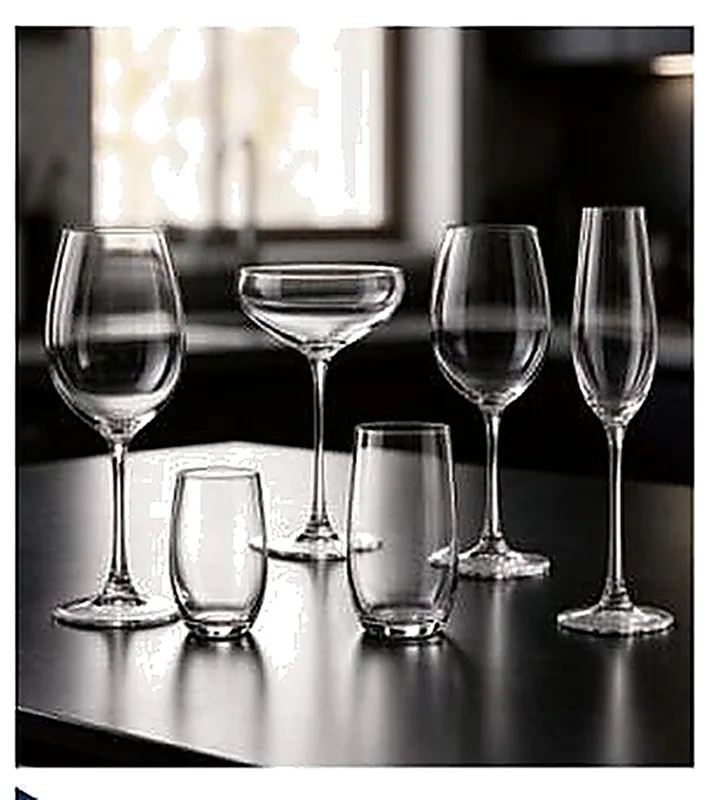
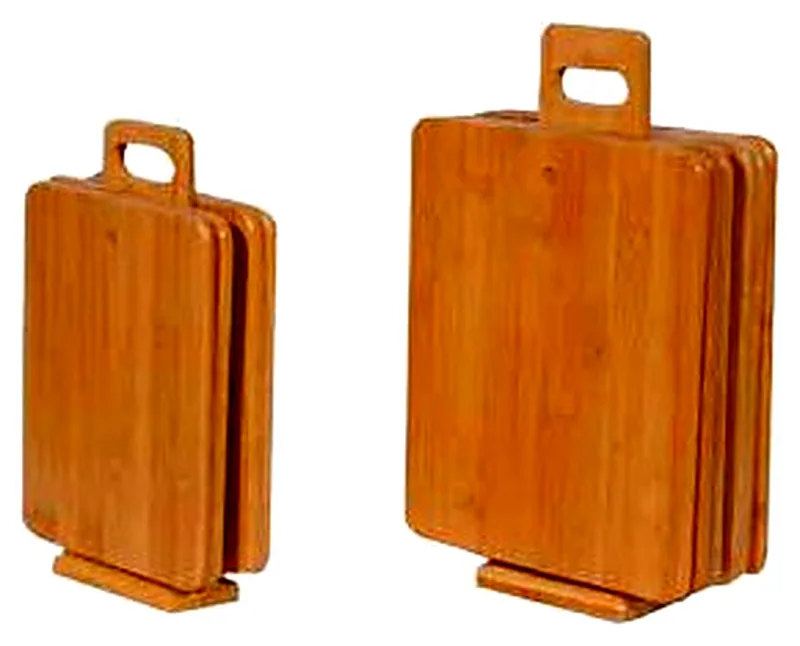
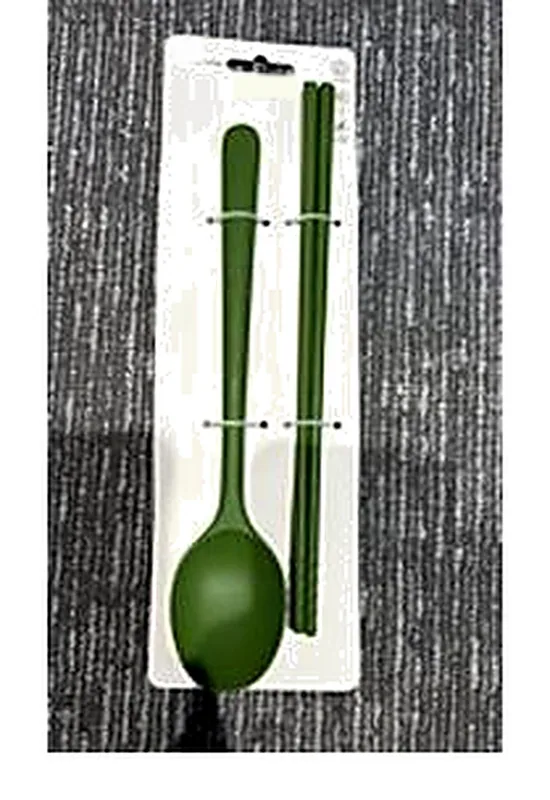
Nothing in this guide means that every imported kitchen or tableware product is affected. Glassware, glass food storage, bakeware, bamboo boards and silicone utensils, for example, are not among the three groups on our files. You can see typical specification points in our guides to glass food storage and tableware (TVD-774), glass bakeware, cookware and measuring (TVD-1881), double-wall glassware (TVD-1936), glass teapots and infusers (TVD-1967), dining stemware (TVD-4119), bamboo boards (TVD-5758) and silicone kitchen utensils (TVD-2800). Because measures are added and reviewed over time, we still confirm classification for every quote.
How we handle it on a quote
Every order is quoted in writing: the price for your quantity, specifications, certification status and documents, packing, lead time and the delivered cost to your address. Where a product may be affected by a duty measure, the broker confirms first. If the answer is a very high duty, we say so plainly and, where we can, propose another origin or another construction. Many lines have low trial minimum quantities, samples are available on most items and the sample cost is usually credited to the first order. Payment is a 30% deposit with 70% before release, and goods are delivered to your site, store or warehouse across Canada. The page how ordering works walks through each step, and you can start with a quote request. Browse our Canada delivery hub for freight routes by province.
This guide is general information, not legal advice. Duty rules change, so confirm the current position with CBSA or your customs broker before you commit to a purchase.