Certification guide ·
Placemats, Table Mats and Tableware: Canadian Import Rules by Product
A woven mat, a cork mat, a coaster and a handled bowl do not raise the same questions. Here is how the rules differ across our tableware and placemats line.
Our tableware and placemats line runs from woven placemats and rolled table mats to coaster sets and handled plates. For a buyer, the fastest way to get tripped up is to treat all of it as one thing. A mat that never touches food, a mat under a plate, a coaster under a glass and a bowl that holds soup all sit at different points on the compliance map. This guide walks through the line product by product. None of the products below has a certification mark on file; we confirm certification status and supply documents with the quote before you order.
Four questions that sort the line
- Does it touch food directly? Bowls and plates do. Mats usually sit under them, which is a lighter question but not a zero one.
- Is it a textile article? Woven table mats, runners and similar items may be treated as consumer textile articles; rigid bowls are not.
- Is it sold prepackaged to consumers? If yes, bilingual labelling applies.
- Does it have a powered or battery part? Nothing in this line is described as powered, so electrical certification is a conditional, not an assumption.
Woven placemats and table mats: textile and food-contact questions
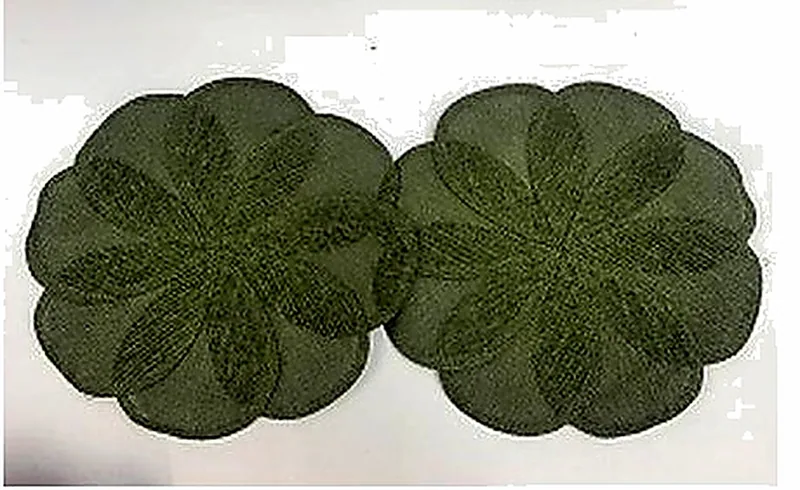
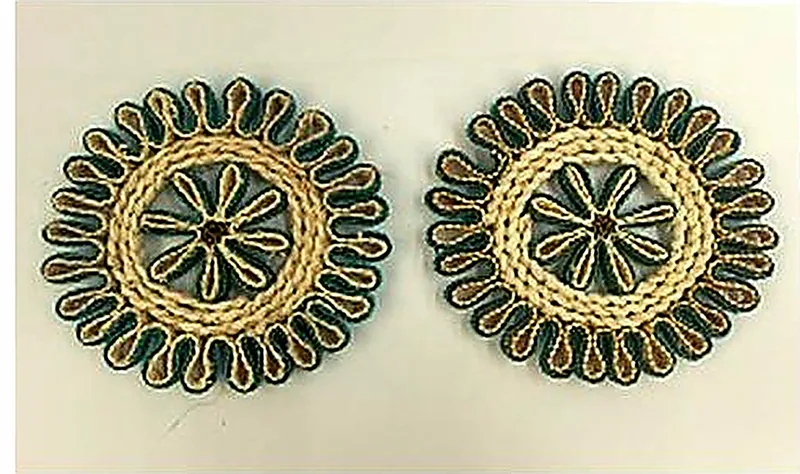
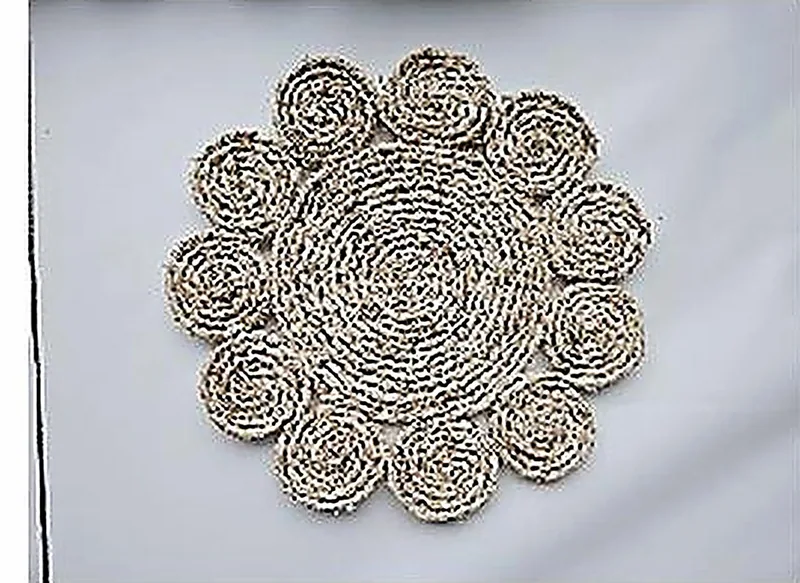
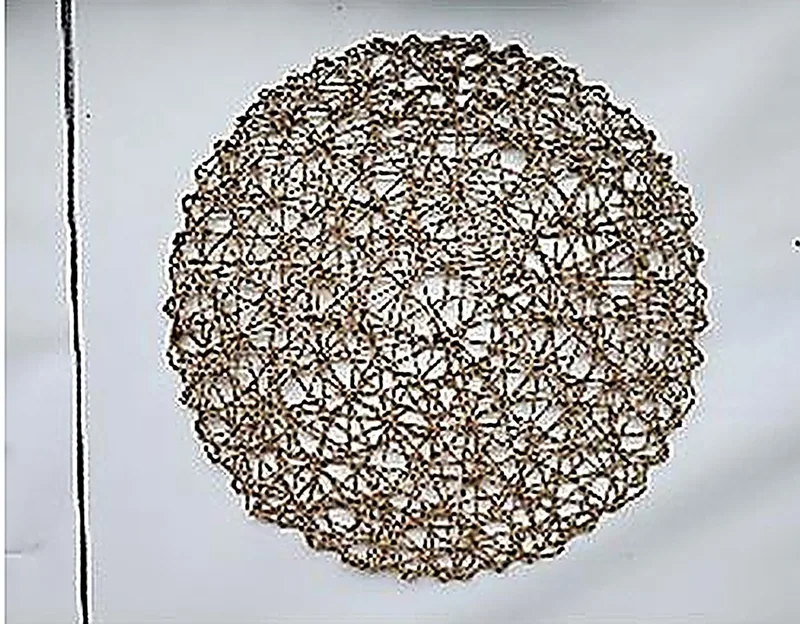
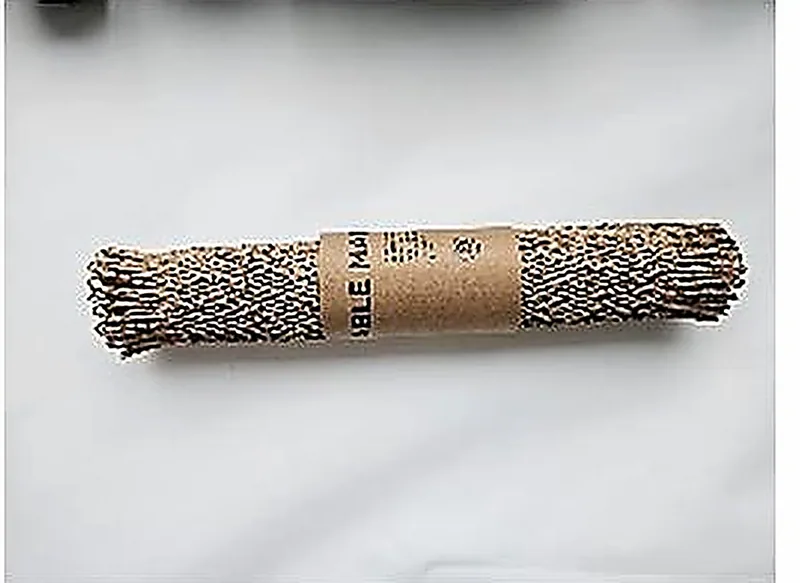
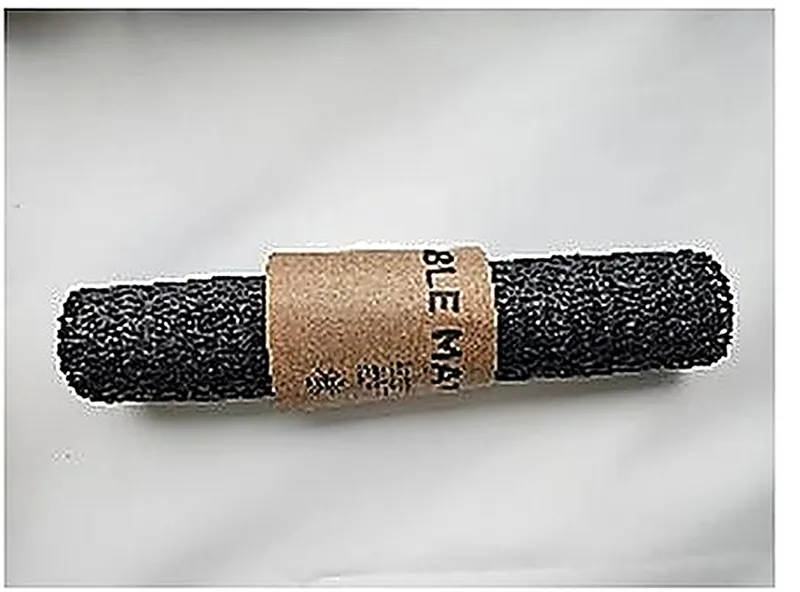
The Woven Placemats - Green Flower (TVD-2798) and the Round Open-Weave Placemat (TVD-2831) are 38 cm woven mats; the Woven Table Mats (Rolled) (TVD-2828) are 30 x 45 cm in natural and charcoal weaves, and the Woven Table Runners (Rolled) (TVD-2829) run 30 x 120 and 180 cm. These are the products where the Textile Labelling Act is most likely to come up: consumer textile articles, including mats, need fibre-content and dealer identity labelling. We confirm the fibre on the quote and tell you whether the labelling applies to the version you order. If a mat sits under a plate or a basket of bread, ask also for the factory's food-contact reports for your market; Health Canada does not pre-approve kitchenware.
The difference between these items is mostly format. A rolled runner is a long length that you or your customer cuts or lays; a placemat is a finished shape. Rolled goods raise a labelling question that individual mats do not: what exactly is the retail unit, and where does the label go?
Cork and trivets: a different material, a different conversation
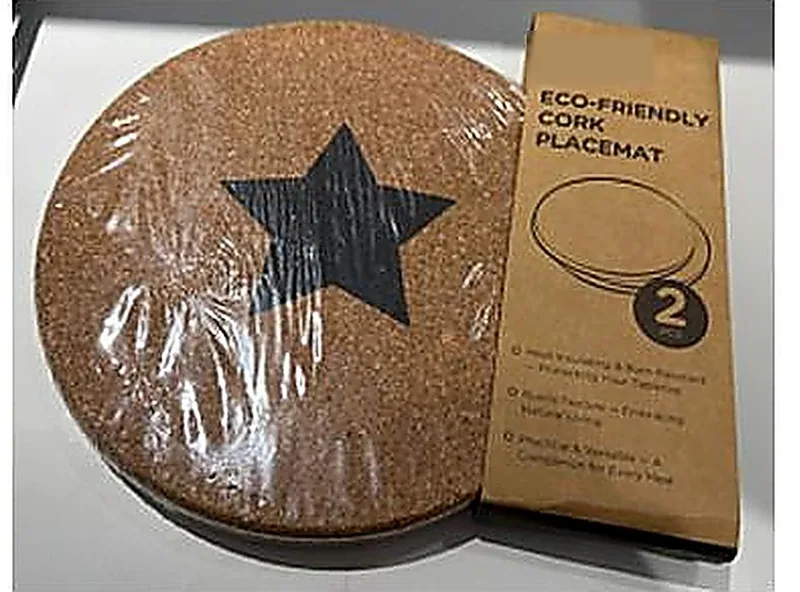
The Cork Placemat with Star Print (TVD-2805) is an 18.5 cm cork mat, and its description also mentions a 33.5 cm woven table trivet. The Round Woven Seagrass Placemat (TVD-10686) shares that same description, so the exact format of each is confirmed on the quote. A printed cork surface raises the printing question: if the star print sits where food or a hot dish rests, ask what the print is and what was tested. A trivet takes heat, so confirm what the factory says about hot dishes in writing. See the cork and trivet collection guide.
Coasters and leaf mats
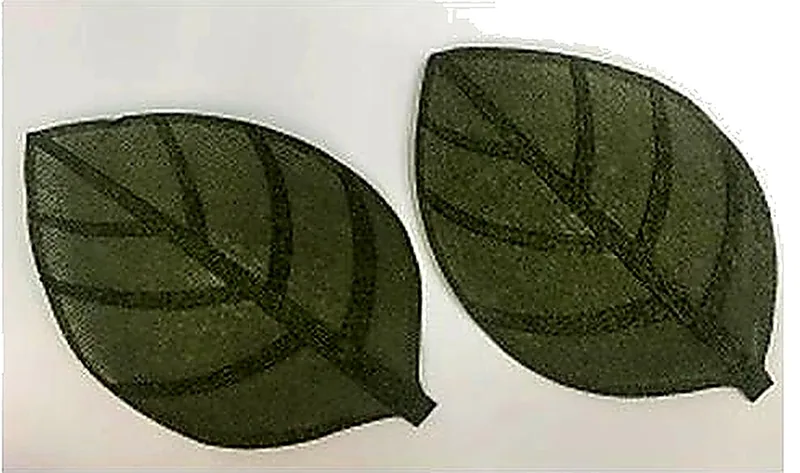
The Leaf Placemats - Green (TVD-2799) are a 30 x 45 cm leaf shape and the Boho Woven Coasters (TVD-10365) are 20 cm woven coasters. Coasters sit under glasses rather than food, so they carry the same textile questions as other woven mats and a lighter food-contact question. See the leaf placemat collection guide for how the two products relate.
Handled plates and bowls: food-contact first
The Matte Green Handled Plate Set (TVD-10692) is described as a 186 mm bowl and 255 mm plate, in banded sets. That is a food-contact product, so the Food and Drugs Act applies: food may not be sold in or with materials that may make it harmful. If the set is glazed ceramic, the Glazed Ceramics and Glassware Regulations limit lead and cadmium that can leach from food-contact surfaces, and decorated rims are a known risk. Our listing does not state the material, so we confirm it on the quote. The plate set buying guide covers the commercial side.
Rules by product type
| Product type | Textile labelling | Food-contact reports | Lead and cadmium | Bilingual retail pack |
|---|---|---|---|---|
| Woven placemats and mats | Likely, confirm fibre | If used under food | If printed or dyed | Yes if prepackaged |
| Rolled mats and runners | Likely, confirm fibre | If used under food | If printed or dyed | Yes if prepackaged |
| Cork mats and trivets | Confirm | If used under food | If printed | Yes if prepackaged |
| Coasters | Likely, confirm fibre | Lighter | If printed or dyed | Yes if prepackaged |
| Handled plates and bowls | No | Yes | Yes if glazed or decorated | Yes if prepackaged |
Documents to collect
- Fibre or material statement for each mat or coaster (confirmed on your quote).
- Food-contact test reports for bowls, plates and anything under food.
- Lead and cadmium test report for glazed or decorated pieces.
- Retail label artwork with bilingual identity, net quantity and dealer details.
- Customs classification from our broker, which sets duty and delivered cost.
Provincial and cross-border notes
Quebec adds the Charter of the French language: labels, instructions and any warranty text must be available in French, with French at least as prominent. Quebec retailers will ask. Elsewhere, bilingual identity and net quantity under the Consumer Packaging and Labelling Act is the baseline for prepackaged consumer goods. Electrical rules, CE-mark questions and gas rules do not apply to these products as described; if a version you want has a powered part, see the CSA, cUL and cETL guide and we will ask for the right mark. The CE mark is not proof of compliance in Canada for electrical or consumer products. Provincial tax is covered in the sales tax by province guide.
What happens if something is missing
A chain buyer may refuse to list tableware without food-contact reports. A retailer in Quebec may refuse unlabelled French text. A product that proves dangerous can be recalled under the Canada Consumer Product Safety Act, and incident reporting is required. A customs hold can follow if the product description and classification do not match.
How we handle it
We confirm certification status and supply the documents with the quote before you order. Samples are available on most items, with the sample cost usually credited to the first order. Payment is 30% deposit and 70% before release, and delivery goes to your site, store or warehouse across Canada; see how ordering works and request a quote. Rules change, so confirm with Health Canada, your provincial authority or your customs broker. This is general information, not legal advice. For the wholesale view, see the tableware and placemats wholesale guide.