Certification guide ·
Commercial Kitchen Equipment Certification in Canada: An Inspector's View
Gas, electrical and health inspectors each look at a commercial kitchen differently. Using the TVD-593 gas range as the example, here is the paperwork each one expects.
Start with the inspector's checklist, not the brochure
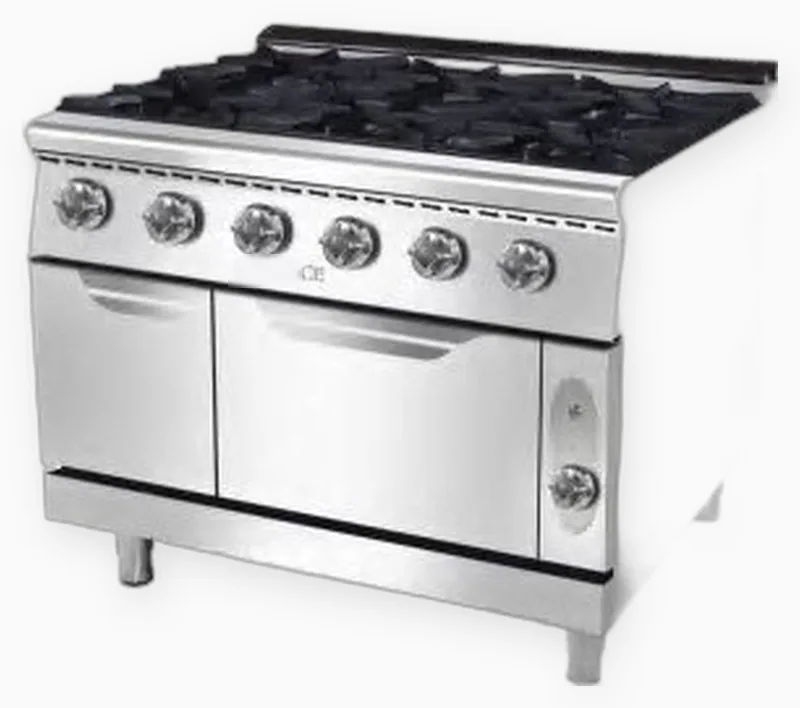
Commercial kitchen equipment is inspected by several people for several reasons: an electrical inspector, a gas inspector and a public health inspector, plus an insurer and often a landlord. A kitchen built around the Gas Range with Oven (TVD-593) has to satisfy all of them. This guide uses that range, with its 4 to 6 burners over an oven and stainless steel body, as the example, then shows how the same questions change for the fryers, ovens and steam cabinets that usually sit beside it. For the commercial side of this range, see our wholesale guide to the TVD-593.
Is a mark on file for the TVD-593?
No certification mark is on file for the TVD-593 today. We therefore make no certification claim for it. What we do is confirm certification status and supply the documents with the quote, before you order. We also know what a buyer is up against: our import notes flag this as a gas appliance that needs a recognised gas certification mark before it can be installed, and in Ontario the gas authority is TSSA.
Gas rules for a range
Commercial gas cooking equipment needs a recognised certification to the gas food-service equipment standard, written as CSA/ANSI Z83.11 and CSA 1.8. Outdoor cooking gas appliances are covered by a different standard, so check which one applies to the way you will use the unit. Installation is regulated provincially and must be done by a licensed gas fitter: TSSA in Ontario, Technical Safety BC, and the Régie du bâtiment du Québec in Quebec, with other provinces running their own gas safety branches. Equipment without a recognised gas certification can be refused at inspection. Field approval is sometimes possible but costly, and it is not a plan to build a project around. Also confirm natural gas versus propane, because the orifices differ, and confirm the gas pressure at the site.
Electrical and food-premises rules
Even a gas range has electrical parts, so electrical review applies. Any electrical product installed in Canada needs a mark from a body accredited by the Standards Council of Canada, such as CSA, cUL or cETL, or a field evaluation label. A US-only mark is not enough, and the European CE mark is not recognised as proof of compliance. Commercial cooking appliances are assessed against the CSA standard for commercial cooking appliances. For sanitation, provincial food premises rules require food equipment that is durable and easy to clean, and many health inspectors, landlords and franchisors ask for NSF/ANSI or equivalent sanitation certification, with NSF/ANSI 4 usually named for cooking equipment. See our explainer on CSA, cUL and cETL marks for how to read each.
One kitchen, five document trails
A line-up is rarely only a range. This table shows how the document question shifts for neighbouring equipment in our commercial kitchen equipment line.
| Equipment | What changes | Document to ask for |
|---|---|---|
| Gas Range with Oven (TVD-593) | Gas plus electrical, burner pressure and fuel type | Gas certification, electrical mark, sanitation evidence |
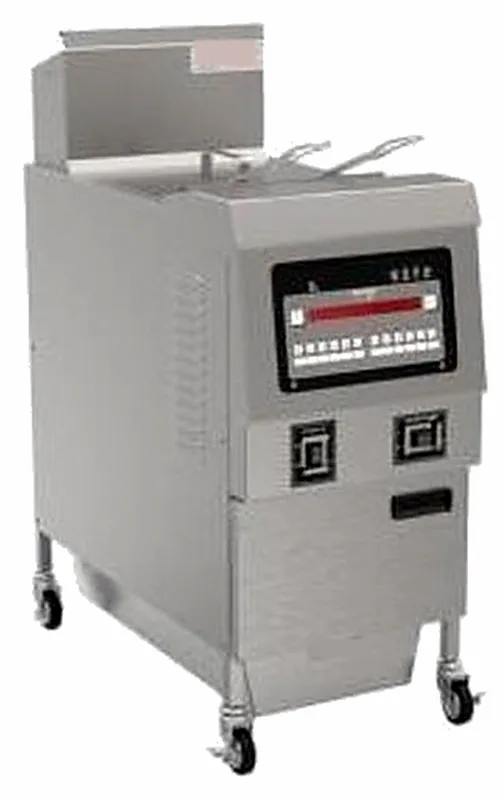
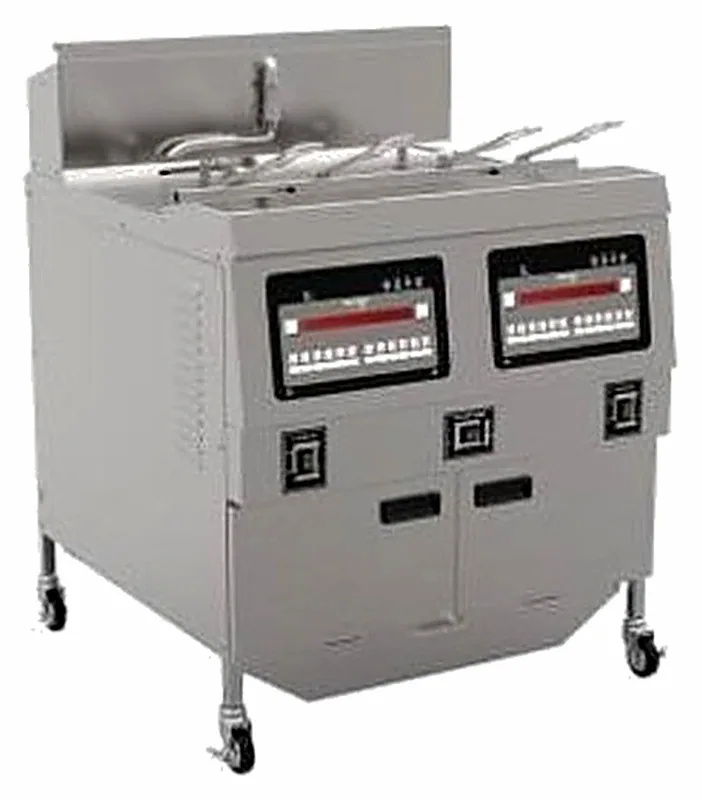
| Open Fryer, Single Tank (TVD-594) and Open Fryer, Double Tank (TVD-10812) | Offered in gas or electric versions, so the rule set depends on the version you pick | The mark that matches the version, plus sanitation evidence |
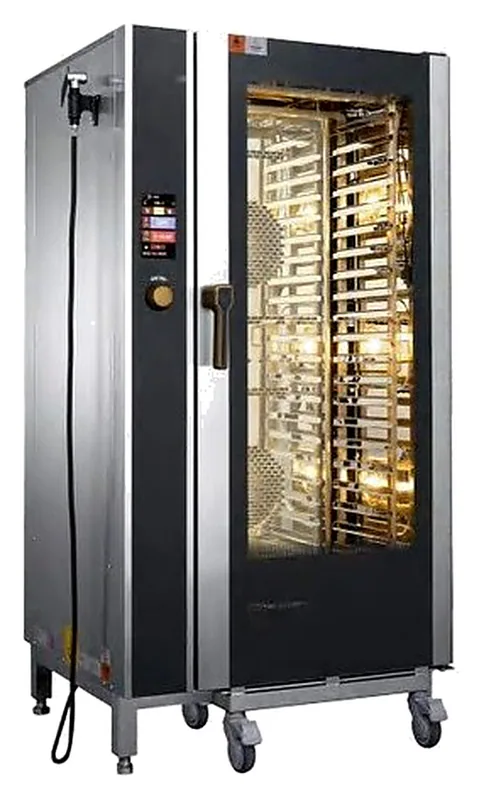
| Combi Oven (TVD-596) | Electrical, steam and convection with touch controls | Electrical mark and voltage confirmation |
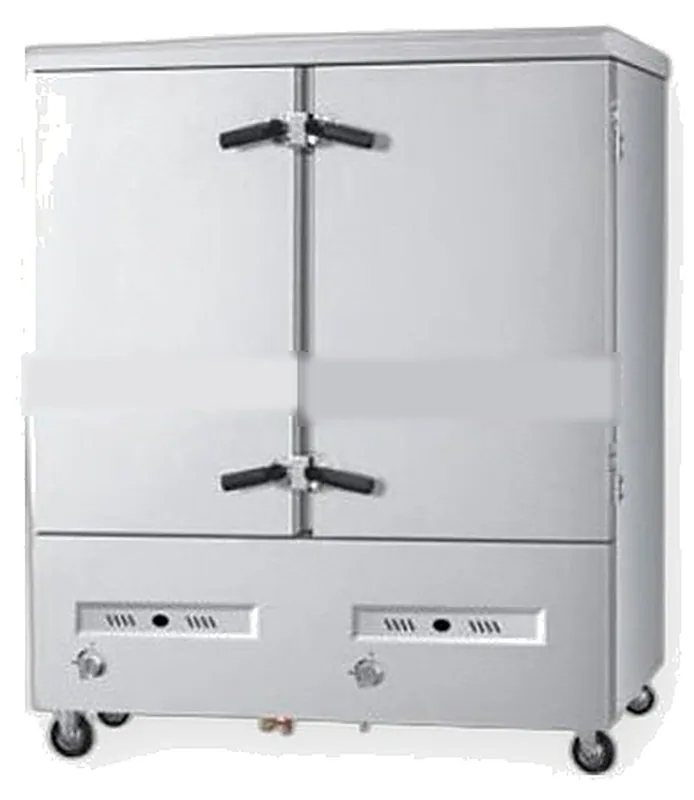
| Steam Cabinet, Two Door (TVD-599) | Gas or electric, multi-tray | Mark matching the energy source, sanitation evidence |
| Tilting Kettle & Braising Pan (TVD-597) | Large-batch institutional cooking | We confirm which marks apply on the quote |
What happens when something is missing
If the gas certification is absent, the gas inspector can refuse to authorise the connection, and the kitchen waits. If the electrical mark is absent, an electrical inspector can refuse the equipment and an insurer may question it after a claim. If sanitation evidence is absent, a health unit or franchisor can decline the item. Sorting this out before ordering is far easier than sorting it out after a container has arrived.
Provincial differences to plan for
Each province enforces differently, and local rules change. Our regional guides show how the same equipment is bought in Ontario, British Columbia, Alberta and Nova Scotia. In Quebec, manuals, labels and warranty documents must be available in French. Tax varies too, so see the sales tax by province guide.
How we handle certification on your order
Every written quote states certification status and lists the documents we will supply. Where a mark is missing, we say so, and we talk through field evaluation before a deposit is taken. Payment is 30% deposit and 70% before release. Read how ordering works, plan costs with the landed cost calculator and ask for a quote. Rules change, so confirm requirements with your gas authority, inspector or customs broker. This is general information, not legal advice. More at our wholesale guide.