Buyer guide ·
Food-contact kitchenware in Canada: glass, ceramics, bamboo, silicone and metal
Health Canada does not pre-approve kitchenware, so proof comes from test reports. Here is what to request material by material before you import food-contact products.
Anything that touches food in a restaurant, café, hotel or shop counts as food-contact. That covers plates and glasses, cutting boards, utensils, storage and the surfaces of the machines in the kitchen. Many buyers assume a product that is on sale elsewhere is automatically acceptable in Canada. The system does not work that way, and the practical answer is a set of documents you collect before the container ships. This guide takes each material in turn.
The rule under everything
The Food and Drugs Act prohibits selling food in or with materials that may make it harmful. There is no Health Canada approval for kitchenware that you can simply apply for. Health Canada offers voluntary Letters of No Objection for food packaging materials, which is a different category from tableware and utensils. As a result, buyers commonly ask the factory for food-contact test reports, such as FDA or EU food-contact migration tests, and keep them on file. Public health inspectors, landlords and franchisors may ask to see them.
Material by material
| Material | Canadian point to know | Ask the factory for |
|---|---|---|
| Glass and glazed ceramics | The Glazed Ceramics and Glassware Regulations under the Canada Consumer Product Safety Act limit lead and cadmium that can leach from items that contact food | Lead and cadmium test report for the exact item and decoration |
| Bamboo and wood boards | Finishes and glues can be a concern; melamine-bamboo blends are not for microwave use | Food-contact tests on the finish and adhesive; care instructions |
| Silicone and plastic | Falls under the same Food and Drugs Act rule as any food-contact material | Food-contact migration test reports (FDA or EU) |
| Metal utensils and cookware | Lead limits under the Consumer Products Containing Lead Regulations include kitchen utensils | Material declaration and a lead test; food-contact migration report |
| Cooking thermometers and battery gadgets | Health Canada does not certify cooking thermometers; batteries follow general consumer product safety, and lithium batteries have dangerous-goods shipping rules | Battery type and shipping documentation |
Glass, ceramics and decorated rims
Lead and cadmium risks concentrate where decoration is. A printed pattern, a metallic band or a colour fired on near the lip can be a source, because the mouth touches that area. Ask for a lead and cadmium test report on the finished, decorated item, not on an undecorated sample from the same factory. If a plain version and a decorated version look similar, treat them as two products with two reports.
Bamboo, wood and silicone
Bamboo and wood boards usually involve a finish and an adhesive. Ask for food-contact tests on both, not only on the raw material. If a product is a melamine-bamboo blend, it is not suitable for the microwave, and the label and your staff training should say so. For silicone, plastic lids and storage containers, the report to request is a food-contact migration test, in the same form as FDA or EU tests. When a factory offers only a certificate without a report, ask for the report.
Metal, utensils and lead
The Consumer Products Containing Lead Regulations set lead limits that include kitchen utensils and products for young children. If your range includes anything for children, such as kids' cutlery or training cups, treat it as a separate compliance case. Duties can also matter: stainless steel sinks from China are under anti-dumping duty at the time of writing, which is a reminder that classification and origin are checked before any quote.
Labels and language
If a product is a prepackaged consumer item, the Consumer Packaging and Labelling Act requires bilingual product identity and net quantity, plus the dealer's name and place of business. For Quebec, the Charter of the French language expects labels, instructions and warranty documents in French. The CE mark does not replace Canadian requirements; Canada does not recognise it as proof of compliance for consumer products.
The test report checklist
- Name of the exact item and its code on the report, so you can match it to what ships.
- The material and finish, including coatings, glazes, glues and decorations.
- The test method and the laboratory name, with a recent date.
- Lead and cadmium results for glass and glazed ceramics, with decorated areas tested.
- Food-contact migration results for silicone, plastics and coated items.
- Care and microwave guidance printed on the product or packaging.
- Bilingual or French packaging text if you will sell in Quebec.
- Customs classification and origin, confirmed by a broker before you place the order.
When the food-contact surface is a machine
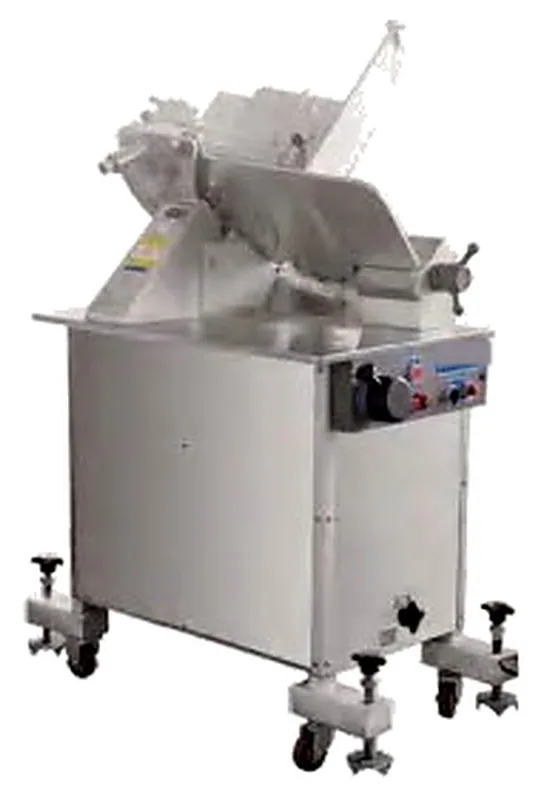
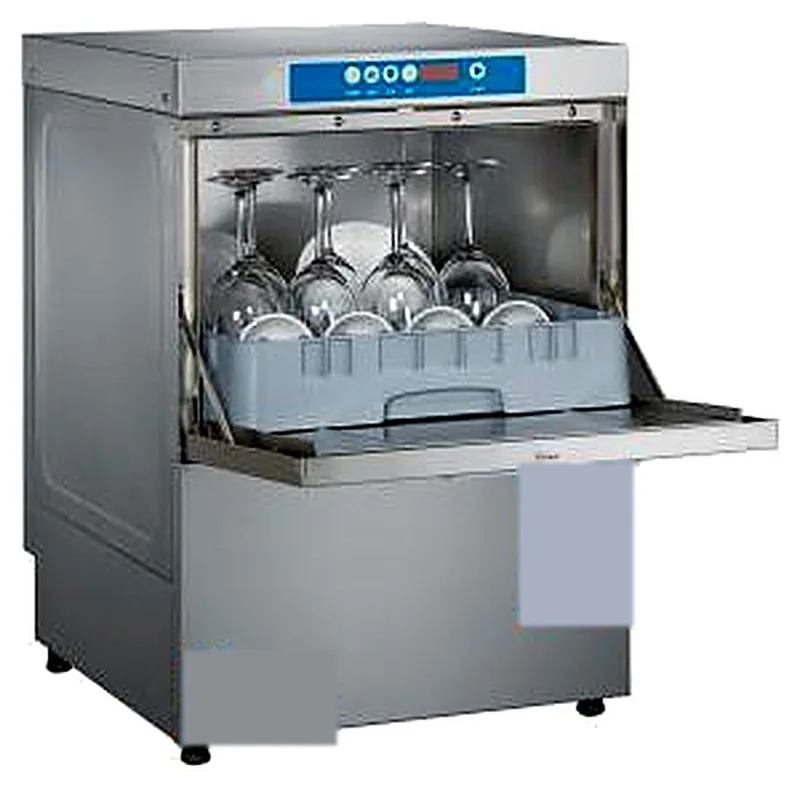
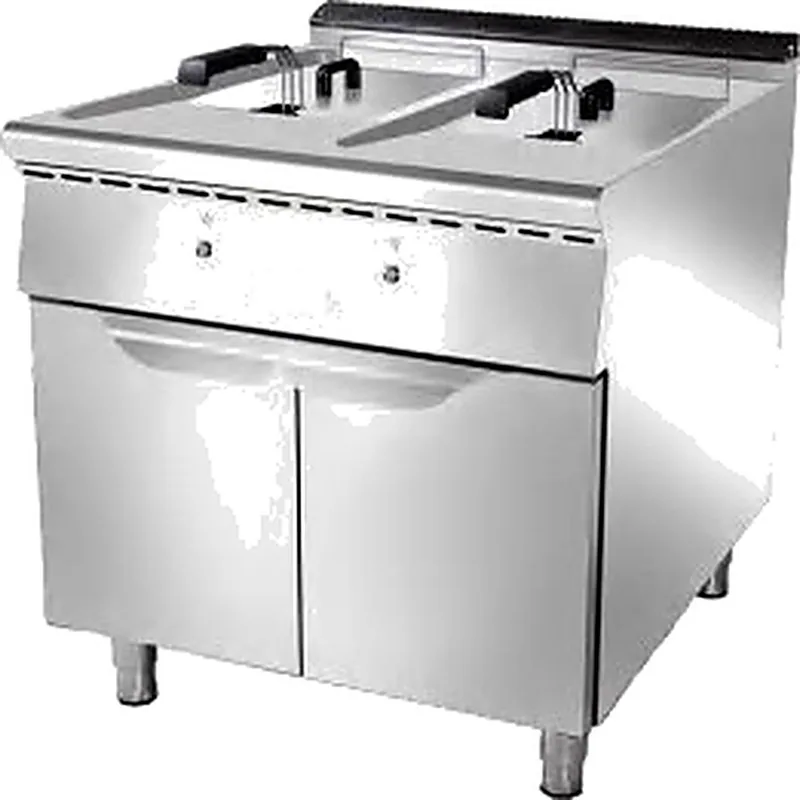
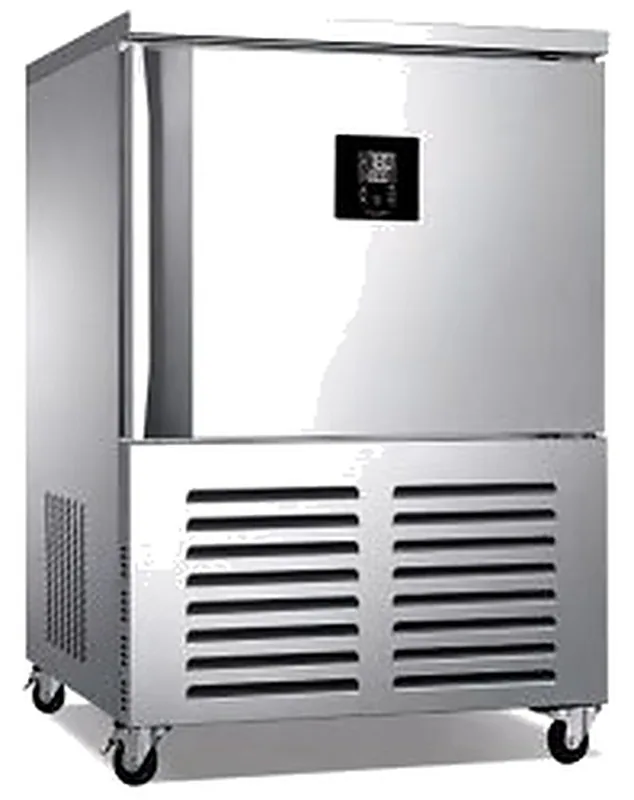
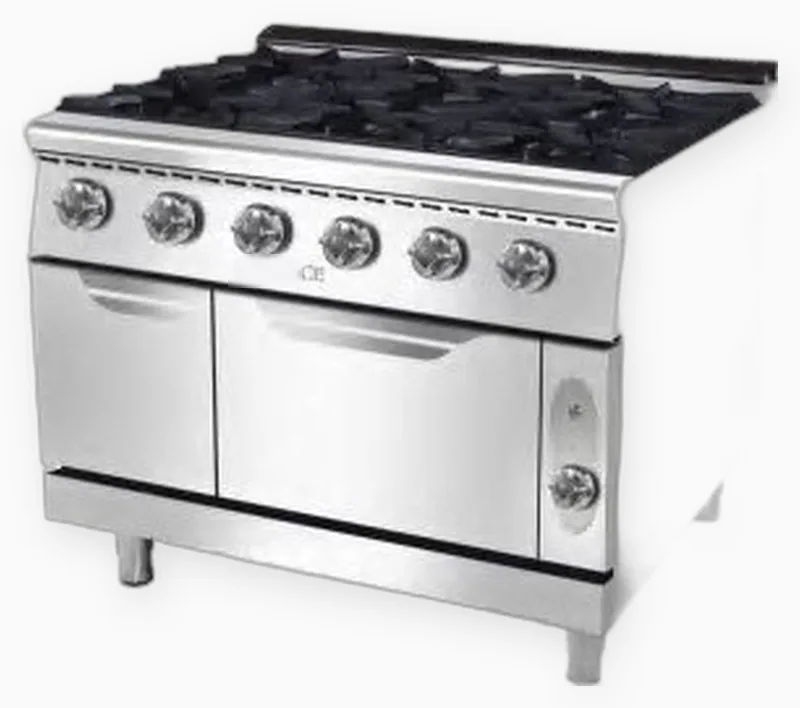
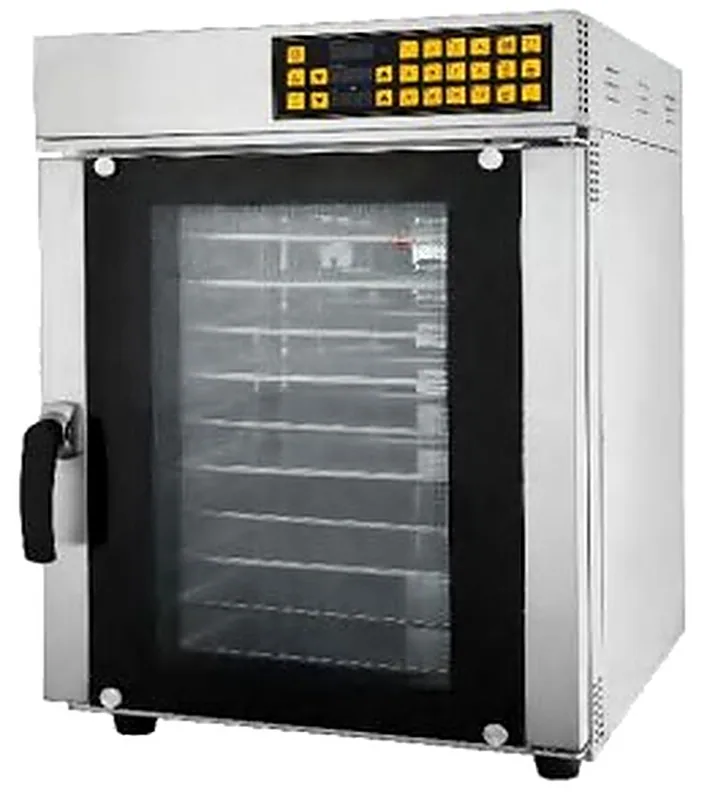
The same thinking applies to commercial kitchen equipment, with extra layers. Provincial food premises rules and local public health inspectors expect equipment that is durable, easy to clean and kept sanitary, and many ask for NSF/ANSI or an equivalent sanitation certification. We have examples across the range: the frozen meat slicer (TVD-2089), the undercounter glass dishwasher (TVD-2110), the cabinet fryer (TVD-2069), the blast chiller and freezer (TVD-2123), the gas range with oven (TVD-593) and the computer control convection oven (TVD-2072). For each one, we confirm certification status on the quote and supply the documents before you order. Commercial refrigerators and some commercial equipment can also fall under Natural Resources Canada's Energy Efficiency Regulations, so check if the product category is regulated.
Planning a food-contact range from scratch
Work from the finished item outward. Group your list by material family, then by decoration, then by the exact item you will receive. Request one test report per group that really covers the group: a plain white glaze and a printed pattern are not the same product. Order a sample of each, check that the item matches the report, and keep the sample and the report together. This is slower than ordering from a catalogue, but it avoids discovering a gap after the container is on the water.
Common gaps in factory documents
- A report on the raw material, not the finished item. A test on a sheet of glaze or a bamboo billet says little about a decorated plate or a glued, finished board.
- A report for a different colour or version. If the colour changes, the pigment changes, and so can the result.
- A certificate without a laboratory report. Ask for the report itself, with the method, the sample description and the laboratory name.
- An old or undated report. Ask when the test was done and whether the product or decoration has changed since.
- One type of test offered for every question. A food-contact migration report is the kind buyers commonly ask for, but it does not replace a lead and cadmium report on a decorated, glazed item.
Selling to restaurants, retailers and hotels
Restaurants and cafés are inspected by local public health officers, who expect equipment and tableware that are durable, easy to clean and kept sanitary. Retailers and distributors ask for the documents above before they list a product, and a franchisor may have its own list. Hotels often ask for documents that go beyond the law, because their own procurement teams have a checklist. In each case the best time to settle the question is at the quote, before a deposit is paid. Our quotes state what documents exist for each item, and we say plainly when one does not.
Care instructions and what the label should say
A solid file is more than test reports. Decide what the product label and insert will say: whether an item is dishwasher safe, whether it can go in the microwave, whether a board needs oiling and the highest temperature the maker intends. Check the care text against the test conditions, because a migration test run at one temperature says little about use at another. For consumer packaging, product identity and net quantity must be bilingual, and the dealer's name and place of business must appear. In Quebec, French text must be at least as prominent as the English. Draft the label text early and send it with your quote request, so the factory prints it correctly the first time instead of relabelling cartons in your warehouse.
How to order
Every order is quoted in writing for your quantity, with the specification, certification status and documents, packing, lead time and delivered cost to your address. Samples are available on most items and are usually credited to the first order. Many lines have low trial minimums, and goods from several factories can share one container. Payment is a 30% deposit and 70% before release. See how ordering works and the quote request. Use the sales tax by province guide and the landed cost calculator to plan the budget, and the Canada delivery hub for delivery areas. Rules change; confirm with your health unit, an inspector or a customs broker. This is not legal advice.